
Film
Waxworks
A German Expressionist fever dream from 1924: a poet hired to write backstories for wax museum figures falls into elaborate fantasies about Harun al Raschid, Ivan the Terrible, and Jack the Ripper. It's a cascade of grotesque imagery, distorted sets, and genuine horror mythology, told in the visual language that would influence every nightmare film that followed.
Should you watch it?
Watch it if you love anthology-style horror where the stories inside a story bleed into the frame, and you're happy with a silent film's stylised sets, shadows and theatrical performances doing the heavy lifting.
Skip it if you need sound, brisk pacing or modern scares; this 1924 German silent moves at a dreamy, deliberate clip and its horror is more atmosphere and gesture than jolts.
What it asks of you: Roughly eighty-odd minutes of patient, silent watching, with intertitles to read and a willingness to sink into expressionist decor and slow, mannered acting.
Not sure? Find tonight's pick in a minute.
If you liked this
The Cabinet of Dr. Caligari1920
The ur-text of German Expressionism: warped sets, elongated shadows, and psychological horror that flows like a dream. If you loved Waxworks' visual grammar, this is where the sentence began.
But It's slow by modern standards, relies entirely on silent film acting conventions, and the print quality can be rough. The narrative is deliberately disorienting.

Nosferatu1922
A vampire film of genuine dread, shot in the same Expressionist style but with a real plot engine. Count Orlok remains one of cinema's greatest monsters, made terrifying by shadow and geometry rather than gore.
But The pacing is glacial and the intertitles frequent. If you need constant action or dialogue to stay engaged, this will test you.

The Phantom Carriage1921
A Swedish ghost story that matches Waxworks' ambition to visualize the uncanny. Stunning special effects for the era, a haunting moral story, and proof that Expressionism wasn't only German.
But It's long, melancholic, and demands patience. The plot hinges on redemption through suffering—not everyone's idea of a good time.

Not sure tonight? Get a pick in a minute, starting from Waxworks
The wildcard
Something you would not have found on your own.
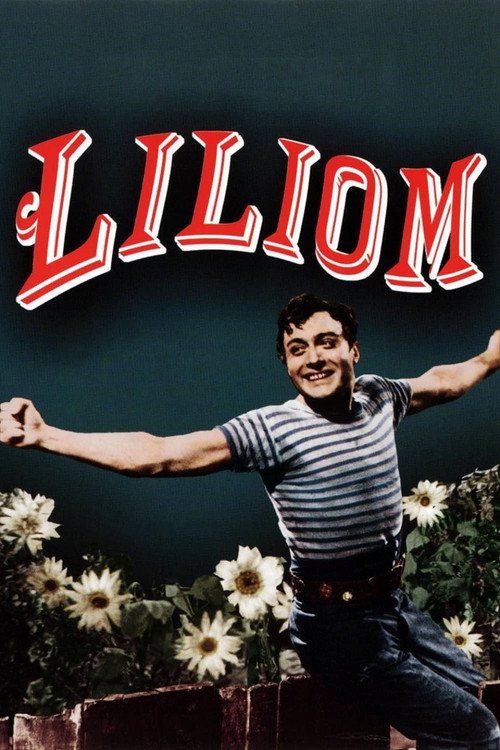
Liliom1934
Both films use stylized sets and carnival/circus settings to explore death, morality, and transformation. Both believe fantasy can be sincere.
Frank Borzage's only venture into Expressionist melodrama: a carnival barker dies and encounters judgment in the afterlife. It's Waxworks' emotional twin—ornate, theatrical, reaching toward the transcendent through the grotesque and low-class.
But It's syrupy and operates on pure emotion rather than logic. The sentimentality will feel treacly if you're not prepared to surrender to it completely.
More like this (6)
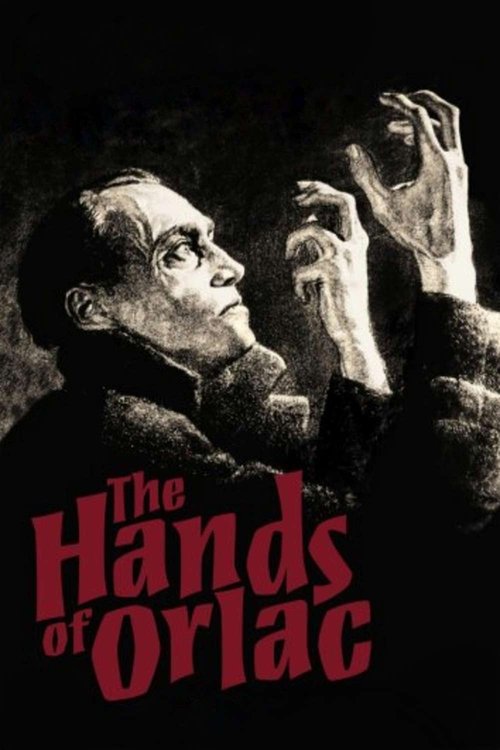
The Hands of Orlac1924
Conrad Veidt (the Terrible in Waxworks) here plays a pianist whose hands are transplanted from a executed murderer. Body horror expressed through pure cinema, with genuine psychological terror underneath.
But The premise is its strongest asset; the execution occasionally feels padded. If you're squeamish about surgical body horror, even suggested, this won't help.
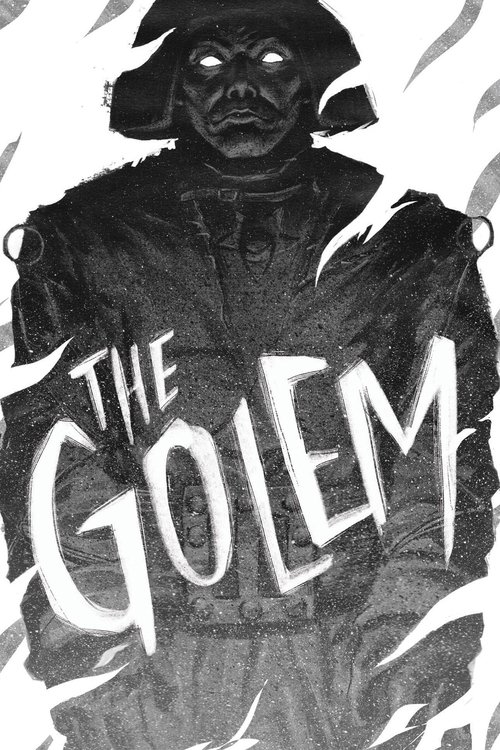
The Golem: How He Came into the World1920
Another Prague-set Expressionist masterpiece about a creature awakened from clay. The monster design is iconic, the atmosphere suffocating, and it manages genuine pathos alongside horror.
But The pacing drags in the middle third. Jewish folklore resonance adds depth but also heavy thematic weight that can feel didactic.
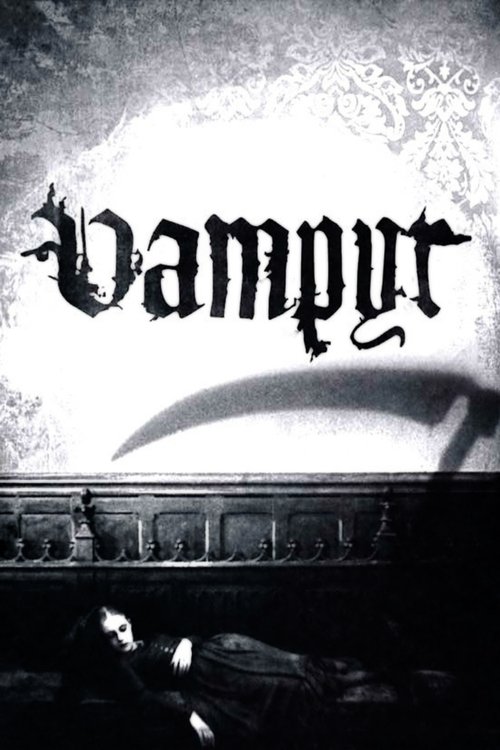
Vampyr1932
Carl Theodor Dreyer's dreamlike vampire film, made just after sound arrived. It abandons plot coherence for pure atmosphere—you're in a nightmare, and that's entirely the point.
But It's deliberately obscure and refuses to clarify what's happening. If you need narrative clarity and character arcs, this is punishment, not entertainment.
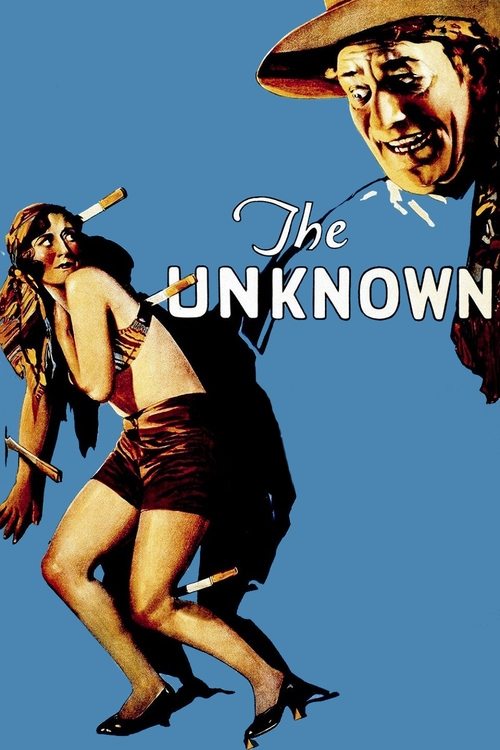
The Unknown1927
Lon Chaney as an armless circus performer in a tale of obsession and body horror that predates every modern mutilation film. The twist lands hard and the performance is bewildering.
But The romantic subplot is deeply uncomfortable by any standard. The ending's cruelty might feel gratuitous if you're not in the right headspace.
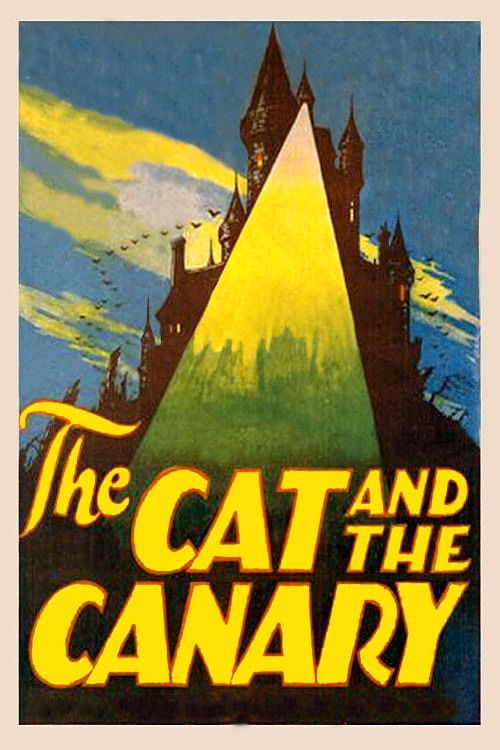
The Cat and the Canary1927
A haunted house mystery with genuine laughs and scares in equal measure. Paul Leni proves you can do horror-comedy without winking at the camera, with wonderful set design and a game cast.
But It can feel frivolous after the weight of true Expressionism. Some gags land better than others and the mystery itself is secondary to the atmosphere.
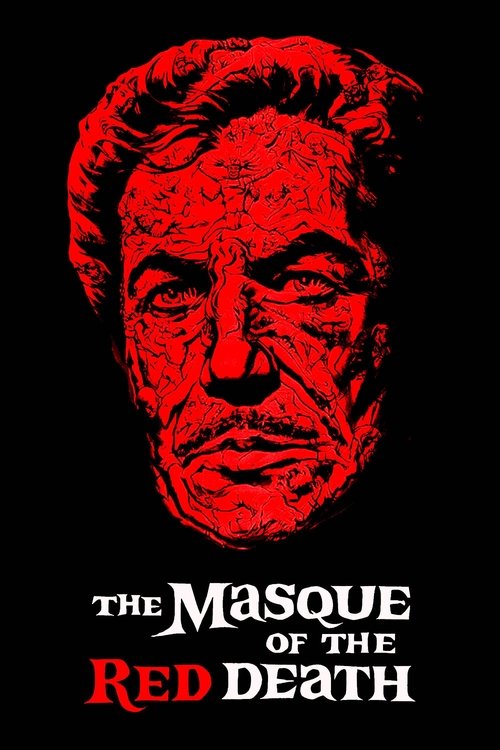
The Masque of the Red Death1964
Both films treat cinema as painting. Both use symbolic sets and grotesque character types to tell fables about mortality and human nature. Both trust the image more than dialogue.
Corman's Poe adaptation moves Expressionism into colour: blood-red rooms, plague allegory, a masquerade where death itself attends. It's Waxworks' spiritual descendant—the same moral fable told in pure visual language, equally indifferent to realism.
But It's slow, painterly, and the low budget occasionally shows. If you need plot momentum or character development, this is decoration.
People
Cast
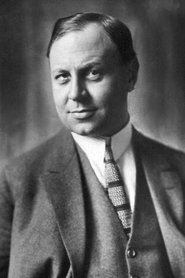 Emil JanningsHarun al Raschid
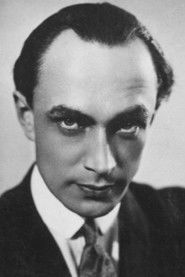 Conrad VeidtIvan the Terrible
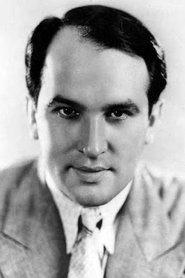 William DieterleThe Poet / Assad the Baker / Russian Prince
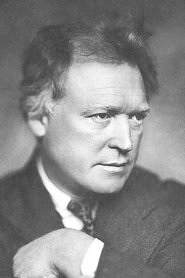 Werner KraussJack the Ripper / Spring-Heeled Jack
 Olga BelajeffEva-Maimune-Eine Bojarin
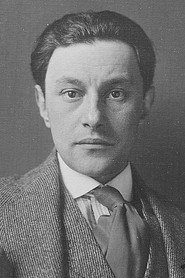 John GottowtOwner of the Waxworks
 Georg JohnOwner of the Panoptikums
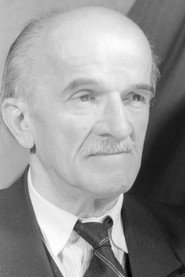 Ernst LegalPoison-Maker of the Czar
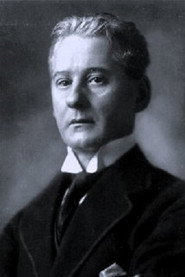 Paul BiensfeldtGrand Vizier
Directing
- William DieterleAssistant Director
- Leo BirinskiDirector
- Paul LeniDirector
Writing
- Henrik GaleenWriter
Production
- Alexander KwartiroffProducer
- Leo BirinskiProducer
- Artur Kiekebusch-BrenkenProduction Manager
Recommended by
Dead of Night, A Page of Madness, The Haunted House, Khiladi, The Haunted Castle, The Telltale Heart