
Film
The Haunted House
Other titles called The Haunted House: the 1921 film.
A 1928 silent comedy-horror hybrid about four heirs gathering at a spooky mansion for a will reading. It's a lark—genuinely funny, refreshingly bizarre, with slapstick colliding cheerfully into genuine creepiness. Perfect for anyone curious about how early cinema played with genre before it had to pick a lane.
Should you watch it?
Watch it if you love silent-era slapstick where the jokes are built on creaking doors, sudden shadows and a deadpan actor trying to keep a straight face while the house falls apart around him.
Skip it if you need sound, quick pacing or a plot that holds together; this is a loose string of gags and spooky set-pieces that stops and starts, and the mystery is more an excuse than a engine.
What it asks of you: It runs about seventy minutes and moves at a silent film's own tempo, so you need to watch the faces and bodies closely, since much of the comedy lives in physical timing rather than dialogue.
Not sure? Find tonight's pick in a minute.
If you liked this
The Phantom Carriage1921
Sweeping Swedish ghost story that proves early silent horror could be haunting and morally complex, not just jumps. Victor Sjöström's performance carries real weight through purely visual storytelling.
But It's slow by modern standards and emotionally heavy—Sjöström's anguish is exhausting to watch for 90 minutes.

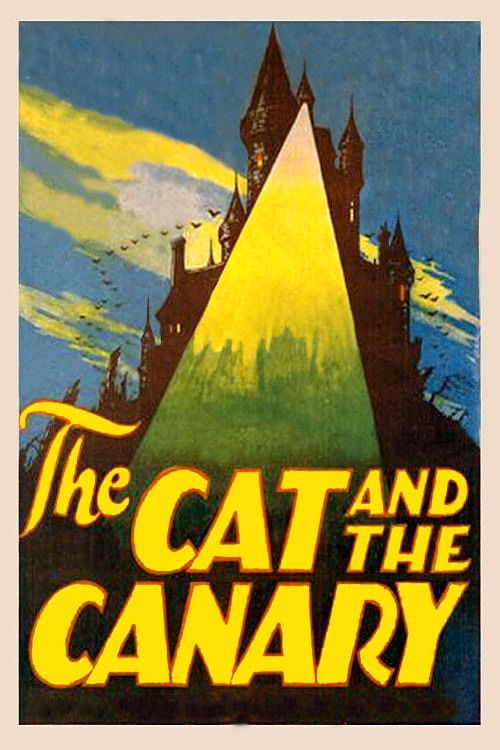
The Cat and the Canary1927
Paul Leni's masterpiece: comedy, mystery, and gothic atmosphere braided together with such style that you forget it's ninety-five years old. Sets are stunning, pacing snappy, laughs are real.
But The plot (inheritance, dark mansion, is someone crazy?) is familiar because this film invented it. Gets slower in the middle third.
Nosferatu1922
Expressionist vampire film that's visually perfect—Count Orlok is genuinely terrifying, the shadows are obsessively composed. You'll see where every vampire film since learned its grammar.
But The pacing is glacial and the story minimal. Some find it remote rather than immersive, more art installation than narrative.

Not sure tonight? Get a pick in a minute, starting from The Haunted House
The wildcard
Something you would not have found on your own.
Häxan1922
Both are hybrid films that refuse genre purity, mixing horror with comedy with genuine strangeness. They trust the audience to sit with tonal shifts rather than clarifying what you should feel.
Benjamin Christensen's hallucinatory essay-film about witchcraft through the centuries: part documentary, part nightmare, wholly hypnotic. Surreal, transgressive for its time, visually unforgettable. Nothing else looks like it.
But It's less a story than a fever dream—no plot, no characters to follow, and deeply weird imagery (sometimes grotesque in ways that unsettle rather than entertain). Can feel pretentious or impenetrable.

More like this (8)
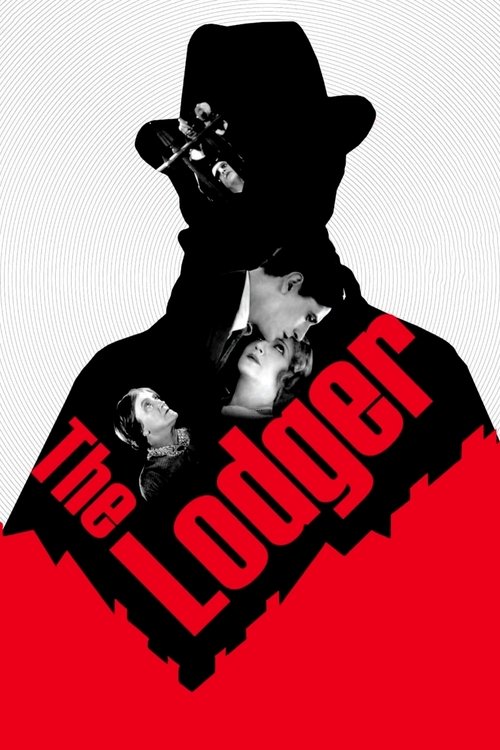
The Lodger: A Story of the London Fog1927
Hitchcock's first thriller: paranoia, landlady intrigue, and visual storytelling so assured you forget he was learning the form. Feels modern in how it builds suspicion from nothing.
But The Jack the Ripper premise is thin and secondhand even now. The resolution feels tacked on.
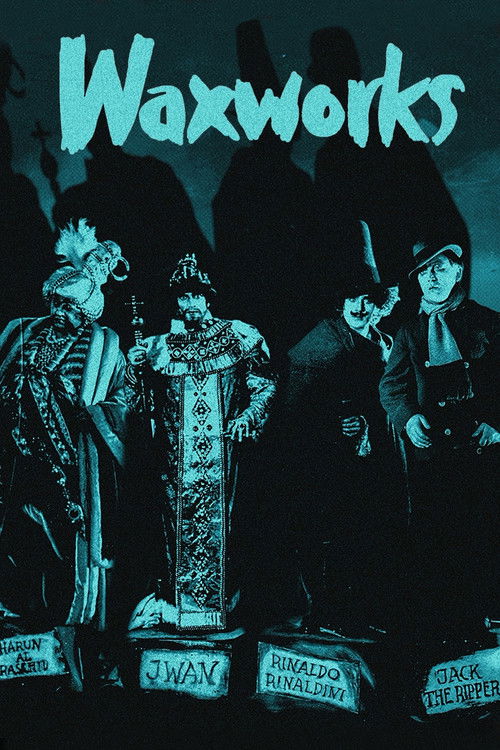
Waxworks1924
Three interconnected horror stories told as phantasmagoria: Harun al-Rashid, Ivan the Terrible, Jack the Ripper. Grotesque production design and carnival atmosphere that influenced everything darker after.
But It's deliberately disjointed and refuses clarity. Some segments drag; the satire lands unevenly.
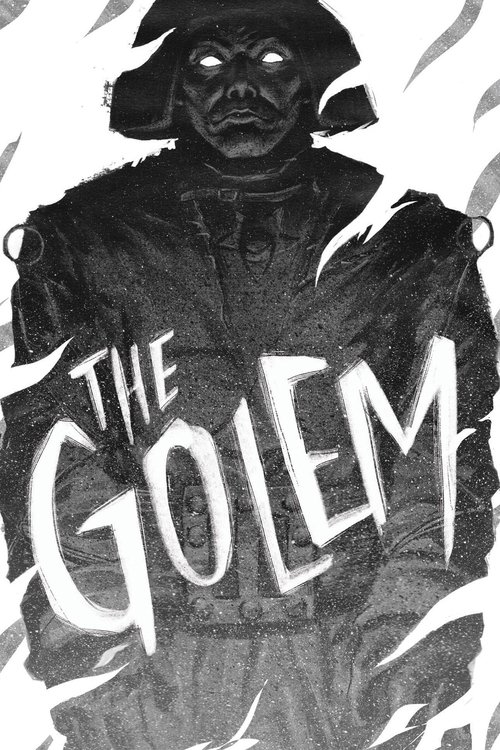
The Golem: How He Came into the World1920
Prague's Jewish folklore becomes cosmic nightmare: the clay monster is sympathetic and terrible at once. Wegener's direction builds genuine dread from geometry and shadow.
But Symbolism can feel heavy-handed. It's talky for a silent film (lots of intertitles) and moves in jerks rather than flows.
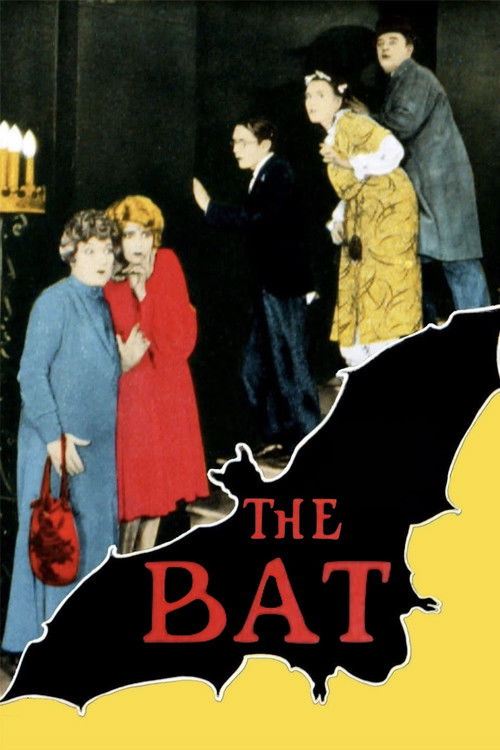
The Bat1926
Julie Delpy's grandfather made this proto-slasher about a masked killer terrorizing a manor. It's tense, clever, and treats its mystery with real ingenuity. A joy to watch unfold.
But The final act reveals feel contrived and the comedy bits clash with the suspense. Some intertitles labour jokes that weren't funny on arrival.
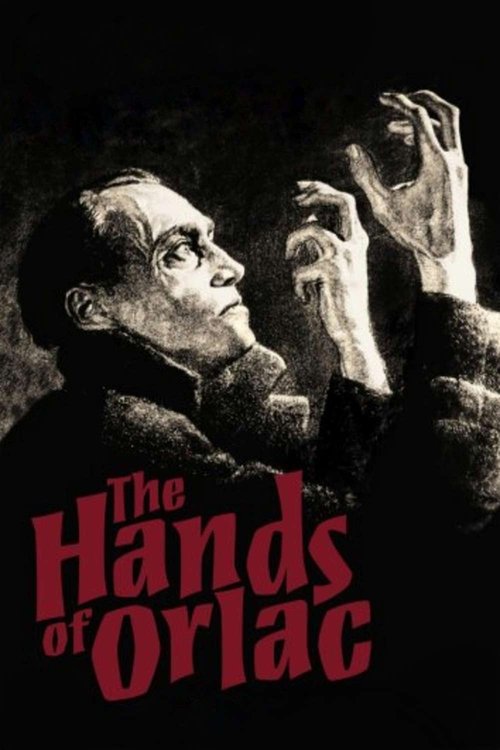
The Hands of Orlac1924
Genuinely unsettling premise: pianist gets executed murderer's hands grafted on; descends into paranoia wondering if they're controlling him. Expressionist imagery plus psychological torment equals hypnotic.
But It's abstract in a way that demands patience. The plot is mostly interior and some find it repetitive; nothing much *happens*.
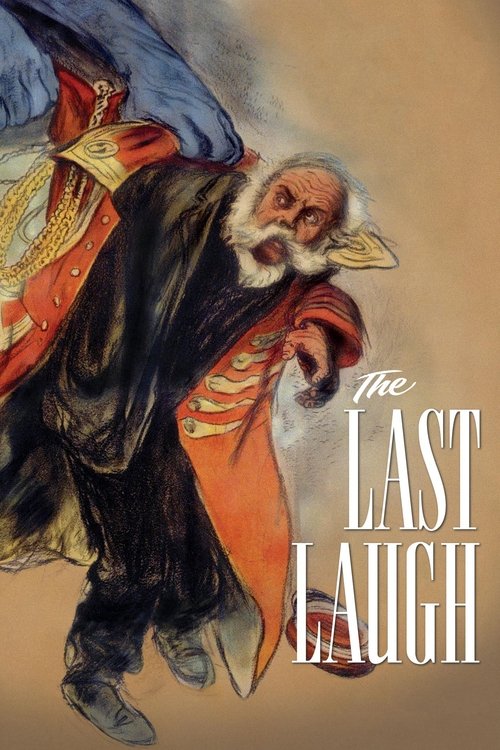
The Last Laugh1924
Murnau's technical masterpiece: no intertitles, pure visual storytelling about a doorman's fall and redemption. A milestone in cinema grammar and surprisingly moving beneath the German Expressionism.
But It's deliberately austere. The joy here is cinematic craft rather than narrative momentum, which won't grip everyone.
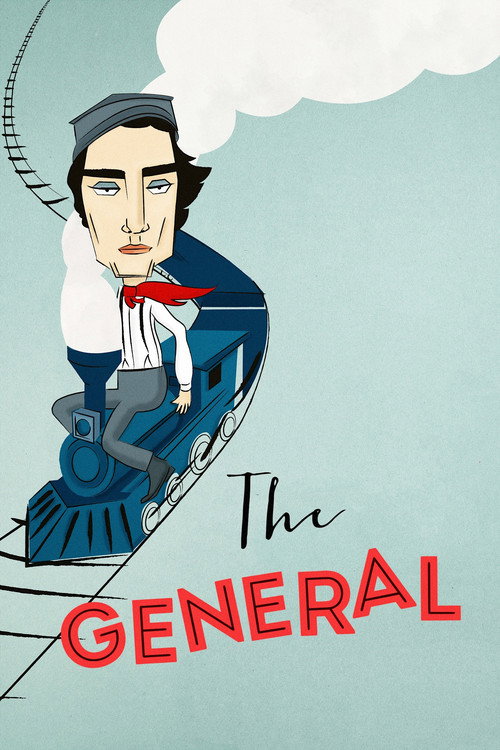
The General1926
Both films are comfortable being funny *and* thrilling simultaneously—they don't apologize for comedy in a 'serious' story. The tone shifts because the filmmakers trusted that audiences could follow the music.
Buster Keaton's Civil War comedy where a man pursues a train with the same intensity others give to life-or-death stakes. Pure physical genius: slapstick so precise it becomes balletic, and genuinely hilarious.
But If you don't connect with Keaton's deadpan style or appreciate silent comedy's rhythms, it can feel slow and pointless. Some gags land softly or not at all by modern standards.
M1931
Both use early cinema's formal inventiveness to explore the grotesque and the ordinary colliding. Haunted House winks at darkness; M stares into it. Same visual language, opposite moral registers.
Fritz Lang's masterpiece: serial killer hunted through Weimar Berlin by both police and underworld. Technically revolutionary (sound film used brilliantly), morally complex, unbearably tense. Influenced every thriller after.
But It's dark in a way that doesn't relent—the subject matter (child murder) never becomes entertainment. Heavy, exhausting, deliberately grim rather than thrilling for thrills' sake.

People
Cast
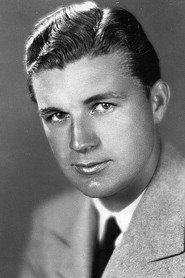 Larry KentBilly
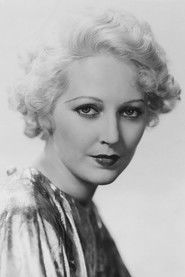 Thelma ToddThe Nurse
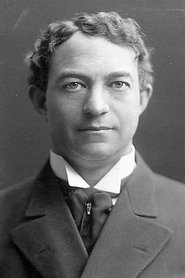 Edmund BreeseUncle Herbert
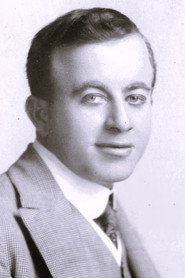 Chester ConklinMr. Rackham
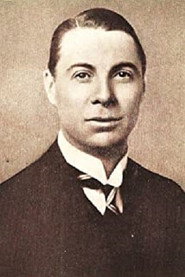 Sidney BraceyTully
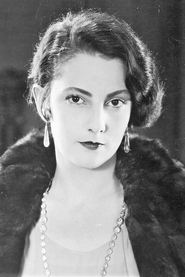 Barbara BedfordNancy
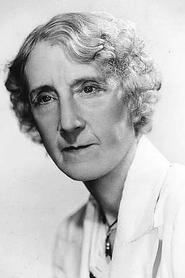 Flora FinchMrs.Rackham
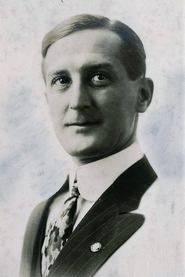 William V. MongCaretaker
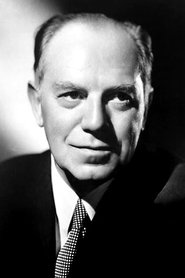 Montagu LoveMad Doctor
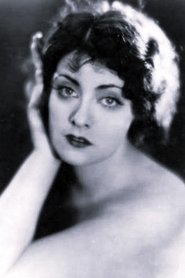 Eve SouthernSleepwalking Girl
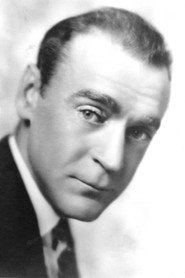 John GoughChauffeur
Directing
- Benjamin ChristensenDirector
Writing
- Owen DavisTheatre Play
- Benjamin ChristensenWriter
- Cornell WoolrichWriter
- Lajos BiróWriter