
Film
The Haunted House
Other titles called The Haunted House: the 1928 film.
A 1921 Buster Keaton two-reeler where a bank clerk stumbles into chaos: robbers, counterfeiters, and actors in ghost costumes all converging on a supposedly haunted house. It's the blueprint for slapstick mayhem, all deadpan precision and architectural gags, with Keaton's face doing nothing while everything around him explodes. Pure physical comedy—no dialogue needed, no wasted seconds.
If you liked this
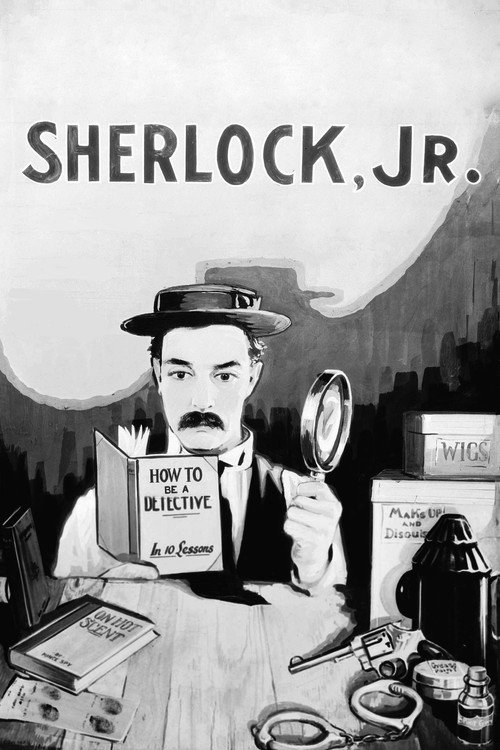
Sherlock Jr.1924
Keaton at peak inventiveness: a projectionist dreams himself into a film and fights crooks with impossible stunts. The camera tricks and physical logic are breathtaking, and it's longer so you get more of his genius.
But Some of the dream-film transitions feel dated now, and the plot's thinner than you'd expect from a feature. It takes patience to settle into the rhythm.
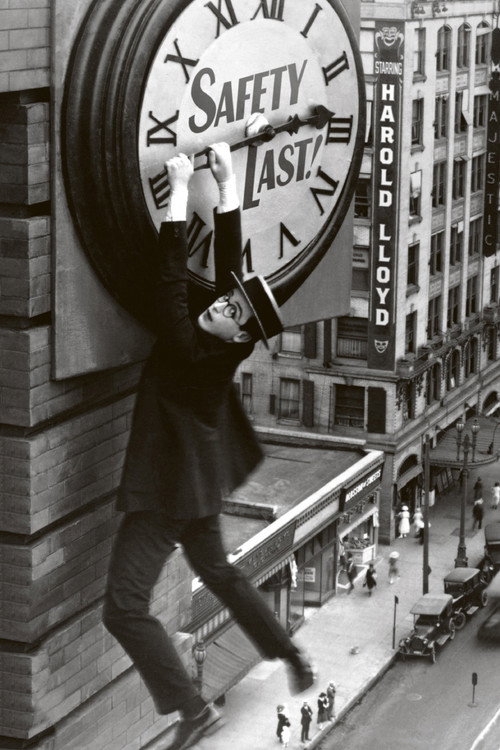
Safety Last!1923
Harold Lloyd climbing the exterior of a skyscraper in broad daylight, no safety equipment, no effects—just a man and a building twelve stories high. The suspense is real. It invented the stunt comedy that everything after built on.
But Lloyd's less blank than Keaton; his face emotes constantly, which some find less cool. The romantic subplot drags between the set pieces.
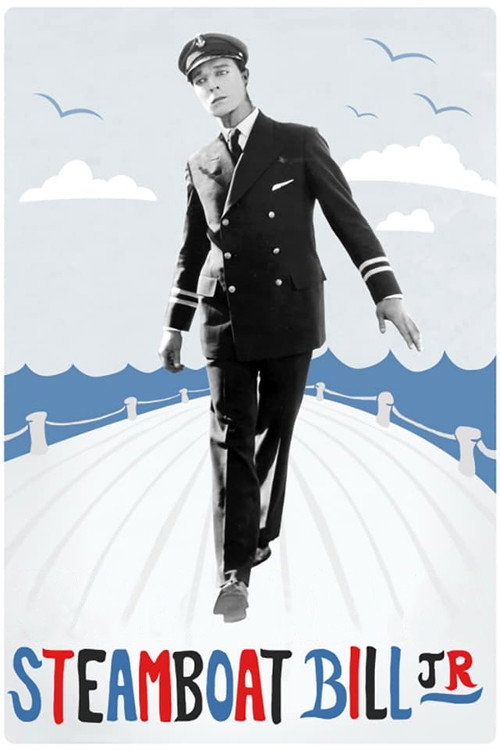
Steamboat Bill, Jr.1928
Keaton in a flood. A cyclone. A house facade collapsing around him while he stands still. The engineering and timing are so perfect you'll rewind it. A masterpiece of construction and destruction.
But It's almost entirely visual, which sounds perfect until you realize there's barely a story to hold on to. The middle sags while the climax is unmissable.
Not sure tonight? Get a pick in a minute, starting from The Haunted House
The wildcard
Something you would not have found on your own.
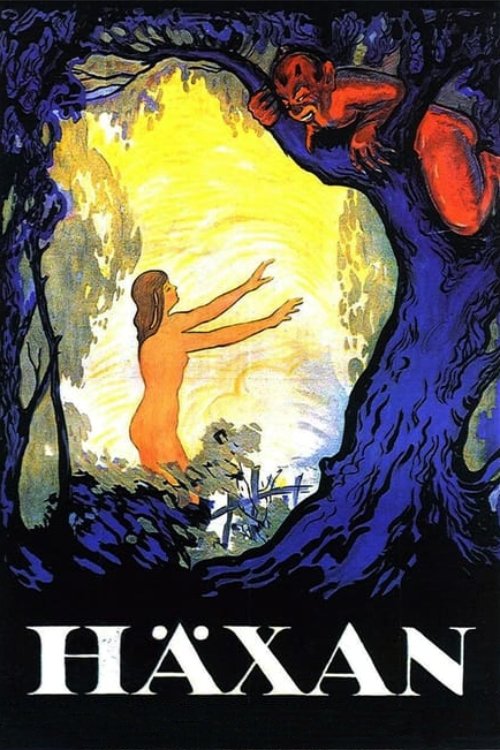
Häxan1922
Both trap their characters in spaces—a house, a dungeon, a mind—where reality breaks down and what's real becomes impossible to trust. Both use that space to generate both laughter and unease in quick succession.
A Swedish documentary-essay-horror-film about witchcraft across history: medieval torture, possessed nuns, actual witch-trial records, and then Christensen himself as the devil in reconstructed scenes. It's genuinely unsettling and deeply strange—nothing else feels like it.
But Some sequences are graphically violent for 1922. The second half abandons history for surreal performance art, which alienates people looking for narrative. It's sometimes tedious and sometimes deeply weird in ways that don't always connect.
More like this (7)
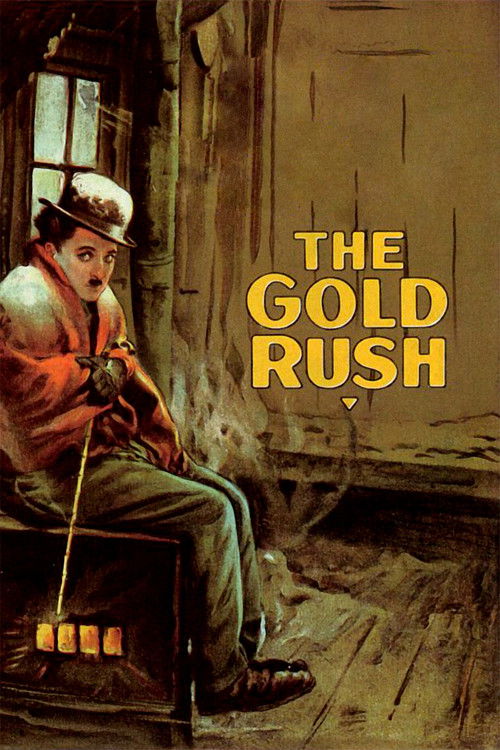
The Gold Rush1925
Chaplin in the Klondike with a prospector's hunger and a vagrant's tenderness. It's Chaplin's most human film—funny and genuinely moving, which shouldn't work but devastates. The cabin scene is unforgettable.
But Chaplin's sentimentality can feel calculated, and the romantic plot is mawkish compared to the gags. Some find him precious rather than endearing.
Cops1922
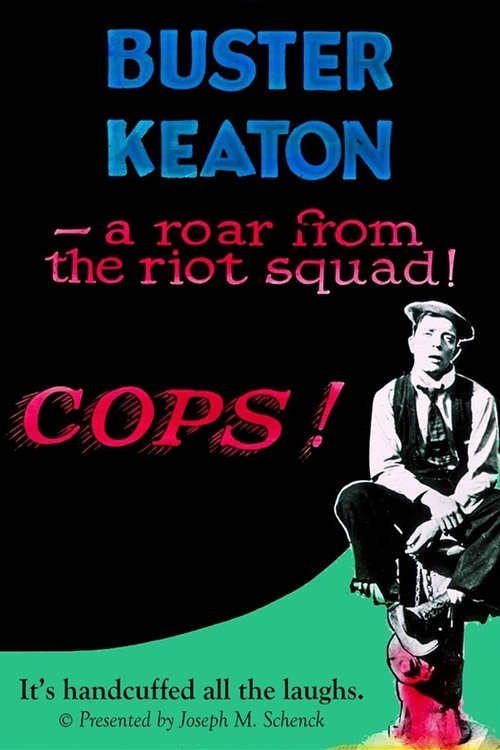
Twenty minutes of Keaton outnumbered by an entire police force. It escalates from one cop to hundreds in a city-wide chase. The mathematics of the gag-work are astounding—each beat builds perfectly.
But It's premise-thin and repetitive by design. If chase comedies bore you, this won't change your mind—it'll just do it faster.
The Phantom Carriage1921
A Swedish ghost story about a dying man visited by the ghost of his past, on New Year's Eve. Beautiful, mournful, genuinely eerie—the photography is luminous and the idea of a spectre pulling people back to account for their cruelty lingers.
But It's slow and solemn, which is the opposite of *The Haunted House*'s energy. The pacing and sentiment feel remote now, not immediately engaging.

The Lodger: A Story of the London Fog1927
An early Hitchcock thriller about a mysterious lodger in a rooming house during a serial killer panic. Genuine suspense and visual invention—you can see where Hitchcock's style crystallizes here, all shadows and staircases.
But The story's less about the mystery than the mood, so if you want plot clarity you'll be frustrated. The intertitles can feel clunky between the beautiful images.

Nosferatu1922
A vampire film so atmospheric and hypnotic it feels like a nightmare made visible. Max Schreck's Count Orlok is genuinely disturbing—the shadows, the silence, the creeping dread. It invented how vampires should look on film.
But It moves like a dream, which means slowly. The plot is simple and the ending's inevitable. Impatience will kill it for you.

Battleship Potemkin1925
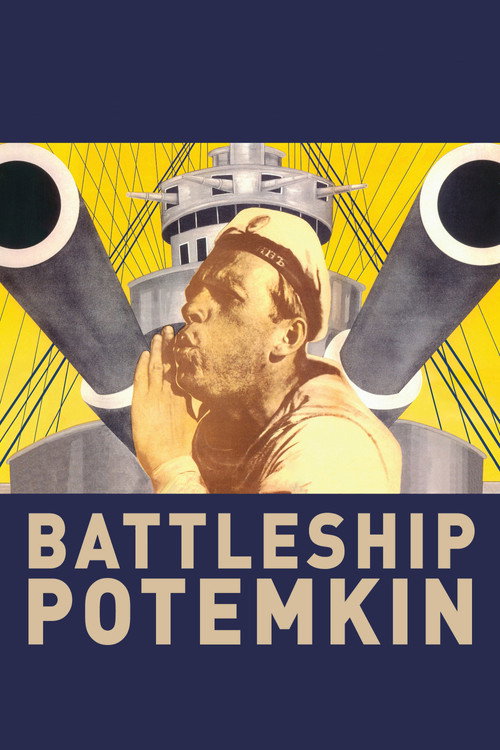
A Soviet montage-masterpiece about a mutiny. Every frame is dynamic, the editing is revolutionary, the Odessa Steps sequence alone justifies cinema's existence. It's formally thrilling even if you're indifferent to the politics.
But It's a propaganda film in service of a revolution you may not care about. The acting is broad and the message is unsubtle—if you want nuance in your silent films, this isn't it.
PlayTime1967
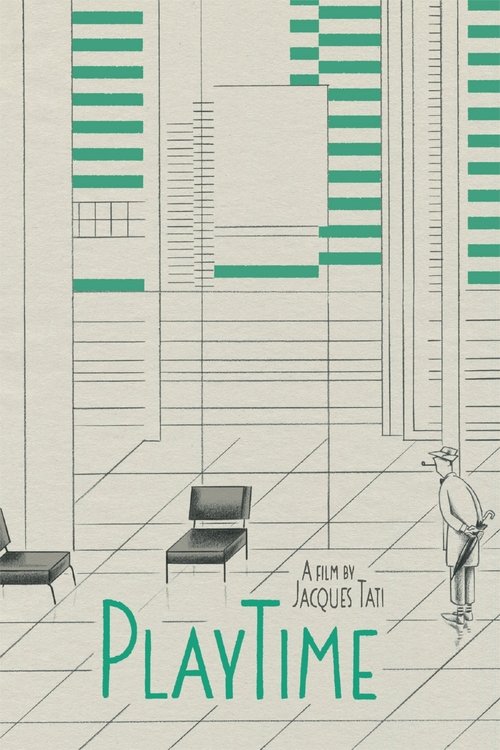
Like Keaton, Tati believed the environment *is* the joke, and that perfect framing and timing could generate laughter from how a body moves through space. Both distrust dialogue and dialogue-driven comedy. Both see the world as a precision instrument that's constantly misfiring, and find profound comedy in that mismatch.
Jacques Tati built a fake Paris to film a single day. The entire movie happens in depth—you could watch the corners instead of the center. It's comedy about how modern spaces confuse us, told without dialogue, all physicality and observation. A profound joke about the world we've built.
But It's expensive-looking and sparse, almost meditative. The humor is subtle to the point of invisible; if you need obvious punchlines you'll be bored. It's nearly three hours and requires active watching, not passive consumption.
People
Cast
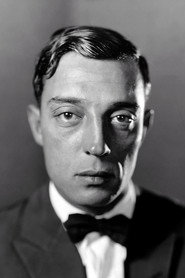 Buster KeatonBank Clerk
 Virginia FoxBank President's Daughter
 Joe RobertsBank Cashier
 Edward F. ClineCustomer in Bank
 Natalie TalmadgeFainting Female Bank Customer (uncredited)
- Dorothy CassilFlirty Bank Customer (uncredited)
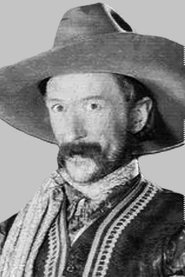 Mark HamiltonTallest Ghost (uncredited)
- Paddy McGuireCrook (uncredited)
Directing
- Buster KeatonDirector
- Edward F. ClineDirector
Writing
- Buster KeatonWriter
- Edward F. ClineWriter
Production
- Joseph M. SchenckProducer