
Film
The Ghoul
A British Egyptologist returns from the dead to reclaim a sacred jewel in this 1933 creeper that mixes drawing-room mystery with genuine dread. Boris Karloff is magnetic and unsettling, moving through the film with a supernatural languor. It's proto-zombie cinema—slower, stranger, more interested in atmosphere than gore. For fans of early horror who want something stranger than the Universal classics.
If you liked this
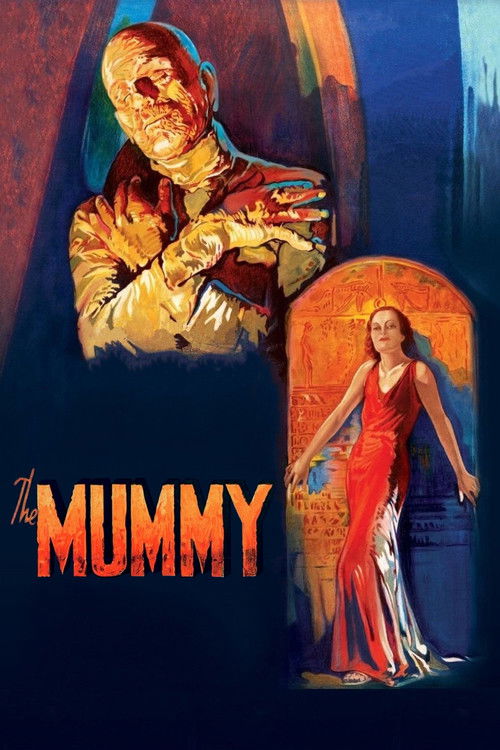
The Mummy1932
Karloff's definitive role, released just a year earlier. Same actor, same studio, same era of horror—but here he's the supernatural center of gravity. Iconic and properly eerie.
But The pacing is glacial by modern standards. If you want action and scares, this will test your patience.
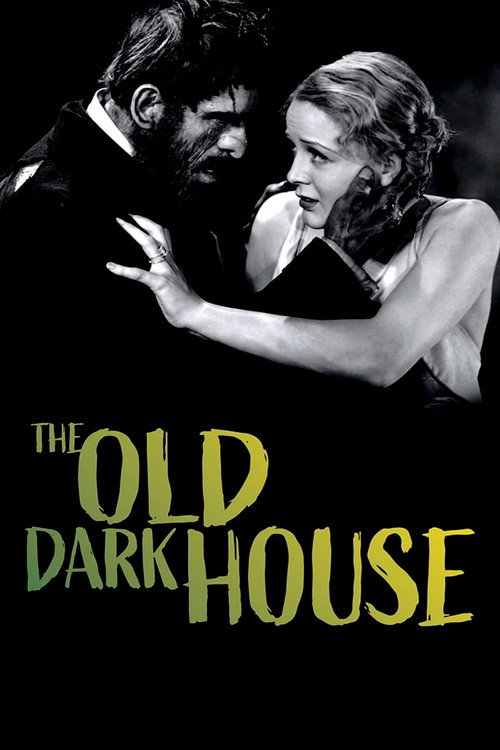
The Old Dark House1932
James Whale's masterpiece of ensemble unease. A storm, a house full of strangers, mounting dread. Visual invention and real darkness underneath the theatricality.
But It's more interested in mood than plot. The horror is tonal, not visceral, which means it can feel meandering if that's not what you want.
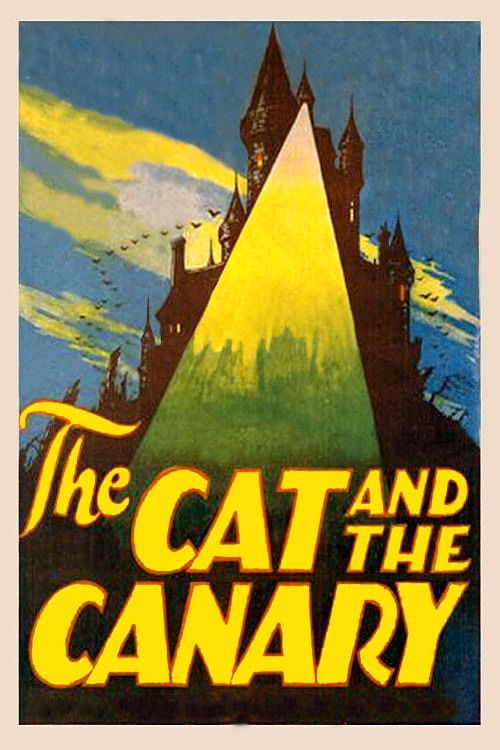
The Cat and the Canary1927
An earlier template for the haunted-house mystery that influenced everything after. Comedy, genuine scares, and a plot that twists. Silent, but gorgeously composed.
But Being silent, it demands more active attention. And the humor can feel quaint—which it is—without the charm landing if you're not in the mood.
Not sure tonight? Get a pick in a minute, starting from The Ghoul
The wildcard
Something you would not have found on your own.
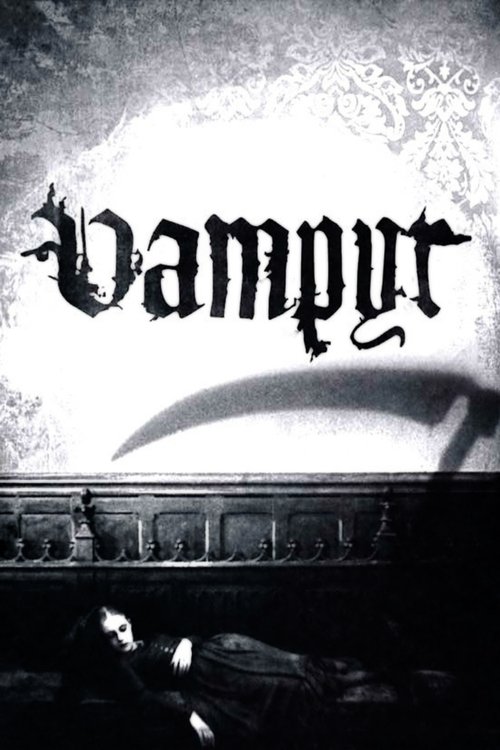
Vampyr1932
Both are obsessed with the return of the dead and the violation of tombs—but where The Ghoul plays its premise as a mystery, Vampyr treats death as a state of atmosphere, a condition of being rather than an event.
Carl Theodor Dreyer's hallucinatory masterpiece, released the same year as The Ghoul. A film that moves like a nightmare—logic breaks, space folds, death is a fog creeping across the landscape. Visually unlike anything from its era or ours.
But It's incomprehensible in a way that demands surrender rather than understanding. Subtitled, surreal, and uninterested in plot clarity. Some viewers find it pretentious rather than profound.
More like this (7)
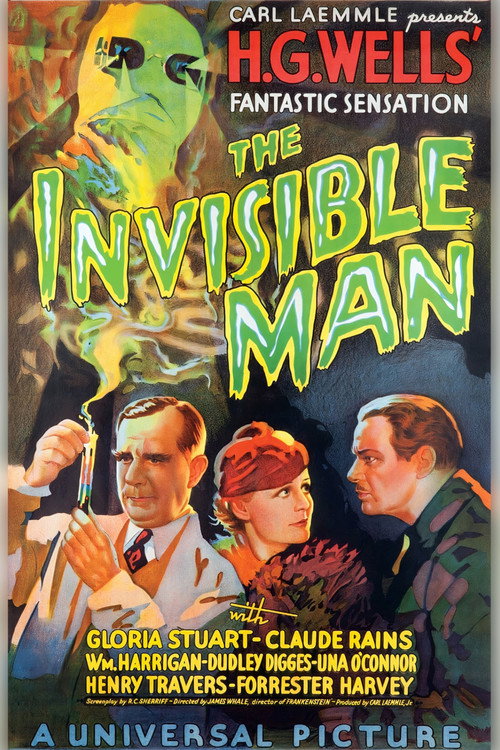
The Invisible Man1933
Peak Universal horror. Clever, funny, genuinely frightening, with special effects that still astound. Claude Rains gives the performance of his career as a voice and presence.
But It's so good and so well-known that it can feel like homework rather than discovery. Also more science fiction than supernatural.
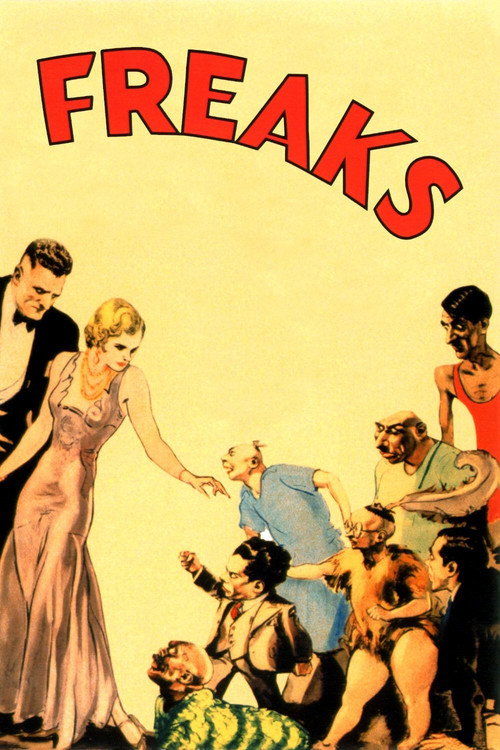
Freaks1932
Tod Browning's carnival nightmare, full of real bodies, real strangeness, and real pathos. Nothing else from this era looks or feels like it. A genuine challenge to watch and unforgettable.
But It's disturbing in ways that go beyond the supernatural. Some find it exploitative rather than empathetic. And it's structurally loose—not a tight plot.
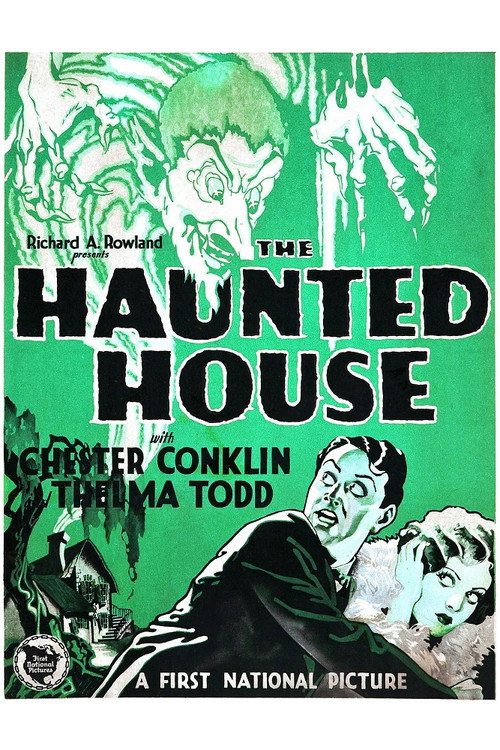
The Haunted House1928
A Buster Keaton silent where the logic is dream-logic and the architecture is impossible. Comedy-horror that actually works as both. Inventive and joyful in its strangeness.
But If you're not attuned to silent comedy, the humor won't land. And it's brief—you have to catch it.
The Phantom Carriage1921
Victor Sjöström's Swedish masterpiece about a man who dies on New Year's Eve and confronts the supernatural. Visually stunning and genuinely haunting, with moral weight beneath the spookiness.
But It's a silent Swedish film from 1921. That's three levels of 'not for everyone,' and the print quality varies wildly depending on where you watch it.

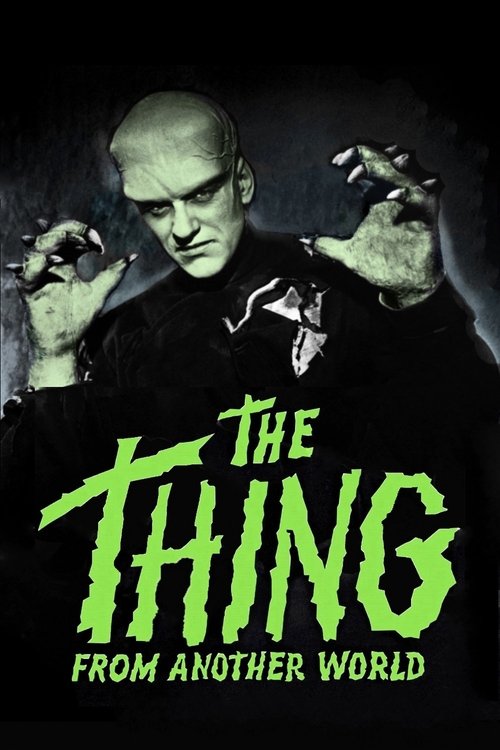
The Thing from Another World1951
The bridge between Thirties mood-horror and Fifties creature features. Tight, tense, and knows exactly what it's doing. A clear inheritance from The Ghoul and The Mummy but faster and sharper.
But By 1951, horror had moved on from atmosphere toward spectacle. If you want to see the shift, this is it—which means it can feel like a halfway point.
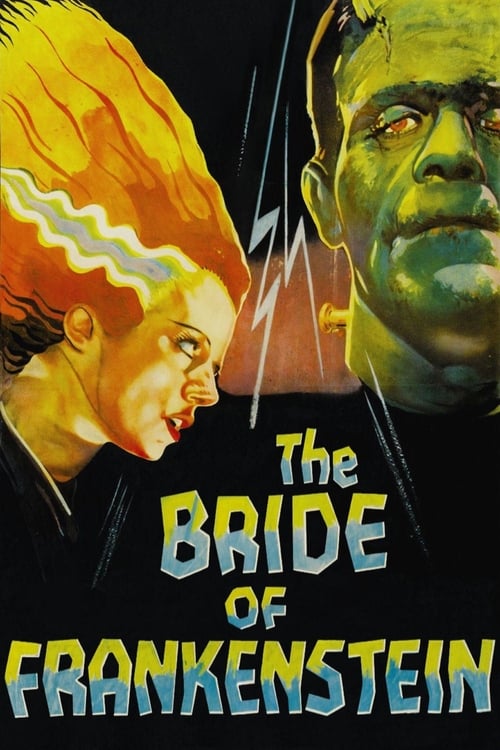
Bride of Frankenstein1935
James Whale's audacious sequel, weirder and more operatic than the original. Peak Universal style: grotesque, campy, genuinely touching, and visually ravishing.
But The tonal whiplash—from tragedy to comedy to horror to melodrama—feels schizophrenic if you're not ready for Whale's sensibility. Also very theatrical in a way that doesn't always play.
Häxan1922
Like The Ghoul, it's about belief in the supernatural and what happens when the dead seem to walk. But where Karloff is a specific haunting, Häxan is the entire collective terror that allows such stories to exist—the infrastructure of horror.
Benjamin Christensen's Swedish documentary-horror-fantasia about witchcraft, superstition, and mass hysteria. It moves between scholarly argument, grotesque pantomime, and genuine dread. Nothing fits into one category—it's a fever dream pretending to be an encyclopedia.
But It's structurally experimental and occasionally hard to follow. Some sequences are played for camp, others for genuine horror, and the tonal shifts can feel chaotic. Also silent and nearly a century old.

People
Cast
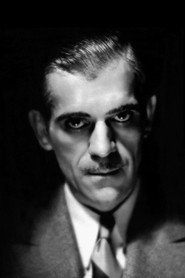 Boris KarloffProf. Morlant
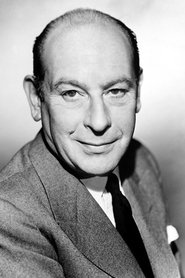 Cedric HardwickeBroughton
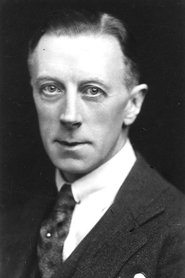 Ernest ThesigerLaing
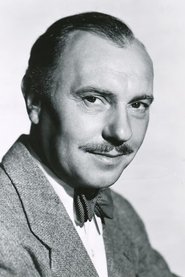 Ralph RichardsonNigel Hartley
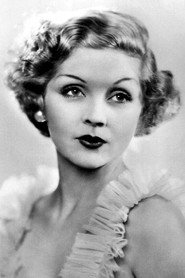 Dorothy HysonBetty Harlon
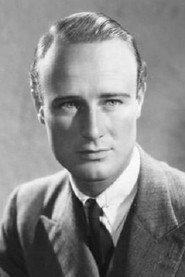 Anthony BushellRalph Morlant
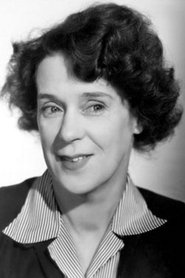 Kathleen HarrisonKaney
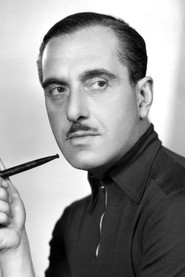 Harold HuthAga Ben Dragore
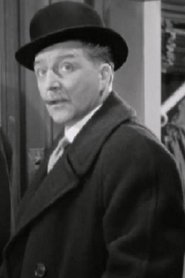 D.A. Clarke-SmithMahmoud
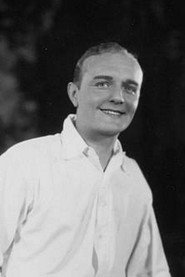 Jack RaineDavis the Chauffeur (uncredited)
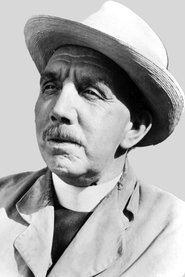 George RelphDoctor (uncredited)
Directing
- R. LyonsAssistant Director
- T. Hayes HunterDirector
Writing
- Rupert DowningAdaptation
- Frank KingTheatre Play
- Leonard HinesTheatre Play
- John Hastings TurnerWriter
- Roland PertweeWriter
Production
- Michael BalconProducer
- Geoffrey BoothbyUnit Manager