
Film
The Monster
Other titles called The Monster: the 2016 film.
A 1925 silent comedy-horror hybrid where a bumbling store clerk stumbles into a mystery involving a mad scientist and an abandoned asylum. Lon Chaney plays against type in a gleefully theatrical villain role, all exaggerated menace and camp. It's genuinely funny and genuinely creepy in equal measure—a film that treats horror and slapstick as natural neighbours. For anyone curious about how horror-comedy worked before it had a name.
If you liked this
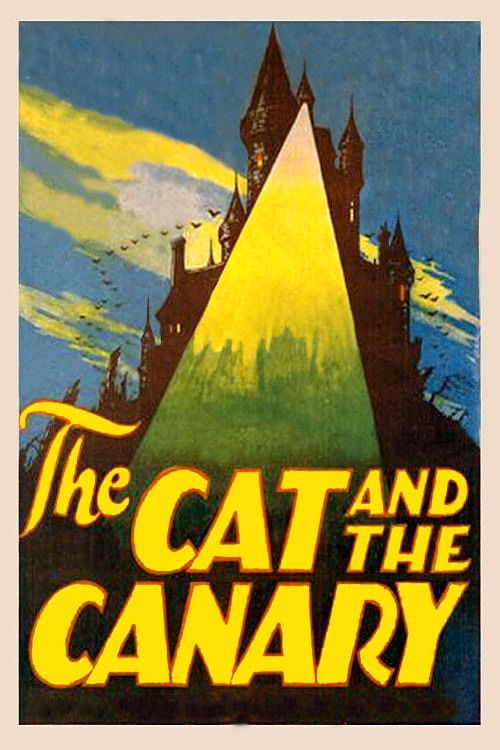
The Cat and the Canary1927
Another silent horror-comedy where spooky atmosphere and pratfalls coexist beautifully. Paul Leni directs with such visual wit that you forget to be scared—then a shadow crosses the screen and you're unsettled again. It's the blueprint Chaney was working from.
But The slapstick can feel broad by modern standards, and the pacing dips in the middle act. Silent comedy timing isn't automatic; it requires patience.
Nosferatu1922
The genuine dread here—Max Schreck's vampire is alien and wrong in ways that still unsettle. If you want to understand what scared audiences in 1922, or what Chaney was playing against in The Monster's cheerful grotesqueness, start here.
But It's slow, genuinely slow, and the intertitles can feel heavy. The eerie mood demands your full attention; it won't entertain you passively.

The Phantom Carriage1921
Victor Sjöström's masterpiece proves silent cinema could do genuine supernatural terror and profound melancholy at once. The technical wizardry—the double exposures, the composition—is breathtaking. It shares The Monster's genre-bending DNA but wielded with devastating effect.
But It's bleak and morally rigorous in ways comedies aren't. If you're hoping for lightness or catharsis, this will disappoint you.

Not sure tonight? Get a pick in a minute, starting from The Monster
The wildcard
Something you would not have found on your own.
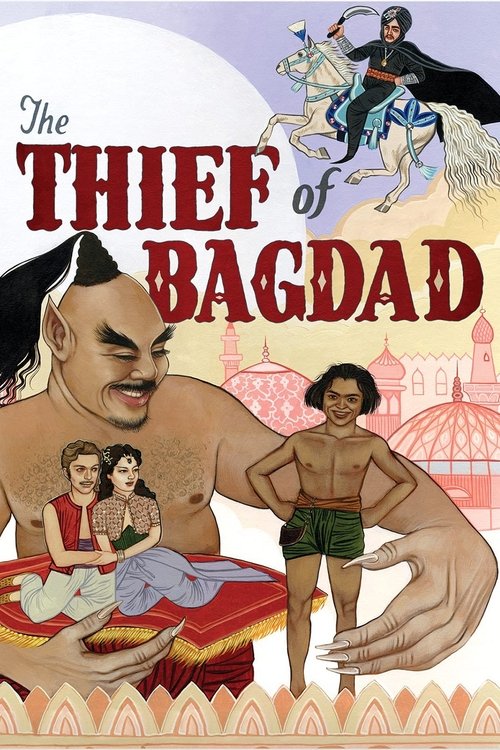
The Thief of Bagdad1940
Both use theatrical grotesquerie and advanced technical effects to make you simultaneously delighted and disquieted—the horror and wonder operate at the same frequency.
This isn't horror-comedy; it's pure fantasy spectacle from Michael Powell and Emeric Pressburger. But it shares The Monster's theatrical DNA—a mad scientist figure (the magician), creatures that are both ridiculous and genuinely unsettling, lavish production design weaponized for atmosphere. The technical ambition to create impossible things on screen.
But It's long, ornate, and the plot is almost incidental to the visual feast. If you want narrative momentum over painterly invention, you'll be frustrated.
More like this (8)
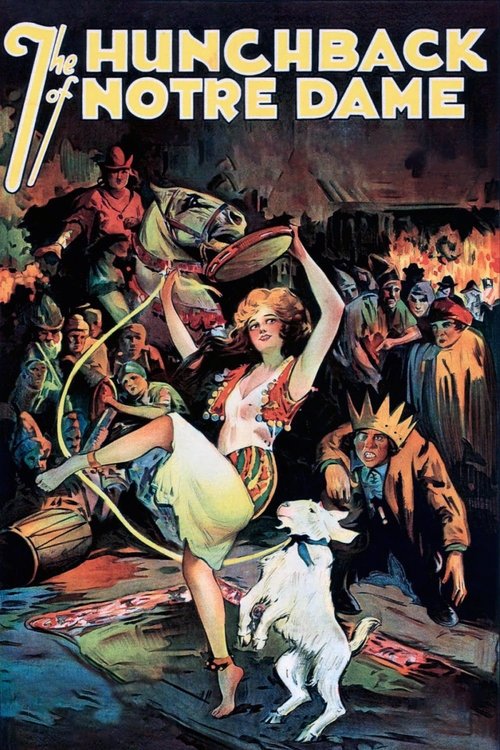
The Hunchback of Notre Dame1923
Lon Chaney in full theatrical glory, transforming himself into something almost inhuman. It's grand melodrama with real pathos beneath the spectacle. Chaney's commitment to physical transformation influenced everything he did after, including The Monster's theatrical grotesquerie.
But The emotional beats are laid on thick, and the romance plot feels obligatory. The spectacle can overshadow character for long stretches.
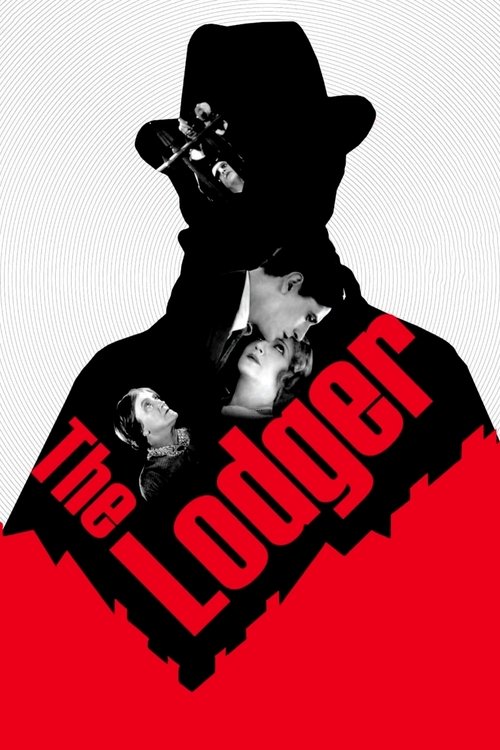
The Lodger: A Story of the London Fog1927
Hitchcock's first masterpiece: a thriller disguised as a suspense film, paranoia as the real monster. The visual storytelling is so precise you could watch it silent or with sound and lose nothing. It proves mystery and dread don't need comedy to grip.
But It's austere and distant. There's no warmth here, no comic relief. It can feel cold even when it's brilliant.
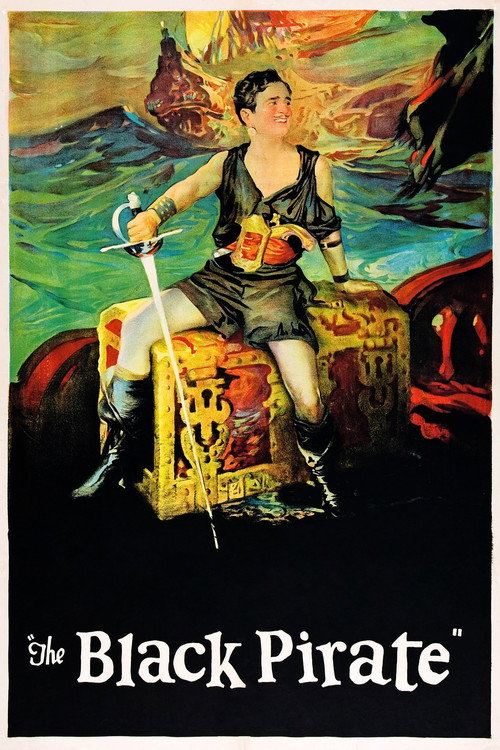
The Black Pirate1926
Douglas Fairbanks in early Technicolor—yes, really—doing impossible stunts and grinning through adventure. It's pure entertainment, no pretence, and the stunts were actually dangerous. The joy is contagious and completely unironic.
But It's thin on plot and thinner on character development. The spectacle is the entire point, which is fine until it becomes repetitive.
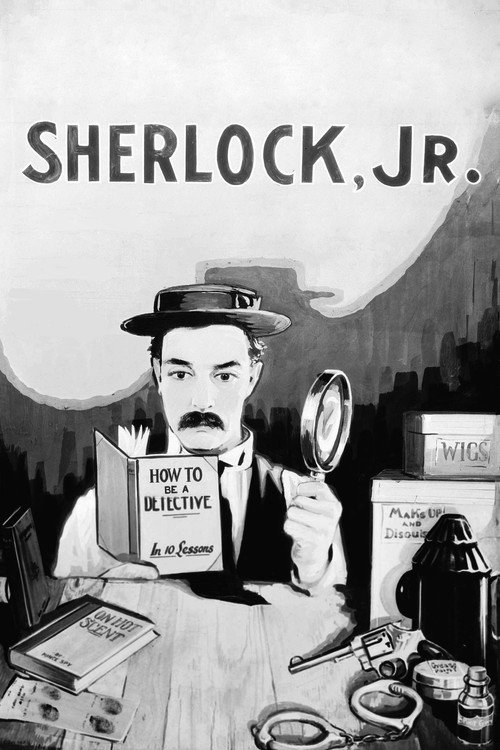
Sherlock Jr.1924
Buster Keaton at peak invention: a projectionist dreams himself into a film, and the gags are architectural marvels. Every sequence builds on the last. It's pure visual comedy, perfectly paced, endlessly rewatchable for the ingenuity alone.
But The surreal logic can be disorienting if you're not attuned to Keaton's rhythms. Some gags feel dated; others feel alien in ways that won't click.
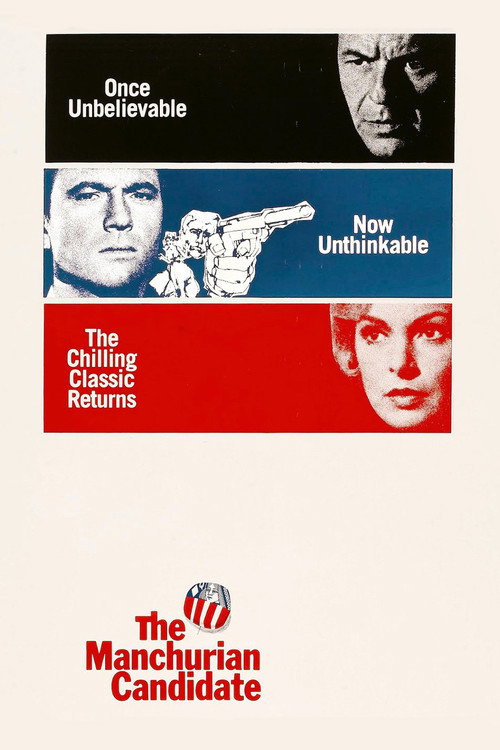
The Manchurian Candidate1962
Political conspiracy, dark comedy, genuine horror at what humans will do—all in one. Frank Sinatra's coolness against the film's spiralling paranoia creates brilliant tonal dissonance. It proves genre-blending can mean something morally serious.
But It's genuinely unpleasant in places, and the comedy can feel stomach-turning rather than fun. The 1950s production values feel dated without being charmingly retro.
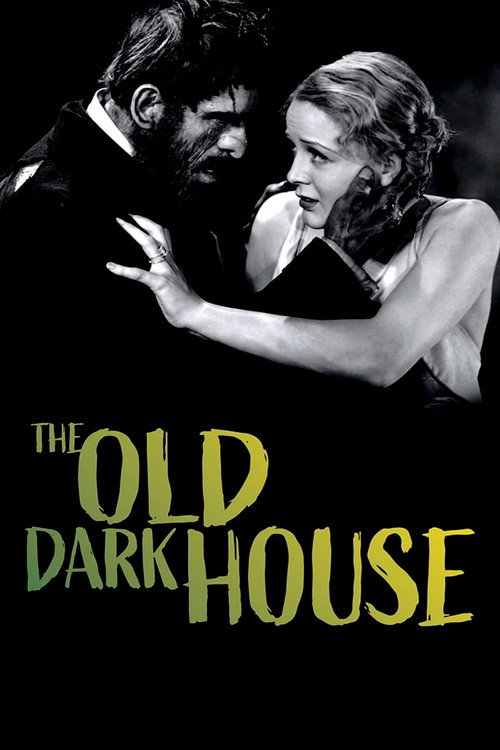
The Old Dark House1932
James Whale's horror-comedy about strangers trapped in a gothic mansion. It's got atmosphere, lunacy, and genuine creeps alongside the comedy. The ensemble is perfectly calibrated—everyone's playing a different genre, and somehow it works.
But The plot is thin, almost negligible. It's really just mood and character bits strung together, which works until it doesn't.
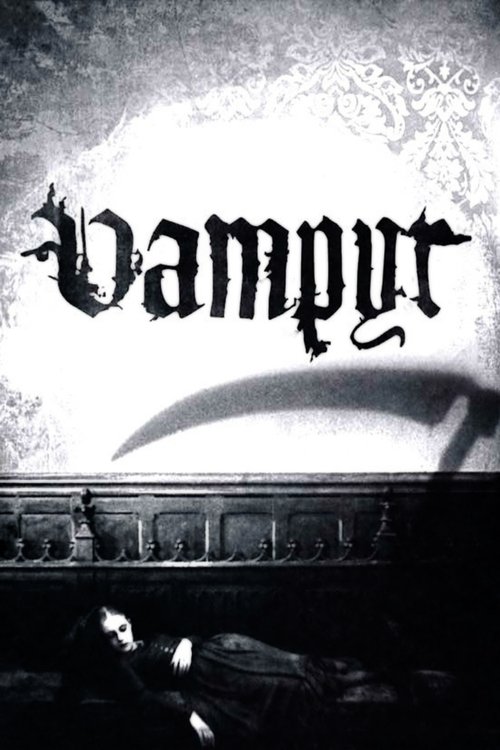
Vampyr1932
Both treat genre as a canvas for visual poetry rather than a checklist. Both trust atmosphere and image over explanation. Both feel like fever dreams.
Carl Theodor Dreyer's dreamlike vampire film feels less like narrative and more like something glimpsed while half-asleep. It's beautifully strange in ways that shouldn't work—the pacing is glacial, the logic dreamlike—yet it lodges in your mind. German Expressionism at its most ethereal and genuinely alien.
But There's barely a plot. The film moves at its own hypnotic pace, indifferent to conventional story beats. Patience is non-negotiable; reward is uncertain.
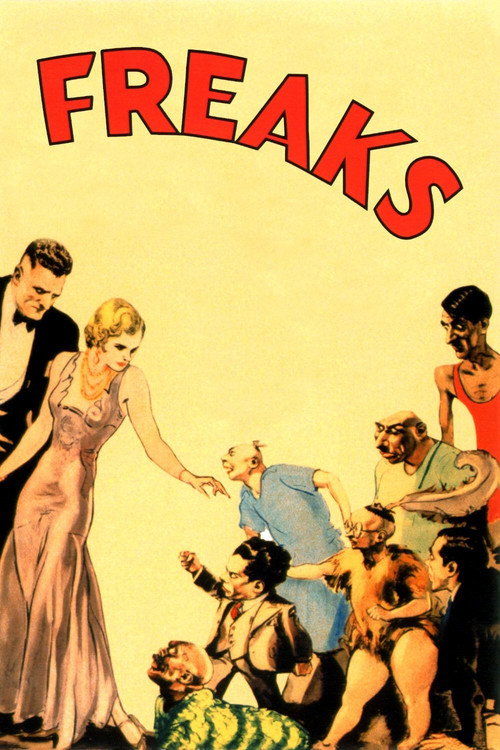
Freaks1932
Both Chaney and Browning understood that monstrosity—real or performed—could reveal something true about human nature. Chaney hides behind transformation; Freaks refuses to let you hide from transformation's reality.
Tod Browning's transgressive masterpiece: a revenge tragedy using actual circus performers with disabilities and differences. It's deeply human, genuinely disturbing in the right ways, and structurally brilliant. Chaney's theatrical monstrosity becomes sacred and ordinary here—the real horror is cruelty, not difference.
But It's genuinely upsetting in ways modern films avoid. The climax is visceral and cruel. Some viewers find it exploitative despite its actual empathy; your discomfort might not resolve.
People
Cast
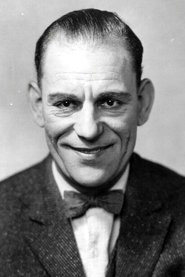 Lon ChaneyDr. Ziska
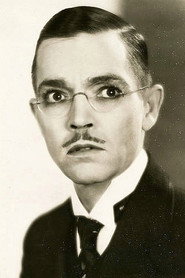 Johnny ArthurJohnny Goodlittle
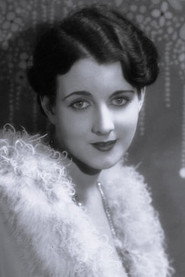 Gertrude OlmsteadBetty Watson
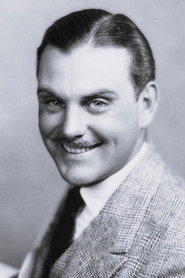 Hallam CooleyAmos Rugg
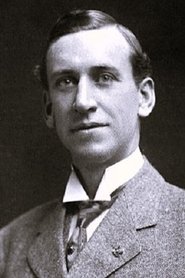 Charles SellonRuss Mason
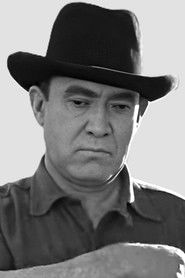 Walter JamesCaliban
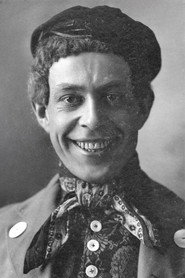 Knute EricksonDaffy Dan
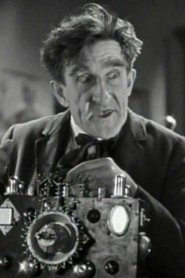 Frank AustinRigo
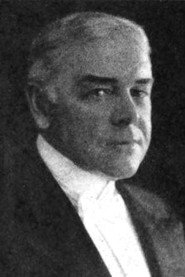 Edward McWadeLuke Watson
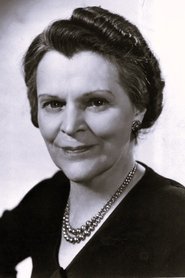 Ethel WalesMrs. Watson
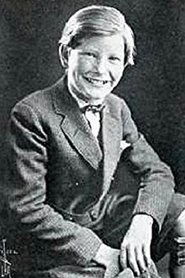 Elmo BillingsFreckle Faced Kid (uncredited)
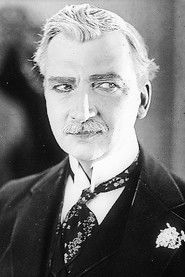 Herbert PriorDr. Edwards (uncredited)
Directing
- Roland WestDirector
Writing
- Roland WestAdaptation
- Crane WilburTheatre Play
- Albert KenyonWriter
- Willard MackWriter
Production
- W.L. HeywoodProduction Manager