
Film
The Rogues' Tavern
A 1936 murder-mystery thriller set in an isolated hotel during a stormy night. A killer stalks the guests while suspicion ricochets between characters. It's a brisk, atmospheric B-picture with the tactile dread of early Hollywood—creaky floorboards, shadow-filled corridors, mounting paranoia. For fans of pre-war horror who relish period charm alongside genuine tension.
If you liked this
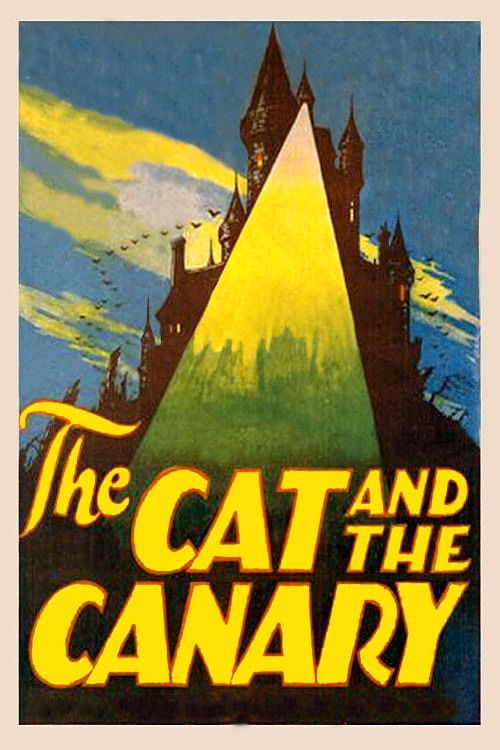
The Cat and the Canary1927
The blueprint for isolated-house murder mysteries: a will, strange noises, heirs gathering in a creepy mansion. Lon Chaney's presence elevates the scares, and the silent medium makes every shadow count.
But Silent films move differently than you expect, and the pacing can feel glacial if you're used to modern thrillers.
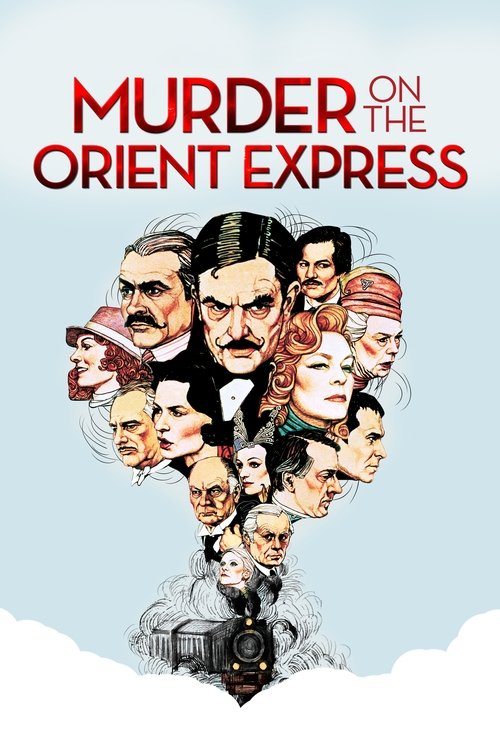
Murder on the Orient Express1974
Agatha Christie's locked-room masterpiece with an all-star cast and Ridley Scott's meticulous direction. The mystery unfolds with surgical precision; every clue matters and lands.
But At nearly two hours and heavy on exposition, it can feel stagebound and slow if you need constant action.
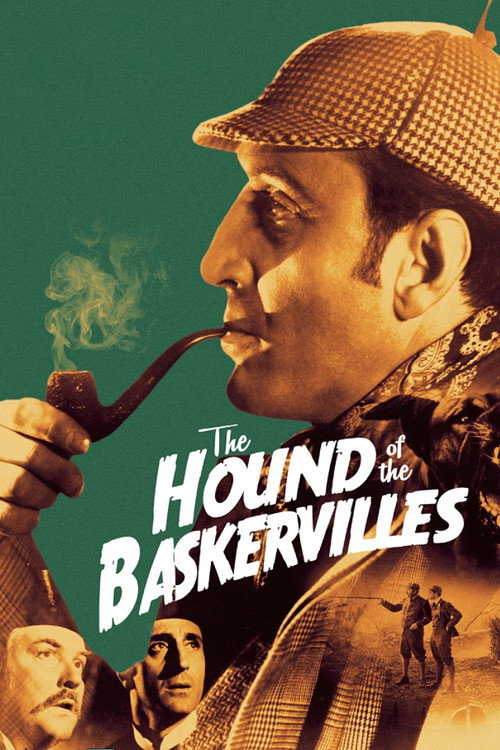
The Hound of the Baskervilles1939
Basil Rathbone as Holmes, Gothic atmosphere, a genuinely eerie moor, and a supernatural mystery that works as thriller and detective story both. Handsomely shot and paced to keep you guessing.
But Rathbone's theatrical delivery and the leisurely middle act might feel overwrought if you prefer modern-style economy.
Not sure tonight? Get a pick in a minute, starting from The Rogues' Tavern
The wildcard
Something you would not have found on your own.
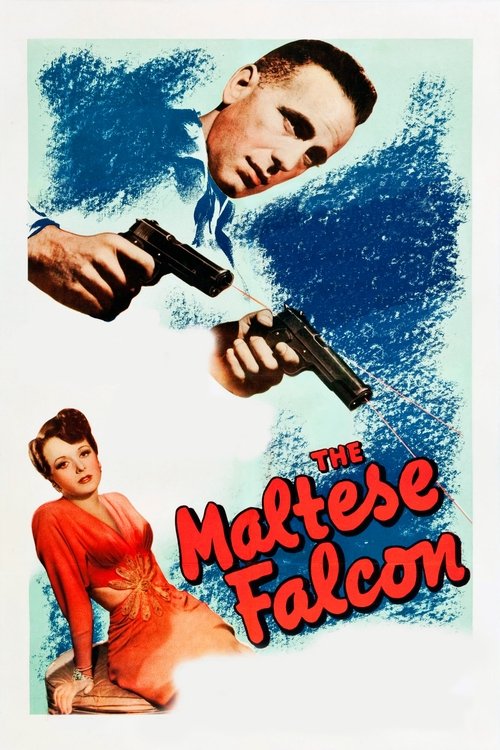
The Maltese Falcon1941
Both are genre exercises from Hollywood's studio era that use an ensemble cast in close quarters to build suspense through character collision rather than spectacle. Both trust the audience to follow several threads at once.
Same year-adjacent era, same B-picture energy, but the alchemy is complete: Huston's direction and Bogart's star power transform a complex plot and morally compromised characters into something approaching perfect.
But It's hardboiled and cynical rather than scared—if you want creeping dread over witty menace, this won't scratch that itch.
More like this (8)
Rope1948
Hitchcock's real-time thriller set almost entirely in one apartment. The mounting tension as two murderers host a dinner party is exquisite—your certainty and theirs diverge in real time, and it never lets go.
But The staginess and limited setting will feel claustrophobic if you need visual variety or don't click with the characters' cruelty.

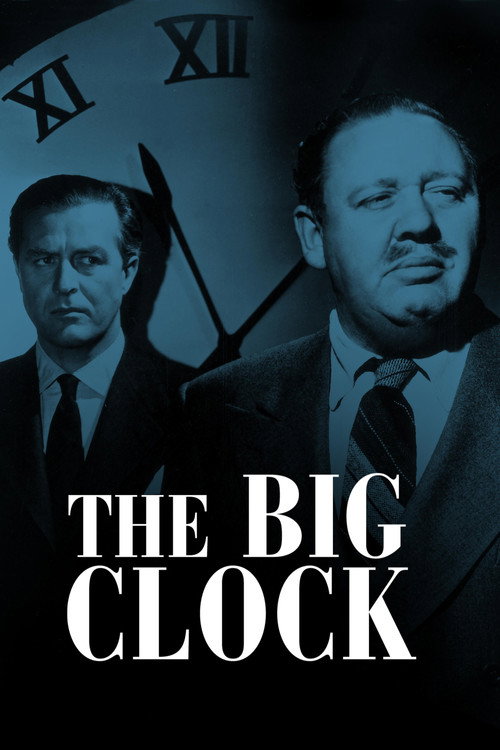
The Big Clock1948
A wrongly-accused man must solve a murder to clear himself—a race against a literal clock ticking in an office tower. It's smart, sardonic, and propulsive, with Elisha Cook Jr. delivering one of cinema's great panicked performances.
But The plot hinges on contrivances that only work if you're bought into the film's logic; strain on that suspension breaks everything.
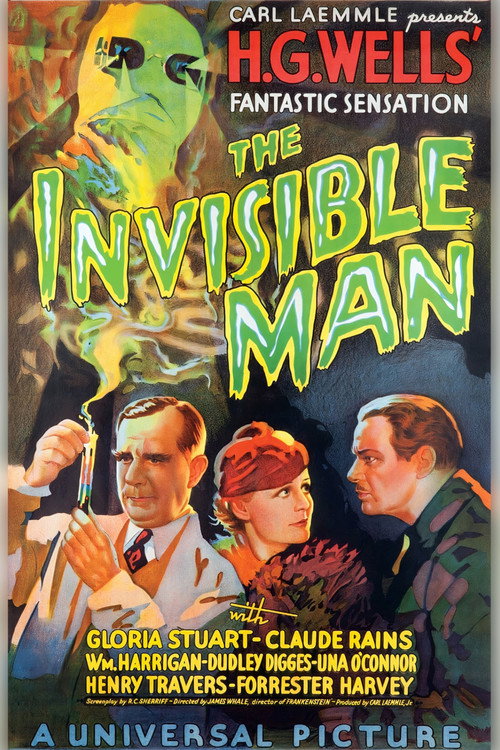
The Invisible Man1933
Universal's mad-scientist horror with genuine ambition: the special effects are remarkable for the era, and Claude Rains' performance as an unseen killer is chilling. It's both spectacle and character study.
But Long stretches are exposition-heavy, and the invisibility gimmick feels repetitive if the plot isn't engaging you.
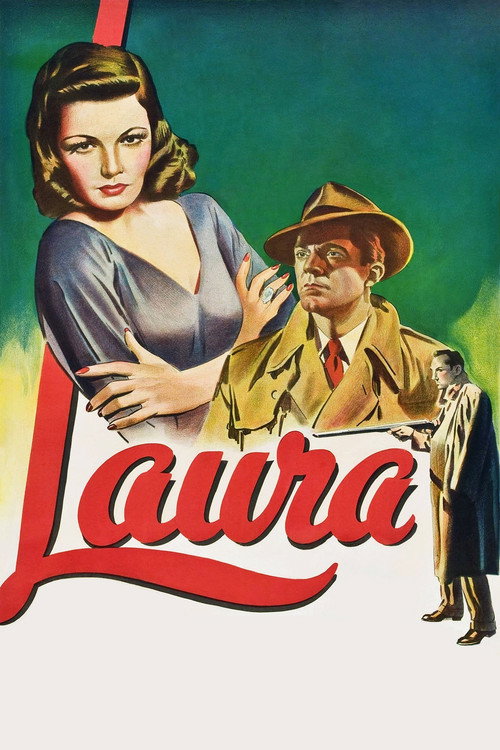
Laura1944
A murder mystery wrapped in film noir: a detective falls for a dead woman's portrait while investigating her killing. Stylish, romantic, cleverly constructed, and Otto Preminger brings genuine psychological depth to the whodunit.
But If you're accustomed to plot-driven thrillers, the mood and character introspection might feel like stalling.
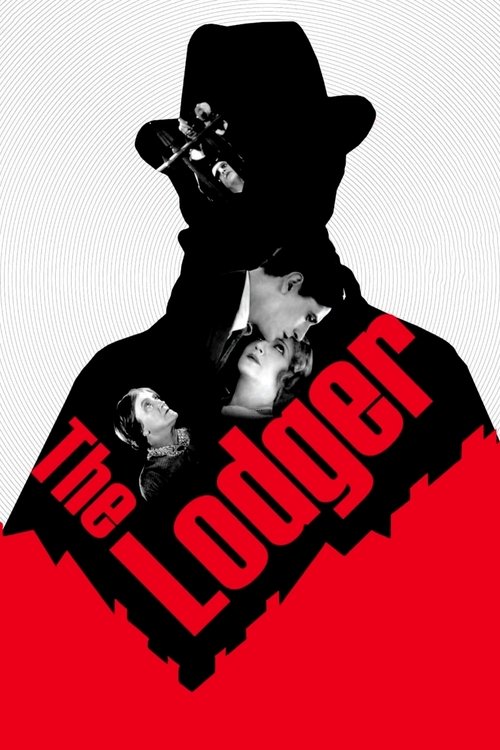
The Lodger: A Story of the London Fog1927
Hitchcock's debut: a rooming house, a serial killer loose in London, and a lodger under suspicion. It's visually inventive, morally slippery, and has the nervous energy of a director finding his voice.
But Silent film conventions and Expressionist stylization won't appeal if you want straightforward storytelling or naturalistic acting.
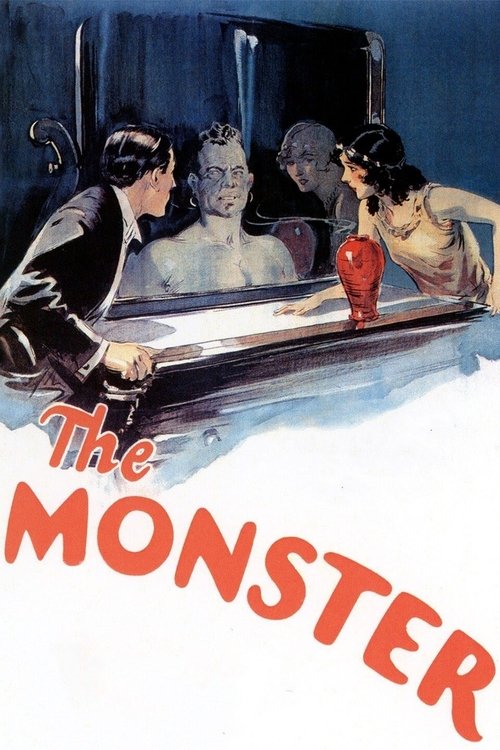
The Monster1925
A mad doctor, an insane asylum, and stranded travelers—it's an early template for the isolated-group-in-peril film. Lon Chaney is memorably grotesque, and the practical effects are grotesque in all the right ways.
But The pacing and plot logic strain by modern standards, and it's more curiosity about horror's origins than a tight thriller.
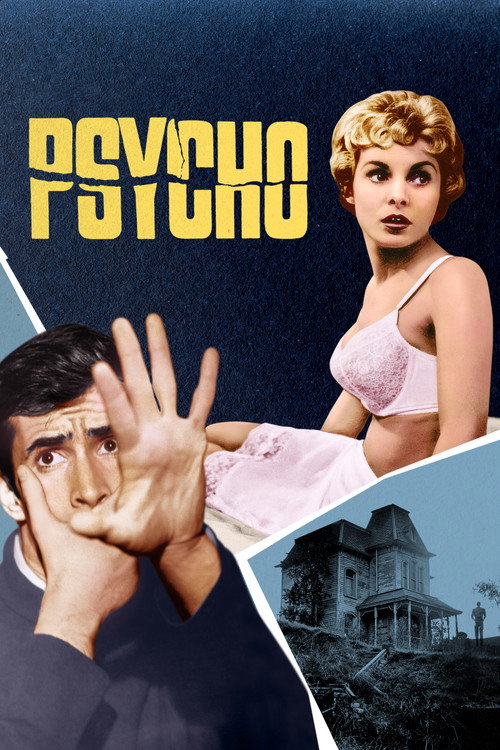
Psycho1960
Both begin with a deceptively normal premise—a guest arrives somewhere—and methodically explain why everyone here is in danger. Both use the confined setting to trap you with unstable people.
Hitchcock took the isolated-lodging-and-murder idea and made it mythological. Janet Leigh's vulnerability, Perkins' uncanny charm, the austere black-and-white, and that shower—it redefined what a thriller could do.
But If you already know the twist, or if graphic violence disturbs you more than psychological horror, you'll feel the film's scaffolding rather than its power.
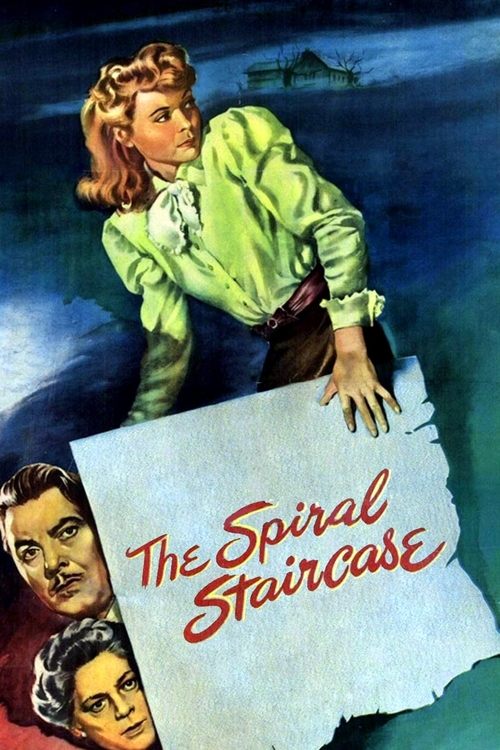
The Spiral Staircase1946
Both are short, potent films where a killer hunts trapped guests in a claustrophobic setting. Both hinge on atmosphere and practical scares rather than explanation, leaving menace unsolved.
A mute woman, a killer in the house, shadows and storm—gothic suspense with Ethel Barrymore's presence lending weight. It's painterly, cruel, and doesn't use dialogue as a crutch, trusting silent acting and sound design.
But The central premise (preying on vulnerability) is bleak, and the film doesn't lighten the mood for comfort or resolution's sake.
People
Cast
 Wallace FordJimmy Kelly
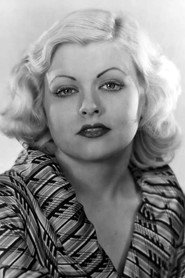 Barbara PepperMarjorie Burns
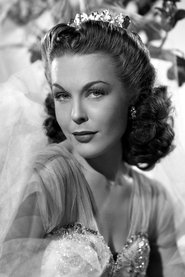 Joan WoodburyGloria Robloff
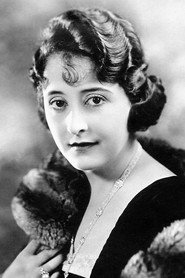 Clara Kimball YoungMrs. Jamison
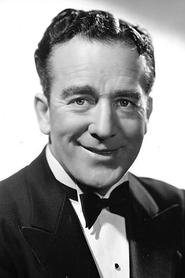 Jack MulhallBill
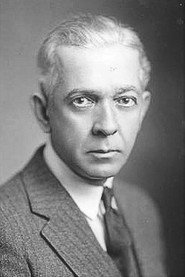 John ElliottMr. Jamison
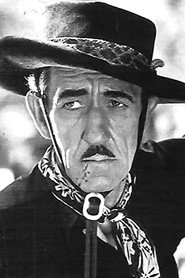 Earl DwireMorgan
- John CowellHughes
- Vincent DennisBert
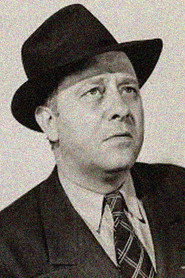 Arthur LoftWentworth
- Ivo HendersonHarrison
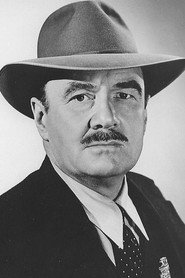 Ed CassidyMason