
Film
The Gorilla
Other titles called The Gorilla: the 1927 film, the 1939 film.
A 1930 mystery-comedy where murders in a gothic mansion are blamed on an escaped gorilla. It's a genre-bending romp that mixes genuine suspense with slapstick pratfalls and wisecracks, finding absurdist humour in the collision between high-society panic and low-comedy chaos. Perfect for anyone who loves old Hollywood's willingness to throw everything at the wall.
If you liked this
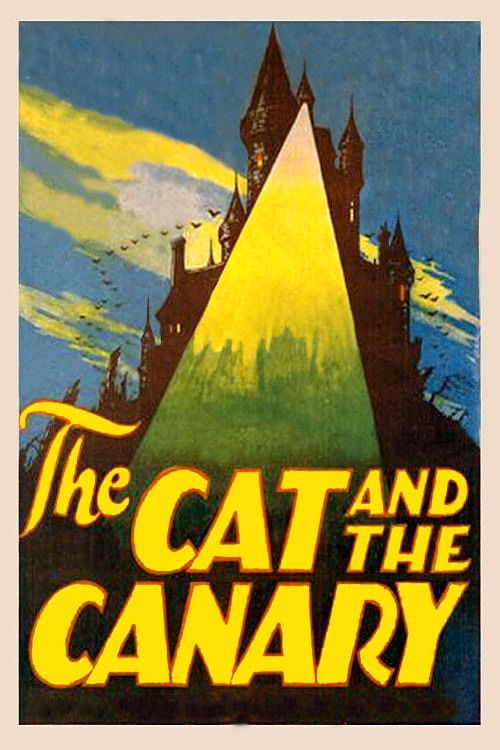
The Cat and the Canary1927
The prototype for the haunted-house mystery-comedy: family gathers, strange deaths mount, everyone suspects everyone. Laura La Plante anchors the lunacy with actual charm, and the suspense genuinely lands between the laughs.
But Silent film pacing feels glacial by modern standards, and some of the comedy is desperately dated. The genre wouldn't exist without it, but watching it now requires patience.
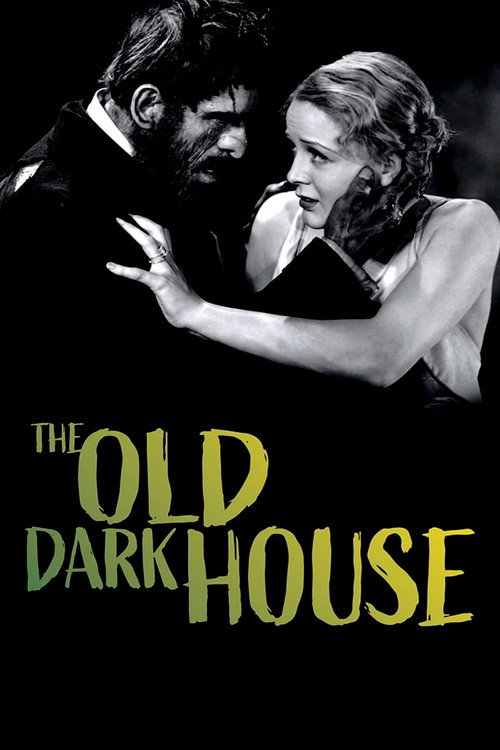
The Old Dark House1932
Universal's masterpiece of the form: a manor full of grotesques, real dread lurking under the absurdity, and James Whale directing like he's having the time of his life. Boris Karloff barely speaks and steals every scene he's in.
But It's genuinely unsettling in places—the household is deeply strange—and the tonal whiplash isn't always comfortable. If you want cosy mystery, this will unsettle you.
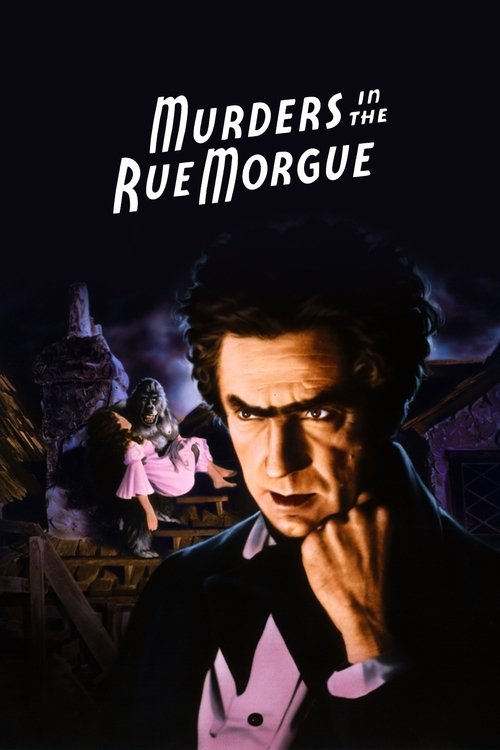
Murders in the Rue Morgue1932
Lon Chaney Jr. as an ape-man in Universal's adaptation of Poe: atmospheric, gothic, with genuine body horror for 1932. The city-set mystery has real stakes and the creature effects are genuinely creepy.
But It's slower and darker than you might expect from Universal monster fare. The print quality is variable, and some scenes drag. This is serious horror wearing a mystery mask.
Not sure tonight? Get a pick in a minute, starting from The Gorilla
The wildcard
Something you would not have found on your own.
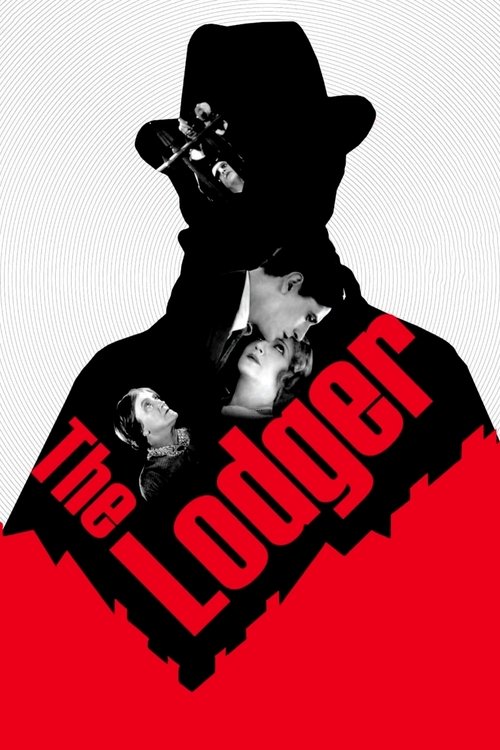
The Lodger: A Story of the London Fog1927
Both films use the gothic mansion and the stranger within it as a crucible for class anxiety and mistaken identity—who is the real monster, the outsider or the society that fears him?
Hitchcock's silent debut: a landlady suspects her mysterious tenant is a serial killer stalking the city. It's psychological suspense at the genre's birth—paranoia, class anxiety, and visual storytelling so assured it makes dialogue seem unnecessary.
But It's silent and slow by design. If you need plot to drive tension, you'll find yourself restless. The ambiguity irritates people who want certainty.
More like this (8)
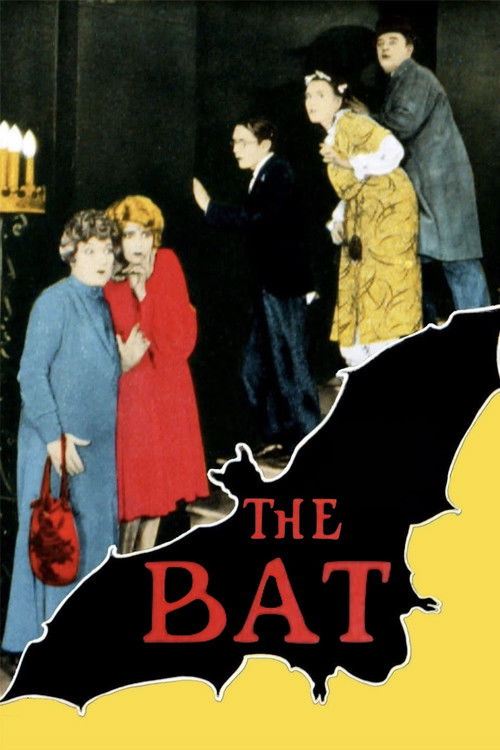
The Bat1926
A masked killer called The Bat terrorizes a mansion in this proto-slasher mystery. It's clever plotting, strong suspense, and genuinely funny supporting characters. The influence on later horror-comedies is immense.
But Some of the 'humour' relies on dated racial caricatures in minor roles. Silent film and twenty minutes feels long when nothing happens.
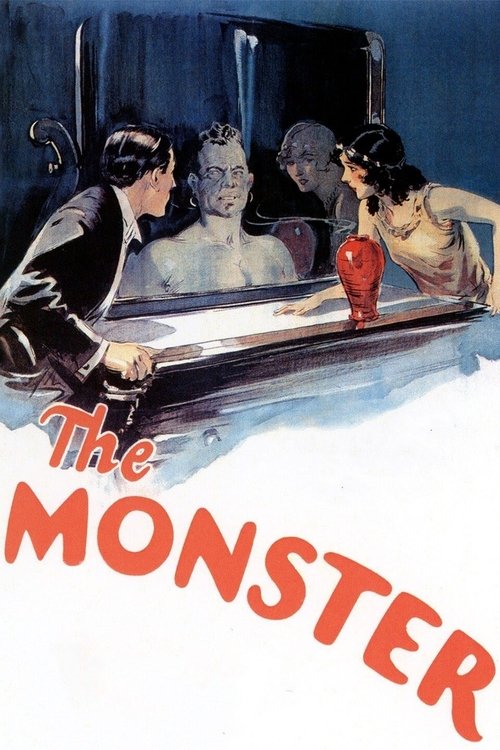
The Monster1925
Lon Chaney as a mad scientist creating monsters in his sanitarium. It's Grand Guignol mixed with slapstick, surprisingly transgressive for the era, and utterly committed to being weird and unsettling.
But The plot meanders. It's more a collection of grotesque set pieces than a coherent story, and the pacing can feel aimless.
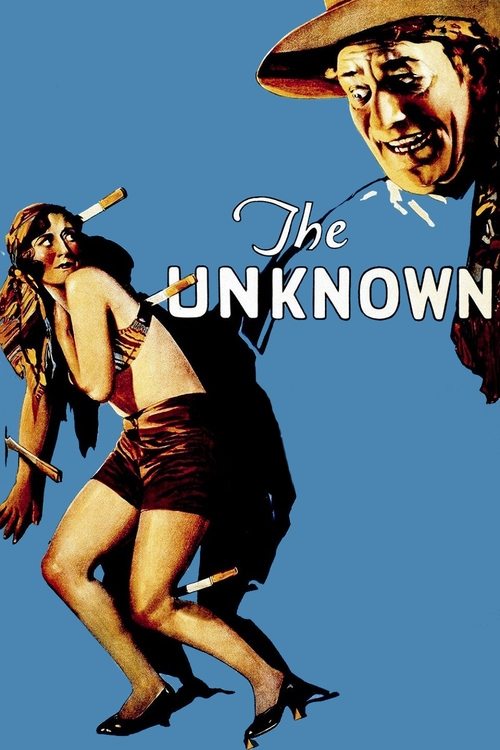
The Unknown1927
Lon Chaney in a carnival setting, playing a criminal posing as an armless knife-thrower. It's darkly erotic, psychologically twisted, and visually inventive. Browning's direction is assured and eerie.
But The sexual dynamics are uncomfortable by design, which some viewers find more distasteful than thrilling. It's not a fun romp; it's genuinely unsettling.
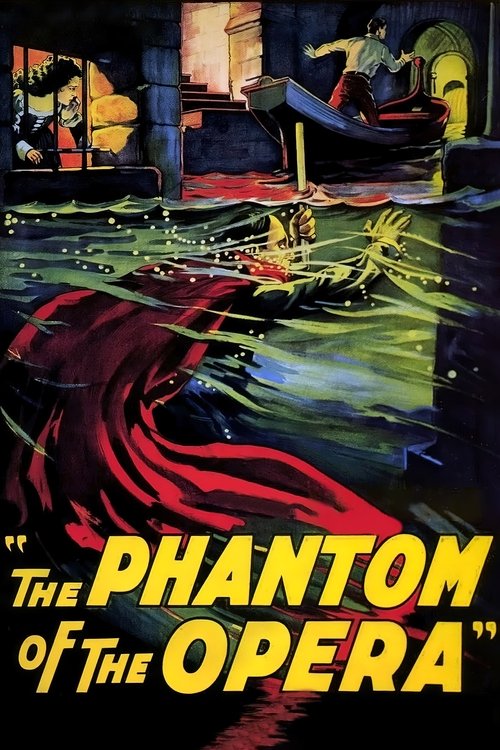
The Phantom of the Opera1925
Lon Chaney's unmasking scene is still breathtaking. The production design is lavish, the masked ball is spectacle, and the tragedy at the heart actually lands. Gothic romance done right.
But It's a melodrama first, not a thriller. If you're expecting horror, you'll find yearning and heartbreak instead. The pacing is deliberate.
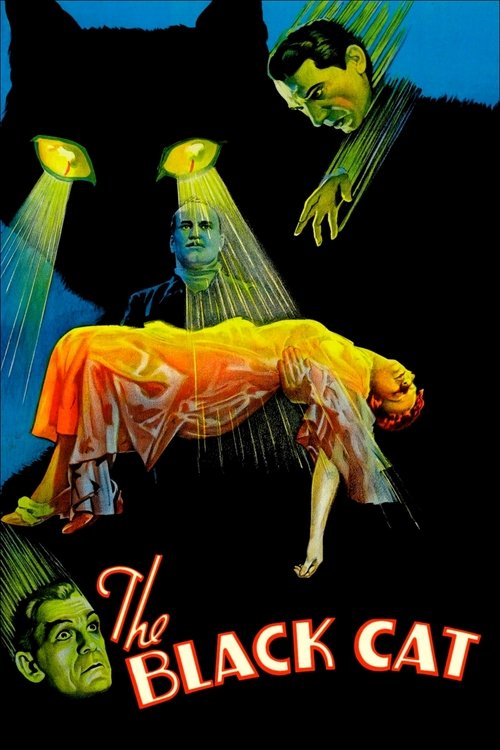
The Black Cat1934
Lugosi and Karloff in a Modernist nightmare, adapted loosely from Poe. Deco production design, genuine sexual menace, and two legends playing a game of supernatural chess. Darkly sophisticated.
But The plot barely exists; it's really a succession of unsettling images and psychological games. If you need story, this will frustrate you.
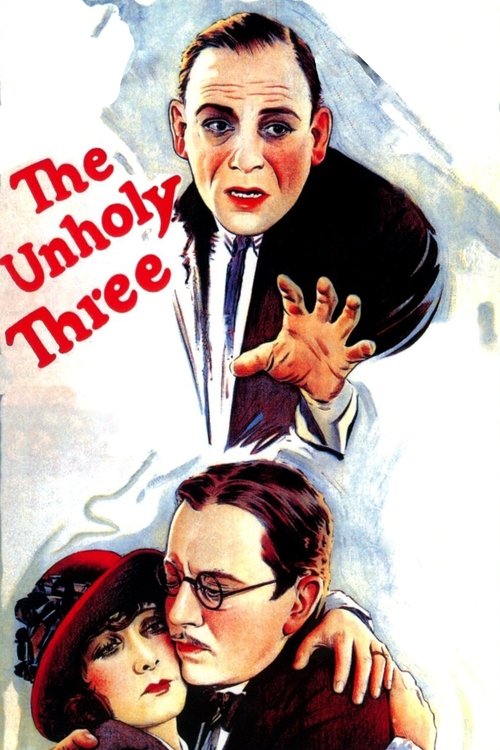
The Unholy Three1925
Lon Chaney in triple disguise, leading a gang of criminals. It's clever, surprising, and Chaney's chameleonic gift is on full display. A heist film wearing mystery clothes.
But The moral framework is muddled. The ending arrives abruptly, and some viewers find the whole thing morally confused rather than cleverly ambiguous.
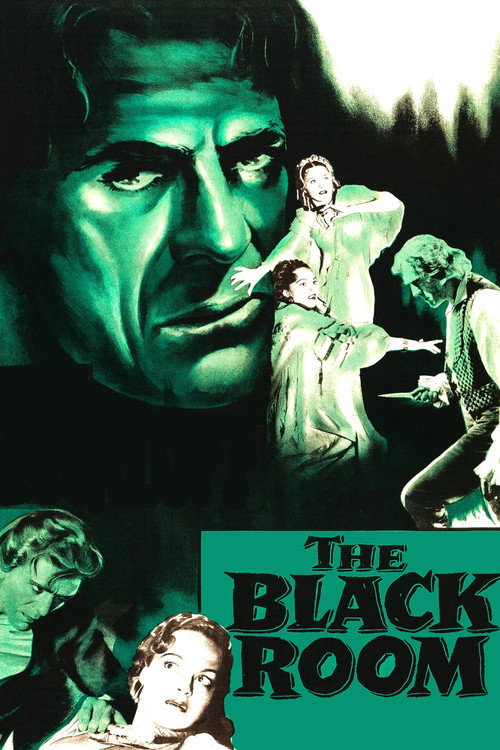
The Black Room1935
Both use the old house as a character itself—a space where past sins demand payment and the living are haunted by the building's history as much as by any ghost or creature.
Boris Karloff in a dual role as evil and good twins, separated by a cursed room in a castle. Gothic expressionist melodrama that understands how atmosphere and legacy can poison a place. Genuinely atmospheric and surprisingly erotic.
But It's a period piece with a static set, and it relies entirely on Karloff's performance to distinguish the twins. If that doesn't work for you, you're stuck watching the same actor in a room.
The Phantom Carriage1921
Where The Gorilla mixes horror with laughs, this shows what the horror-mystery looks like when you strip away the comedy entirely—same Gothic DNA, but used to make you feel the weight of mortality rather than giggle at the chaos.
A Swedish ghost story: a tramway driver dies and is forced to ride a spectral carriage collecting the dead. It's genuinely eerie, philosophically serious about death and redemption, with effects that still hold power. A masterpiece of supernatural cinema.
But It's long, deliberately paced, and deeply melancholic. There's no comedy, no relief—just accumulating dread and an almost unbearable examination of wasted life. Not escapist fun.

People
Cast
 Joe FriscoGarrity
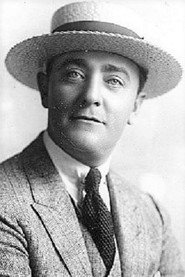 Harry GribbonMulligan
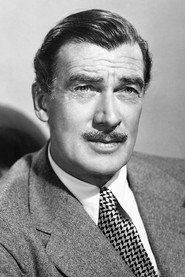 Walter PidgeonArthur Marsden
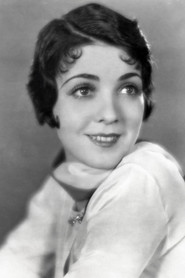 Lila LeeAlice Denby
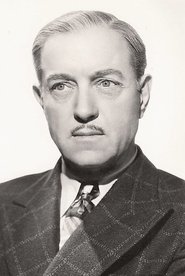 Purnell PrattThe Stranger
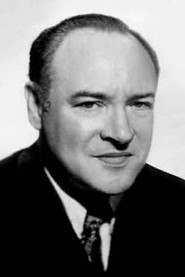 Edwin MaxwellCyrus Stevens
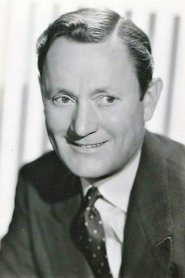 Roscoe KarnsSimmons
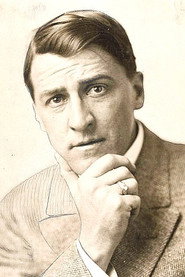 Landers StevensInspector
Directing
- Bryan FoyDirector
Writing
- B. Harrison OrkowAdaptation
- Herman RubyAdaptation
- Ralph SpenceScreenplay
- Ralph SpenceTheatre Play