
Film
The Unholy Three
A 1925 silent crime thriller where three circus misfits—a ventriloquist, a midget, and a strongman—team up to pull heists. Lon Chaney's chameleonic performance anchors this inventive, darkly comic caper with genuine suspense and unexpected tenderness. Essential silent cinema: technically daring, morally murky, endlessly watchable.
If you liked this
The Lodger: A Story of the London Fog1927
German Expressionist masterpiece about a landlady who fears her mysterious tenant is a serial killer. Alfred Hitchcock's directorial debut, bristling with visual innovation and psychological dread that predates his Hollywood fame.
But Silent film pacing feels slow if you're accustomed to modern thrillers, and the plot twists may feel familiar now because they've been copied endlessly.

Nosferatu1922
F.W. Murnau's unauthorized Dracula adaptation is pure atmosphere: shadows, dread, and Count Orlok's skeletal silhouette have lost none of their power. A foundational horror film that still feels genuinely unsettling.
But The pacing is deliberate and hypnotic rather than propulsive; some find it more eerie than entertaining, and the misogyny of the era is baked in.

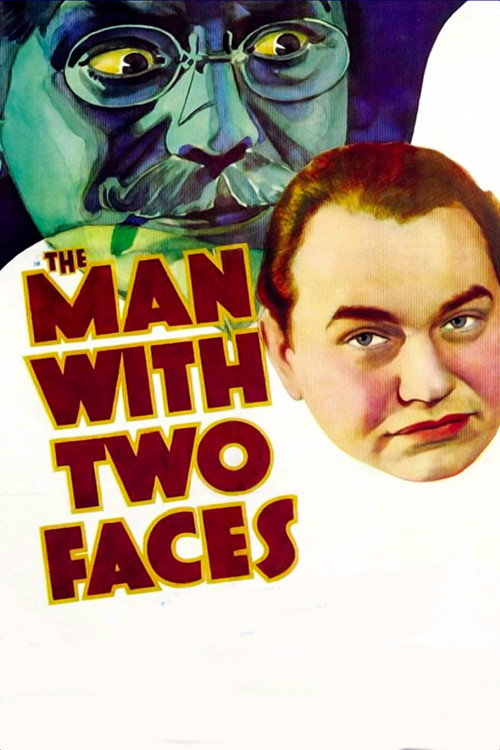
The Man with Two Faces1934
Edward G. Robinson plays twins—one mild, one murderous—in this cracking crime melodrama. Wickedly entertaining, with genuine suspense and a performance that rewards close watching. Chaney's spiritual successor.
But Once you spot the twist setup, the pleasure becomes watching the mechanics rather than being surprised. Pacing slackens in the middle act.
Not sure tonight? Get a pick in a minute, starting from The Unholy Three
The wildcard
Something you would not have found on your own.
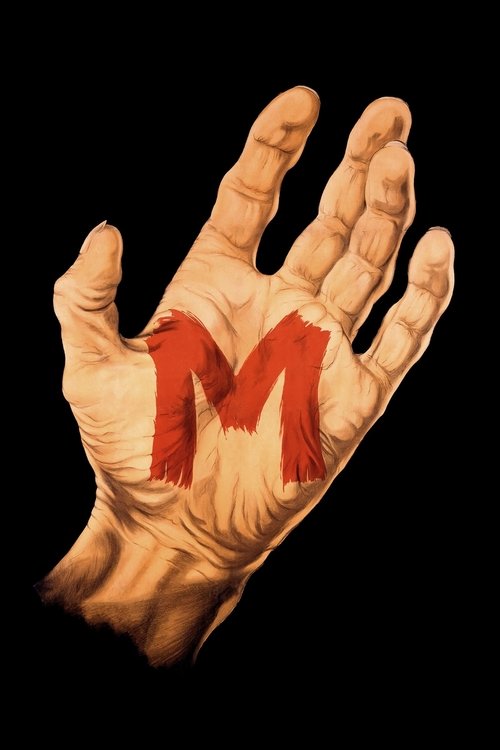
M1931
Like The Unholy Three, it finds humanity in criminals and questions whether society's outsiders are villains or victims. Both use ensemble casts of morally compromised characters, and both suggest that the law and the underworld operate by similar logic.
Fritz Lang's German masterpiece about the hunt for a child murderer, told from the perspective of both police and Berlin's underworld. Expressionist visuals, moral complexity, and a finale that interrogates justice itself.
But It's a dark meditation on evil and social collapse, not entertainment. The subject matter is harrowing, and the film refuses easy answers or comfort.
More like this (8)
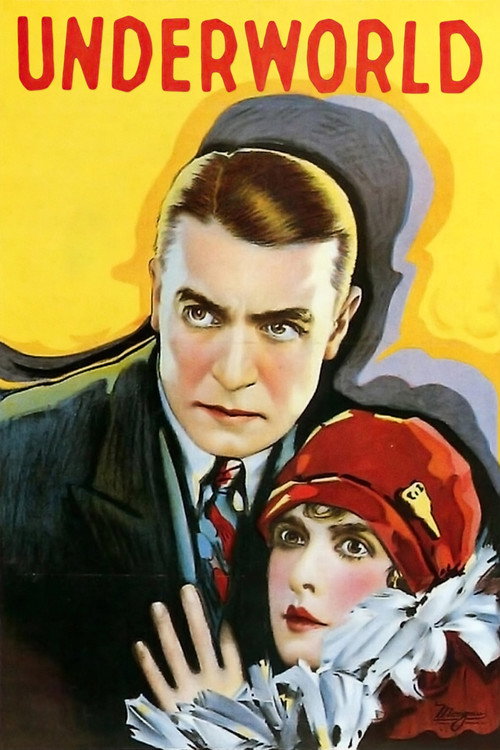
Underworld1927
Josef von Sternberg's invention of the gangster film: a stylish, cynical, visually sumptuous story of Chicago criminals. Influenced everything that followed. Georg Bancroft as a brutal kingpin is unforgettable.
But The moral universe is bleak and the female characters exist mainly as plot devices. Some find it dated despite its historical importance.
The Killing1956
Kubrick's racetrack heist film deconstructs the caper genre with fractured chronology and deadpan violence. Small-time crooks, big ambitions, cosmic indifference: the DNA of every crime film that follows.
But The fractured timeline can feel gimmicky on first viewing, and the resolution arrives abruptly, which some experience as unsatisfying rather than darkly ironic.

In a Lonely Place1950
Ray's savage Hollywood noir: Humphrey Bogart as a volatile screenwriter falsely accused of murder. Explores jealousy, paranoia, and the corrosive effect of suspicion on love. Bogart's finest dramatic work.
But Bogart's character is genuinely unlikeable, which can make the film emotionally taxing. The ending refuses catharsis; some want him redeemed.

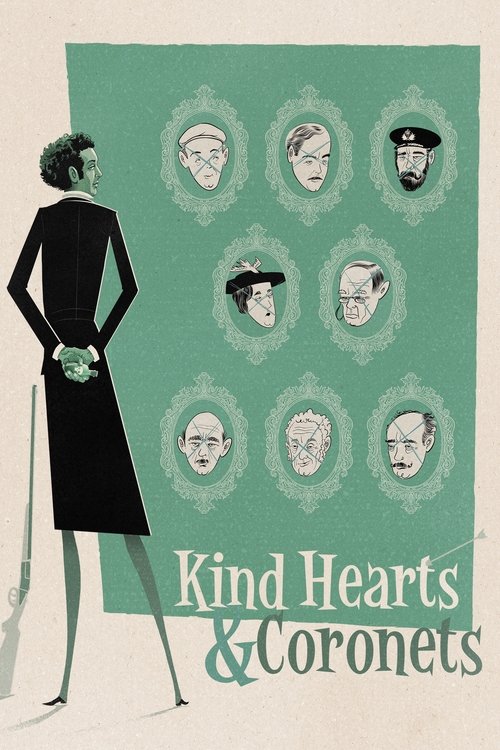
Kind Hearts and Coronets1949
Alec Guinness plays eight aristocratic relatives (all members of the same family) that Dennis Price systematically murders for an inheritance. Wickedly funny, structurally audacious, and perfectly paced.
But The premise—cheerful murder for social advancement—won't land if you need characters to be sympathetic. The satire assumes familiarity with British class systems.
Rope1948
Hitchcock's locked-room thriller shot as one continuous take (nearly): two sophisticated killers host a dinner party hours after their crime. Claustrophobic, talky, wickedly tense. Pure craft on display.
But The extended single-take approach can feel theatrical rather than cinematic. If you need physical action to stay engaged, the conversation-based tension may frustrate you.

The Asphalt Jungle1950
John Huston's heist-film template: ensemble of specialists, meticulous planning, character depth. Sterling Hayden, Sam Jaffe, and a young Marilyn Monroe in smaller role. The blueprint for everything after.
But The plotting is intricate but can feel procedural rather than gripping. The misogyny is pronounced and uncomfortable by modern standards.

The Phantom Carriage1921
Both pit broken, desperate people against fate and social circumstance. Both use genre convention (caper, ghost story) to explore whether redemption is possible for the excluded and the damned.
Swedish masterpiece about a drunken cabbie who encounters the titular carriage on New Year's Eve—a ghost story that becomes an examination of redemption and second chances. Victor Sjöström's performance is transcendent; the visual effects are still stunning.
But It's a supernatural melodrama with a sentimental moral center; if you watch silent film for crime and grit, the spiritual redemption angle will feel saccharine.

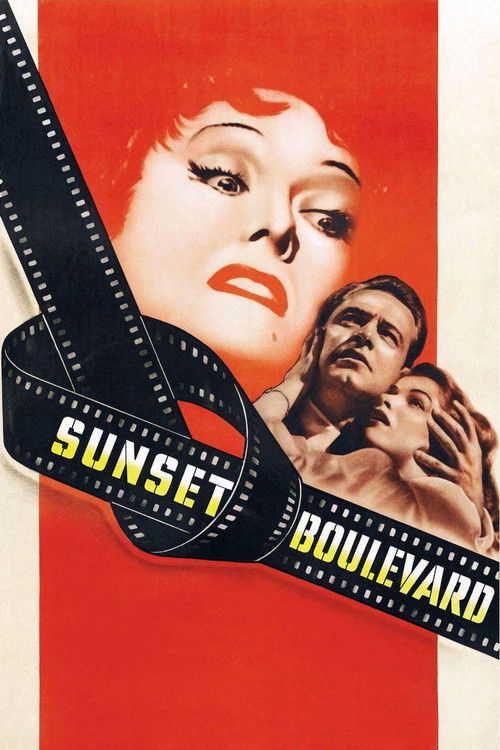
Sunset Boulevard1950
Both are about people existing on the margins of respectability who adopt disguises (literal and psychological) to survive. Both feature Lon Chaney-era preoccupation with transformation and the masks we wear. Both ask who the real criminals are.
Billy Wilder's Hollywood noir about a failed screenwriter entangled with a delusional silent-film star. Narrated by a corpse. Gloria Swanson's Norma Desmond is cinema's greatest tragic monster. Exquisite, cruel, unforgettable.
But It's a withering attack on Hollywood vanity that only works if you care about Old Hollywood; modern audiences sometimes find it dated. The tone is misanthropic.
People
Cast
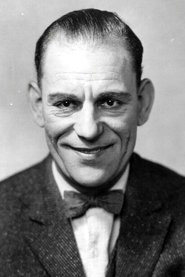 Lon ChaneyProfessor Echo / Granny O'Grady
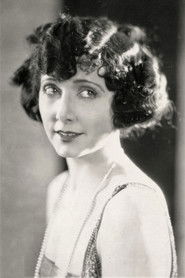 Mae BuschRosie O'Grady
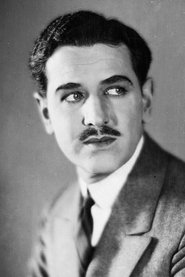 Matt MooreHector McDonald
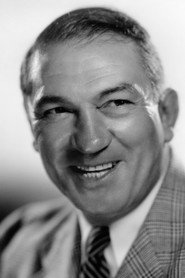 Victor McLaglenHercules
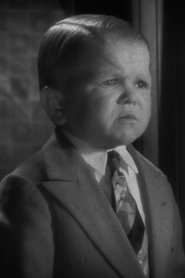 Harry EarlesTweedledee aka Little Willie
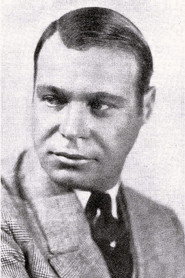 Matthew BetzDetective Regan
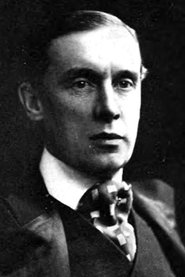 Edward ConnellyJudge
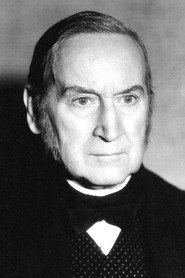 William HumphreyAttorney for Defense
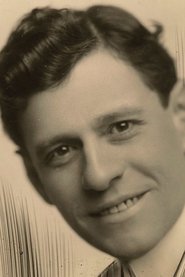 E. Alyn WarrenProsecuting Attorney
- Margie AngusTwin (uncredited)
- Mary AngusTwin (uncredited)
- Walter P. ColeHuman Skeleton (uncredited)
Directing
- Tod BrowningDirector
Writing
- Clarence Aaron 'Tod' RobbinsStory
- Waldemar YoungWriter
Production
- Irving ThalbergProducer
- Tod BrowningProducer