
Film
The Man with Two Faces
A 1934 crime thriller where Edward G. Robinson plays an actor who assumes a second identity to protect his sister from her abusive husband. It's a brisk, shadowy picture—the kind where a matinee idol becomes a vigilante with impeccable diction. For anyone who loves old Hollywood intrigue and doesn't mind a plot that privileges mood and performance over airtight logic.
If you liked this
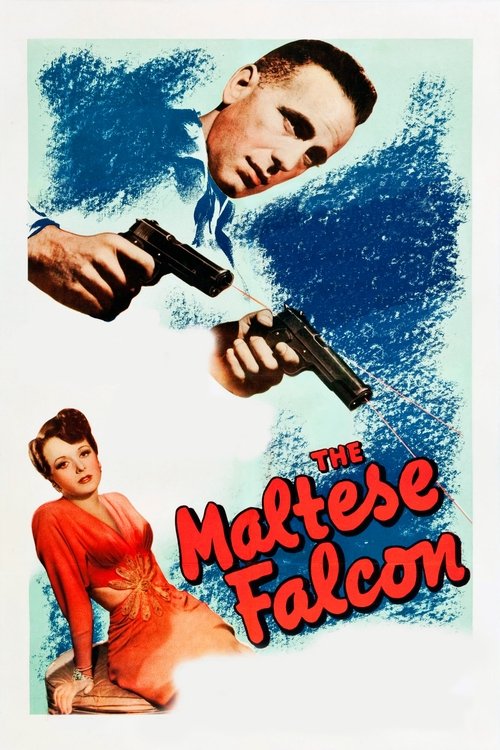
The Maltese Falcon1941
Humphrey Bogart as a detective navigating betrayal and murder with sardonic style. Taut, witty, and endlessly quotable. The template for every noir that followed.
But At 100 minutes it sprawls more than *The Man with Two Faces*—some find the middle sluggish. The resolution can feel arbitrary if you're not tracking every thread.
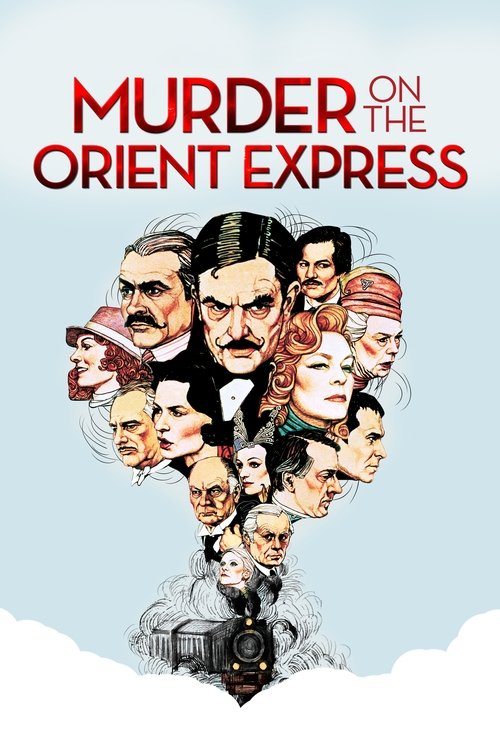
Murder on the Orient Express1974
Agatha Christie's locked-room mystery with an all-star cast and Poirot at his most theatrical. Intricate plotting, genuine suspense, and actors having real fun with class and manners.
But It's deliberately staged and artificial—if you want gritty realism, this glittering artifice will feel like a stage play. Also quite long for its own good at 127 minutes.
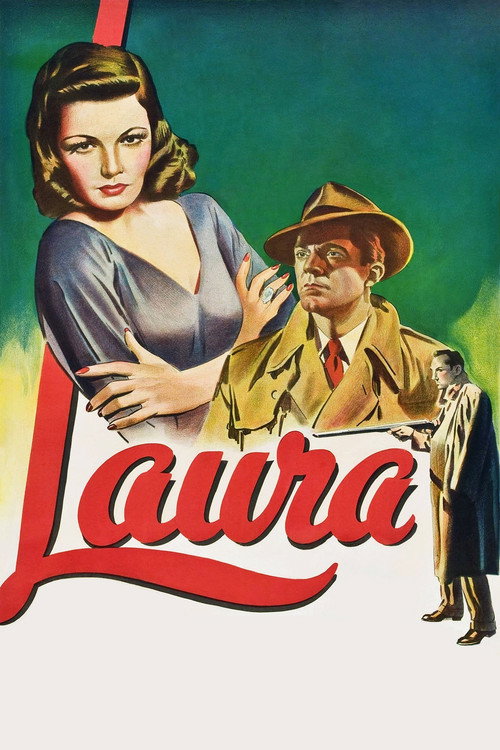
Laura1944
A detective falls in love with a dead woman's portrait while investigating her murder. Perverse, beautiful, and morally twisted. Gene Tierney's absent presence haunts the entire film.
But The logic doesn't entirely hold and the ending requires a leap. Some find the framing device intrusive and precious.
Not sure tonight? Get a pick in a minute, starting from The Man with Two Faces
The wildcard
Something you would not have found on your own.
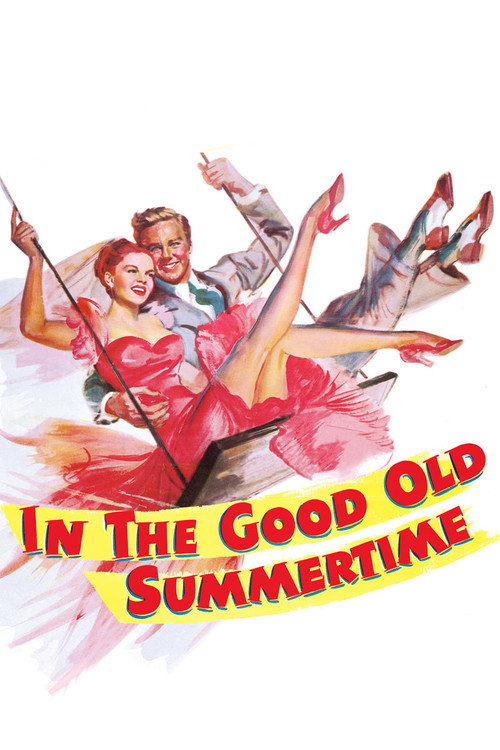
In the Good Old Summertime1949
Both play with hidden identities—Robinson hides his vigilante self behind his actor's mask, while Garland and Johnson hide their pen-pal intimacy from each other. But where Robinson's duality is tragic, theirs is comic.
A musical remake of *The Shop Around the Corner* where Judy Garland and Van Johnson play pen pals who meet cute. Sunlit, optimistic, and genuinely charming—the inverse of noir's shadows.
But The plot stops dead for Garland to sing twice. If you don't like musicals, the songs will feel like an interruption.
More like this (8)
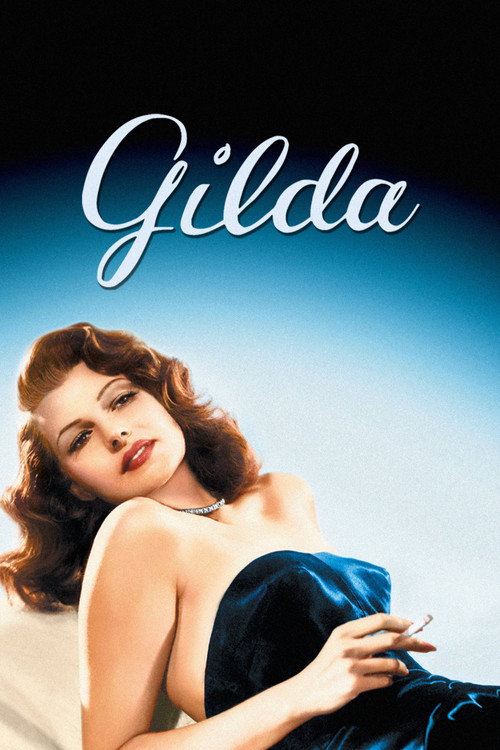
Gilda1946
Rita Hayworth as a femme fatale who disrupts two men's lives with sheer magnetism. Smoky, erotic, and uninterested in moral clarity. Glenn Ford's repressed fury plays perfectly against her dangerous allure.
But It's a showcase for Hayworth's star power rather than a tight plot. The gambling subplot feels tacked on and the pacing can drag.
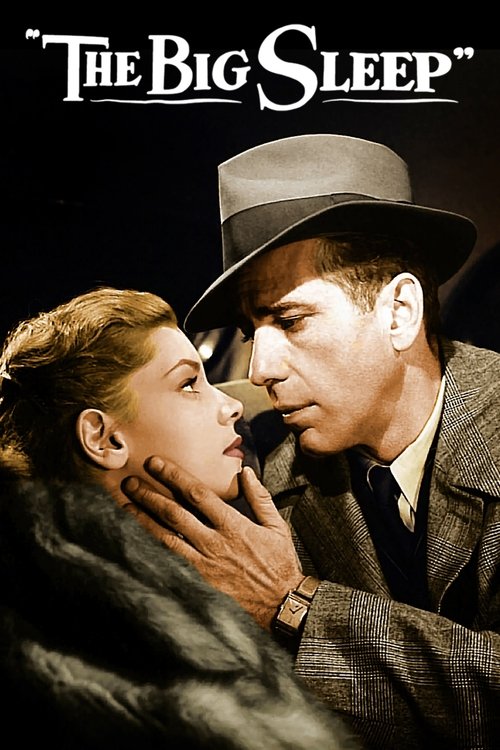
The Big Sleep1946
Bogart and Bacall spar through a Raymond Chandler mystery so convoluted that even the writers didn't know the solution. The chemistry and wisecracks matter more than the plot.
But The plot genuinely doesn't make sense—ask five film scholars and get six explanations. If you need clarity, this will frustrate you.
In a Lonely Place1950
Humphrey Bogart as a screenwriter suspected of murder, directed by Nicholas Ray with psychological depth. Dark, bitter, and surprisingly modern about performance and masculinity.
But It's introspective rather than action-driven. Gloria Grahame's betrayal of Bogart will bother you, which is precisely the point but doesn't make it easy to watch.

The Asphalt Jungle1950
John Huston's heist film about the perfect crime that unravels through character and circumstance. Economical, tense, and the prototype for every heist movie after.
But The crime itself is only the frame—long stretches focus on each crook's personal ruin. If you want action, you'll be waiting.

The Killers1946
Ernest Hemingway's short story expanded into a brilliant jigsaw of parallel narratives. Burt Lancaster's debut is stunning; the structure is inventive and rewarding.
But Jumping between timelines in 1946 feels more disorienting than elegant. The femme fatale role hasn't aged gracefully in some respects.

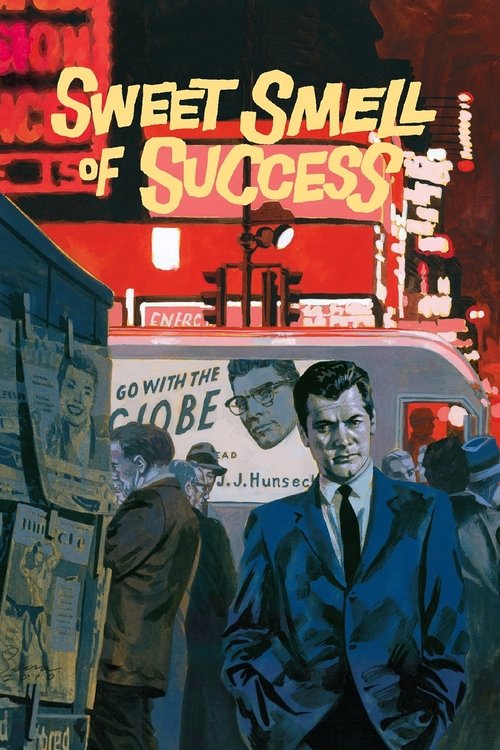
Sweet Smell of Success1957
A gossip columnist and a fixer navigate Manhattan's underworld of theater and lies. Burt Lancaster and Tony Curtis are magnetic; the dialogue is like nothing else in cinema, baroque and vicious.
But The script is so densely worded and the worldview so caustic that it can feel exhausting. The black-and-white photography, while stunning, is unrelenting.
Rope1948
Both are about performance and concealment—Robinson performing respectability while harboring secrets, while *Rope*'s killers perform the role of civilized hosts. Both understand that the threat is invisible, worn like a second skin.
Hitchcock's real-time experiment: two men hide a body in their apartment while hosting a dinner party. Filmed in continuous takes that make you complicit in every second of deception. Suffocating and brilliant.
But The gimmick of no cuts can feel mannered. James Stewart's monologue near the end is heavy-handed, and some find the whole thing airless and claustrophobic.

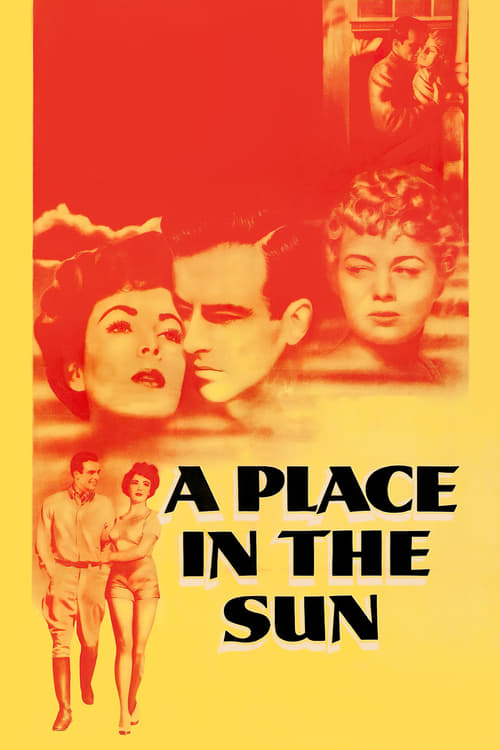
A Place in the Sun1951
Both explore the moment when an ordinary person steps beyond their moral boundary and discovers they cannot return. Robinson commits violence to protect; Clift commits violence for desire. Both are trapped by their own choices, wearing the consequences like invisible chains.
George Stevens' tragic masterpiece of ambition and class. Montgomery Clift and Elizabeth Taylor in a searing triangle where desire, desperation, and circumstance collide. Operatic without being obvious.
But At 122 minutes it moves slowly and deliberately. The moral questions are agonizing in ways that some find depressing rather than cathartic.
People
Cast
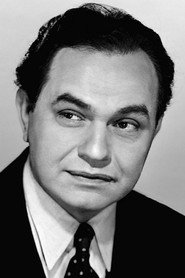 Edward G. RobinsonDamon Welles / Jules Chautard
 Mary AstorJessica Wells
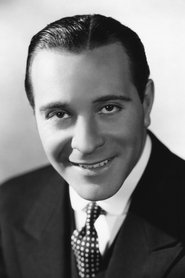 Ricardo CortezBen Weston
 Mae ClarkeDaphne Flowers
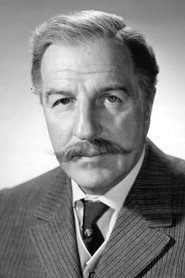 Louis CalhernStanley Vance
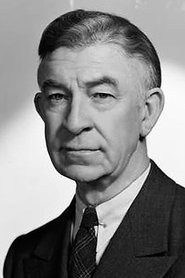 Arthur ByronDr. Kendall
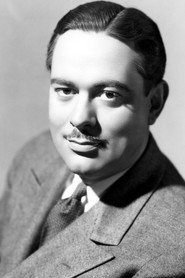 John EldredgeBarry
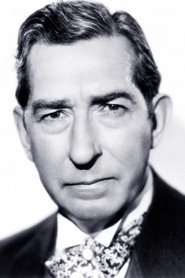 David LandauCurtis
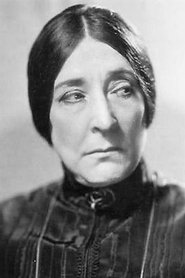 Emily FitzroyHattie
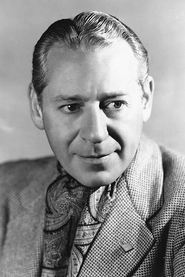 Henry O'NeillInspector Crane
- Anton StengelStage Manager
 Arthur AylesworthMorgue Keeper
Directing
- Archie MayoDirector
Writing
- Niven BuschScreenplay
- Tom ReedScreenplay
- Alexander WoollcottTheatre Play
- George S. KaufmanTheatre Play
Production
- Hal B. WallisExecutive Producer
- Jack L. WarnerExecutive Producer
- Robert LordProducer