
Film
The Hunchback of Notre Dame
Other titles called The Hunchback of Notre Dame: the 1923 film, the 1939 film, the 1996 film.
Jean Delannoy's 1956 adaptation transforms Hugo's tragedy into operatic melodrama, all Gothic shadows and vivid colour. Anthony Quinn's Quasimodo is gentle and complex; Gina Lollobrigida's Esmeralda is the eye of the storm. It's sumptuous and dark, occasionally overwrought, entirely committed to the material's romance and dread. For anyone drawn to classic horror with a beating heart.
Should you watch it?
Watch it if you love old-fashioned studio melodrama with big sets, operatic emotion, and a villain whose obsession curdles into something genuinely disturbing, the way Hollywood epics of the fifties handled gothic material.
Skip it if you need brisk pacing or modern restraint, since this 1956 version leans into sweeping gestures, broad performances and sentiment that can feel heavy and theatrical to a viewer raised on subtler screen storytelling.
What it asks of you: Settle in for a little under two hours of unhurried, lavish storytelling where the mood swings from pageantry to dread, and where you must accept big emotions played at full volume.
Not sure? Find tonight's pick in a minute.
If you liked this
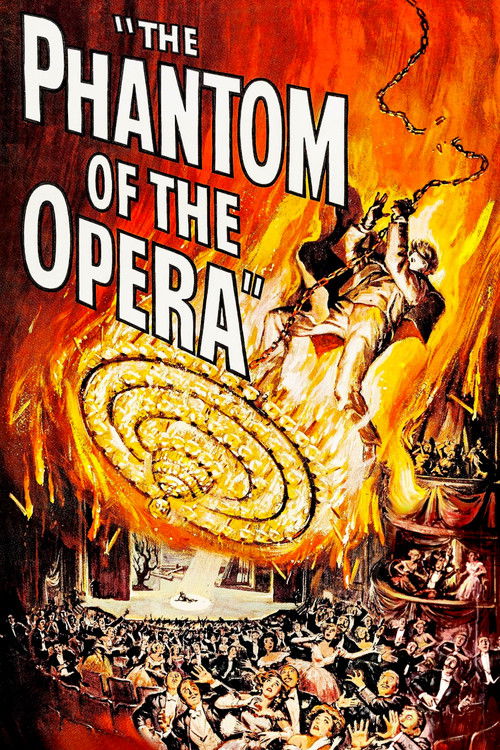
The Phantom of the Opera1962
Another Hammer Gothic featuring passionate obsession, architectural grandeur, and a disfigured man whose interior nobility matters far more than his face. Herbert Lom is heartbreaking.
But Heavy on theatrical melodrama; the pacing can feel slow if you're expecting modern thriller beats.
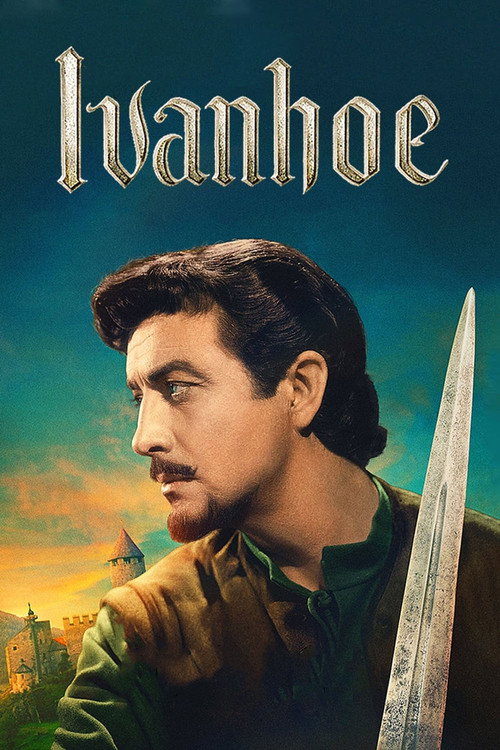
Ivanhoe1952
Richard Thorpe's lavish historical romance with the same Technicolor richness and castle-bound plotting. Action, intrigue, and genuine stakes, anchored by strong performances across the cast.
But The narrative takes a while to gather steam, and some of the chivalric posturing feels dated even by 1952 standards.
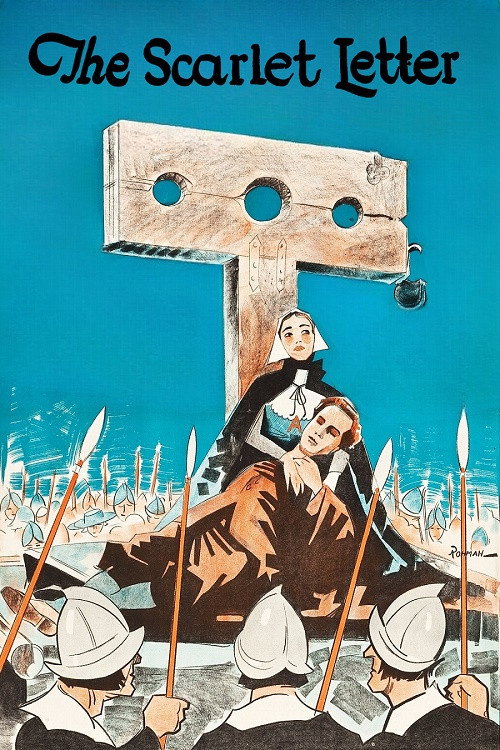
The Scarlet Letter1927
Lillian Gish in Victor Sjöström's silent masterpiece about obsession, shame, and mercy in a repressive society. The emotional clarity is devastating; it doesn't need sound.
But It's silent, and that alone disqualifies it for some viewers. The pacing assumes patience with the form.
Not sure tonight? Get a pick in a minute, starting from The Hunchback of Notre Dame
The wildcard
Something you would not have found on your own.
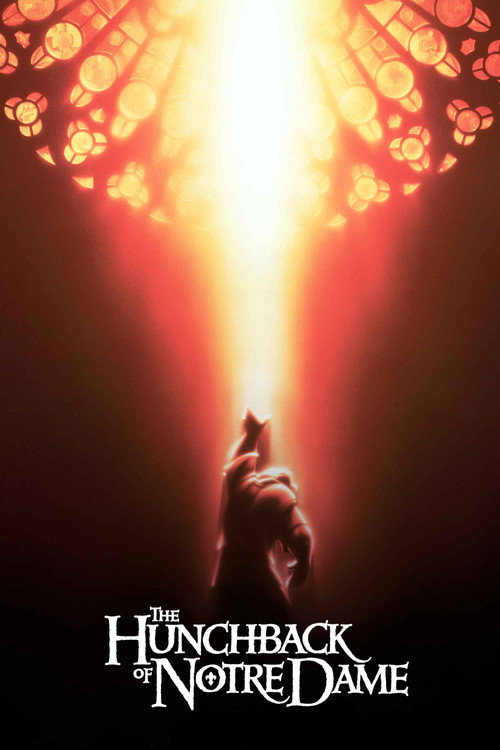
The Hunchback of Notre Dame1996
Both understand that the cathedral itself is a character—a space where beauty and cruelty coexist. Both films worship its architecture while showing what it conceals.
An animated Disney version that simplifies Hugo but captures something true about the story—visual beauty as redemption, and the way power corrupts mercy. The design is gorgeous; the songs are better than they should be.
But It softens the tragedy considerably and adds talking gargoyles. The ending is reconciliation, not reckoning.
More like this (8)
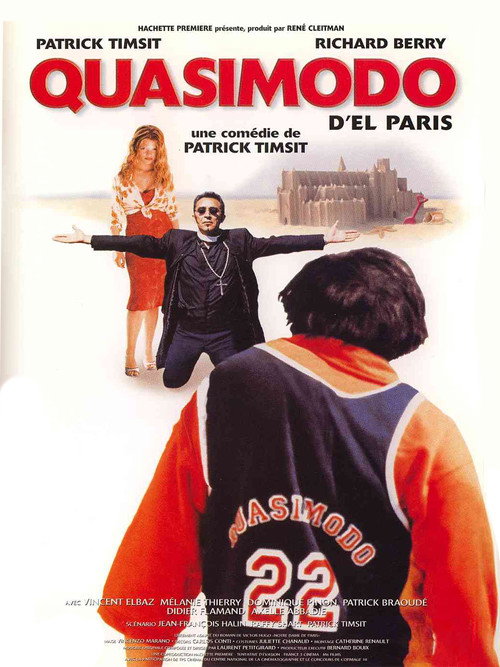
Quasimodo d'el Paris1999
A French musical retelling that understands Hugo's story as fundamentally about beauty, injustice, and the cruelty of the powerful. Mandy Patinkin as Frollo is genuinely unnerving.
But It's a musical, which carries its own tonal expectations. Some of the songs prioritise spectacle over plot momentum.
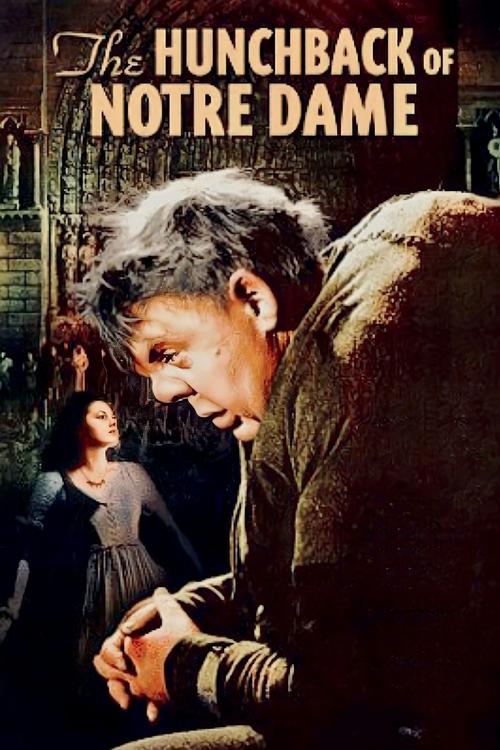
The Hunchback of Notre Dame1939
The Charles Laughton version: more explicitly tragic, deeper into Quasimodo's isolation. Laughton's performance is raw and affecting, and the film respects the source material's darkness.
But It's in black and white, and considerably grimmer than the 1956 version—some find it too bleak rather than romantically melancholy.
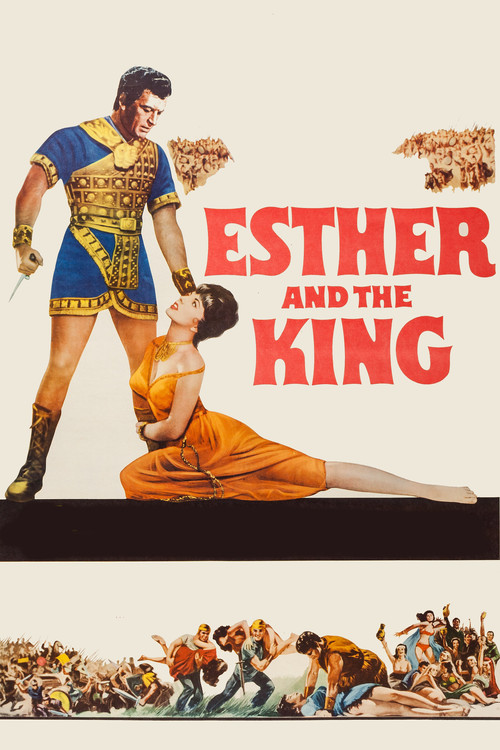
Esther and the King1960
Joan Collins navigates court intrigue and religious hysteria in a Technicolor biblical drama with the same sweeping ambition and moral complexity as The Hunchback.
But The historical setting masks what is essentially a love triangle; some viewers find the plotting schematic.
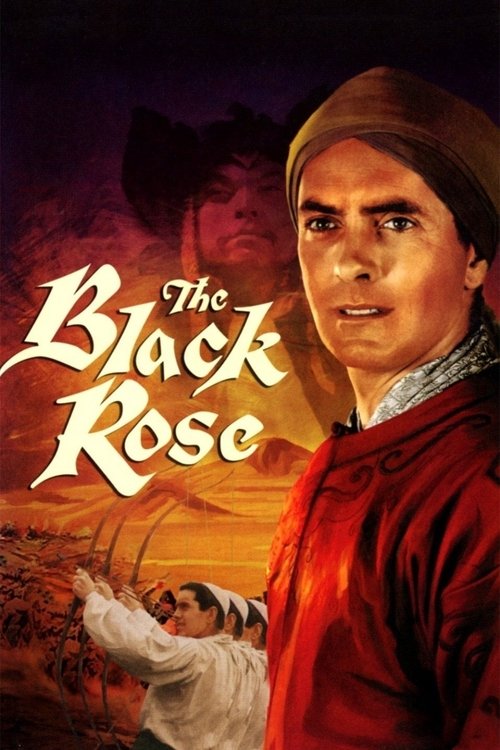
The Black Rose1950
Tyrone Power and Cécile Aubry in a medieval adventure with beautiful Technicolor cinematography and genuine danger. It balances action, romance, and the weight of social division.
But It's less psychologically probing than The Hunchback; more traditional swashbuckler than tragedy.
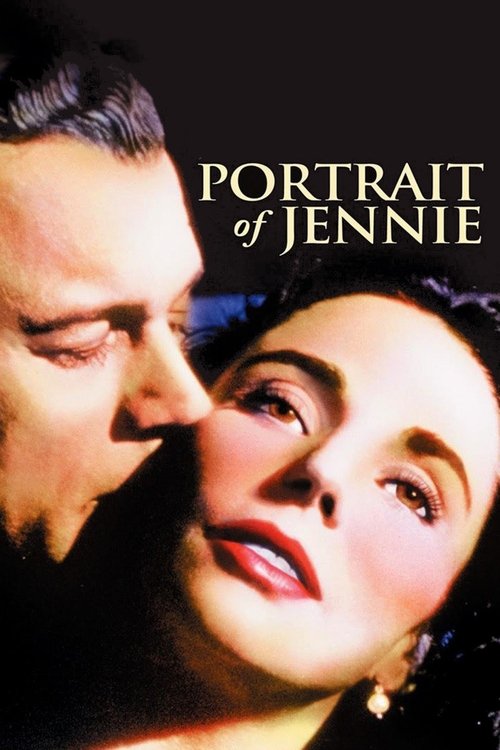
Portrait of Jennie1948
Joseph Cotten and Jennifer Jones in a romance haunted by loss and beauty. It shares The Hunchback's sense of yearning and its willingness to let sadness carry the story.
But The supernatural elements are understated to the point of ambiguity, which some find frustratingly vague.
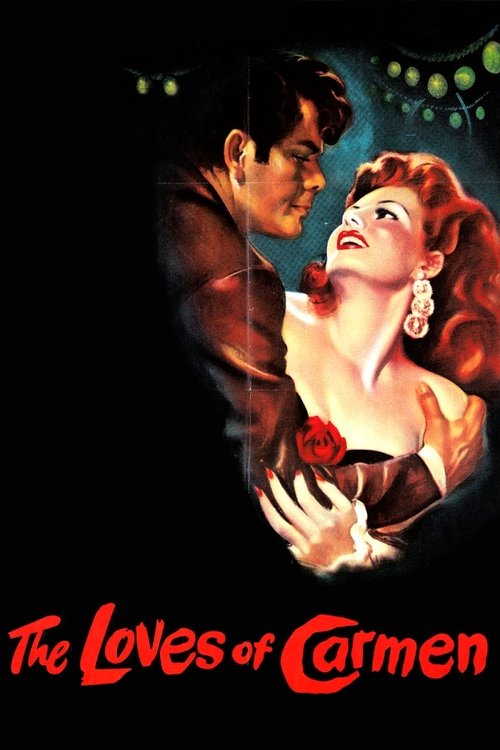
The Loves of Carmen1948
Rita Hayworth in a Technicolor historical romance with explosive chemistry and a doomed, passionate core. Vivian Leigh's kind of role, but with more edge.
But The plot is paper-thin, and the film is interested primarily in spectacle and star power rather than character depth.
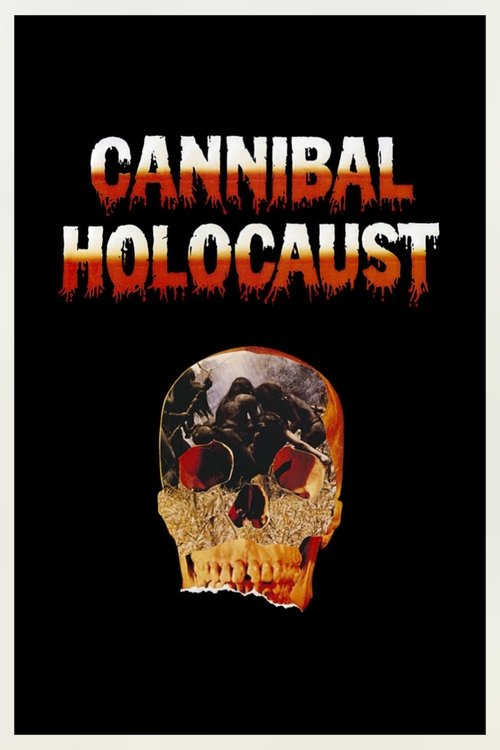
Cannibal Holocaust1980
Like Frollo, the protagonist mistakes desire for truth and punishes others for his own internal distortion. Both films ask what happens when obsession is the lens through which someone sees the world.
Alain Corneau's psychological horror: a man becomes convinced his wife is unfaithful, and jealousy corrodes him from within. Obsession as its own curse, the way a single idea can warp everything else.
But It's a bleak descent with almost no sympathetic character. Long, tense, deliberately repetitive to show psychological deterioration.
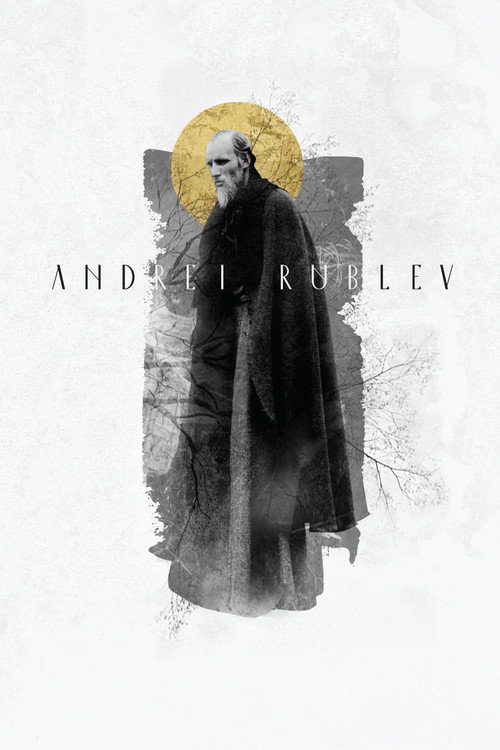
Andrei Rublev1966
Both films see the medieval cathedral as a space where human aspiration—sacred and corrupt—collides. Where The Hunchback is melodrama, Rublev is prayer, but both ask what we build and why, and at what cost.
Tarkovsky's meditation on art, faith, and violence in medieval Russia. Three hours of astonishing images: a monk painting icons while war ravages outside. It's slow, meditative, and morally serious about beauty as resistance.
But Very long, plotless, and philosophically demanding. Requires patience with silence and ambiguity; wholly uninterested in narrative convenience.
People
Cast
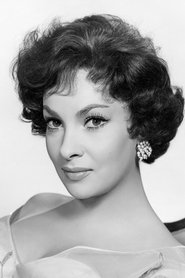 Gina LollobrigidaEsmeralda
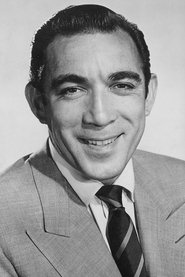 Anthony QuinnQuasimodo
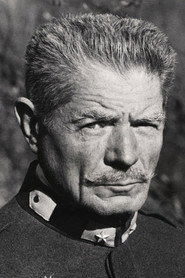 Alain CunyClaude Frollo
 Jean DanetPhoebus de Chateaupers
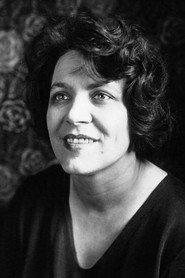 DamiaThe Beggar
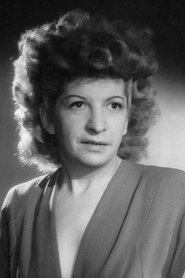 Marianne OswaldLa Falourdel
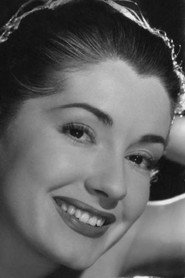 Danielle DumontFleur de Lys
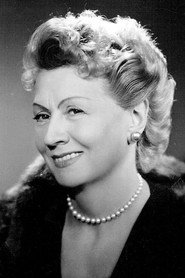 Valentine TessierAloyse de Gondelaurier
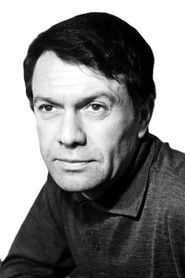 Robert HirschPierre Gringoire
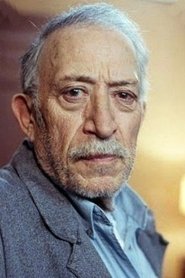 Philippe ClayClopin Trouillefou
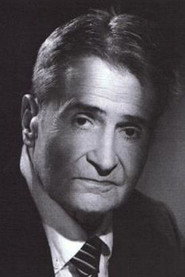 Maurice SarfatiJehan Frollo
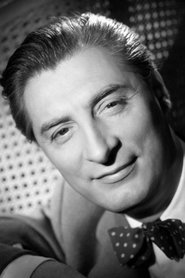 Jean TissierLouis XI
Directing
- Jean DelannoyDirector
Writing
- Victor HugoNovel
- Jacques PrévertScreenplay
- Jean AurencheScreenplay
Production
- Raymond HakimProducer