
Film
Ashes of Vengeance
A 1923 historical drama set during the French Wars of Religion, where a man enslaved by religious persecution falls for his oppressor's sister. Norma Talmadge commands the screen in this two-hour epic that swings between intimate emotion and sweeping historical chaos. For silent film devotees and anyone curious how early cinema handled moral complexity and desire amid violence.
Should you watch it?
Watch it if you love silent-era melodrama played with big gestures and sweeping costume staging, where a romance is pulled tight against religious war and class cruelty.
Skip it if you need dialogue and modern pacing, since this is a silent film whose emotions travel through intertitles and broad expressive acting, and at 111 minutes it lingers.
What it asks of you: A long, patient sitting of silent storytelling where you read faces and captions rather than listen, and the mood swings between ornate formality and sudden raw feeling.
Not sure? Find tonight's pick in a minute.
If you liked this
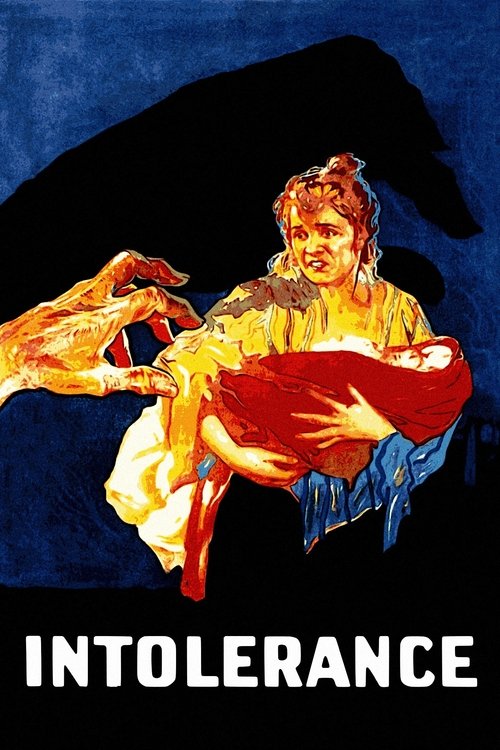
Intolerance: Love's Struggle Throughout the Ages1916
D.W. Griffith's four-era epic about persecution across centuries. The Babylon sequence alone is staggering, and the film's moral ambition—hatred destroying beauty—echoes Ashes' core tragedy.
But At three and a half hours with intertitles, it demands patience. The sexual politics are of their era, which means complicated.
The Phantom Carriage1921
Swedish master Victor Sjöström creates a ghost story that's genuinely moving and philosophically strange. Like Ashes, it uses historical and spiritual weight to explore redemption and the violence we inflict.
But The pacing is glacial by modern standards. It's meditative rather than thrilling, which some find boring.

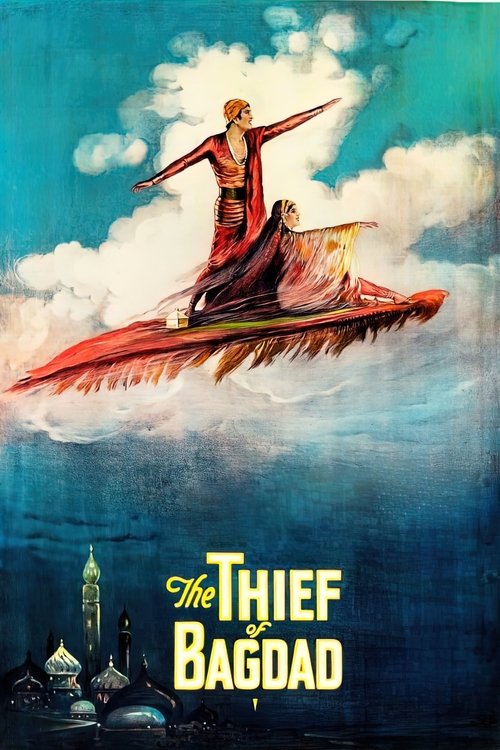
The Thief of Bagdad1924
Douglas Fairbanks at peak swashbuckling charm in a Technicolor fantasy of impossible beauty. Contemporary with Ashes but utterly different in mood—pure escapism, yet technically a marvel.
But It's lightweight deliberately. If you want depth, this isn't it. The exotic fantasy relies on orientalist tropes.
Not sure tonight? Get a pick in a minute, starting from Ashes of Vengeance
The wildcard
Something you would not have found on your own.
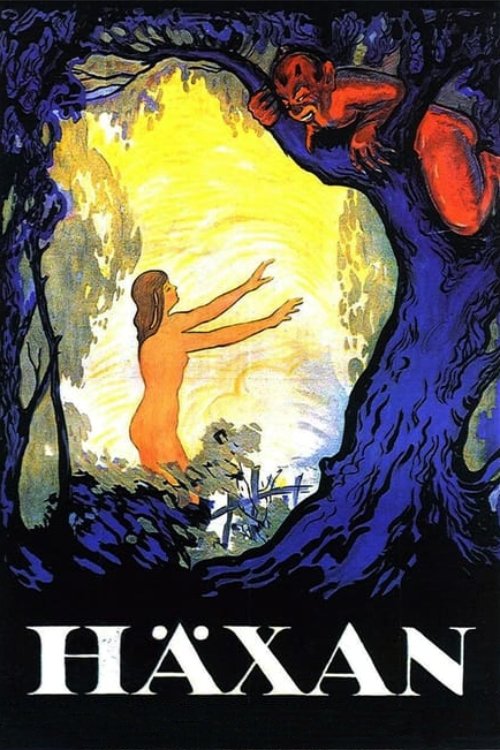
Häxan1922
Both excavate the machinery of persecution: how societies rationalize cruelty toward the other. Häxan shows the fever dream of witch-hunting; Ashes shows the cost of surviving it.
A Swedish documentary-fiction hybrid about witchcraft across centuries, gorgeously disturbing and surreal. It shares Ashes' interest in historical violence and belief systems, but filters it through nightmare logic and visceral horror imagery rather than conventional narrative.
But It's more avant-garde than drama—structure is experimental, pacing is strange, and some sequences are genuinely disturbing. Not a conventional story.
More like this (6)
Nosferatu1922
German Expressionism at its most haunting. A vampire film that moves like a nightmare, exploring plague, death, and desire. The visual language alone rewards silent film exploration.
But It's genuinely unsettling and slow-burn creepy. If you want clear plot mechanics and happy endings, look elsewhere.

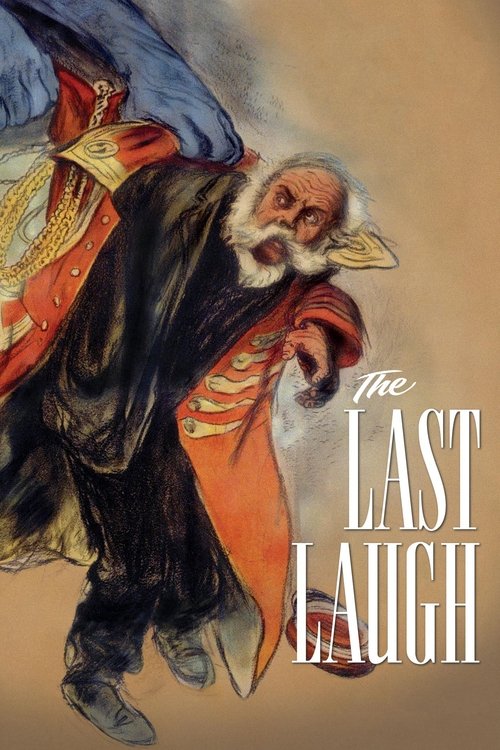
The Last Laugh1924
Emil Jannings gives a quiet, devastating performance as a doorman stripped of dignity. A story about social collapse told almost entirely through image and expression—pure cinema.
But It's bleak and offers no comfort. The ending, while famous, refuses the catharsis many expect from drama.
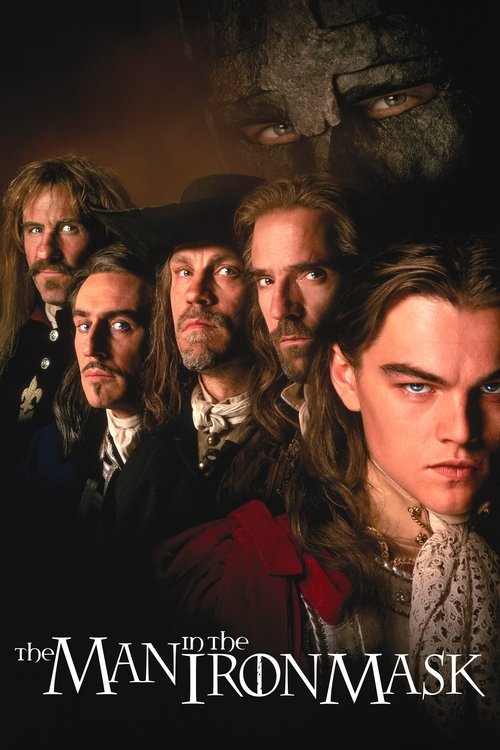
The Man in the Iron Mask1998
Fairbanks again, but this time as both hero and imprisoned twin. Swashbuckling spectacle with genuine emotional stakes. A perfect gateway to understanding why silent action still thrills.
But The plotting is simple and the themes aren't subtle. If you want moral complexity, it's not here.
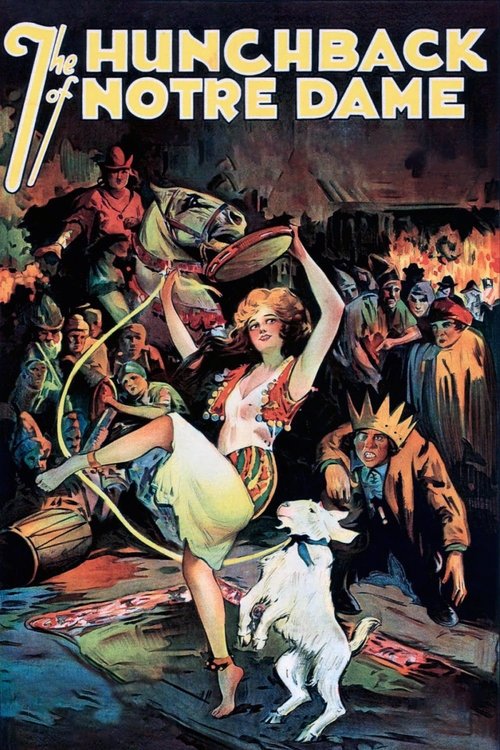
The Hunchback of Notre Dame1923
Lon Chaney's transformative performance as Quasimodo. A historical epic about beauty, monstrosity, and persecution with sets so vast they dwarf the actors. Spectacle that serves story.
But The romantic subplot is rushed. You'll spend most of the film wishing for more screen time with Chaney's character and less with the leads.
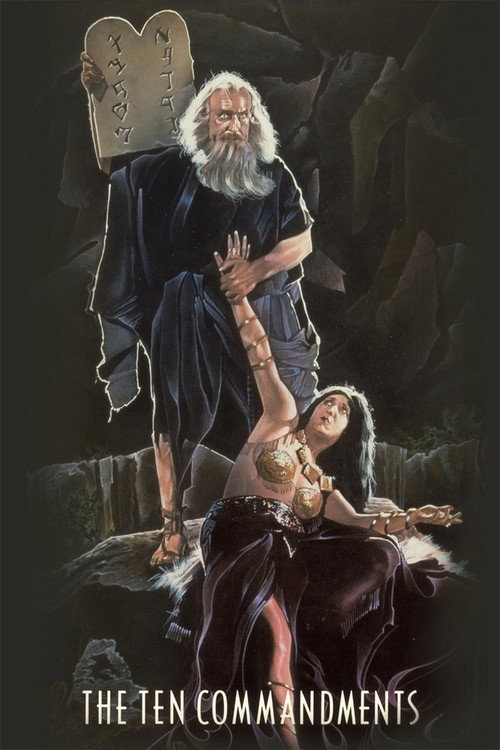
The Ten Commandments1923
Cecil B. DeMille's biblical epic: Technicolor, thousands of extras, the parting of the Red Sea. If you want to understand why people went to movies in the 1920s, this explains it.
But It's cheesy by modern standards, with dialogue cards that strain credibility. The split narrative confuses the emotional through-line.
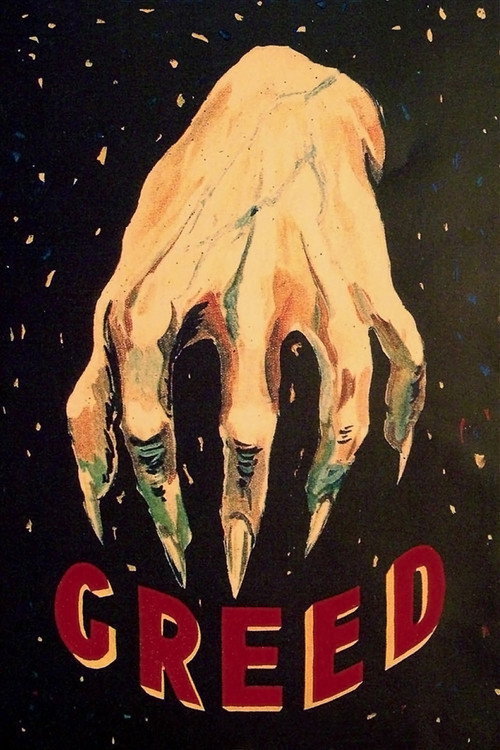
Greed1924
Both are silent epics about human nature under extreme pressure, but Greed strips away spectacle to show interior collapse. Where Ashes is tragic romance, Greed is clinical autopsy.
Erich von Stroheim's masterpiece: a ruthless, four-hour dissection of how money corrodes love, set in the American West. Raw, uncomfortable, visually dense. A rebuke to the emotional grandeur of most historical drama.
But It's dark, bleak, and offers no uplift. Von Stroheim's vision of human nature is misanthropic. At nearly four hours, it's a commitment.
People
Cast
 Norma TalmadgeYolande de Breux
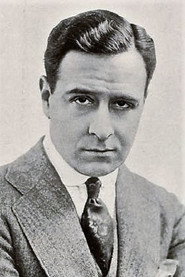 Conway TearleRupert de Vrieac
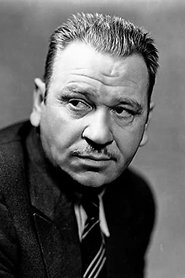 Wallace BeeryDuc de Tours
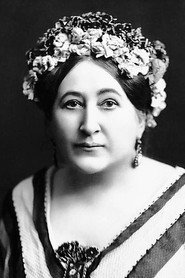 Josephine CrowellCatherine de Medicis
 Betty FranciscoMargot de Vancoire
 Claire McDowellMargot's Aunt
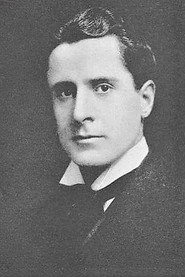 Courtenay FooteComte de la Roche
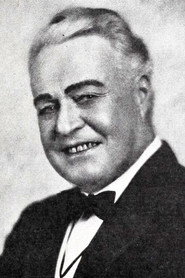 Howard TruesdaleVicomte de Briege
 Jeanne CarpenterAnne
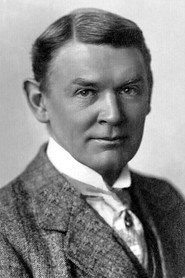 Forrest RobinsonFather Paul
- James CooleyPaul
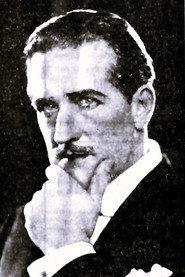 Boyd IrwinDuc de Guise
Directing
- Frank LloydDirector
Writing
- Frank LloydAdaptation
- H.B. SomervilleStory
Production
- Joseph M. SchenckProducer
- Norma TalmadgeProducer