
Film
Tristan and Isolde
A 1920 silent film adaptation of the medieval legend, capturing the doomed passion between Tristan and Isolde through the visual language of early cinema. It's a study in forbidden desire and tragic inevitability, performed through gesture and expression rather than dialogue. For those drawn to romantic tragedy and cinema history.
If you liked this
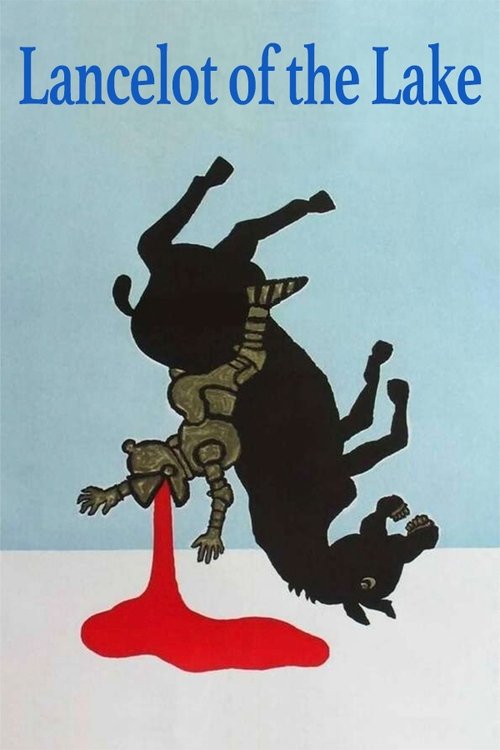
Lancelot of the Lake1974
Bresson strips Arthurian legend to its brutal core, finding the same doom-laden fatalism in courtly love. A meditation on desire consuming everything it touches, rendered in austere black-and-white.
But The pacing is glacial and deliberately anti-dramatic. If you want sweep and spectacle, this offers the opposite.
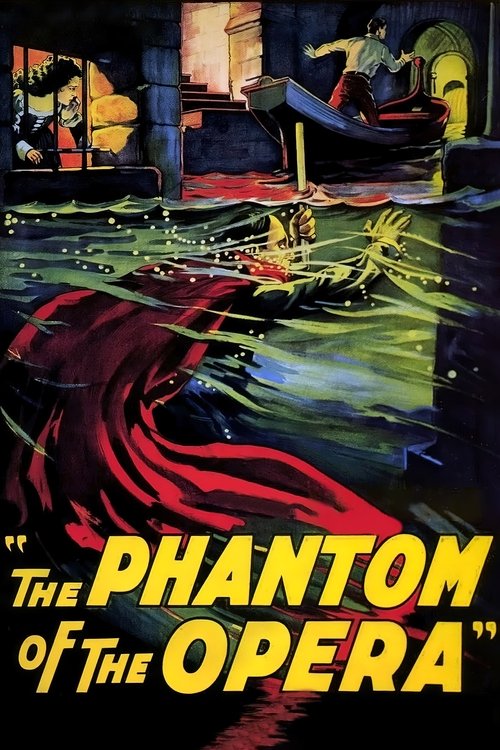
The Phantom of the Opera1925
A contemporary silent masterpiece also built on obsessive love and visual storytelling. Lon Chaney's performance reaches across a century. The same era, the same constraints, radically different emotional register.
But It's Gothic melodrama at full volume. The emotional intensity may feel overwrought if you prefer restraint.
The Seventh Seal1957
Bergman's meditation on death and human connection, also rooted in medieval legend but asking philosophical questions. The mood is grave and searching, not unlike what a sound-era Tristan might attempt.
But It's heavy-handed at moments and very much a 1950s art film. Long, strange, and not everyone's idea of accessible.

Not sure tonight? Get a pick in a minute, starting from Tristan and Isolde
The wildcard
Something you would not have found on your own.
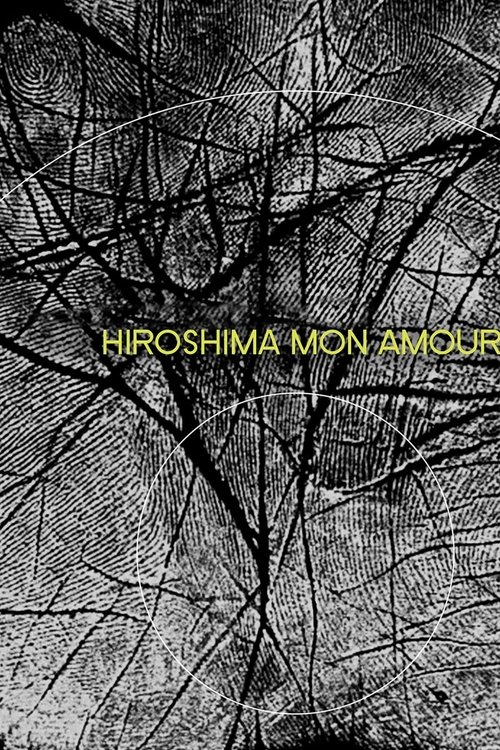
Hiroshima Mon Amour1959
Both present love as a force that blinds to consequence, and both ask whether that blindness is transcendent or destructive—or somehow both at once.
Two lovers in Japan attempt connection across the wreckage of history and loss. Like Tristan, it's about how desire exists outside moral reckoning, but here it's shadowed by collective trauma. Resnais found the Tristan myth in the atomic age.
But The film is fragmentary and philosophical. Linear plot gives way to memory and reverie. Some find this approach precious rather than profound.
More like this (6)
Nosferatu1922
German Expressionism at its height, another silent film about desire that destroys. The visual language is hypnotic; the tragedy is absolute. Made just two years after this film, from the same cinematic moment.
But The pacing is quite slow. Modern viewers accustomed to cutting rhythms may find it tedious despite the Gothic atmosphere.

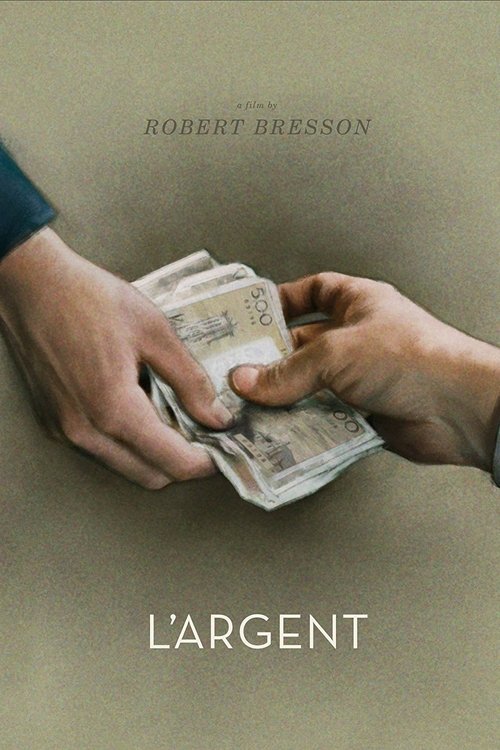
L'Argent1983
Bresson again, but here tracing how one circumstance cascades into ruin. Like Tristan, it's about inevitability—how passion (or circumstance) locks you into a path you cannot escape.
But It's bleak and austere. There's no catharsis, only the inexorable logic of consequences.
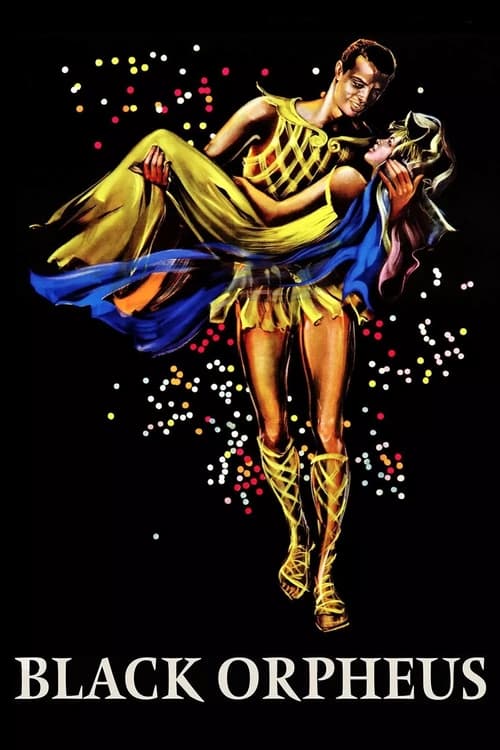
Black Orpheus1959
A retelling of the Orpheus myth set in Rio de Janeiro during Carnival. Tragic love across a divided world, rendered with music and colour. Shows how timeless legends find new life in different contexts.
But The pacing can feel slack, and some may find the romanticization of poverty uncomfortable by modern standards.
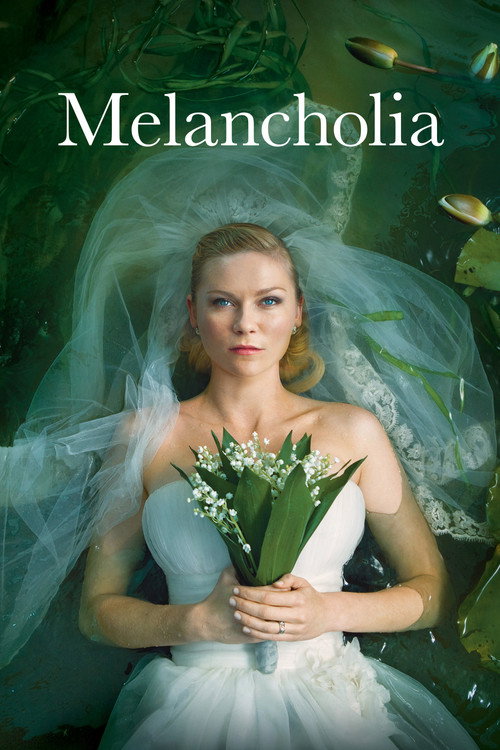
Melancholia2011
Lars von Trier's apocalyptic wedding film. Two women, a collapsing world, and the strange mercy of fatalism. A modern meditation on how love and doom intertwine, shot with painterly beauty.
But It's relentlessly dark and features extended depression depicted without relief. The slow-motion sequences exhaust some viewers.
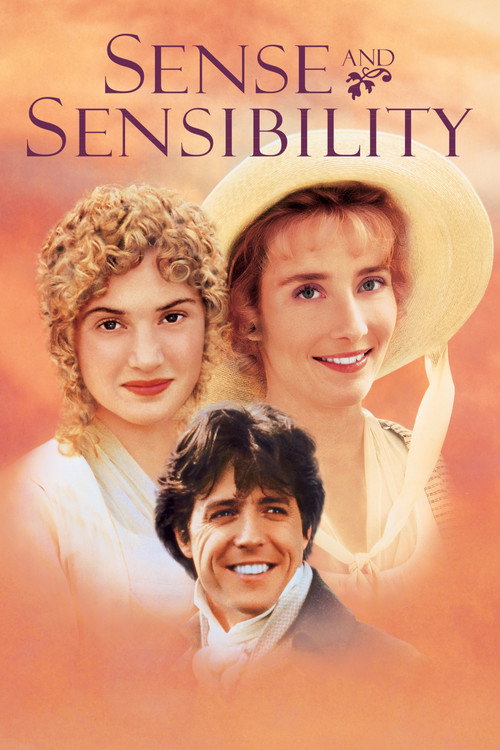
Sense and Sensibility1995
Jane Austen understood forbidden love and duty-bound choices as well as any medieval poet. This adaptation captures the ache of restraint and the cost of propriety. A different world, the same emotional core.
But It's costume drama with a lighter touch than medieval tragedy. The emotional palette is narrower, the stakes more domestic.
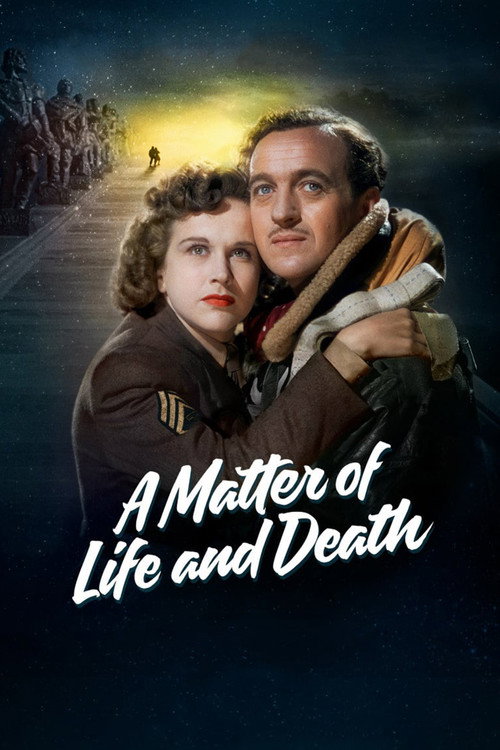
A Matter of Life and Death1946
Powell and Pressburger blend the mythic with the intimate. A man and woman suspended between worlds, arguing for love against cosmic forces. Visually sumptuous and philosophically ambitious.
But It's British whimsy overlaid on grand themes. The tonal mixture doesn't work for everyone, and it can feel dated in its sentiment.
People
Cast
Directing
- Maurice MariaudDirector
Writing
- Franz ToussaintWriter
- Jean-Louis BouquetWriter