
Film
The Flame and the Arrow
A swashbuckling Robin Hood tale set in Medieval Lombardy, where Burt Lancaster leads a band of rebels against occupying forces from a hidden Roman ruin. It's pure adventure cinema—acrobatic, colourful, and gleefully uninterested in historical accuracy. For anyone who wants derring-do without pretence, and doesn't mind that Lancaster is clearly doing his own stunts and loving every second of it.
Should you watch it?
Watch it if you love swashbuckling adventure with acrobatic derring-do, a rogue hero who is all swagger and athletic grace, and a costume picture that plays its romance and rebellion with an easy grin.
Skip it if you want a grounded, quietly paced historical drama, since this one runs on bright color, broad strokes and a lot of leaping about rather than on subtle character or sober realism.
What it asks of you: It runs a brisk 88 minutes and rarely pauses, so you will be carried along by the stunts and the banter rather than asked to sit with anything heavy or slow.
Not sure? Find tonight's pick in a minute.
If you liked this
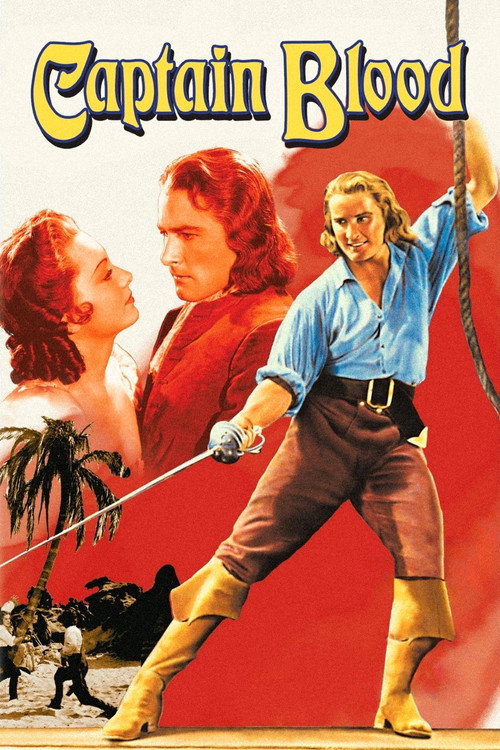
Captain Blood1935
Errol Flynn defined the swashbuckler in this tale of a wronged man leading pirates against tyranny. Sharper wit and darker edges than you'd expect, with action sequences that still hold up beautifully.
But It's nearly 90 years old and looks it; the pacing slackens in the middle, and some of the romance subplot feels obligatory.
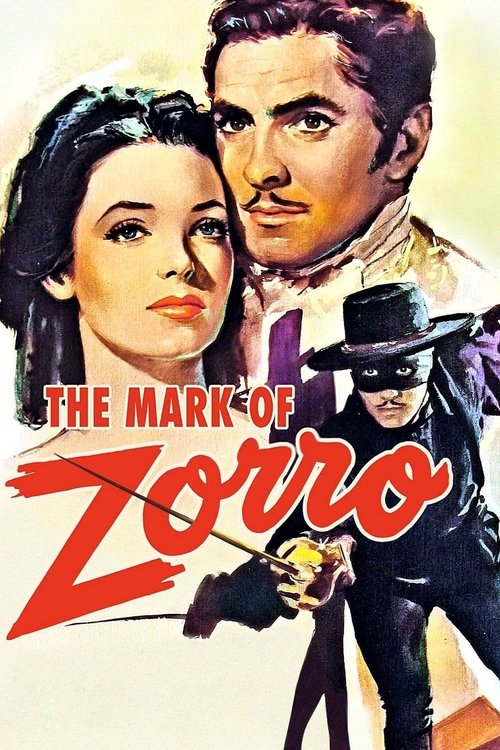
The Mark of Zorro1940
Tyrone Power in the definitive mask-and-cape adventure: a nobleman who becomes a vigilante to fight injustice. Elegant, inventive, and genuinely funny. The duel scenes are a masterclass in editing.
But The film is more interested in charm than stakes, so tension never quite bites. Some find it too light for its own good.
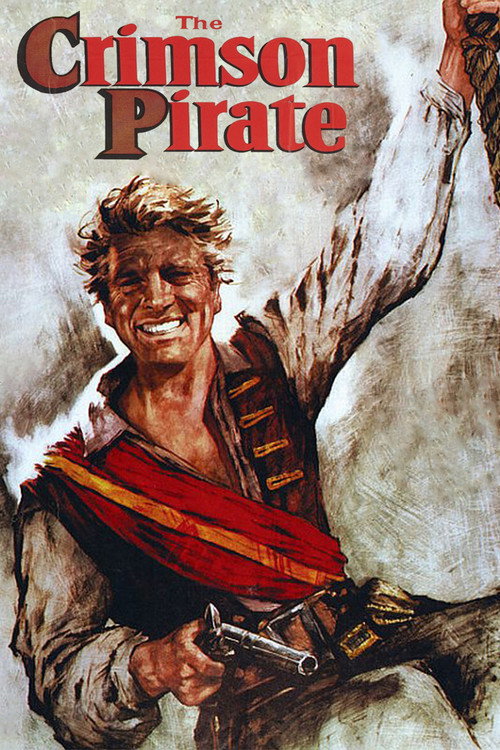
The Crimson Pirate1952
Burt Lancaster again, but looser and more anarchic—a pirate captain on the con, doing backflips and playing the hero almost by accident. It's flagrantly silly and utterly alive.
But The tone whips around unpredictably, and what works as joyful chaos for some feels like it doesn't know what it wants to be.
Not sure tonight? Get a pick in a minute, starting from The Flame and the Arrow
The wildcard
Something you would not have found on your own.
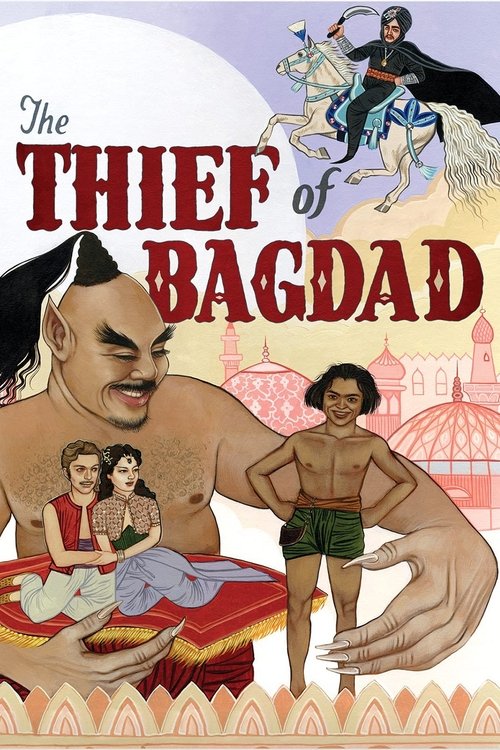
The Thief of Bagdad1940
Both films root their adventure in acrobatic physicality and visual spectacle over narrative logic. Both treat the story as an excuse for wonder.
A fantasy swashbuckler where an acrobat outwits a sorcerer across magical landscapes. It's adventure unmoored from history, all colour and imagination and stunt work—the same physical joy as Lancaster, but in an entirely different register.
But It's episodic and dreamlike rather than plot-driven. The special effects, while beautiful, sometimes stop the action dead. Some find it precious or dated; others wish it were weirder.
More like this (7)
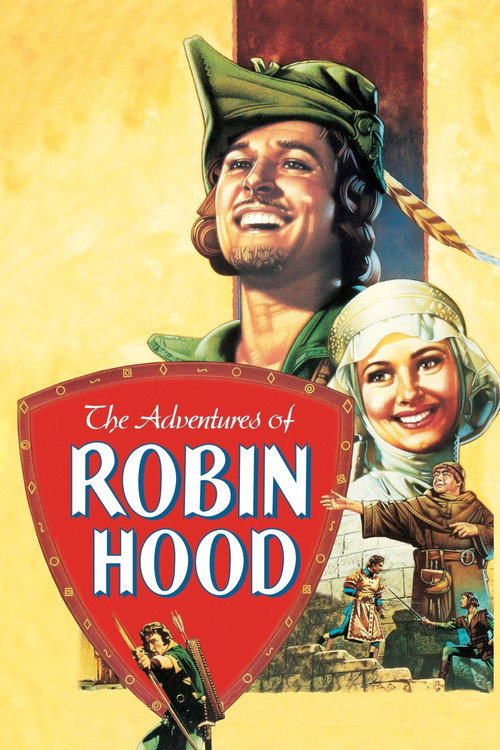
The Adventures of Robin Hood1938
Errol Flynn and Olivia de Havilland in the Technicolor ur-text. Lush, romantic, thrillingly staged. This is what Hollywood adventure looked like when the studios had money and belief in the form.
But Three hours and some scenes drag; the film occasionally confuses stateliness with drama. The Hays Code restraint around the romance might frustrate modern viewers.
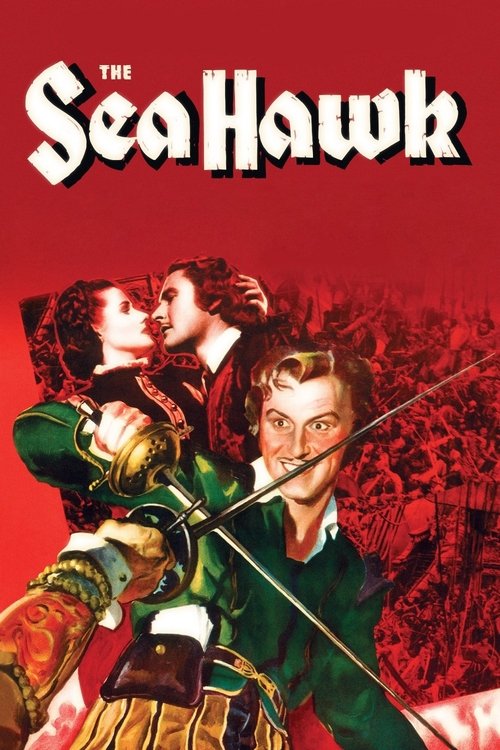
The Sea Hawk1940
Errol Flynn as a privateer fighting Spanish tyranny. Genuinely rousing naval action, a charismatic lead doing actual sword work, and Erich Wolfgang Korngold's score lifting everything skyward.
But Some action beats feel repetitive by the end, and the romantic interest doesn't match Flynn's energy. There's a political speech in the final act that halts momentum.
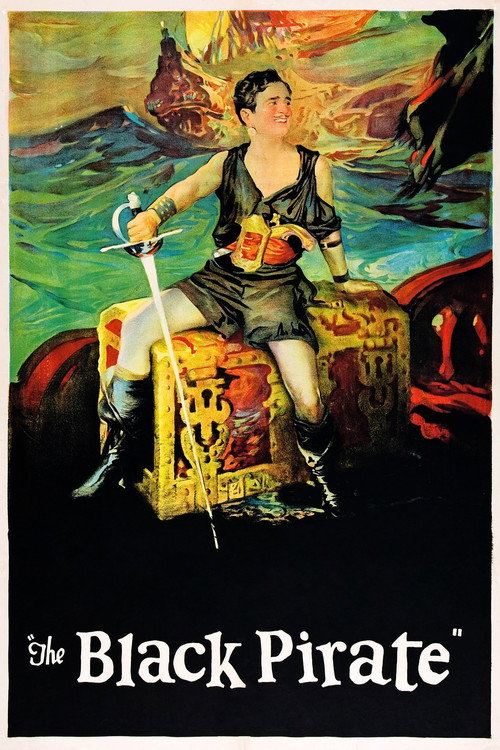
The Black Pirate1926
Douglas Fairbanks in the film that invented the modern action-adventure movie. Silent, so the stunt work has to sing—and it does. Genuinely innovative and still thrilling.
But Being silent, it requires adjustment. Some titles feel over-explanatory, and the emotional register is broad and theatrical. Not everyone clicks with silent film rhythm.
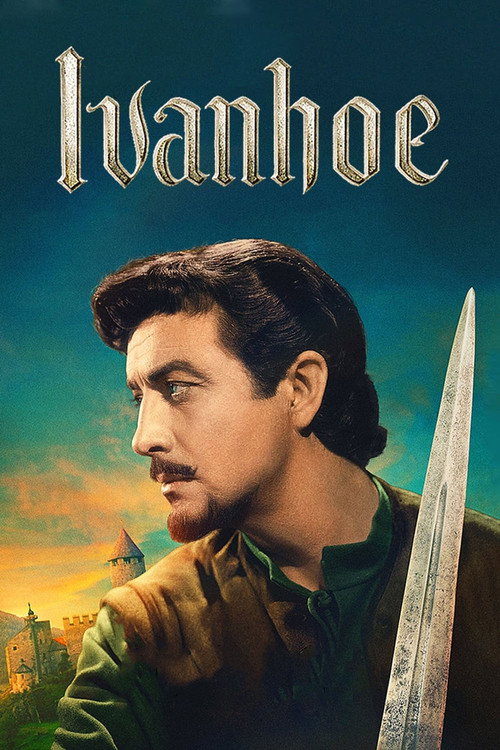
Ivanhoe1952
Robert Taylor jousting his way through medieval England. Proper big-budget Technicolor spectacle with real sets and rousing action. It's Scott by way of MGM's deep pockets and earnest belief.
But The love triangle is perfunctory, and the film is genteel where Lancaster is wild. Some scenes feel static and composed to death. It takes itself more seriously than it needs to.
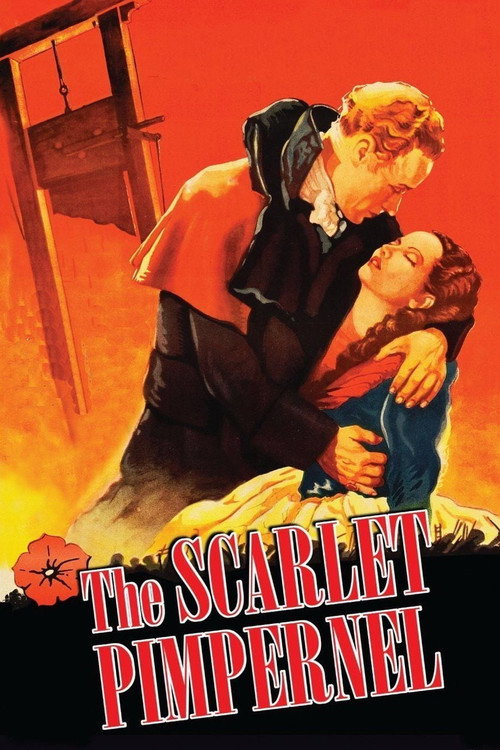
The Scarlet Pimpernel1934
Leslie Howard as an English dandy who's secretly rescuing aristocrats from the French Revolution. Clever, witty, and surprisingly tense. The double-life premise crackles with ingenuity.
But It's talky and theatrical—the action is sparse. The pacing is uneven, and some scenes feel more like drawing-room drama than adventure. Merle Oberon is underwritten.
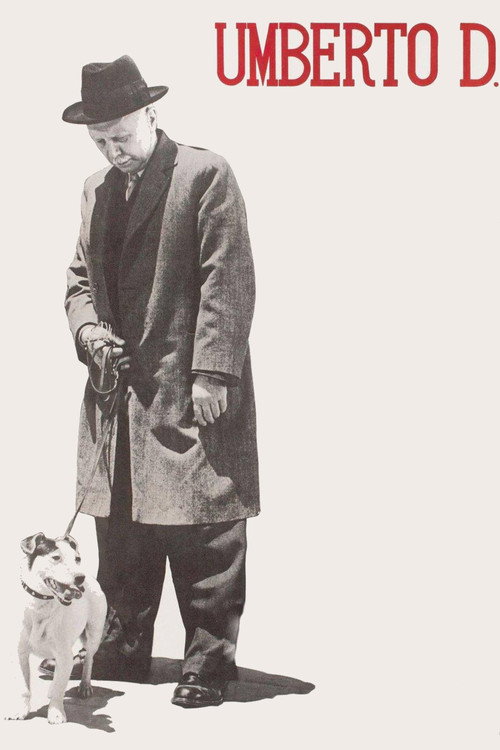
Umberto D.1952
Both are 1950s European films about outsiders resisting systems, but where The Flame and the Arrow fights with swords and spectacle, Umberto D. fights with presence and refusal. They're moral inverses.
An elderly pensioner and his dog navigate poverty and dignity in post-war Rome. It's neorealist cinema at its most humane—no score, no heroics, just observation and heartbreak. Made the same year, it's the anti-Lancaster.
But It's slow, unglamorous, and offers no catharsis or triumph. The pacing is deliberate to the point of testing. If you need plot momentum or emotional resolution, this will frustrate you.
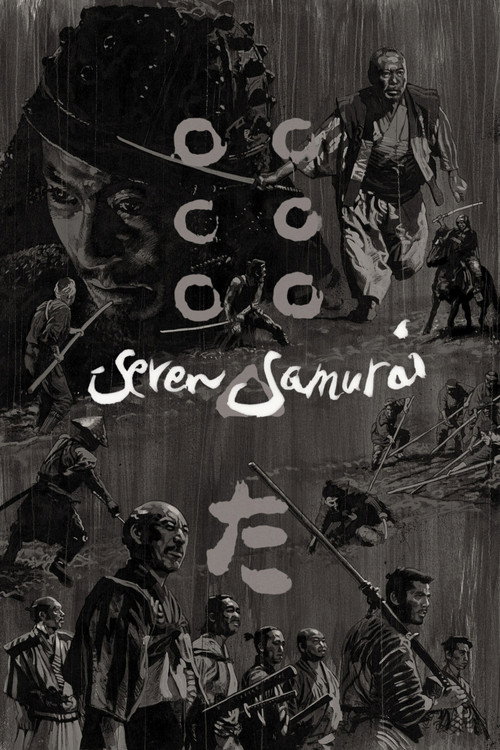
Seven Samurai1954
Both are about ragtag bands resisting occupiers, but Seven Samurai is about the cost of heroism, while The Flame and the Arrow is about the joy of it. Watch this to see what the form could hold if it wanted tragedy alongside adventure.
Kurosawa's epic about warriors hired to defend a village. It has all the adventure beats—action, camaraderie, heroism—but with psychological depth and moral complexity that swashbucklers usually skip. It's what happens when a master takes the form seriously.
But At over three hours, it requires commitment. The middle section is character work and talk, not action. The subtitles demand attention. It's a different kind of film from what you're looking for.
People
Cast
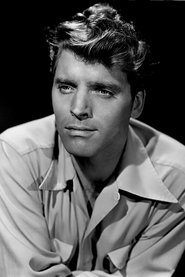 Burt LancasterDardo Bartoli
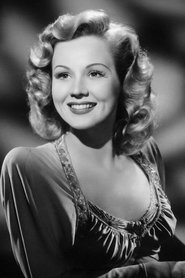 Virginia MayoAnne de Hesse
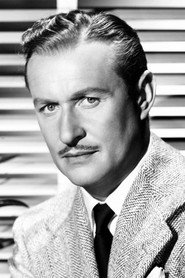 Robert DouglasMarchese Alessandro de Granazia
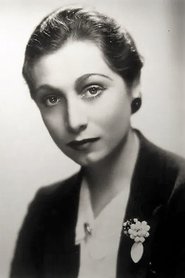 Aline MacMahonNonna Bartoli
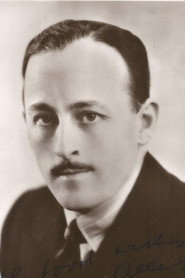 Frank AllenbyCount 'The Hawk' Ulrich
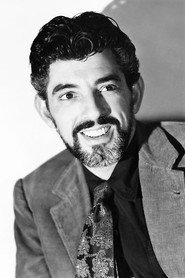 Nick CravatPiccolo
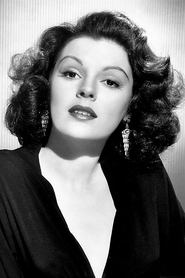 Lynn BaggettFrancesca
- Gordon GebertRudi Bartoli, Dardo's Son
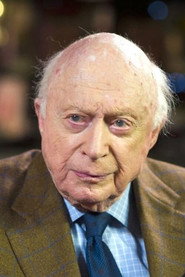 Norman LloydApollo, the Troubador
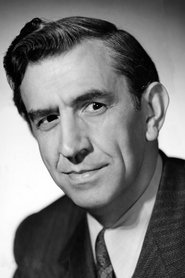 Victor KilianApothecary Mazzoni
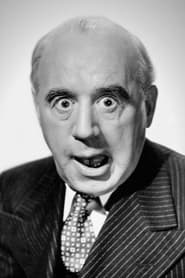 Francis PierlotPapa Pietro
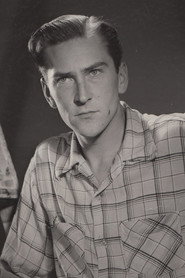 Robin HughesSkinner
Directing
- Frank MattisonAssistant Director
- Jacques TourneurDirector
- Meta CarpenterScript Supervisor
Writing
- Waldo SaltWriter
Production
- Norman DemingAssociate Producer
- Frank RossProducer
- Harold HechtProducer
Recommended by
King Solomon's Mines, The Ascent, Desert Legion, The Far Pavilions, The King's Thief, The Black Knight, The Great Adventures of Captain Kidd