
Film
The King's Thief
A 1955 Technicolor romp with Roger Moore and Edmund Purdom as roguish swordsmen caught between a king, a nobleman, and a lady during the reign of Charles II. It's fleet, handsomely made, and designed to be pure entertainment—plot secondary to charm, wit, and the occasional duel. For anyone who likes their adventure uncomplicated and their heroes morally flexible.
If you liked this
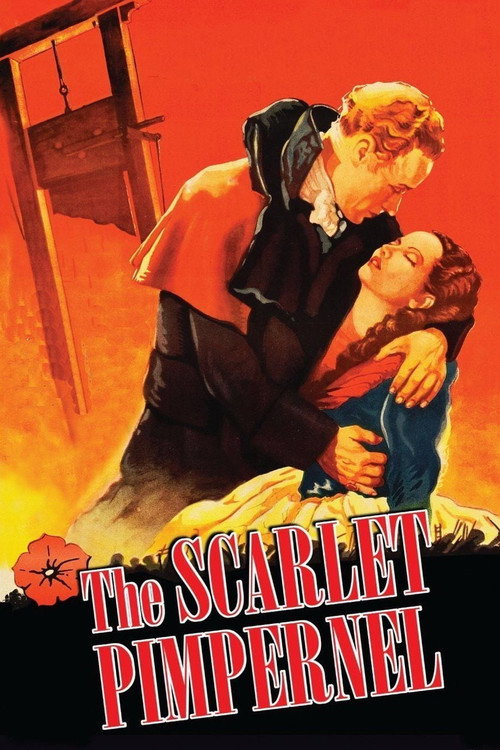
The Scarlet Pimpernel1934
Errol Flynn as a nobleman who leads a double life saving aristocrats from the Terror. It has the same balance of daring, disguise, and romance, plus George Cukor's sure hand at keeping things moving and light.
But The pacing is slower than modern audiences expect, and some of the supporting turns feel stagy. Nearly two hours.
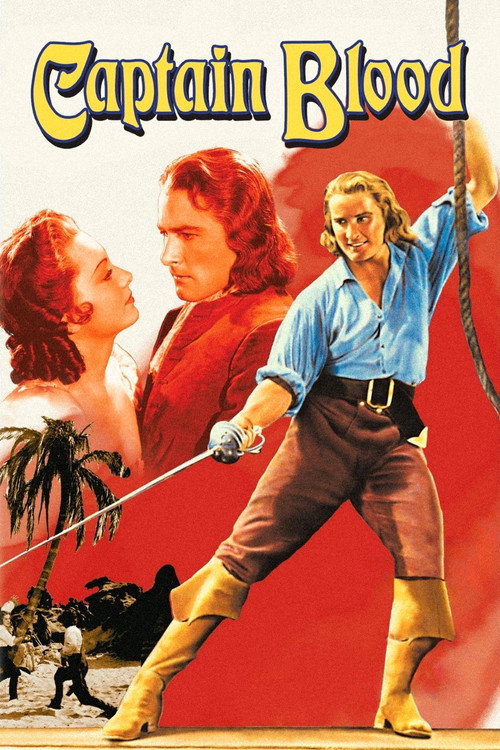
Captain Blood1935
Flynn again, this time as a wronged man turned pirate, with Olivia de Havilland and Michael Curtiz directing some of the most spirited sword-fighting in cinema. It's the blueprint for everything The King's Thief tries to do.
But Dated special effects in the naval sequences, and the romance feels obligatory. Some of the racial attitudes in the background are hard to ignore.
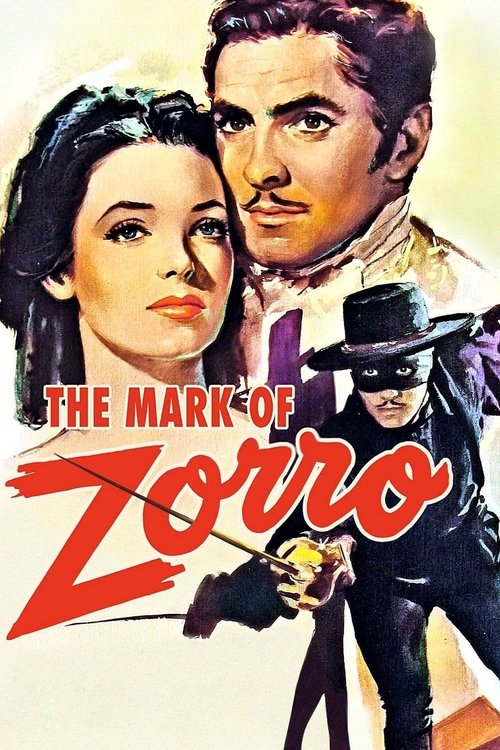
The Mark of Zorro1940
Tyrone Power as the charming, disguised avenger. It's the DNA of every roguish hero in tights: wit, swordplay, a secret identity, and genuine stakes underneath the entertainment. Beautifully proportioned at 94 minutes.
But The plot is as thin as the dialogue is snappy. If you need weight, this will feel like air.
Not sure tonight? Get a pick in a minute, starting from The King's Thief
The wildcard
Something you would not have found on your own.
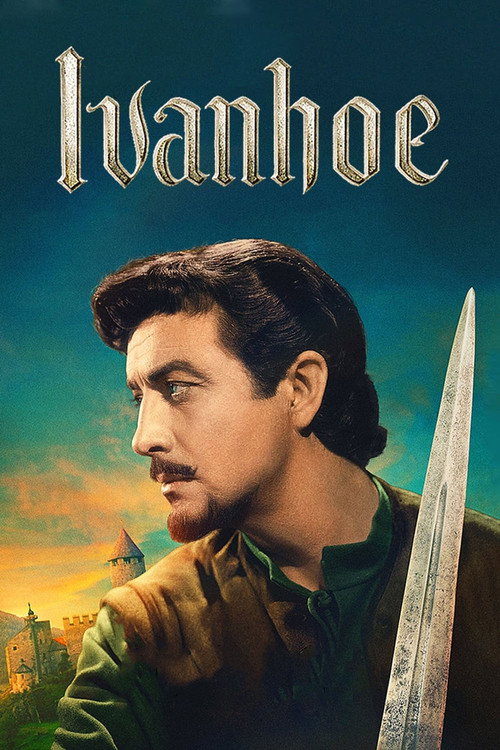
Ivanhoe1952
Both are Technicolor period adventures set in a royal court, but Ivanhoe treats its story as something that matters, giving the romance and the political intrigue real consequence—the inverse of The King's Thief's deliberate lightweight charm.
Richard Thorpe's lavish adaptation with Robert Taylor: a proper medieval adventure with romance, politics, and sword fights, but grounded in real stakes and genuine peril. It's what The King's Thief aspires to be, with more weight. Still entertaining, less fluff.
But Scott's source material means there's plot and exposition. Thirty minutes longer than The King's Thief and it feels like it. Some modern viewers find the earnestness dated.
More like this (7)
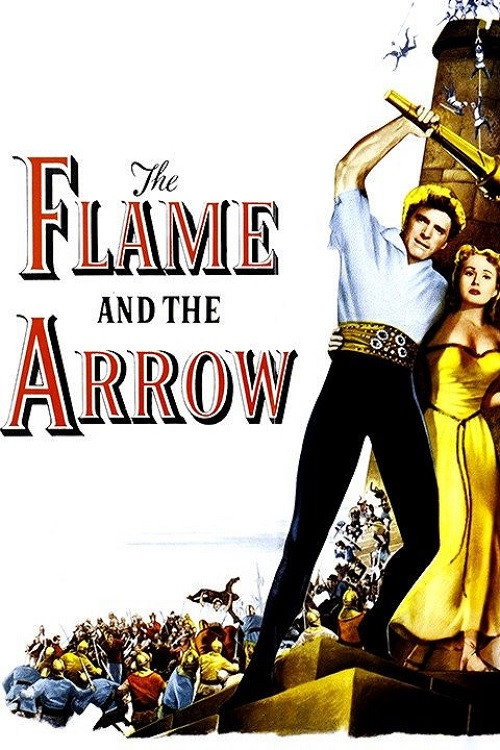
The Flame and the Arrow1950
Burt Lancaster at his most acrobatic as a Robin Hood type in medieval Italy. It's all swing and wit and impossibly athletic sword fights. Pure fun, and it understands that adventure stories don't need to apologize for being fun.
But The gymnastics can feel like showing off. The plot twists won't surprise you. The romantic subplot is strictly obligatory.
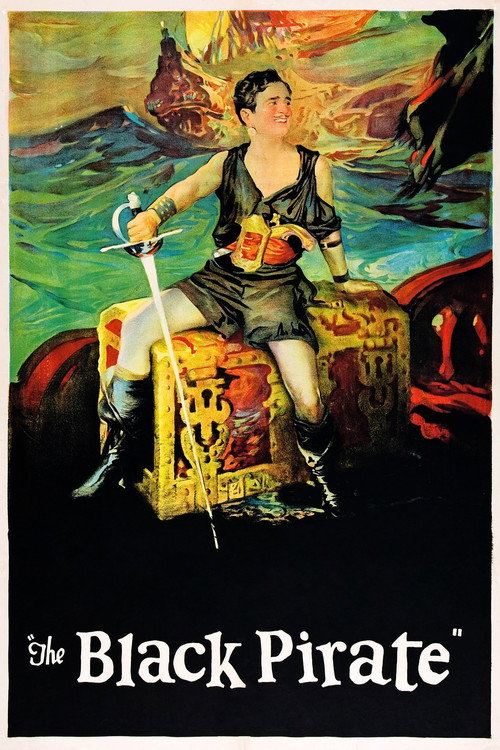
The Black Pirate1926
Douglas Fairbanks Sr. in silent Technicolor—the actual grandfather of The King's Thief. His physicality and the early-colour cinematography are stunning. This is where all the roguish swordsman DNA starts.
But Silent film acting takes getting used to. No dialogue means the pantomime can read as overwrought. The racial content is period-appalling.
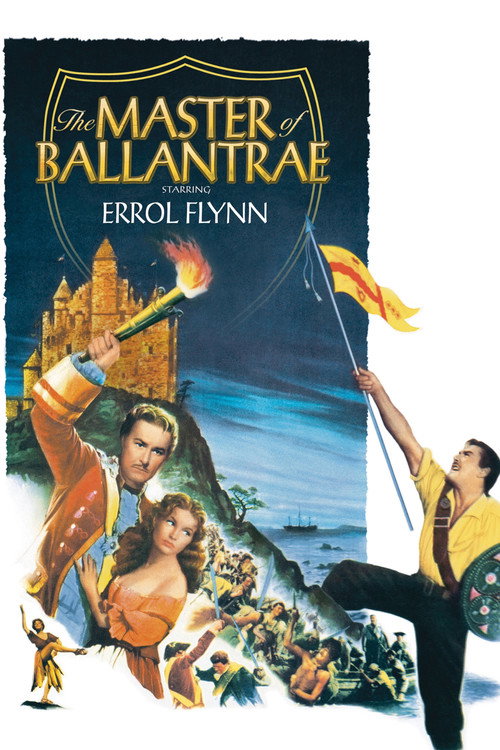
The Master of Ballantrae1953
Errol Flynn and Roger Livesey in a Scottish adventure about brothers on opposite sides. It's got more melodrama than The King's Thief and sharper writing, with Flynn playing against his charming type just enough to be interesting.
But The story gets genuinely dark in places, undercutting the adventure tone. Tonal inconsistency, though some will see that as honesty.
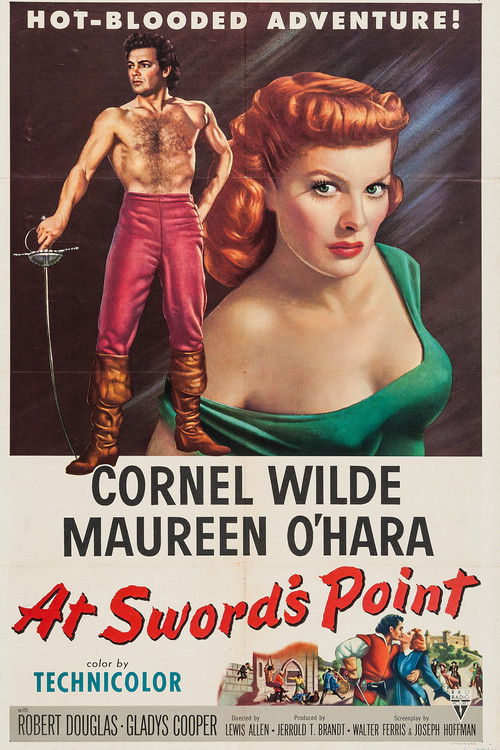
At Sword's Point1952
Cornel Wilde and Maureen O'Hara in a Technicolor Three Musketeers sequel that doesn't try to improve on the original, just echoes it pleasantly. Efficient, handsome, and honest about what it is.
But Entirely generic. If you've seen one Musketeer story you've seen this one. No personality, no surprises, and it knows it.
The Sword and the Cross1958
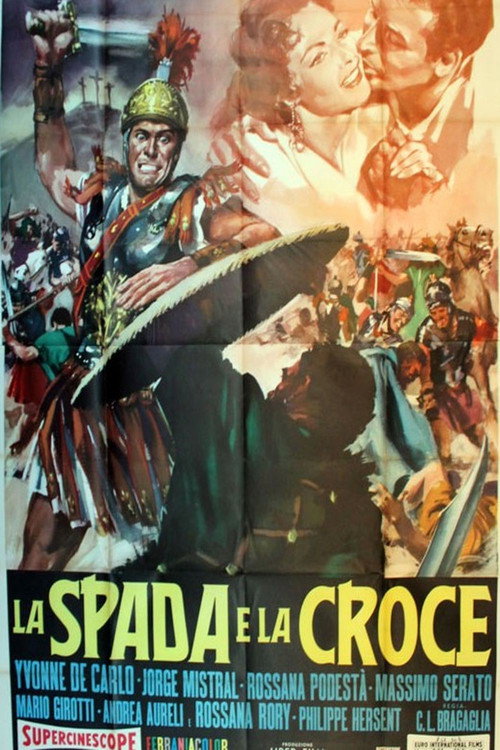
Yvonne De Carlo in a Mediterranean intrigue with sword fights and a plot about religious relics. It's weird and sometimes badly made, but genuinely committed to its own strangeness in a way more polished films aren't.
But The seams show everywhere. Bad dialogue, awkward editing, performances that don't align. This is trash, but self-aware trash. Not everyone wants to go there.
The Killing1956
Both came out in the mid-1950s, both use ensemble casts and witty dialogue to distract from thin plots, and both trust that style and momentum matter more than substance—but one uses that freedom for escape fantasy and the other for existential darkness.
Kubrick's debut: a robbery film told in fractured time, with Sterling Hayden and an ensemble cast moving through a horse track and its underworld. Completely different genre, but it's also 1950s Hollywood making something lean, witty, and structurally playful on a small budget.
But It's noir, not adventure. Grainy black and white. The narrative games require attention. It's cynical where The King's Thief is frivolous.

The Barefoot Contessa1954
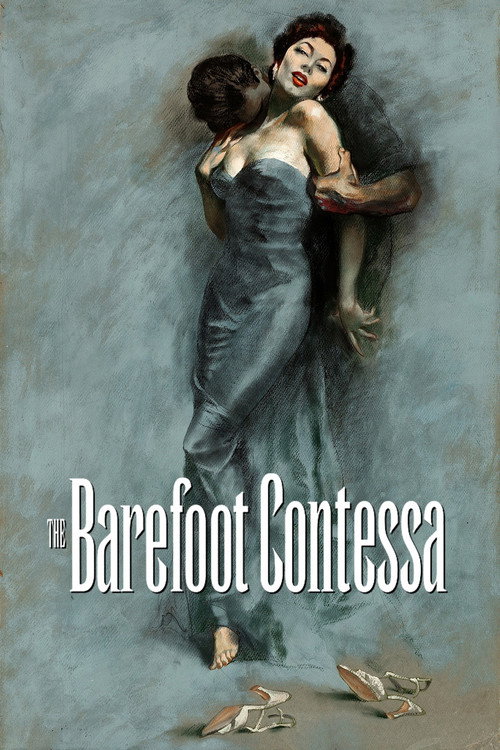
Both are lavish 1950s Technicolor films that are fully aware of their own beauty and artifice, but while The King's Thief uses that self-awareness to create weightless fun, Contessa uses it to suggest that beauty and charm are precisely what corrupt us—same visual language, opposite moral temperature.
Mankiewicz directing Bogart, Ava Gardner, and Edmond O'Brien in a Hollywood-adjacent story about corruption, beauty, and moral compromise. It's cynical, gorgeously shot, and the dialogue makes you lean in. Nothing like The King's Thief in subject, but identical in craft-consciousness.
But It's slow. It's interested in talking about ideas rather than moving the plot. The tone is melancholy, even tragic. If you want escapism, this is the opposite.
People
Cast
 Ann BlythLady Mary
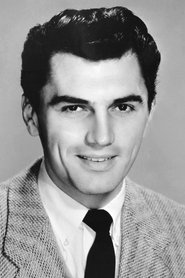 Edmund PurdomMichael Dermott
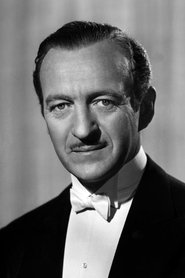 David NivenJames - Duke of Brampton
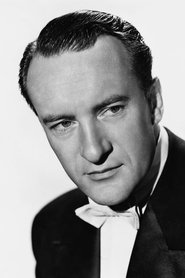 George SandersKing Charles II
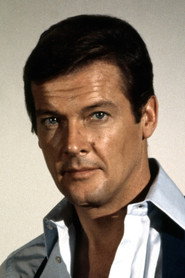 Roger MooreJack
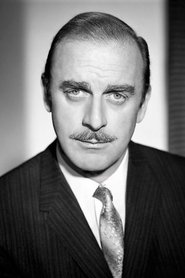 John DehnerCaptain Herrick
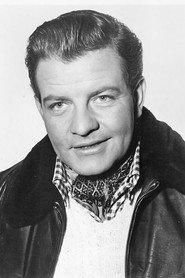 Sean McClorySheldon
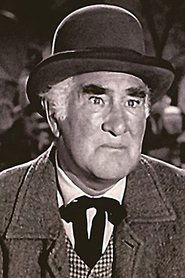 Tudor OwenSimon
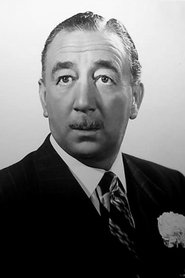 Melville CooperHenry Wynch
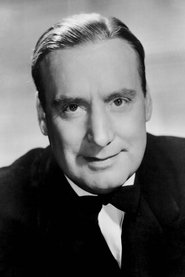 Alan MowbraySir Gilbert Talbot
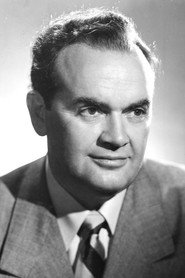 Rhys WilliamsTurnkey
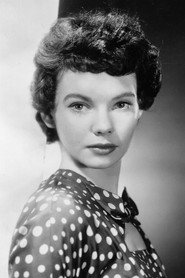 Joan ElanCharity Fell
Directing
- Robert SaundersAssistant Director
- Robert Z. LeonardDirector
- Yakima CanuttSecond Unit Director
Writing
- Robert Hardy AndrewsStory
- Christopher KnopfWriter
Production
- Edwin H. KnopfProducer
- Al ShenbergUnit Manager