
Film
At Sword's Point
A 1952 Technicolor sequel where the children of the original Musketeers inherit their parents' swords and swagger to save the French throne from a scheming duke. It's gorgeously shot swashbuckling fun with a proto-feminist edge: one hero happens to be a woman who's equally handy with a rapier. Pure adventure, unashamed about its own theatricality, made for people who want colour, romance, and fights without irony.
If you liked this
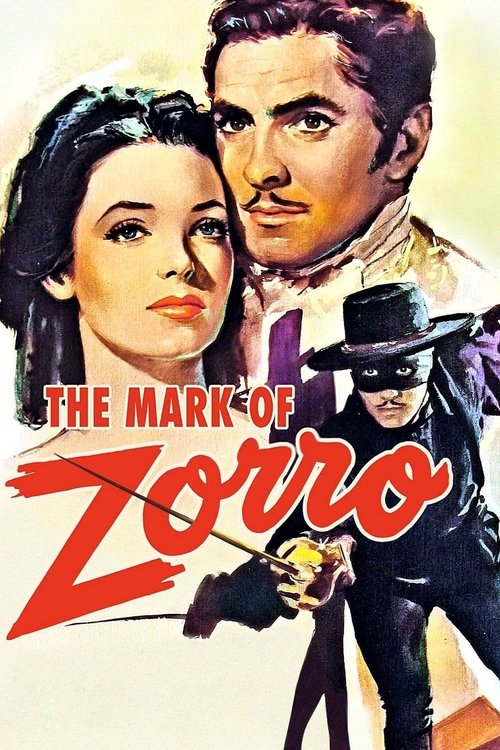
The Mark of Zorro1940
Tyrone Power as the masked swordsman set the template for every dashing hero who follows. It has the same blend of derring-do, disguise, and romantic tension, with sword fights that still thrill and a leading man who makes impossible things look effortless.
But The pacing is stately by modern standards. It's a 1940 film, so if you need constant forward momentum, you'll find stretches where plot yields to charm.
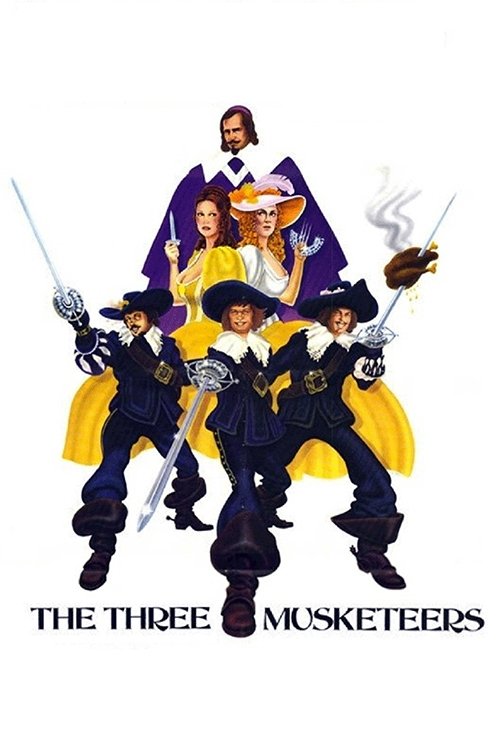
The Three Musketeers1973
Richard Lester's version is anarchic and alive—slapstick swordplay that somehow makes you believe in the camaraderie. It captures that same spirit of friendship-above-all and adventure as genuinely fun rather than grimly heroic.
But The comedy is very broad and very 1970s. If you're after something grittier or more straightforward, the constant mugging will exhaust you.
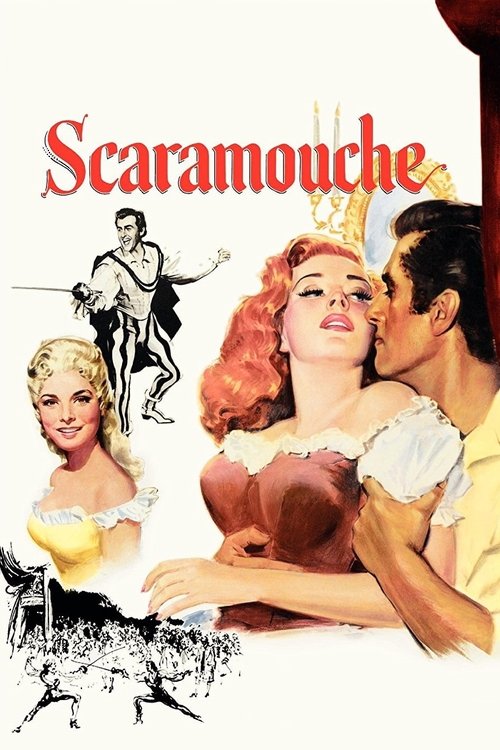
Scaramouche1952
Released the same year, this Stewart Granger film is cut from identical cloth: technicolor, elaborate sword choreography, a charismatic lead, and revenge on the agenda. The climactic duel alone is worth the price of admission.
But It's leisurely. Long stretches are devoted to romance and intrigue before the action kicks in. Modern viewers accustomed to faster cutting might find it dawdles.
Not sure tonight? Get a pick in a minute, starting from At Sword's Point
The wildcard
Something you would not have found on your own.
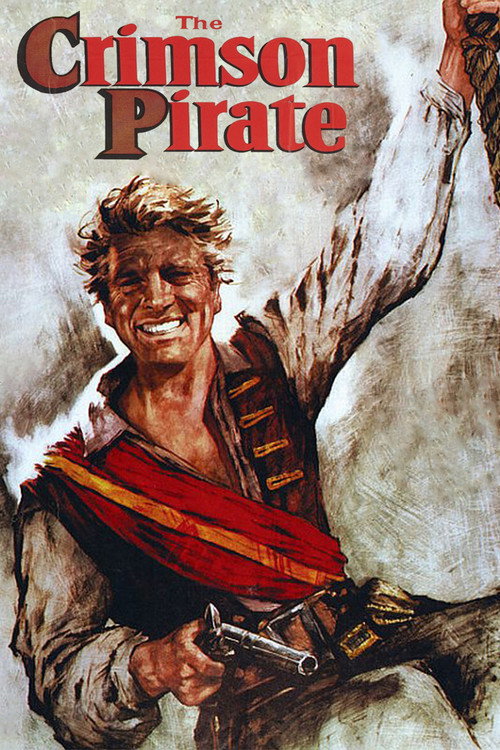
The Crimson Pirate1952
Both films celebrate the body in motion as a form of storytelling—swordplay and acrobatics as pure visual language. Both treat adventure as an end in itself rather than a means to drama, and both trust their audience to enjoy spectacle without irony.
Burt Lancaster as a swashbuckling acrobat-pirate, same year as At Sword's Point but operating in a completely different register. It's anarchic, physically inventive, and commits to its own absurdity with infectious joy. The wire work and stunt coordination are genuinely dazzling.
But The tone is deliberately campy and lightweight. If you're seeking psychological depth or narrative complexity, this gleefully offers none of it. Some viewers find the constant physical comedy exhausting rather than charming.
More like this (8)
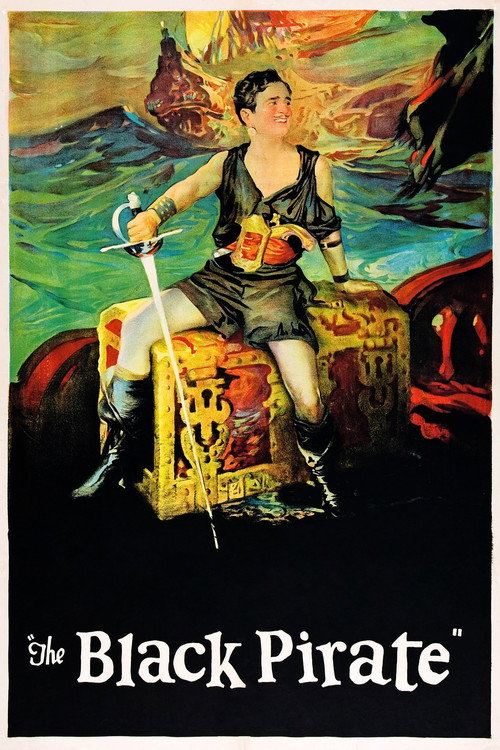
The Black Pirate1926
Douglas Fairbanks doing what he did best: impossible acrobatics, genuine swashbuckling adventure, and charm that transcends the silent era. The sword fights are inventive and the man moves like he's defying gravity.
But It's silent, which means intertitles and no dialogue. The acting style is theatrical by necessity. If you've never watched silent film, it requires a small adjustment.
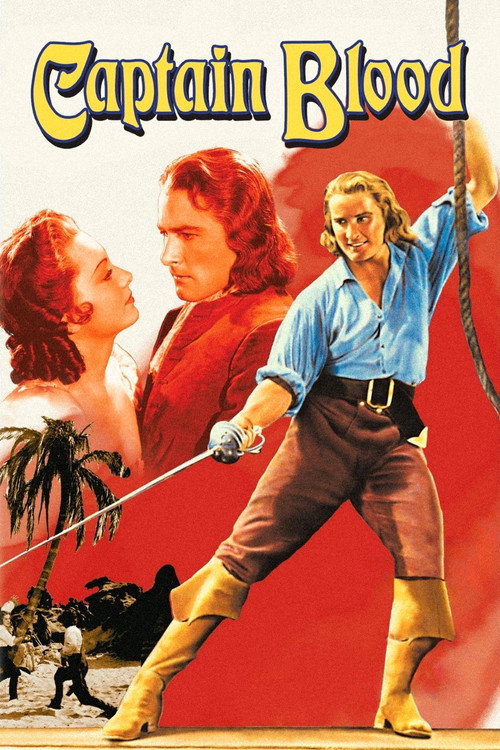
Captain Blood1935
Errol Flynn's breakthrough. He has the same effortless charm as Cornel Wilde, the same commitment to romance and honour alongside adventure. The sword fights were groundbreaking for their time and still hold up.
But The pacing is deliberate, and the colonial-era politics can feel dated. Some of the attitudes baked into the story haven't aged well.
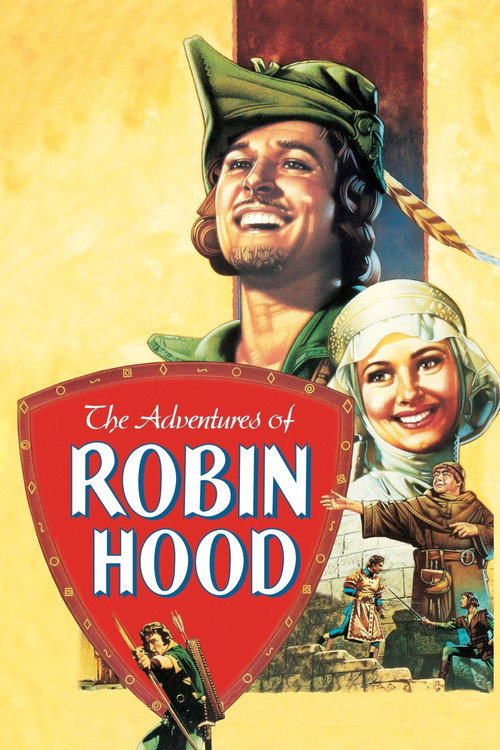
The Adventures of Robin Hood1938
Errol Flynn again, in glorious Technicolor, stealing from the rich with style and wit. It has that same commitment to spectacle and charm, with Michael Curtiz directing action sequences that sing.
But The tone is much lighter and more comedic than At Sword's Point. If you want something with deeper stakes or darker themes, this skews heavily toward fun.
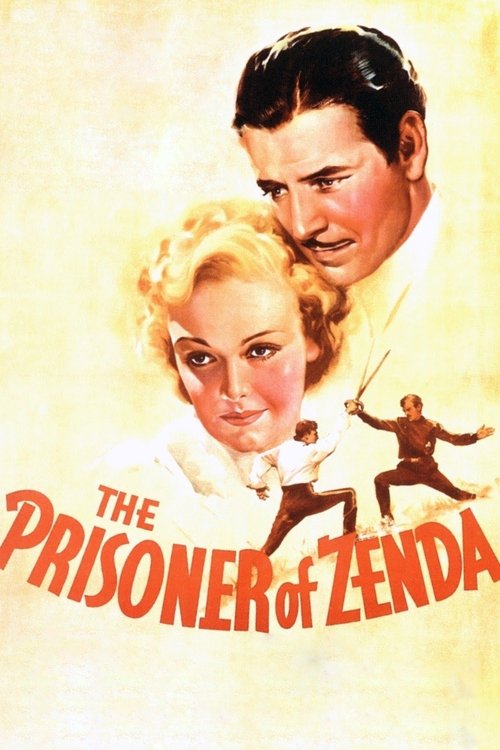
The Prisoner of Zenda1937
Ronald Colman in a tale of doubles, secrets, and heroism. It has intricate plotting, romance, sword fights, and the same sense that honour matters. The twist on identity echoes through adventure cinema.
But It's more concerned with plot machinery than pure action. Long stretches are given over to exposition and political maneuvering. Some find it overwrought.
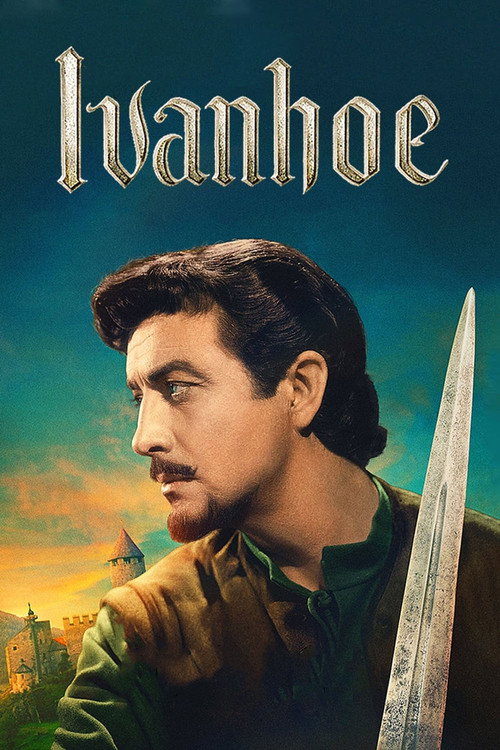
Ivanhoe1952
Robert Taylor, historical setting, spectacular tournament sequences, and a genuine sense of chivalry tested. MGM's Technicolor spectacle applied to medieval adventure with real craft behind the camera.
But The romance dominates the second half. If you're after relentless action, the love story becomes the main plot and the adventure takes a back seat.
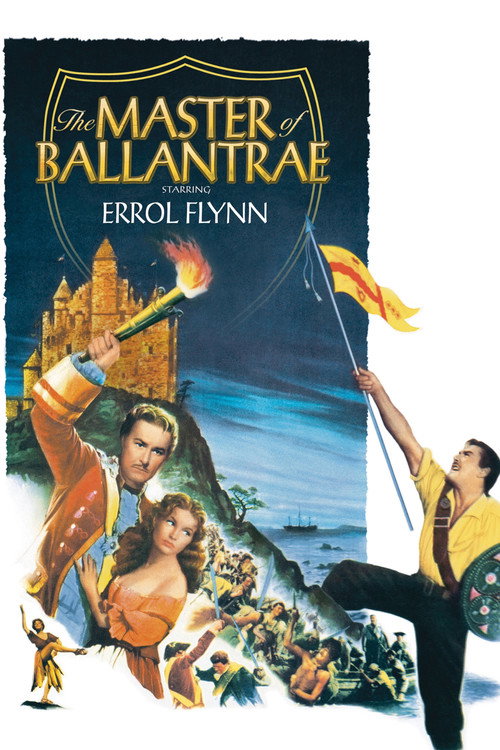
The Master of Ballantrae1953
Errol Flynn and Roger Livesey as brothers on opposite sides of political upheaval. It's got the same Technicolor gloss and adventure-serial energy, with genuine emotional stakes beneath the spectacle.
But It's uneven. The second half shifts tone and location in ways that feel disjointed. Some sequences feel padded, others rushed.
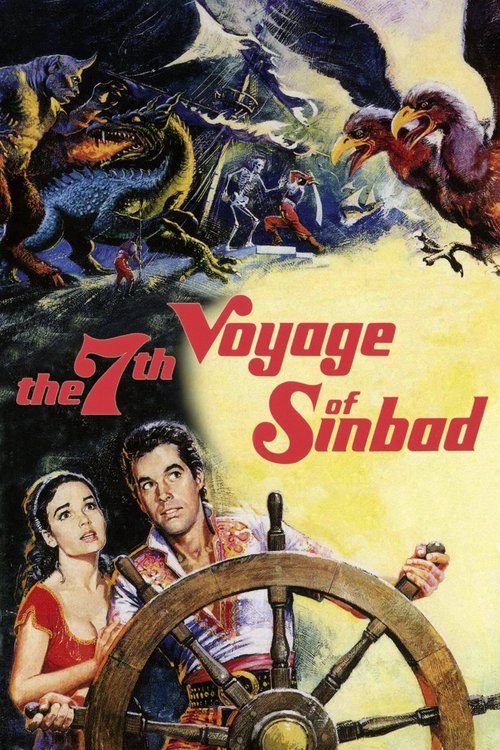
The 7th Voyage of Sinbad1958
Both films prioritize the joy of impossible physical achievements—whether a perfectly executed duel or a perfectly executed creature—over plot mechanics. Both trust that heroism, beauty, and adventure are their own justification.
Ray Harryhausen's stop-motion creatures and Kerwin Mathews' dashing hero create something that feels like animated adventure poetry. It has that same unapologetic commitment to wonder and impossible feats, but rendered through magic rather than swordplay.
But The animation, however brilliant, is deliberately artificial. The pacing is dreamlike and episodic. Modern audiences trained on realism may find the aesthetic and rhythm alienating.
The Duellists1977
Where At Sword's Point uses swordsmanship as a language of joy and camaraderie, The Duellists uses it as the language of compulsion and damage. Both films recognize that how you fight reveals who you are, but they draw opposite conclusions about what that means.
Ridley Scott's obsessive study of two Napoleonic officers locked in ritualized combat across decades and continents. It's gorgeous, austere, and deadly serious about honour and obsession. The sword choreography is balletic and brutal.
But It's a film about repetition and stasis—the same argument fought in different locations. If you need forward momentum and resolution, the circular structure will frustrate you. It's also visually dark and emotionally cold.
People
Cast
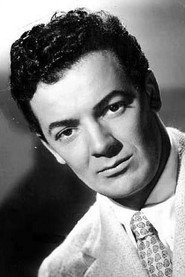 Cornel WildeD'Artagnan Jr.
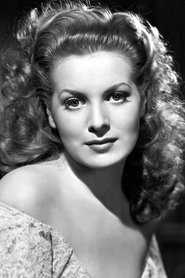 Maureen O'HaraClaire - daughter of Athos
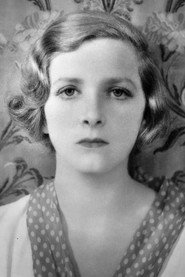 Gladys CooperQueen Anne
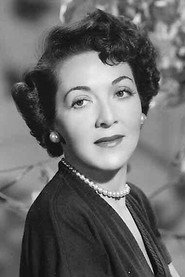 June ClayworthComtesse Claudine
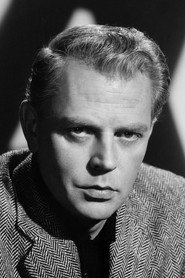 Dan O'HerlihyAramis Jr.
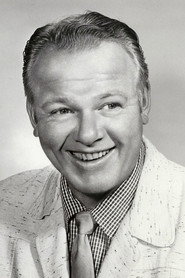 Alan Hale Jr.Porthos Jr.
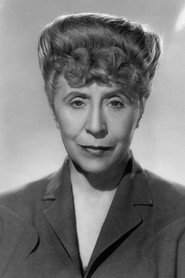 Blanche YurkaMadame Michom
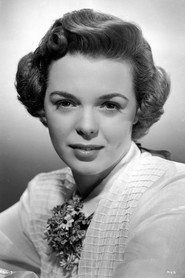 Nancy GatesPrincess Henriette
 Edmund BreonQueen's Chamberlain
 Peter MilesYoung Louis XIV
 George PetrieChalais
 Moroni OlsenPorthos
Directing
- William DorfmanAssistant Director
- Lewis AllenDirector
Writing
- Joseph HoffmanScreenplay
- Walter FerrisScreenplay
- Aubrey WisbergStory
- Jack PollexfenStory
Recommended by
The Sword and the Rose, The Exile, The King's Thief, The Bold Caballero, The Fighting O'Flynn, Last of the Buccaneers