
Film
The Exile
A 1947 swashbuckler where exiled King Charles II hides in the Dutch countryside, caught between love and duty. Douglas Fairbanks Jr. brings charm and agility to a film that prioritizes romantic adventure over historical accuracy. It's a handsome, breezy affair—the kind of thing designed to transport you for ninety minutes without demanding much in return.
If you liked this
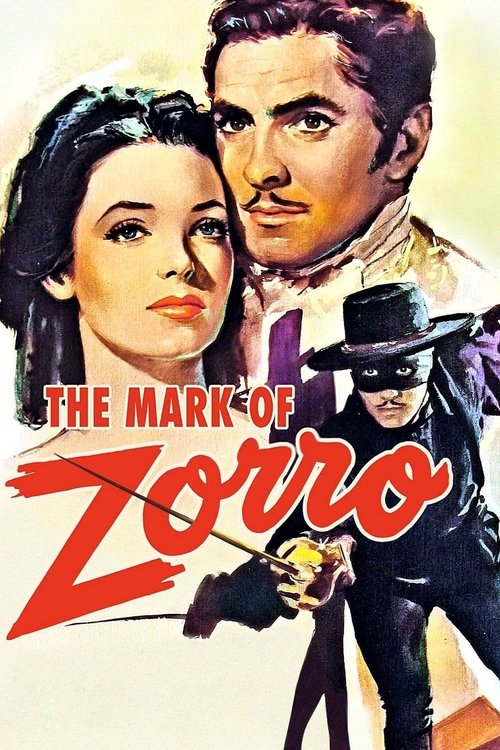
The Mark of Zorro1940
Tyrone Power in a richly entertaining earlier swashbuckler with real wit, dazzling swordplay, and a hero who's equally convincing in disguise. Pure adventure movie craft.
But It's staunchly a product of 1940 Hollywood melodrama, with romance that can feel overwrought to modern sensibilities.
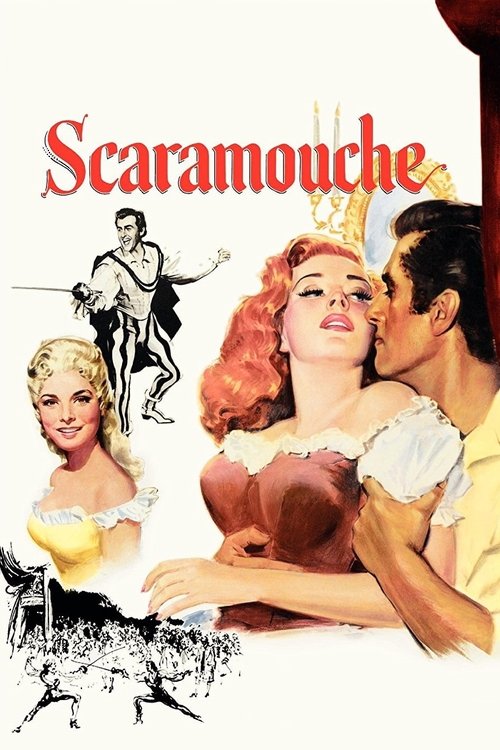
Scaramouche1952
Stewart Granger is magnificent—acrobatic, charismatic, and genuinely funny. The revenge plot snaps with energy, the duel finale is extraordinary, and it's made with obvious love for the form.
But The plot is fairly straightforward, and if you're looking for character depth you'll be disappointed. It's pure spectacle and charm.
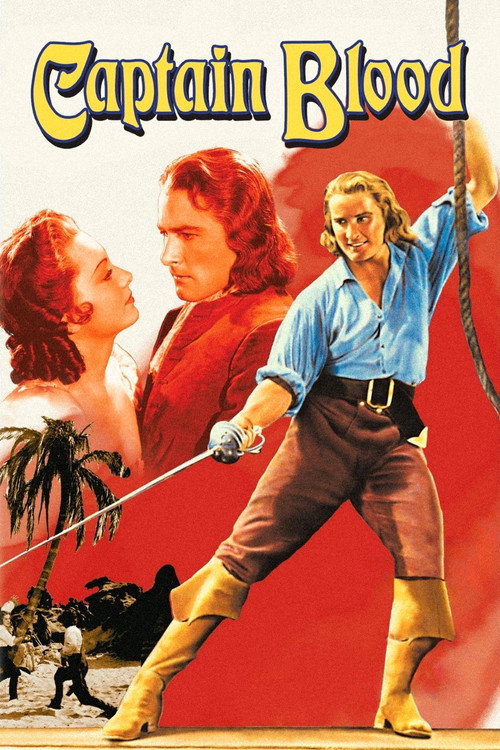
Captain Blood1935
Errol Flynn at his absolute peak: roguish, athletic, and utterly alive. A wrongly exiled man who turns pirate—the DNA of every swashbuckler that followed. The sword choreography is genuinely exceptional.
But The pacing drags in places, and the 1935 production values might feel primitive if you're used to more recent film.
Not sure tonight? Get a pick in a minute, starting from The Exile
The wildcard
Something you would not have found on your own.
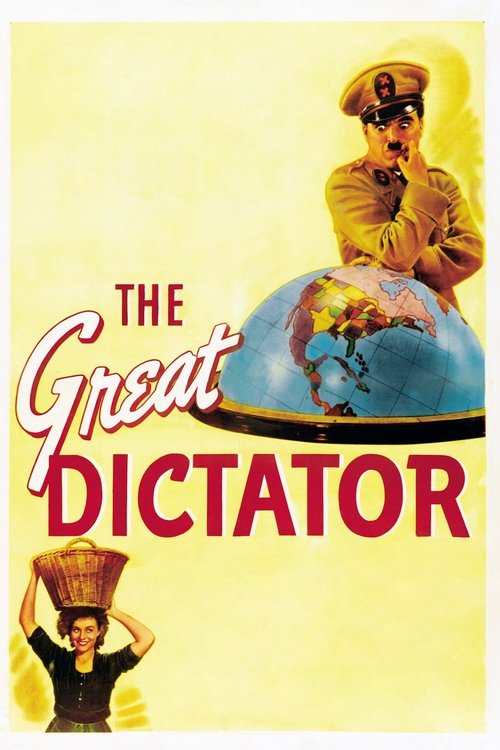
The Great Dictator1940
Both films wrestle with exile, power, and identity through a charismatic performer's body. Chaplin and Fairbanks Jr. are using physical grace to argue opposing views on the same historical moment.
Charlie Chaplin as a Jewish barber and a fascist dictator in a film that's simultaneously hilarious and politically urgent. It's the inverse of The Exile—using the Cromwell-era tension between liberty and tyranny as modern allegory. Chaplin argues for humanity over power through his body, just as Fairbanks Jr. does through his swordplay.
But It's a tonal whiplash—comedy careening into genuine moral rage, especially the final speech. If you want escape, not confrontation, it will exhaust you.
More like this (8)
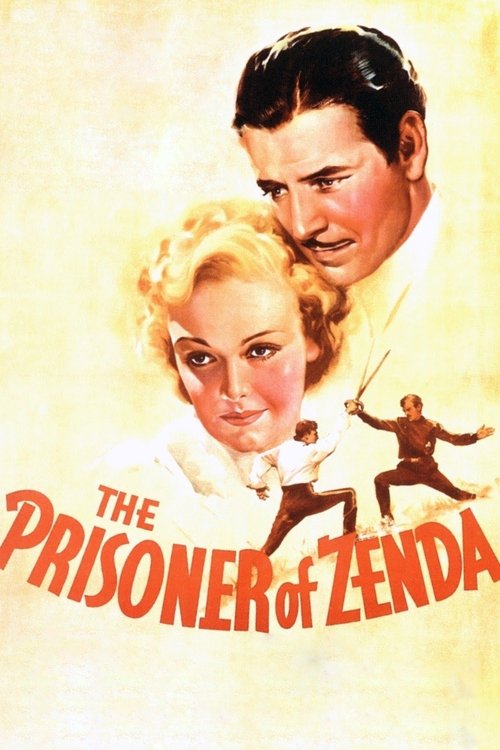
The Prisoner of Zenda1937
Ronald Colman in a pitch-perfect adventure about mistaken identity and divided loyalty. Witty, romantic, impeccably shot. It's the template for this entire subgenre, and it still works beautifully.
But It's an older film that moves deliberately. If you want constant action, you'll feel the breathing room.
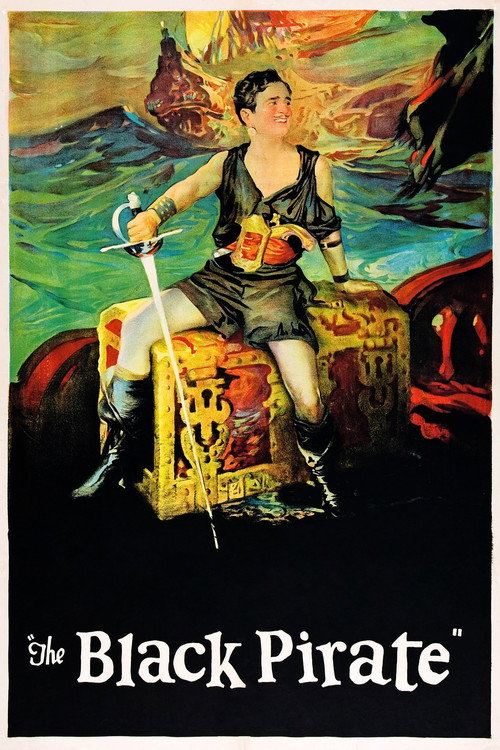
The Black Pirate1926
Douglas Fairbanks Sr. doing what he invented—swashbuckling with balletic grace and genuine innovation. A film that changed action cinema. Surprisingly entertaining even without synchronized sound.
But Silent film is a genuine barrier for many viewers. The melodrama is broad. If you haven't seen a silent adventure, start elsewhere.
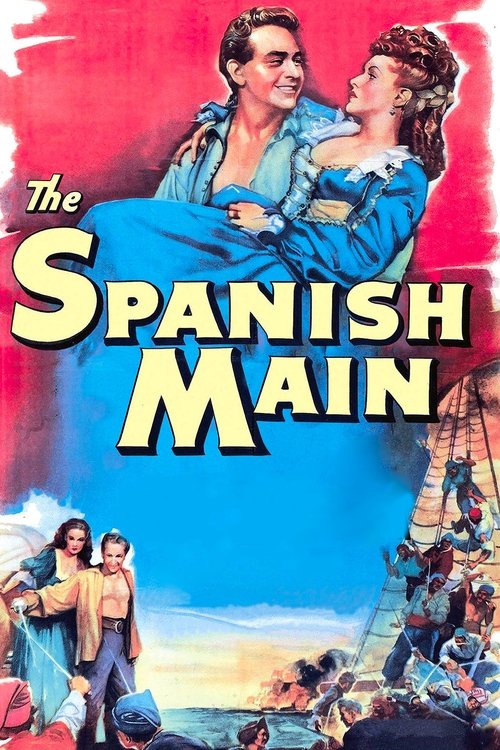
The Spanish Main1945
Paul Henreid and Maureen O'Hara in a shipboard pirate romance that's visually gorgeous and surprisingly spirited. Henreid is underrated and O'Hara is formidable—excellent chemistry.
But It's a formulaic romance with piracy as backdrop rather than substance. The plot is thin even by adventure standards.
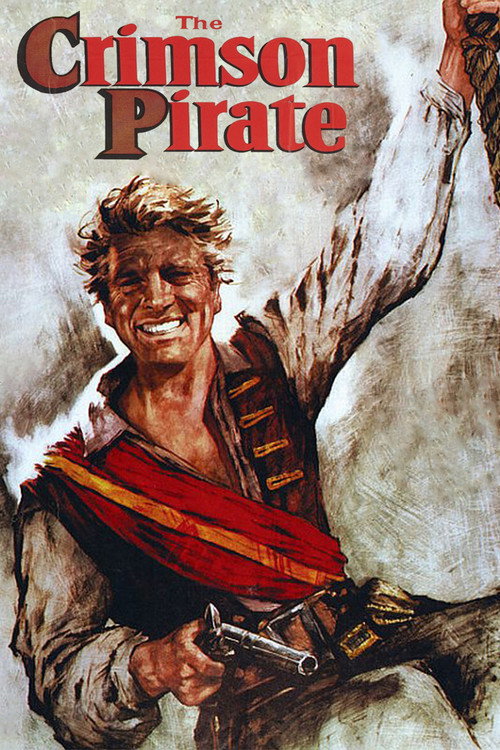
The Crimson Pirate1952
Burt Lancaster is joyously acrobatic in this candy-colored romp. It's anarchic, playful, and doesn't take itself seriously for a moment. Pure, uncomplicated fun with real physical prowess on display.
But The tone is almost vaudeville, which will grate if you want your adventure with any darkness or weight to it.
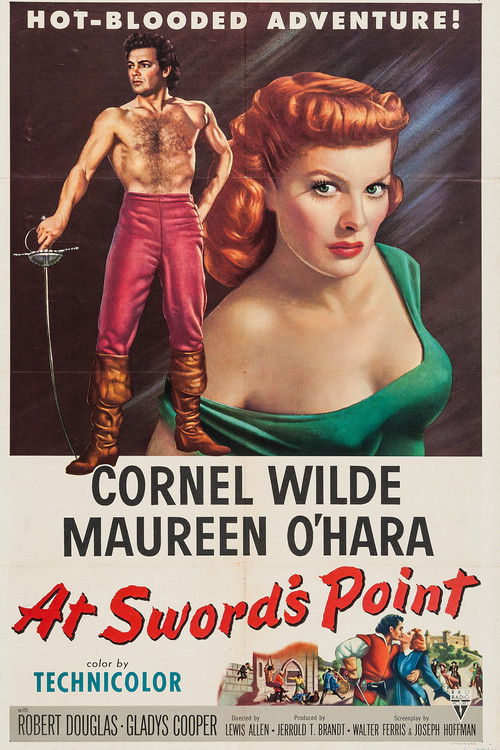
At Sword's Point1952
The sons of the original musketeers take up the cause—a high-spirited, colorful adventure with Cornel Wilde. It understands what made the original stories work: camaraderie, wit, and acrobatic problem-solving.
But It relies entirely on charm and spectacle, offering nothing beyond surface entertainment. If you need stakes, you won't find them here.
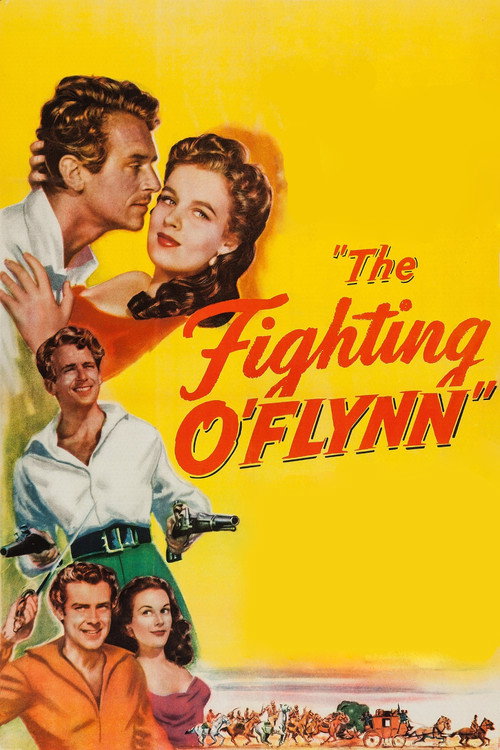
The Fighting O'Flynn1949
Douglas Fairbanks Jr. again, this time in Regency Ireland fighting the French. It's spirited and handsomely made, with good humor and solid swordplay. A solid mid-tier adventure that knows what it is.
But It's slight even among swashbucklers, and the Irish setting never quite convinces. There's nothing here that lingers after you've watched it.
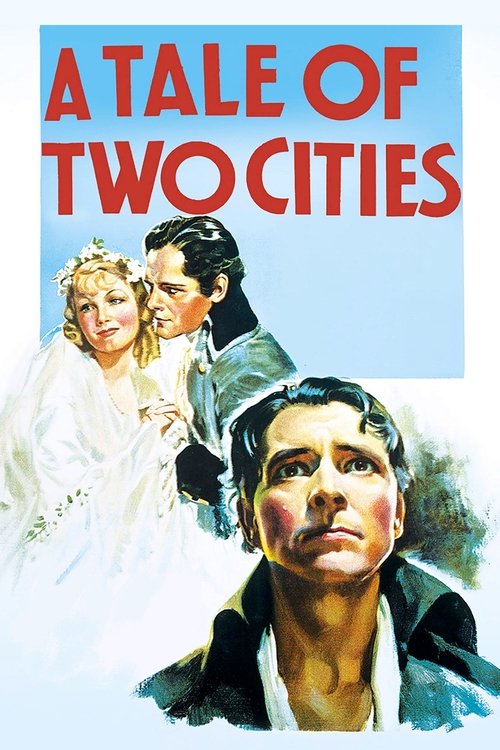
A Tale of Two Cities1935
Both follow a displaced nobleman caught between two worlds, but where The Exile keeps you light on your feet, this one asks what the cost of survival really is.
Ronald Colman in a remarkably moving adaptation of Dickens set during the French Revolution—another story of exiles, resurrection, and the choice between safety and sacrifice. It has the period grandeur of The Exile but with genuine emotional weight and historical dread.
But It's deeply serious where The Exile is playful. The ending is devastating. You cannot watch this as a lark.
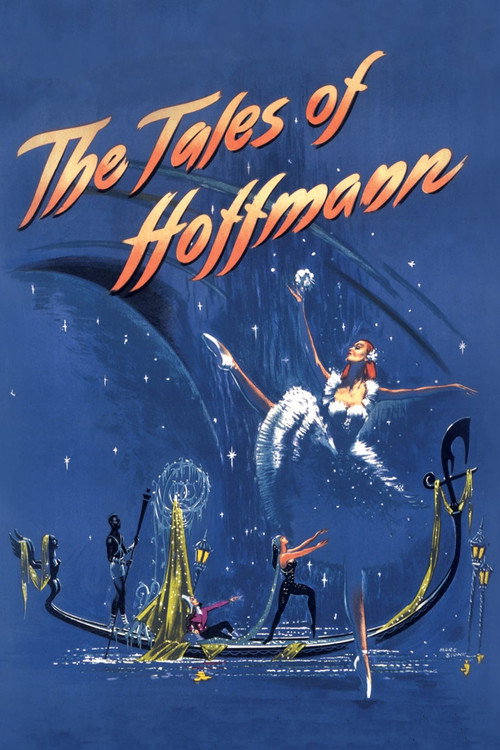
The Tales of Hoffmann1951
Like The Exile, it's built on a charismatic male performer moving through lustrous, theatrical spaces. But where one is adventure-shaped, this is art-shaped—the same engine driving completely different machinery.
A Powell and Pressburger musical fantasy about an artist displaced by impossible love. It's gorgeous, strange, and uses physical movement (dance and swordplay sequences) to express emotion. An adventure film made entirely of texture and atmosphere instead of plot.
But It's operatic and painterly—if you're expecting narrative momentum or conventional storytelling, you'll be frustrated. It moves like a dream.
People
Cast
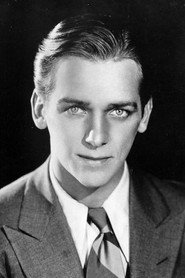 Douglas Fairbanks Jr.Charles II
 Maria MontezCountess Anbella de Courteuil
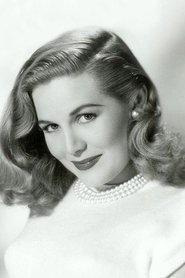 Rita CordayKatie
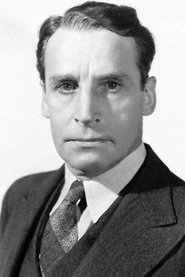 Henry DaniellColonel Ingram
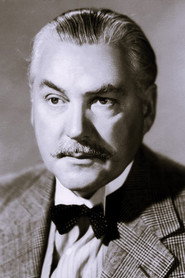 Nigel BruceSir Edward Hyde
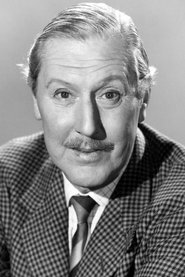 Robert CooteDick Pinner
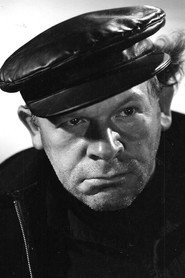 Otto WaldisJan
- Eldon GorstSeymour
- Milton OwenWilcox
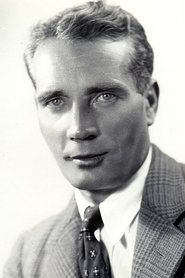 Colin Keith-JohnstonCaptain Bristol
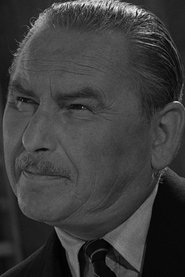 Ben WrightMilbanke
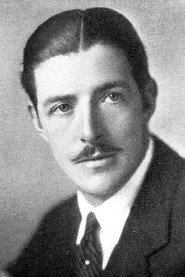 Colin KennyRoss
Directing
- Ben ChapmanAssistant Director
- Max OphülsDirector
Writing
- Cosmo HamiltonNovel
- Douglas Fairbanks Jr.Writer
Production
- Douglas Fairbanks Jr.Producer