
Film
The Prisoner of Zenda
Other titles called The Prisoner of Zenda: the 1922 film, the 1937 film.
A swashbuckling fantasy adventure where an English gentleman is forced to impersonate a European king after the real one vanishes. Starry, romantic, and gloriously unashamed of its own escapism—a Technicolor feast of swordplay, court intrigue, and a love triangle that knows exactly what it is. Pure adventure-movie comfort food.
Should you watch it?
Watch it if you love swashbuckling romance played straight, with a dashing double role, a sly villain who steals scenes, and a rousing sword duel that feels like it was staged for pure pleasure.
Skip it if you need modern pacing or a story that keeps asking hard questions; this is a polished, old-fashioned entertainment that trades complexity for charm and spectacle.
What it asks of you: About a hundred minutes of easy, unhurried attention, with a gentle romantic lean and a light touch, so you can settle in and let the costumes and banter carry you.
Not sure? Find tonight's pick in a minute.
If you liked this
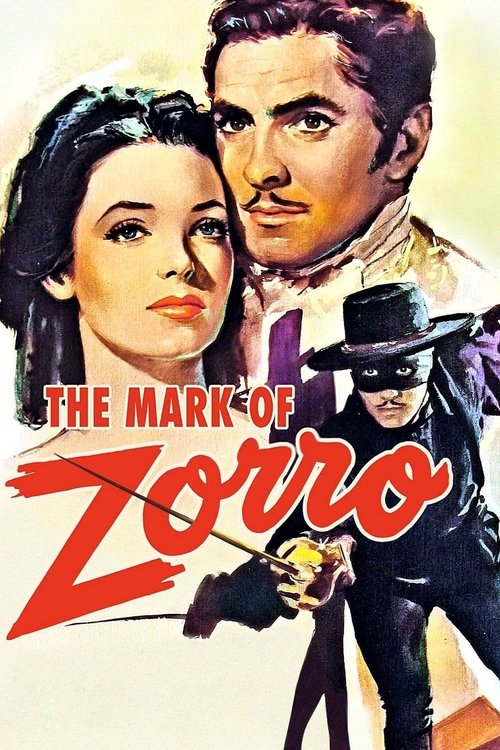
The Mark of Zorro1940
Tyrone Power as a masked avenger with a smile and a blade. It has the same DNA as Zenda—the charming man with a secret, the woman he loves, the villain who delights in being villainous. Swiftly paced and deeply stylish.
But The political message is thin. If you want substance beneath the cape, look elsewhere.
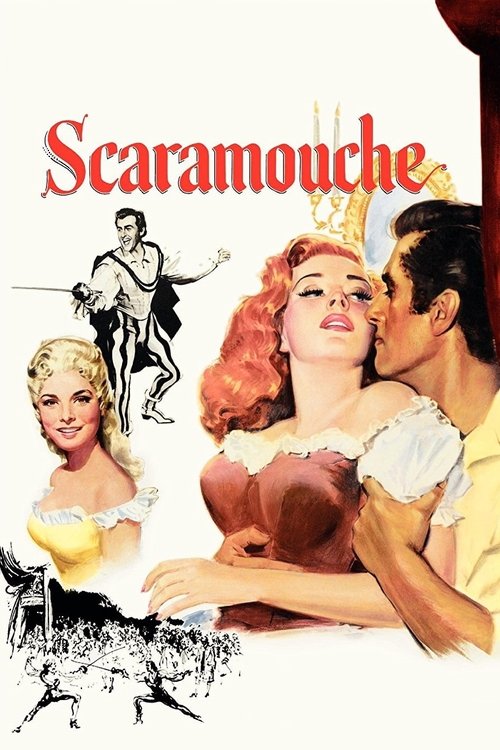
Scaramouche1952
Stewart Granger again, this time as a rogue swordsman fighting revolution and revenge. It matches Zenda's tumbling energy and romance, with one of cinema's greatest duels. Impossible not to grin.
But The plot is baggy and the tone teeters between comedy and melodrama. Some will find it uneven.
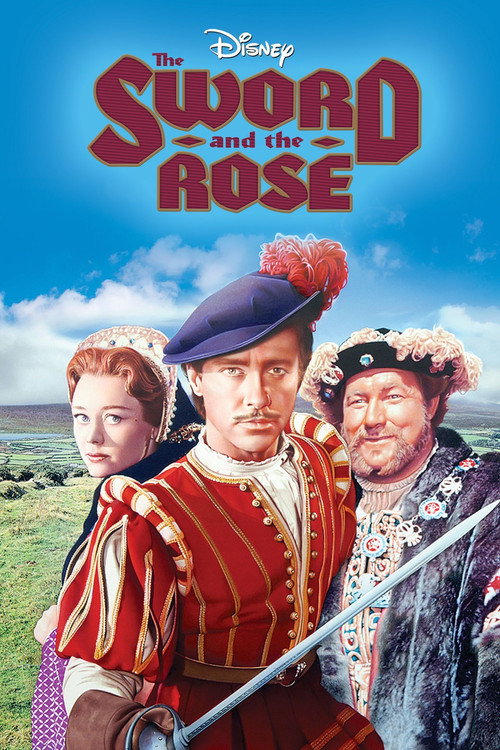
The Sword and the Rose1953
A Disney swashbuckler with James Robertson Justice and Glynis Johns. It has that same Technicolor warmth and storybook logic, swapping political intrigue for Tudor court games and a love story that matters.
But It's gentler and slower than Zenda. Modern audiences accustomed to cutting-edge action may find it ponderous.
Not sure tonight? Get a pick in a minute, starting from The Prisoner of Zenda
The wildcard
Something you would not have found on your own.
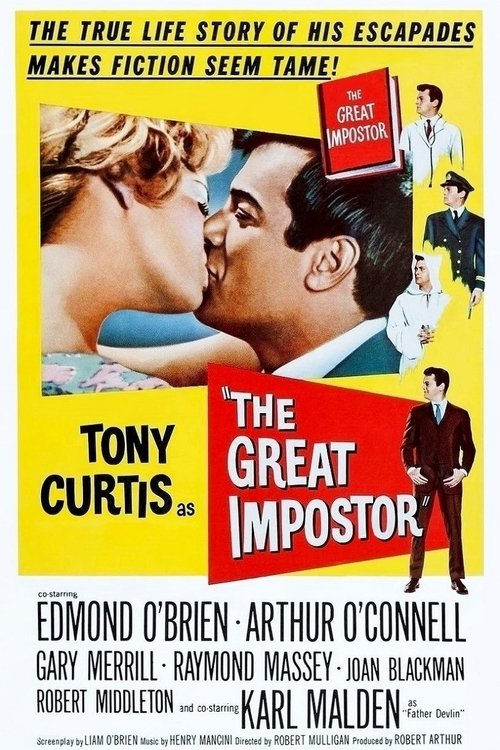
The Great Impostor1960
Both explore the vertigo of living another man's life, but Zenda asks 'what if I were noble enough to do it right?' and The Great Impostor answers 'what if I'm too broken to stop?'
Tony Curtis as a real-life conman who impersonates a dozen roles—pilot, doctor, priest, soldier. Where Zenda is romantic fantasy, this is the ugly-funny mirror: the same engine of identity and performance, but running on pathology and delusion.
But It's fundamentally cynical where Zenda is gallant. The comedy can feel dated and the tone is uneven.
More like this (7)
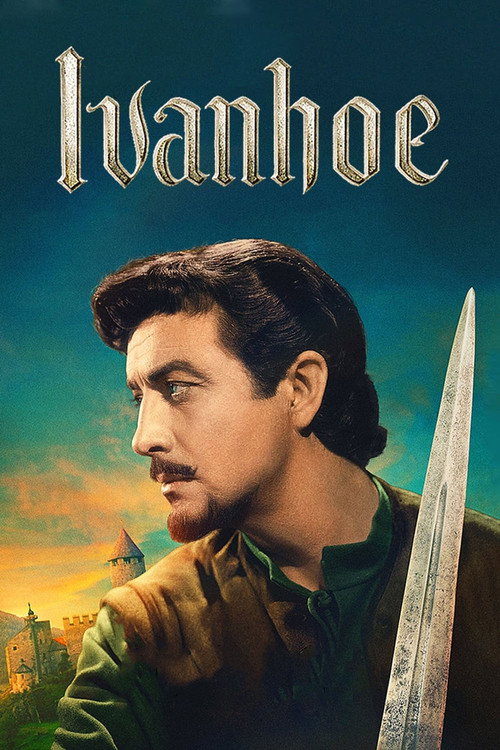
Ivanhoe1952
Robert Taylor in medieval England, jousts and Crusader codes and a heroine caught between duty and desire. The scale is larger, the stakes feel higher, but the rhythm of honour and adventure is pure Zenda.
But At nearly two hours, it demands patience. The production design is handsome but sometimes static.
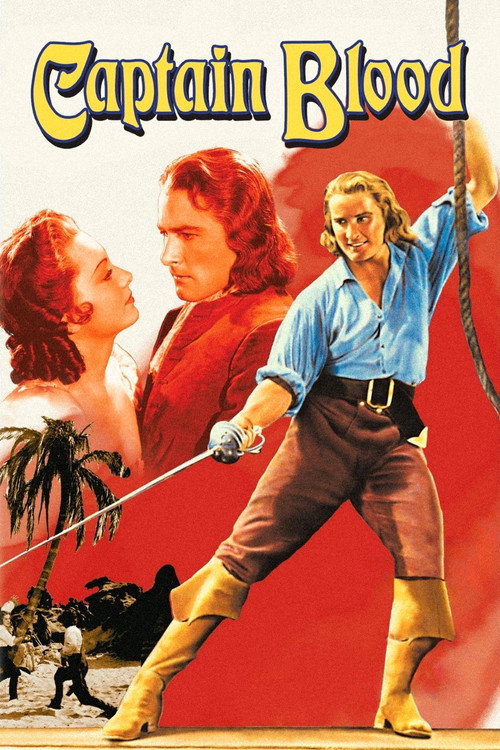
Captain Blood1935
Errol Flynn as a wronged man who becomes a pirate captain. It has the same buoyant charm, the same conviction that style and wit matter as much as the sword. Rapier-quick and deeply pleasurable.
But The politics are crusty and the climax feels hurried. It's a film that knows it can coast on charm.
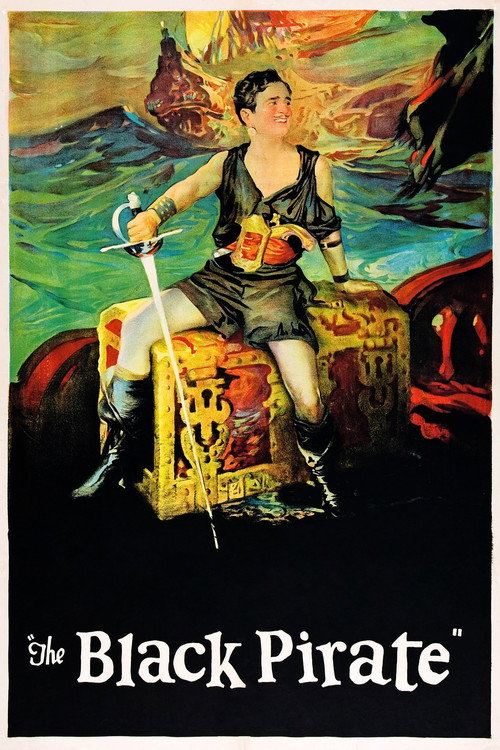
The Black Pirate1926
Douglas Fairbanks in silent adventure mode. No dialogue to slow it—pure invention and physicality. If you love Zenda's romantic escapism, watch how Fairbanks built the vocabulary of it.
But It's silent. For many, that's a barrier. And the story is thin even by 1926 standards.
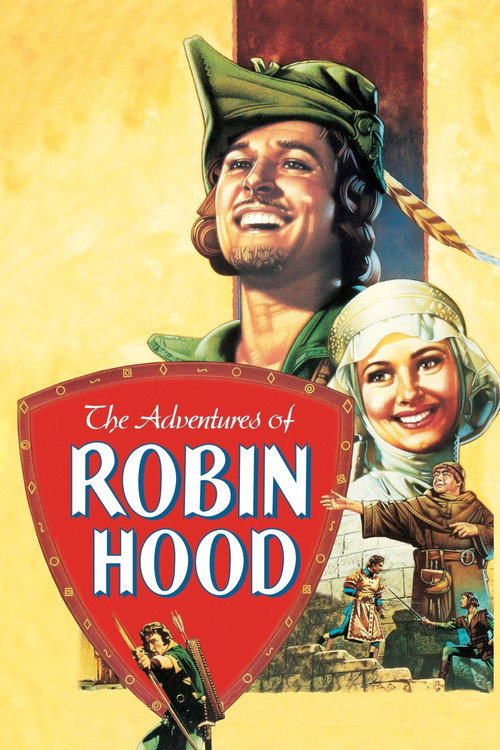
The Adventures of Robin Hood1938
Errol Flynn and Olivia de Havilland, Technicolor that glows, a hero with a cause and a smile. Same generation, same spirit as Zenda, with slightly more wit and a clearer moral center.
But It's famous and obvious. You may have seen it already or feel you should have.
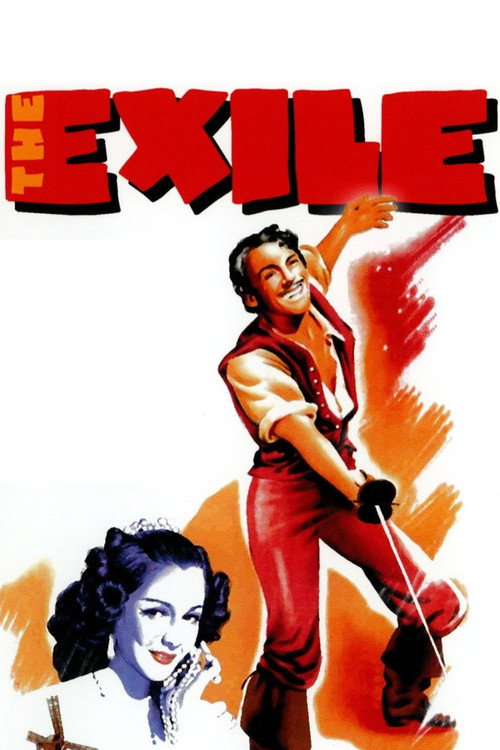
The Exile1947
Douglas Fairbanks Jr. playing a king in hiding. Lighter and less prestigious than Zenda, but admirably fleet and unafraid of its own charm. A minor key version of the same song.
But It's genuinely minor. The plot is thin and the film itself is underseen for good reason.
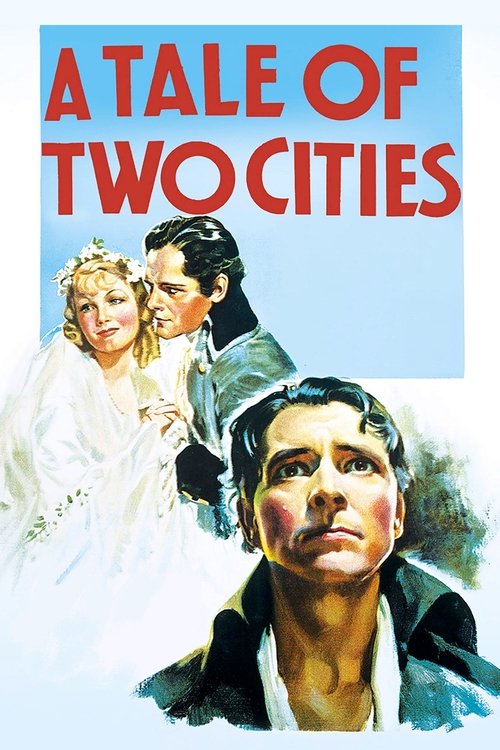
A Tale of Two Cities1935
Both films hinge on a man stepping into another man's identity to save a kingdom or a soul. Zenda entertains the idea; A Tale of Two Cities makes it tragic.
Ronald Colman's most noble role: a dissolute English lawyer who sacrifices himself by impersonating a condemned French aristocrat. It's a Dickens adaptation that swaps romance for duty and asks whether a man can redeem himself through a lie told out of love.
But It's heavy with Victorian earnestness and relies on some dated assumptions about redemption through death. The pacing is deliberate.
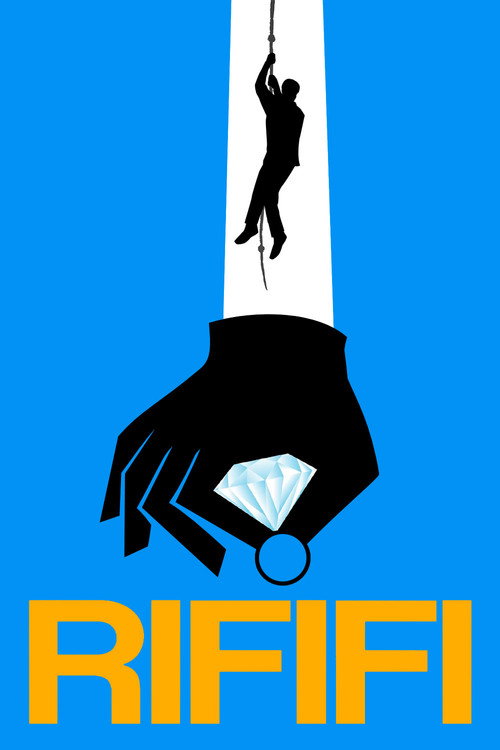
Rififi1955
Both are pure cinema about men who must play a part and live by their wits. Zenda does it with a grin; Rififi does it in shadow and silence. The best of their kind.
A French heist film so visually ingenious and tense it silences its own soundtrack. The plot is tight, the execution is jeweled, and it proves that adventure thrills need not be Technicolor or romantic—they need to be intelligent and beautifully made.
But It's a crime film, not a romance. It's in French with subtitles. And it's austere where Zenda is warm.
People
Cast
 Stewart GrangerRudolf Rassendyll / King Rudolf V
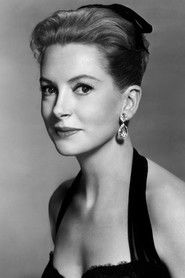 Deborah KerrPrincess Flavia
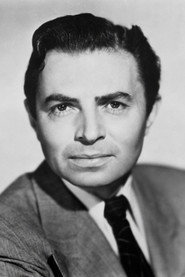 James MasonRupert of Hentzau
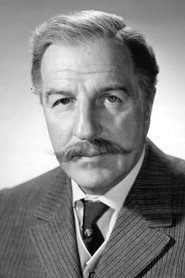 Louis CalhernCol. Zapt
 Jane GreerAntoinette de Mauban
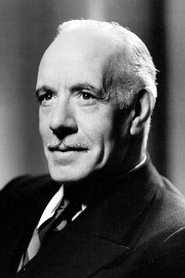 Lewis StoneThe Cardinal
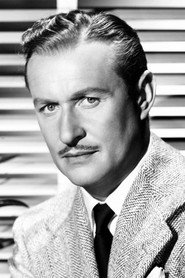 Robert DouglasMichael, Duke of Strelsau
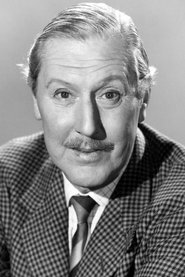 Robert CooteFritz von Tarlenheim
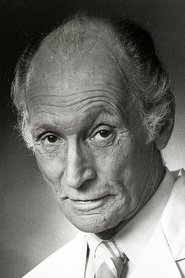 Peter BroccoJohann
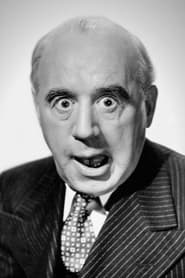 Francis PierlotJosef
Directing
- Sid SidmanAssistant Director
- Richard ThorpeDirector
Writing
- Wells RootAdaptation
- Anthony HopeNovel
- John L. BalderstonScreenplay
- Noel LangleyScreenplay
- Edward E. RoseWriter
Production
- Pandro S. BermanProducer