
Film
Blood of the Executioner
A 1963 Italian swashbuckler set in medieval Venice, where an executioner and his godson risk everything to expose the Grand Inquisitor's secret alliance with pirates. Briskly paced adventure with genuine intrigue beneath the sword-fighting, built on the pleasurable tension between honor and corruption. For lovers of Eureka's Criterion Collection obscurities and Italian adventure cinema.
If you liked this
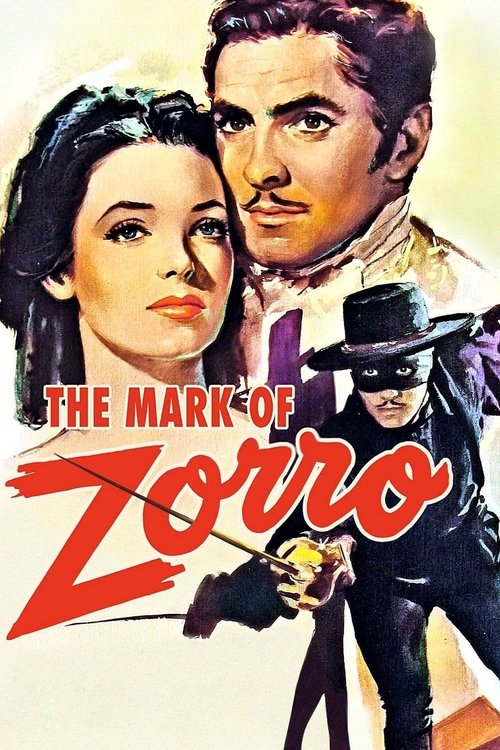
The Mark of Zorro1940
The template all swashbucklers follow: a hero of humble origins unmasking corruption through wit, swordplay, and strategic deception. Tyrone Power is magnetic, the action is elegant, and the moral clarity feels earned rather than imposed.
But Nearly 90 years old now, and while it moves beautifully, the pacing and romantic subplot won't surprise anyone raised on modern action cinema.
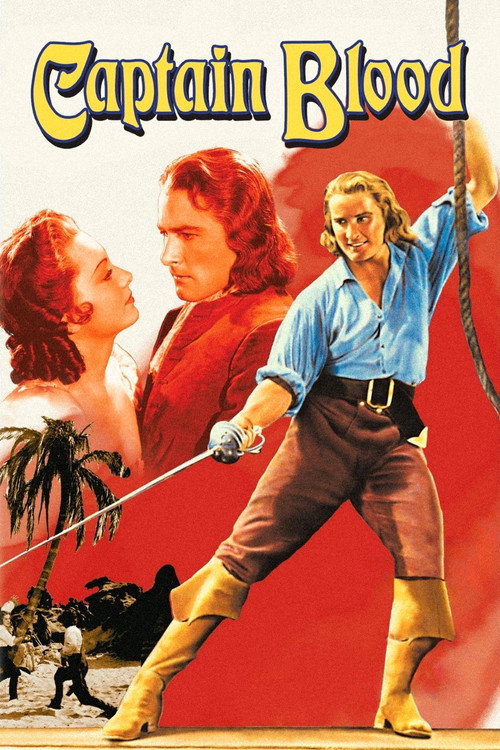
Captain Blood1935
Errol Flynn at peak form as a wronged man who becomes a pirate to fight injustice. The sword choreography is gymnastic and genuinely thrilling, and the film understands that adventure works best when the hero has something to lose.
But Some dated racial attitudes flicker through, and the Technicolor softness takes getting used to if you're expecting sharp modern cinematography.
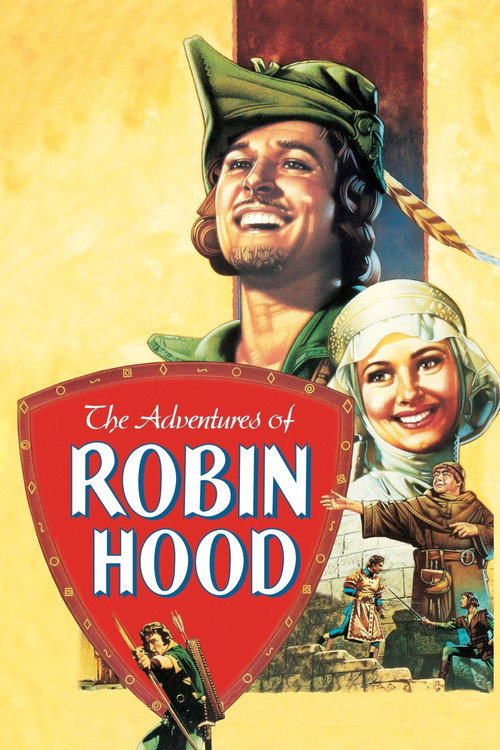
The Adventures of Robin Hood1938
Three-strip Technicolor glory: vivid, kinetic, perfectly structured. Errol Flynn and Olivia de Havilland have a chemistry that makes every exchange crackle. It's adventure filmmaking at its most confident and purely pleasurable.
But Whimsy occasionally tips into camp; if you need your adventure grim and unsmiling, this will feel lightweight.
Not sure tonight? Get a pick in a minute, starting from Blood of the Executioner
The wildcard
Something you would not have found on your own.
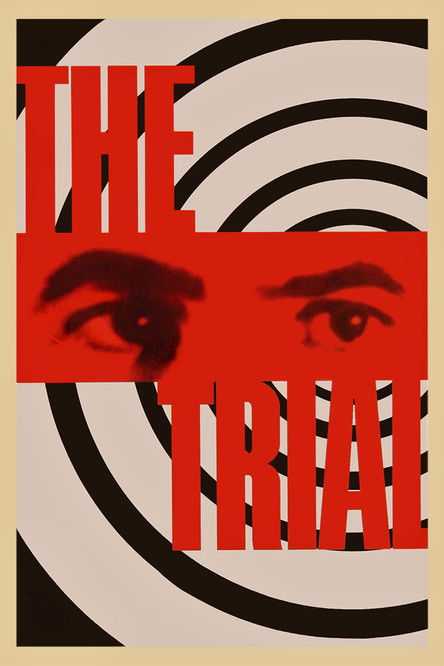
The Trial1962
Both explore a hero attempting to expose or navigate institutional corruption—one through action and swordplay, one through existential dread—but both ask what happens when the system itself is designed to prevent truth from mattering.
Orson Welles's adaptation of Kafka: a man accused of an unnamed crime navigating a labyrinthine system designed to destroy him. Visually extraordinary, genuinely claustrophobic, and fundamentally about the impossibility of proving innocence within a corrupt apparatus.
But Abstract and inward rather than active; Welles is more interested in architecture and psychology than plot momentum. If you want adventure, this is its dark opposite.
More like this (7)
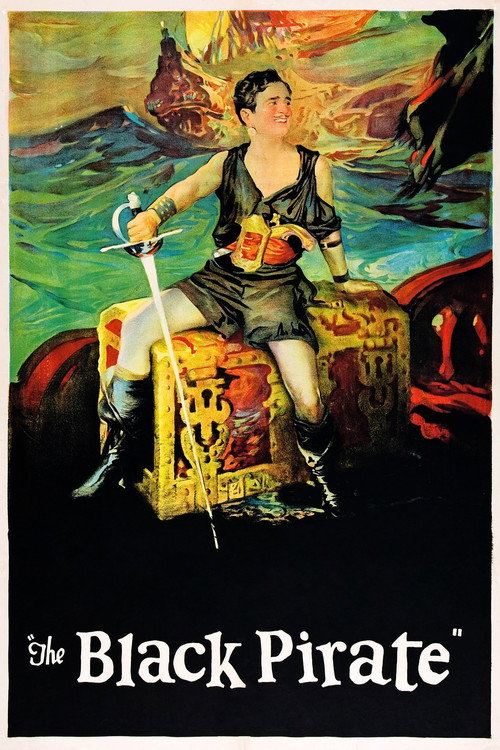
The Black Pirate1926
Douglas Fairbanks invented the swashbuckler almost singlehandedly, and this is his masterpiece. Silent, but the action is so inventive and the stunt work so audacious that dialogue never enters your mind. Pure physical storytelling.
But Silent film demands patience; without dialogue to carry exposition, plot can feel threadbare. The Technicolor sequences are stunning, but others are duped from poor elements.
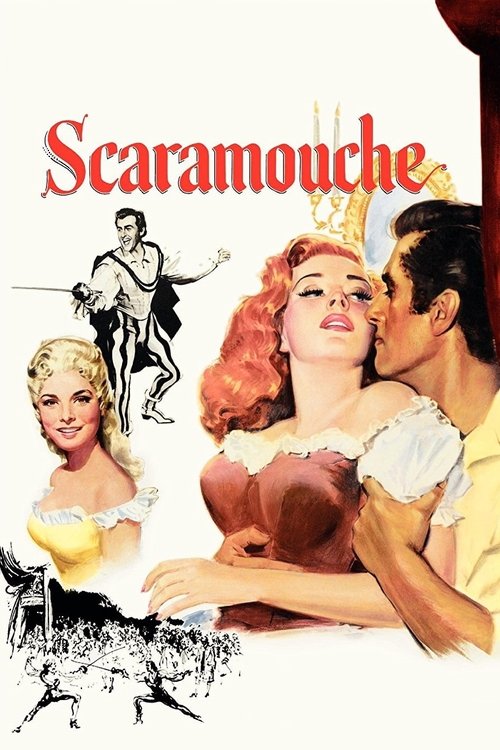
Scaramouche1952
Stewart Granger as a man navigating revolution and revenge through brilliance and swordplay. The final duel runs nearly ten minutes and remains one of cinema's greatest action set pieces. Smart script, genuine stakes, relentless energy.
But Mid-length Hollywood swashbuckler pacing—it takes time to establish the web of conspiracies before the payoff arrives, which modern action films don't allow themselves.
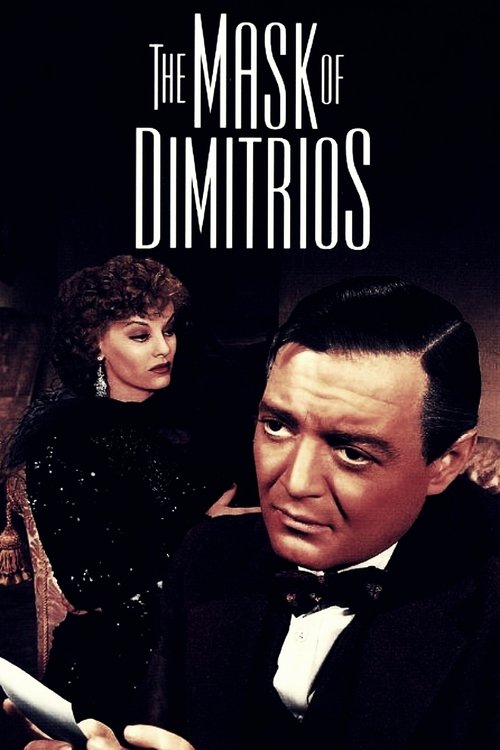
The Mask of Dimitrios1944
Peter Lorre as a mystery writer drawn into a Venetian-tinged thriller about a corpse, a criminal, and a conspiracy that spirals across borders. Atmospheric and genuinely clever, with a plot that rewards attention.
But It's noir, not adventure—slower, darker, more interested in atmosphere than action. If you want movement and sword-swinging, this will feel glacial.
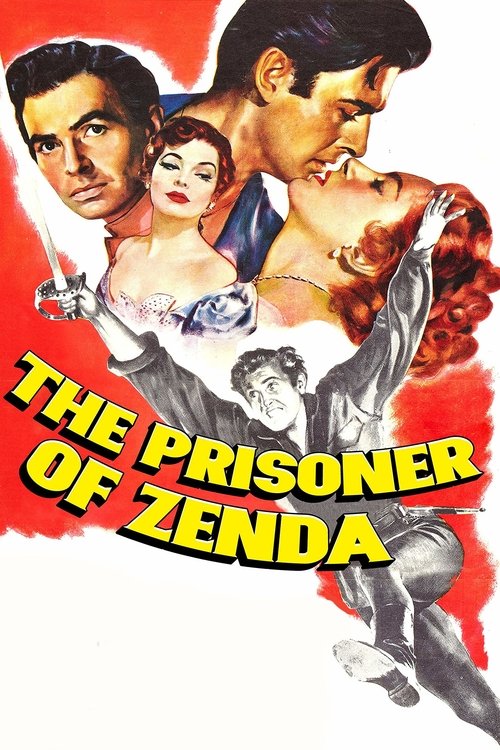
The Prisoner of Zenda1952
Dashing imposter drama: James Mason and Stewart Granger in a deadly game of doubles in a fictional European kingdom. Intricate plot, genuine political scheming, and the sense that anyone could die at any moment.
But More intricate and less physical than pure swashbuckling; the sword work is occasional rather than central, and it asks you to track multiple conspiracies.
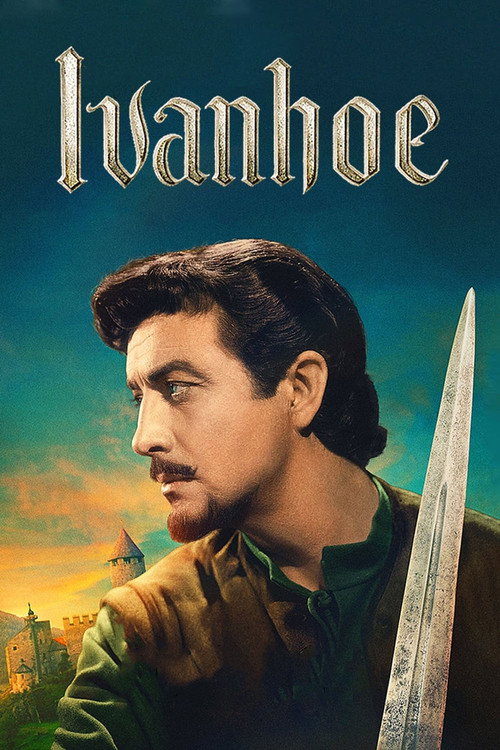
Ivanhoe1952
Robert Taylor navigates medieval England, crusaders, Saxons, and Normans. Tournament sequences are vigorous, the political landscape feels genuinely unstable, and there's real darkness beneath the adventure veneer.
But It's adaptation of Scott that leans toward romance and history lecture; if you want pure action momentum, long passages will feel like obstacle courses.
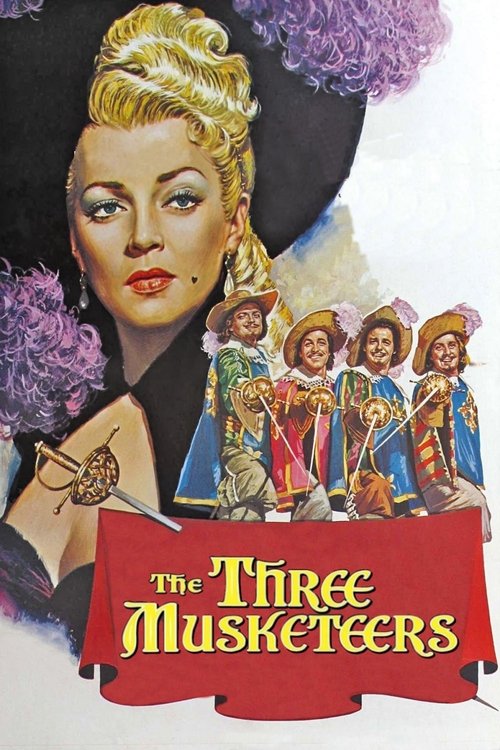
The Three Musketeers1948
Gene Kelly, Van Heflin, and a cast built for action and charm. The sword work has grace, the camaraderie feels genuine, and the film understands that adventure is about ensemble energy and style as much as plot.
But Gene Kelly's presence tips it toward swashbuckling *musical* rather than serious adventure; if you want gravitas, the tone will feel featherweight.
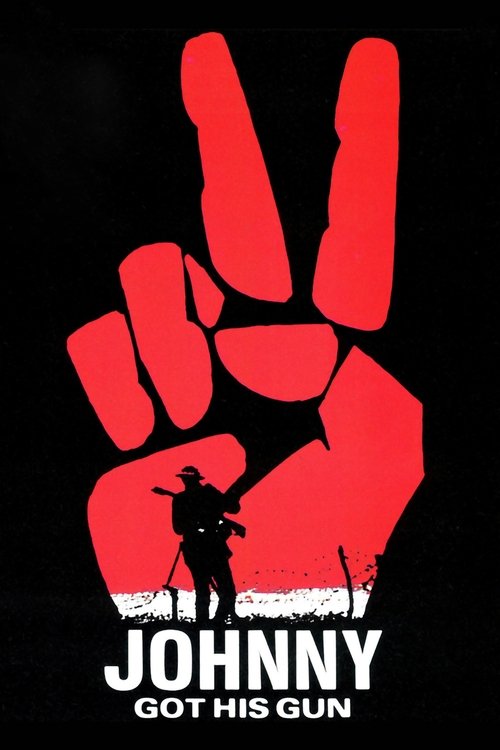
Johnny Got His Gun1971
Both examine the gap between what institutions claim (honor, justice, patriotism) and what they actually do to human beings, but one explores it through conspiracy and action, the other through the body itself as the site of institutional betrayal.
Dalton Trumbo's anti-war adaptation: a young soldier awakens to find himself completely paralyzed, locked in his own body, forced to confront what patriotism actually costs. Visually radical, emotionally devastating, morally uncompromising.
But Bleak and difficult; this is not entertainment, it's a war crime told from inside a prison. Prolonged, sometimes abstract, designed to make you deeply uncomfortable.
People
Cast
 Lex BarkerSandrigo Bembo
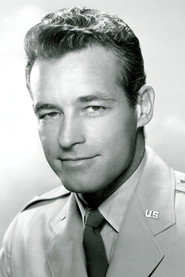 Guy MadisonRodrigo Zeno
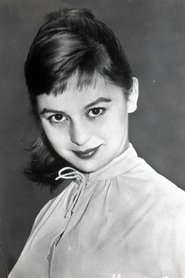 Alessandra PanaroLeonora Danin
- Mario PetriBoia Guarnieri
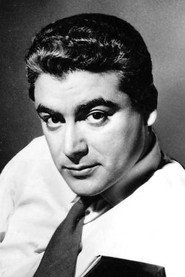 Alberto FarneseMichele Arcà
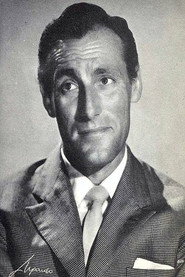 Giulio MarchettiBortolo
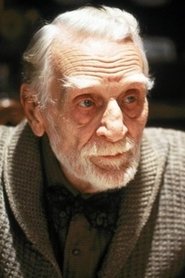 Feodor Chaliapin Jr.il doge Giovanni Bembo
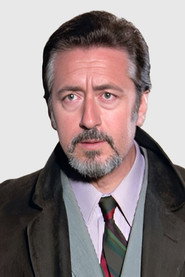 Franco FantasiaPietro
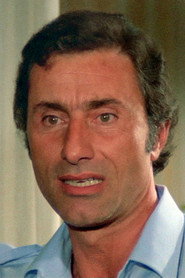 Raf Baldassarreil consigliere Grimani
- Mirella RossiSmeralda
Directing
- Luigi CapuanoDirector
- Gianfranco BaldanelloFirst Assistant Director
- Maria Luisa RosenScript Supervisor
Writing
- Arpad De RisoScreenplay
- Luigi CapuanoScreenplay
- Ottavio PoggiStory
Production
- Nino BattiferriExecutive Producer
- Ottavio PoggiProducer
- Arrigo PeriProduction Secretary
- Diego AlchimedeUnit Manager