
Film
The Three Musketeers
Other titles called The Three Musketeers: the 1921 film, the 1939 film, the 1973 film, the 1993 film.
Gene Kelly's 1948 swashbuckler is a feast for the eye—Technicolor, dance, swordplay, and romantic entanglement all tangled together in 17th-century France. It's playful and propulsive, more interested in style and spectacle than historical accuracy. Perfect if you want adventure that moves like music and knows exactly how charming it is.
Should you watch it?
Watch it if you love old-Hollywood swashbucklers where the sword fights are played for brawling joy and the romance is smoothly theatrical, the kind of studio-polished entertainment that doesn't apologize for itself.
Skip it if the performances and dialogue lean on mid-century theatrical gloss, so if you want grit, ambiguity or a lean modern pace, the stiff postures and sweeping staging may feel dated.
What it asks of you: Just over two hours of patience for courtly talk and scheming, with the swordplay arriving in bursts and the mood swinging between broad comedy and earnest romance.
Not sure? Find tonight's pick in a minute.
If you liked this
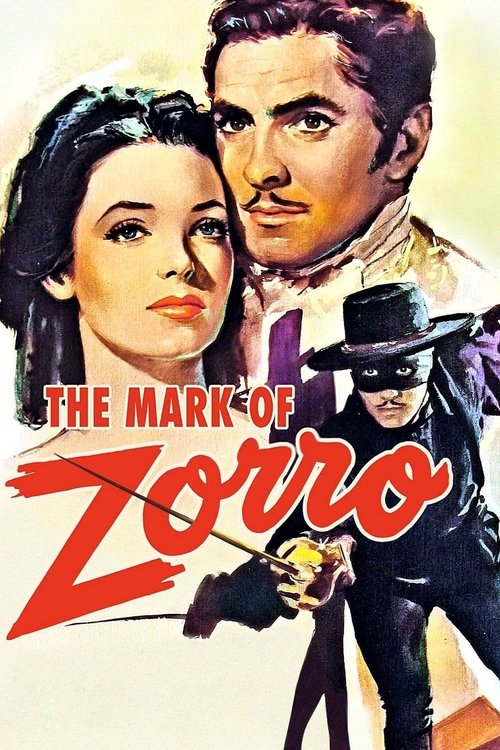
The Mark of Zorro1940
Tyrone Power's definitive masked hero is the template for every swashbuckler that followed. Elegant, funny, and genuinely thrilling—a sword-and-cape film that understands timing as well as technique.
But It's in black and white, and the pacing assumes you have patience for romantic setup alongside the action.
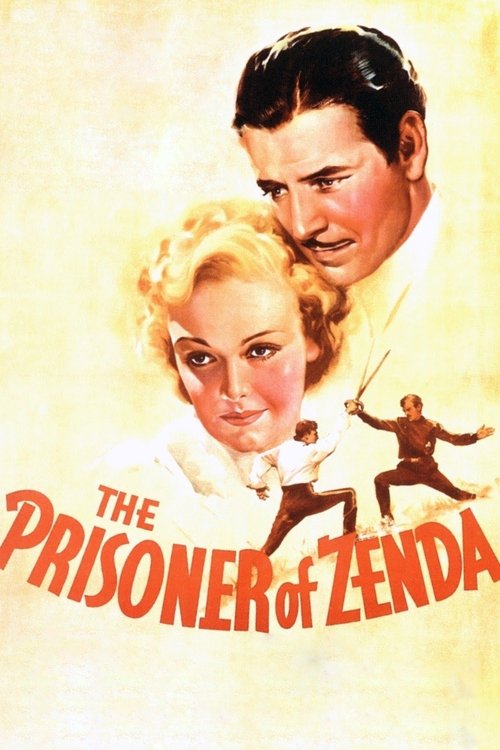
The Prisoner of Zenda1937
Ronald Colman as a man pretending to be a king he's never met. Political intrigue, sword fights, and genuine danger that crackles through every scene without winking at the camera.
But It's a bit more serious than Kelly's version—less dance, more existential weight.
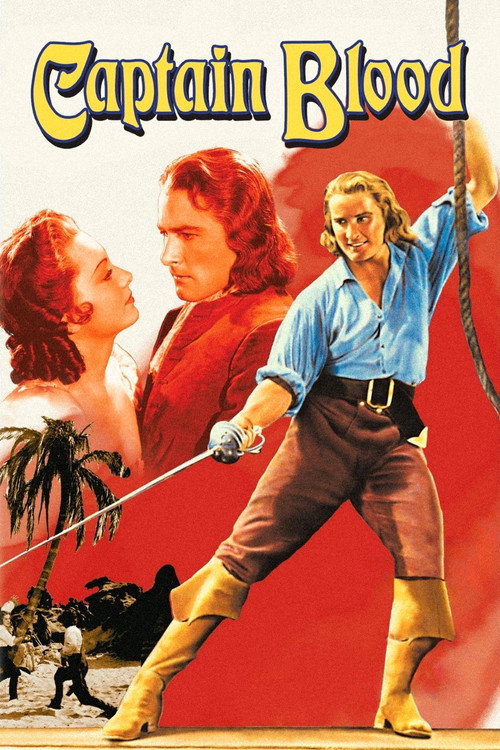
Captain Blood1935
Errol Flynn's first swashbuckler and a masterclass in adventure film. Wrongfully enslaved, he becomes a pirate. The sword choreography and chemistry between the leads still feels modern.
But The tone ping-pongs between romance and brutality in ways that can feel jarring to modern eyes.
Not sure tonight? Get a pick in a minute, starting from The Three Musketeers
The wildcard
Something you would not have found on your own.
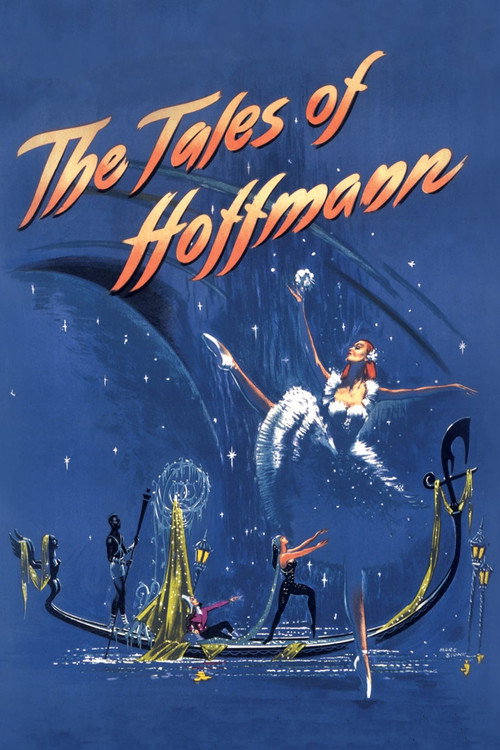
The Tales of Hoffmann1951
Both films treat spectacle and choreography as the story itself. Kelly's swashbuckler and Hoffmann are both about making the camera move like a dancer, where plot exists to justify the next gorgeous sequence.
Powell and Pressburger's operatic fever dream. Three stories told through dance and music, with production design that makes Technicolor look like it was invented for this specific film. It's what happens when a musical fantasy has no interest in being grounded.
But It's operatic—if you're not willing to meet artifice halfway, it will feel impenetrable and pretentious.
More like this (8)
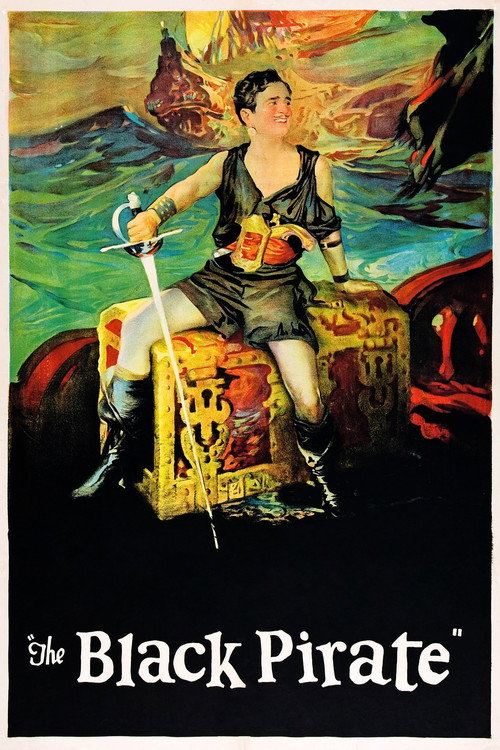
The Black Pirate1926
Douglas Fairbanks in Technicolor doing things with his body that seem to bend physics. A pirate film made when stunt work meant actual danger and ingenuity was the only special effect.
But It's a silent film, which requires adjustment, and the plot is genuinely thin—everything is action and atmosphere.
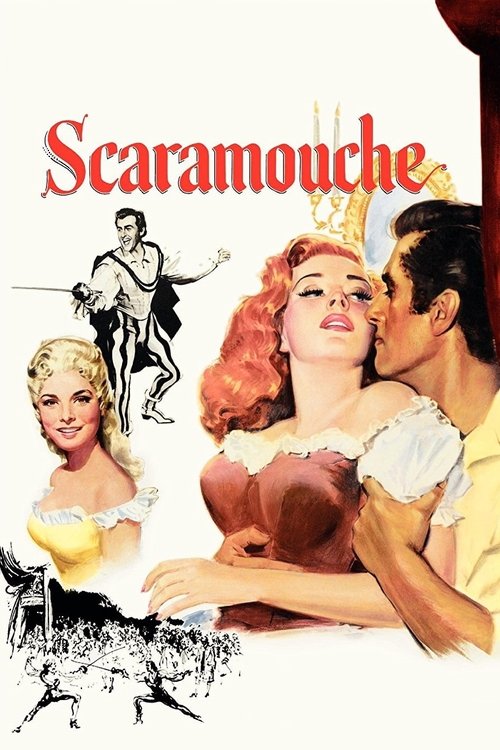
Scaramouche1952
Stewart Granger as a commoner becoming a fencing master to avenge his brother. A long, generous film that builds toward the greatest sword duel in cinema, and earns every minute of it.
But Nearly three hours of Technicolor spectacle can feel self-indulgent if you're not in the mood to surrender to it.
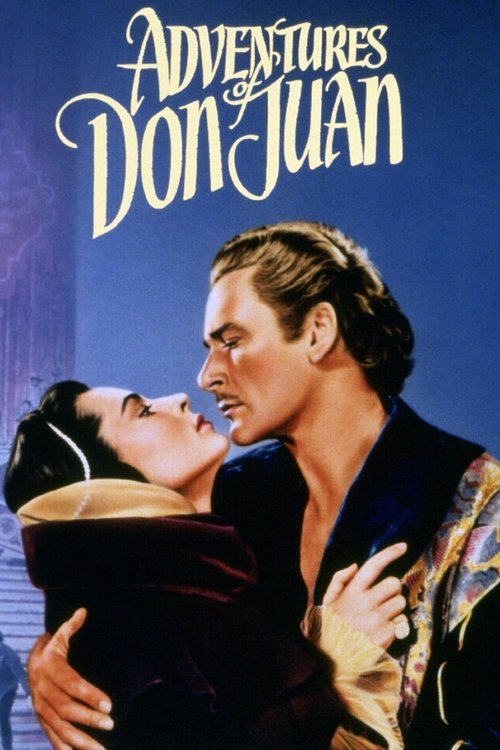
Adventures of Don Juan1948
Errol Flynn and Viveca Lindfors in the same year as Kelly's Musketeers. Gorgeous Technicolor, elaborate choreography, and a romance that actually has stakes and chemistry.
But It's episodic by design—a series of conquests rather than a building narrative.
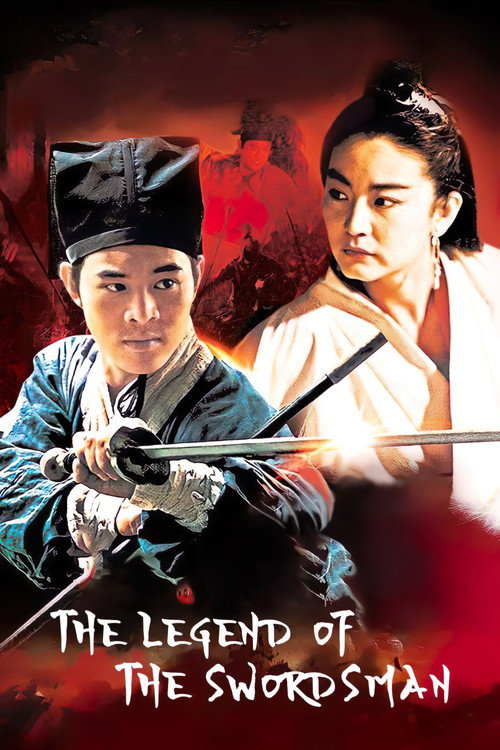
The Legend of the Swordsman1992
Larry Parks in Restoration-era England with sword fights that feel earned rather than balletic. A smaller, grittier film that proves adventure doesn't need stars to feel real.
But It's obscure for a reason—the second half loses momentum and the script meanders.
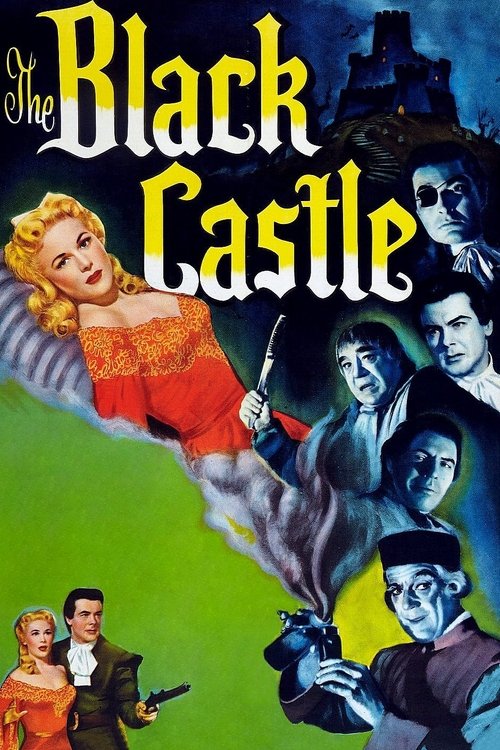
The Black Castle1952
Boris Karloff and Stephen McNally in a Gothic castle full of traps and betrayals. More horror than swashbuckle, but with the same Technicolor excess and melodrama as Kelly's version.
But It's stranger and darker than you might want—the tone doesn't mesh neatly with the adventure elements.
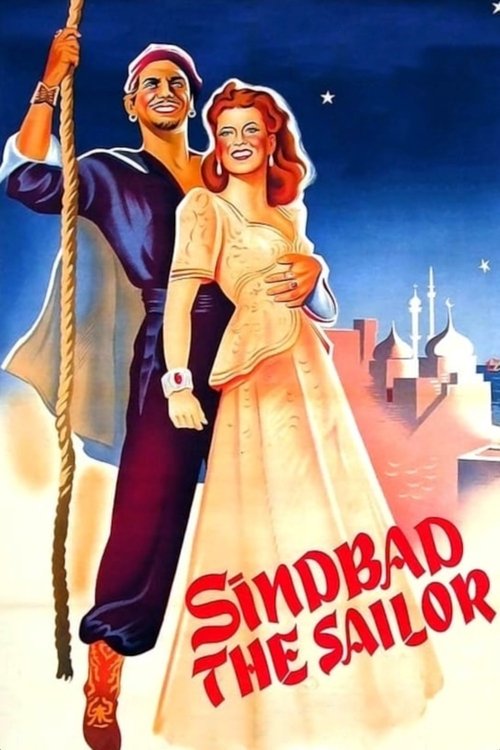
Sinbad the Sailor1947
Douglas Fairbanks Jr. in Technicolor seas. Elaborate production design, romance, and a pace that assumes you came for the spectacle, not the plot.
But The fantasy elements and miniature work date noticeably, and the narrative is almost functionally incoherent.
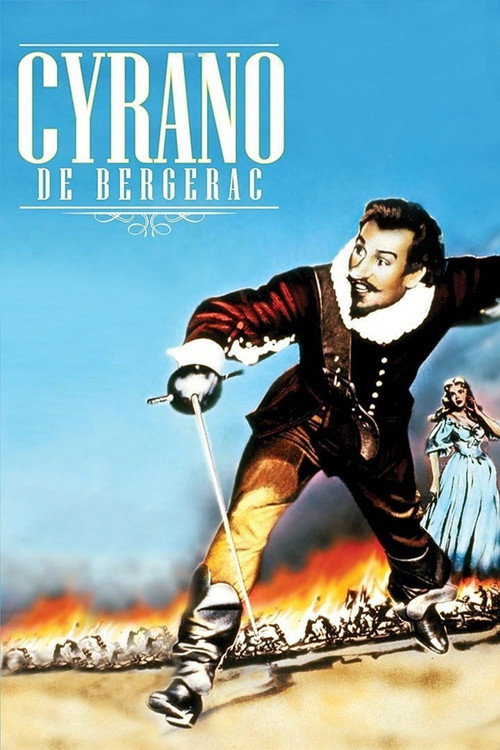
Cyrano de Bergerac1950
Both are French-set period pieces where the hero's charm and swordplay are the same skill, where being clever and being dangerous are indistinguishable.
José Ferrer's performance is so physically alive that you forget this is essentially a two-hour monologue. The sword fight and the wit are inseparable—a film about words spoken with the body.
But It's primarily romantic drama with theatrical language that can feel overwrought if you're expecting pure adventure.
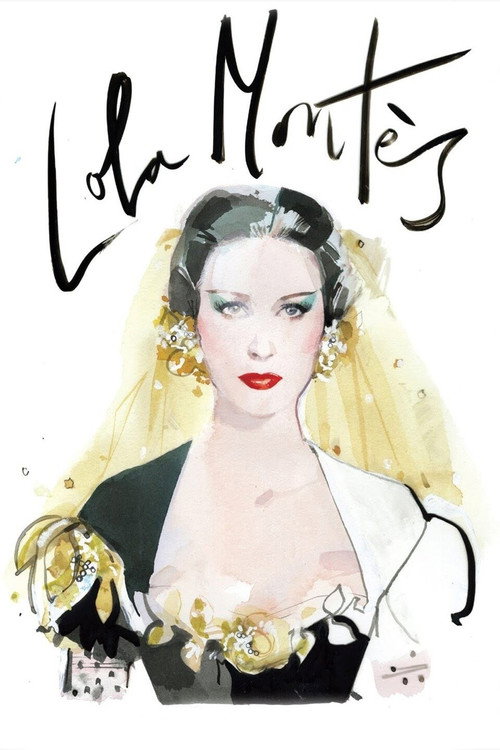
Lola Montès1955
A 1955 Technicolor film about historical romantic adventure told through visual splendor, where the camera's movement and the music matter as much as what's being said.
Max Ophüls's last film. A woman's life told in fragments and flashbacks, gorgeously shot and structured like a carousel. It looks like nothing else—fluid, heartbreaking, and visually rapturous in a way that makes it feel alive.
But It's a period romance told through formal experimentation. The plot is secondary to how the film moves, which is the opposite of conventional narrative.
People
Cast
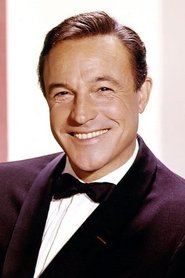 Gene KellyD'Artagnan
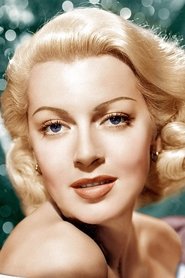 Lana TurnerLady De Winter
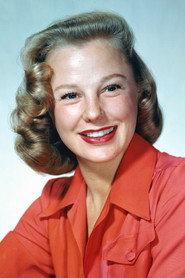 June AllysonConstance
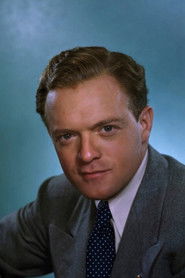 Van HeflinAthos
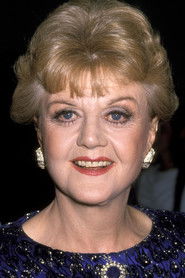 Angela LansburyQueen Ann
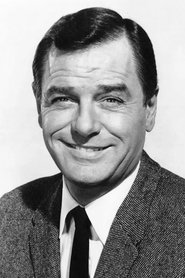 Gig YoungPorthos
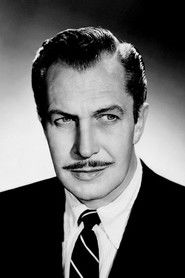 Vincent PriceRichelieu
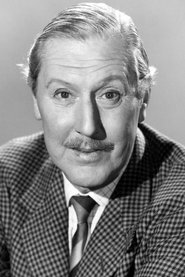 Robert CooteAramis
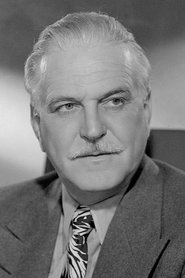 Frank MorganKing Louis XIII
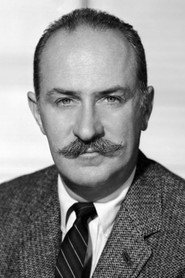 Keenan WynnPlanchet
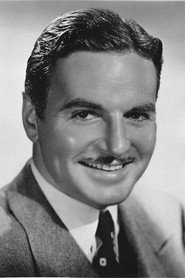 John SuttonThe Duke of Buckingham
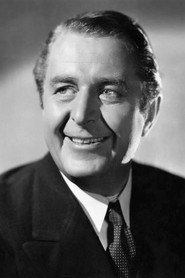 Reginald OwenTreville
Directing
- George SidneyDirector
Writing
- Alexandre DumasNovel
- Robert ArdreyScreenplay
Production
- Pandro S. BermanProducer
Recommended by
Captain Blood, The Mark of Zorro, Scaramouche, The Sea Hawk, Road to Utopia, Blood of the Executioner, The Kissing Bandit, Under the Red Robe, Zorro's Fighting Legion