
Film
Under the Red Robe
A 1937 swashbuckler set in Richelieu's France, where a condemned swordsman must infiltrate a rebel duke's castle or face execution. It's elegantly staged adventure—all intrigue and swordplay—that trades on the romance of courtly betrayal. For anyone who loves old Hollywood's commitment to artifice and spectacle.
If you liked this
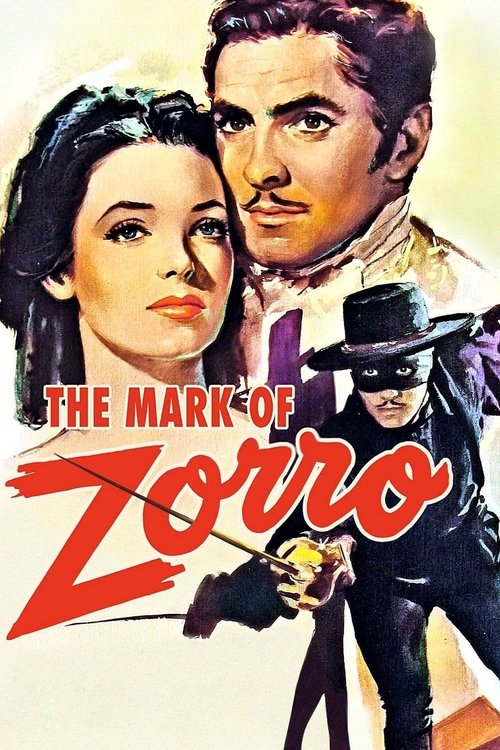
The Mark of Zorro1940
Tyrone Power swashing and buckling with such effortless charm that you forget to care about plot. The sword fights are balletic, the romance sincere, and the film moves like it's genuinely having fun.
But It's deeply unconcerned with realism; if you want grit or moral complexity, look elsewhere. Pure romantic wish-fulfillment.
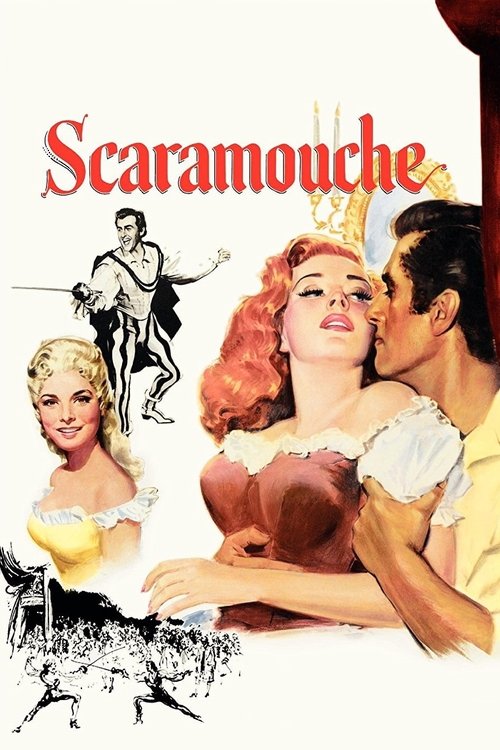
Scaramouche1952
Stewart Granger as a man compelled into danger by circumstance, dueling through a glittering pre-Revolution France. The sword choreography is exceptional, and the emotional core—a man forced to become something he despises—hits hard.
But It runs nearly two hours and the middle section gets talky. The pacing flags when the swordplay stops.
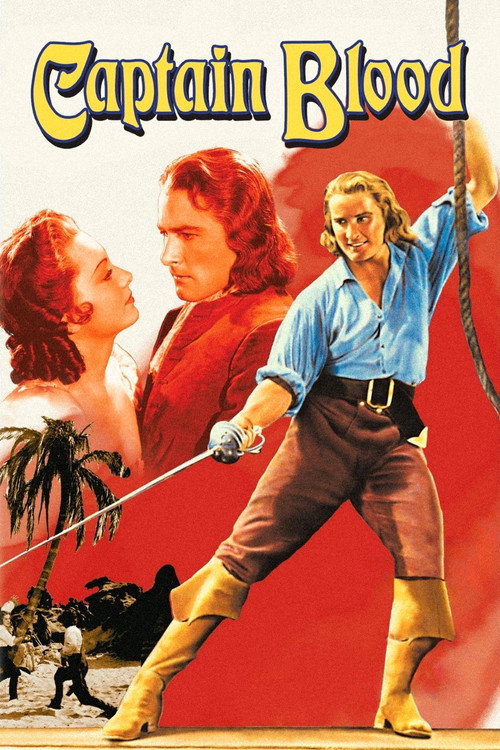
Captain Blood1935
Errol Flynn's definitive swashbuckler: a wronged man turned pirate, shot with real invention and charm. The action sequences feel genuinely dangerous, and Flynn's wit cuts as cleanly as his sword.
But The politics around colonialism haven't aged well, and the female lead is often sidelined. It's a man's adventure through and through.
Not sure tonight? Get a pick in a minute, starting from Under the Red Robe
The wildcard
Something you would not have found on your own.
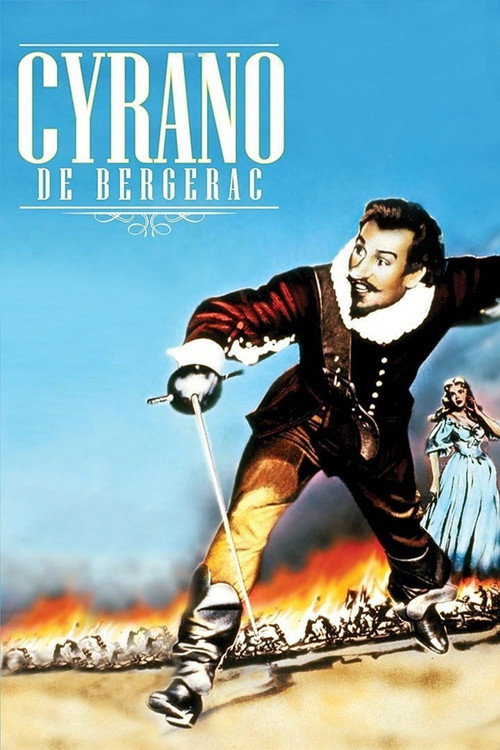
Cyrano de Bergerac1950
Both pit a skilled swordsman against an impossible moral choice—but Cyrano reverses the premise: the sword is worthless if it cannot buy you what your heart needs. De Berault must betray love; Cyrano must watch it betray him.
José Ferrer as the mightiest swordsman in France, but the real battle is interior: between his wit and his worthlessness, between what he can do and what he deserves. It's a swashbuckler about a man who can't be the hero of his own story.
But It's talky and deeply melancholic. The sword fights matter less than the conversations. If you want spectacle uncomplicated by suffering, this will feel like watching a man drown.
More like this (7)
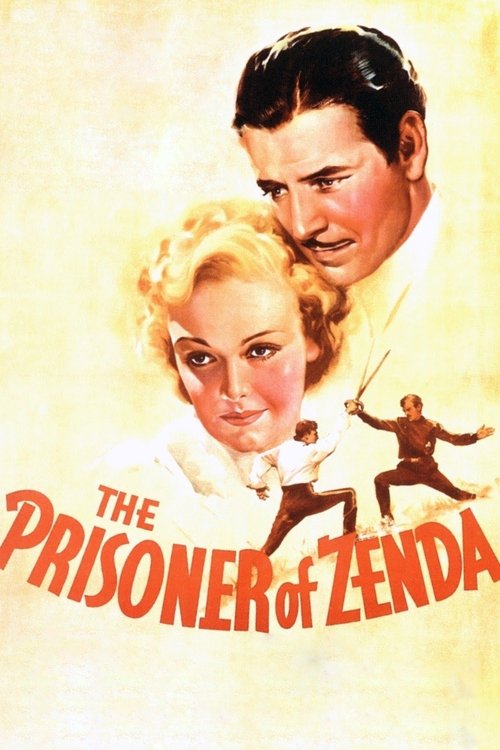
The Prisoner of Zenda1937
Released the same year, it shares the same elegant artifice: Ronald Colman as a man thrust into a role he didn't choose, navigating palace intrigue and identity. Supremely entertaining and structurally brilliant.
But The stakes feel fundamentally low; we always know the hero will prevail. It's candy, not conflict.
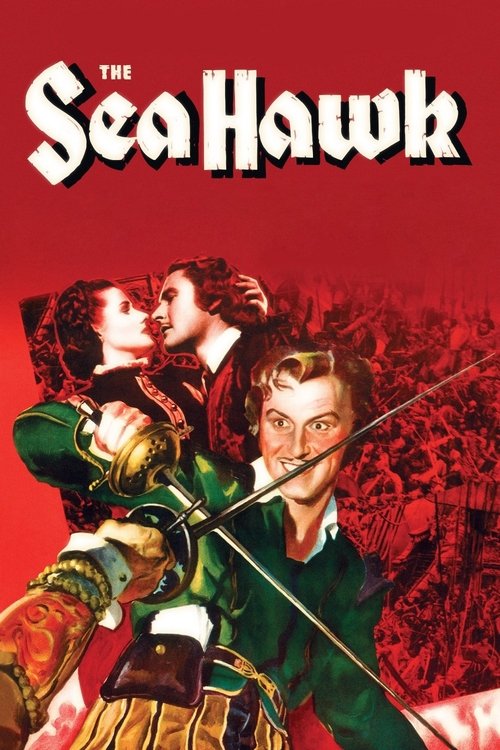
The Sea Hawk1940
Errol Flynn again, but darker: a man framed and enslaved, rising to become a privateer. Raoul Walsh directs with real vigor, and the film has genuine political subtext beneath the adventure.
But It's long and can feel episodic. Some sequences outstay their welcome, and the final act strains credibility.
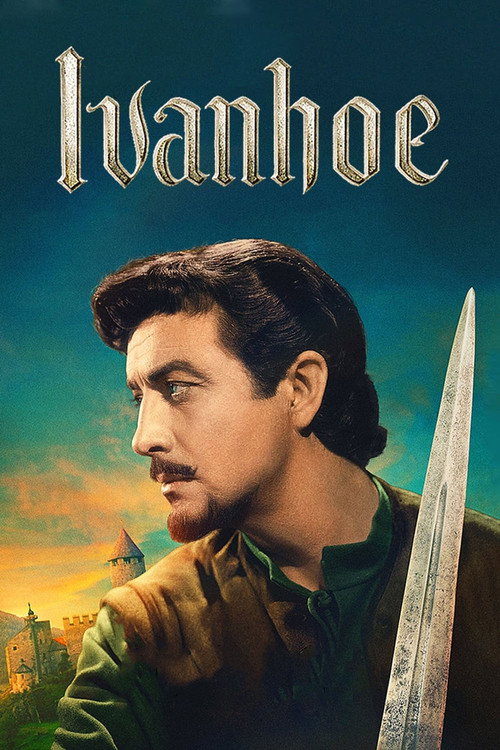
Ivanhoe1952
Robert Taylor in Technicolor England, caught between duty and honor, with Joan Fontaine adding real emotional weight. The joust sequence is genuinely thrilling, and the film balances action with character.
But It's stagey and slow by modern standards. The romance subplot will feel like it's stopping the action, not advancing it.
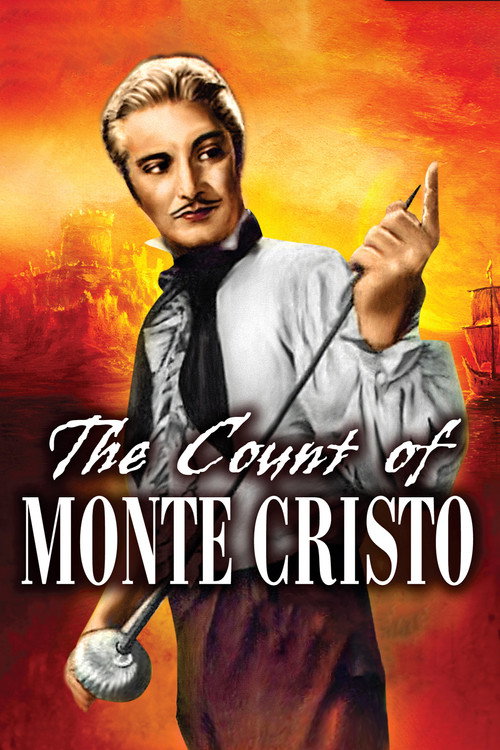
The Count of Monte Cristo1934
Robert Donat as Edmond Dantès, wronged and rising, with a narrative momentum that carries you. The transformations are striking, and Donat invests real passion in the role.
But It compresses Dumas ruthlessly, and the revenge plot can feel mechanical. The emotional core gets sacrificed to plot mechanics.
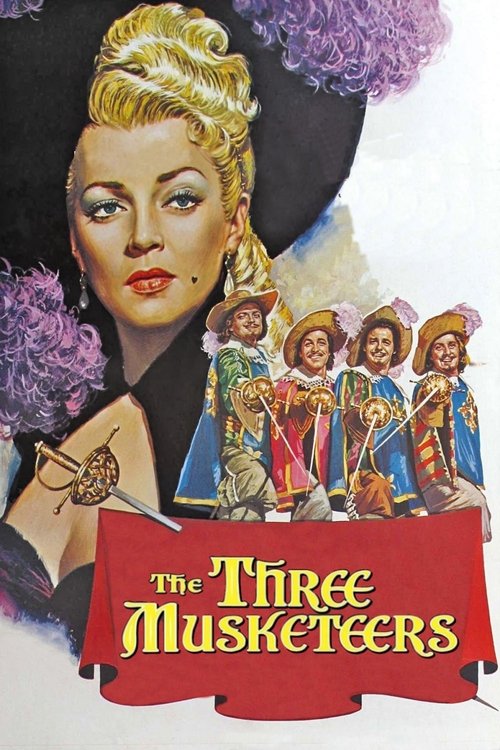
The Three Musketeers1948
Lana Turner and Gene Kelly in Technicolor Paris, a film that leans into the absurdity and romance in equal measure. It's genuinely funny, which many swashbucklers forget to be.
But It takes enormous liberties with Dumas and plays things very broadly. If you want fidelity to the source, this will annoy you.
The Red Shoes1948
Both are about magnificent surfaces concealing moral catastrophe. Under the Red Robe dresses betrayal in adventure's silks; The Red Shoes shows you the blood inside the ballet shoe. Both ask whether beauty and corruption are the same thing.
Powell and Pressburger's baroque masterpiece: a ballerina caught between love and art, shot in colors so vivid they seem to physically hurt. It's about the price of beauty and the cruelty of desire, told like a fever dream.
But It's operatic and strange, resisting plot logic. If you want narrative clarity, you'll find it infuriating. It's also devastatingly sad beneath the spectacle.

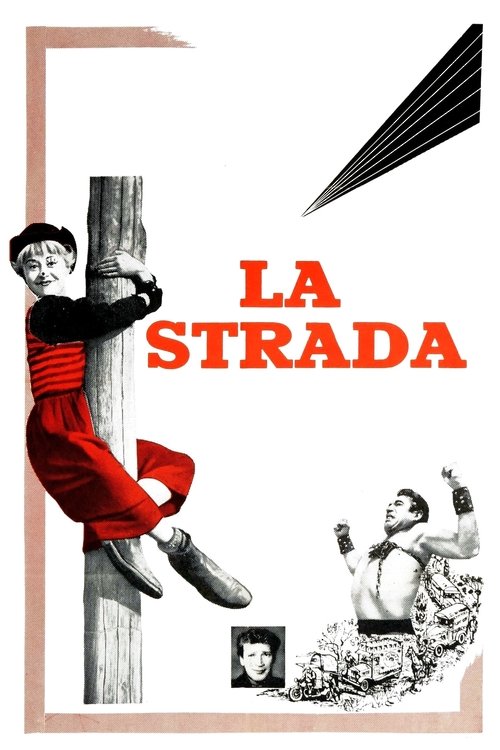
La Strada1954
Both use a sword—or in Zampanò's case, strength itself—as a metaphor for masculine power and masculine failure. De Berault uses his swordplay to serve the Cardinal; Zampanò uses his strength to serve no one but himself. Both discover that mastery over others is a kind of slavery, but only one of them survives the knowledge.
Fellini's heartbreaking portrait of a strongman and the woman he destroys through thoughtless cruelty, shot in black and white with a tenderness that makes the brutality worse. It's about the violence of indifference.
But It's slow and elliptical and refuses to judge. The protagonist is deeply unlikeable. If you want moral clarity or a satisfying arc, this will feel like punishment.
People
Cast
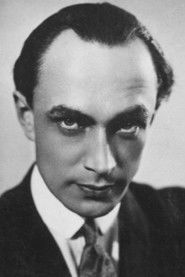 Conrad VeidtGil de Berault
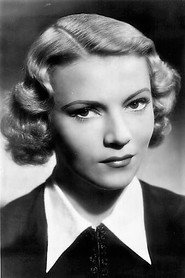 AnnabellaLady Marguerite of Fiox
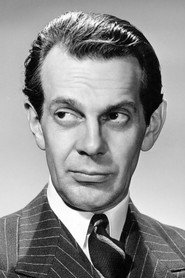 Raymond MasseyCardinal Richelieu
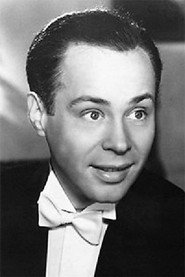 Romney BrentMarius
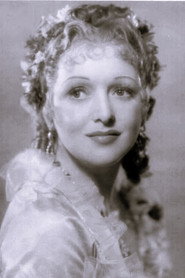 Sophie StewartElise, Duchess of Fiox
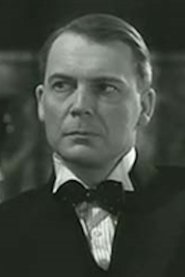 Wyndham GoldieEdmond, Duke of Fiox (as F. Wyndham Goldie)
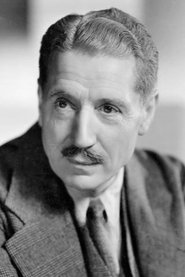 Lawrence GrantFather Joseph
- Baliol HollowayClon
Directing
- Teddy BairdAssistant Director
- Victor SjöströmDirector
Writing
- Stanley J. WeymanNovel
- J.L. HodsonScreenplay
- Lajos BiróScreenplay
- Philip LindsayScreenplay
Production
- Robert KaneProducer
- Leslie F. BakerProduction Manager