
Film
Last of the Buccaneers
A 1950 swashbuckler about pirate Jean Lafitte during the War of 1812, mixing historical event with adventure-serial derring-do. Paul Henreid commands the screen with charm and sword work. It's lightweight, energetic fun—a palate cleanser between weightier films, and period action made with genuine craft despite its modest budget and runtime.
If you liked this
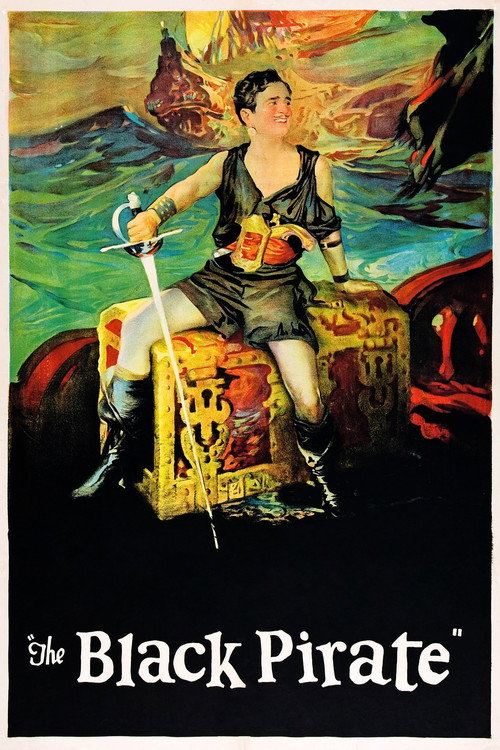
The Black Pirate1926
Douglas Fairbanks at peak physical virtuosity in early Technicolor. Silent swashbuckling that influenced everything after it—pure action cinema, no dialogue to slow the momentum. A masterclass in visual storytelling.
But It's silent, which can feel distant. The story is simple almost to the point of vanishing. Some physical comedy hasn't aged perfectly.
Captain Blood1935
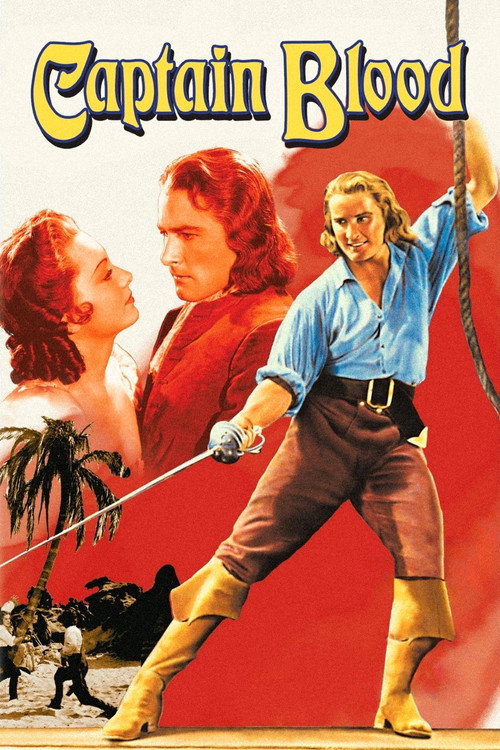
Errol Flynn and Olivia de Havilland in the film that invented the template: wronged man, ocean, swordplay, charm, and danger. Beautifully shot and paced like a song. This is what adventure films aspire to be.
But The wronged-innocence plot is schematic. Romantic subplot can feel obligatory. Some racial attitudes of the era show.
The Crimson Pirate1952
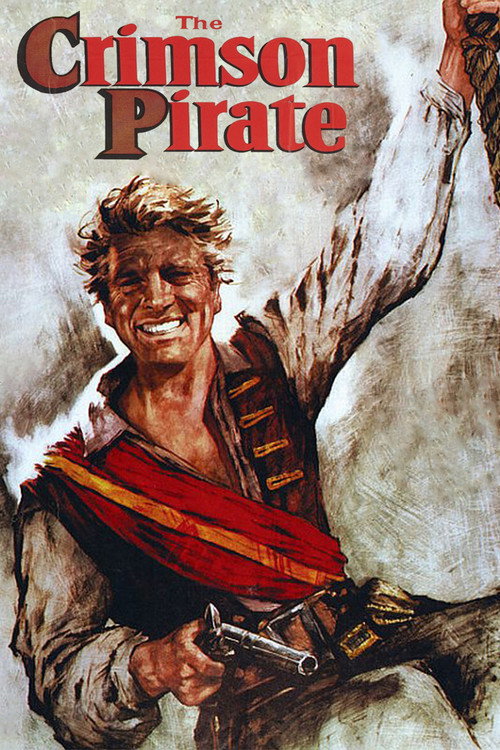
Burt Lancaster as a laughing pirate who knows exactly how silly this is. Acrobatic, colorful, and genuinely fun—it winks at its own conventions without ever stopping the action. A tonic for taking swashbucklers seriously.
But The tone is deliberately cartoonish, which some find reductive. It trades substance for verve. Not a film for those who need stakes to matter.
Not sure tonight? Get a pick in a minute, starting from Last of the Buccaneers
The wildcard
Something you would not have found on your own.
The Fortunes and Misfortunes of Moll Flanders1996
Both are historical adventure tales set in eras of privateering and lawlessness, but one watches a woman use her wits to survive outside the law while the other watches a man use charm to straddle it—inverse approaches to the same world.
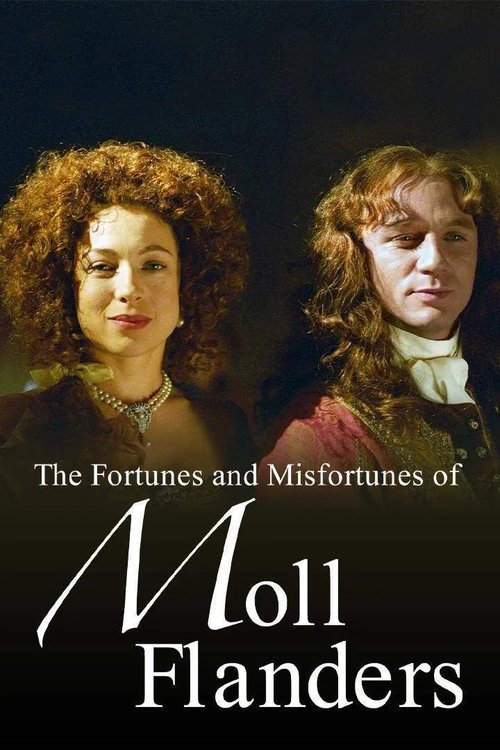
A six-part miniseries about a woman surviving through cunning and agency in the same historical period. It shares the adventure-serial energy of Lafitte but from the perspective of someone the law chases rather than someone who can negotiate with it. Georgette Heyer-adjacent swashbuckling with real stakes.
But The miniseries format means slower pacing than you might expect. The heroine's morality is genuinely ambiguous in ways the film isn't. Some find the sexual politics harder to watch than the swashbuckling.
More like this (8)
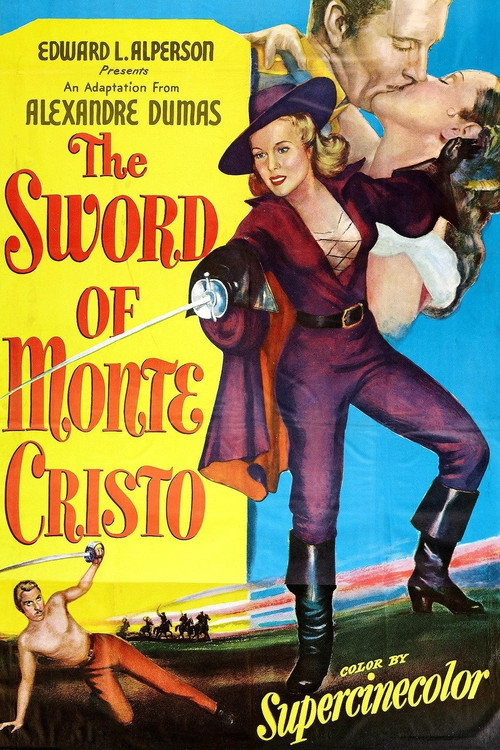
The Sword of Monte Cristo1951
Another 1950s adventure with genuine sword choreography and a hero with actual charm rather than just good looks. It has the same lean, efficient energy as Last of the Buccaneers—no fat, no pretense, just action.
But It's modest in scale, which some mistake for a lack of ambition. The plot is straightforward. It demands you meet it where it is, not where you might want it to be.
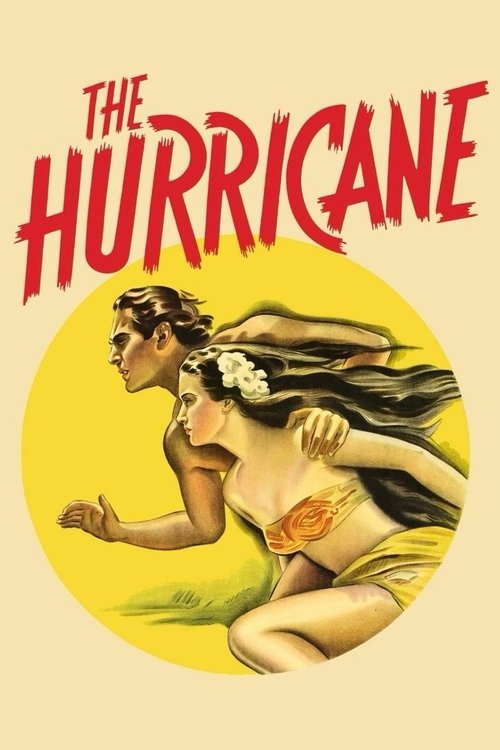
The Hurricane1937
Jon Hall and Dorothy Lamour in a South Seas romance with a real hurricane as climax. Spectacle on a bigger budget than you'd expect, lush cinematography, and adventure that feels earned rather than manufactured.
But The romance dominates the second half. The colonial attitudes toward indigenous people are uncomfortable. Some find the pacing uneven between action and sentiment.
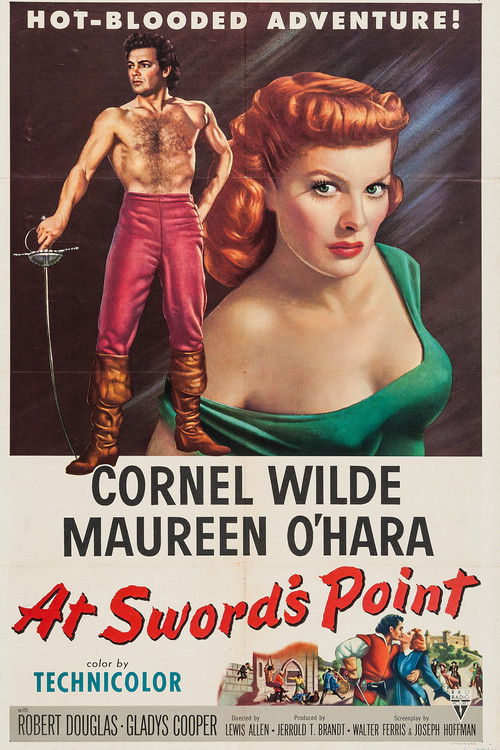
At Sword's Point1952
Cornel Wilde leads a Technicolor three-musketeer romp with genuine charm and swordplay. It's gorgeous to look at and maintains energy throughout without pretending to be anything but entertainment.
But The plot is entirely predictable. It trades on familiarity—you know exactly what happens. Some will find that comforting, others exhausted by it.
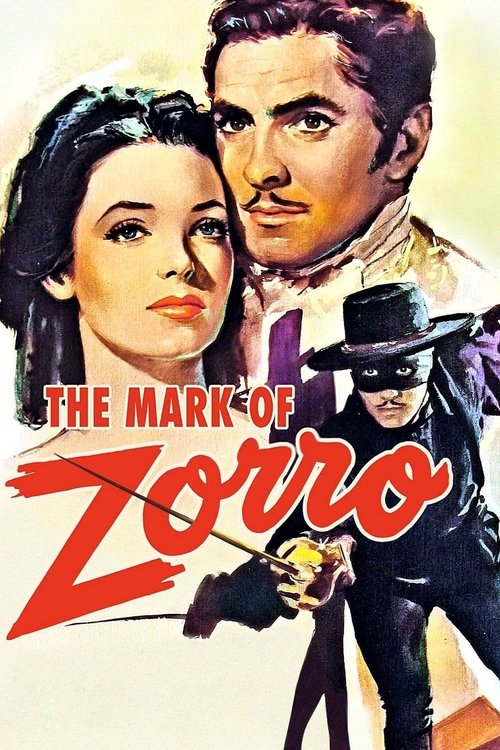
The Mark of Zorro1940
Tyrone Power plays both the fop and the masked avenger with an ease that shows how good a romantic action lead can be. Tightly plotted, beautifully shot in black and white, and genuinely witty. A template film.
But The class politics feel dated. The fop persona can seem thin to modern eyes. Some of the action choreography, while fine, lacks the flash of later films.
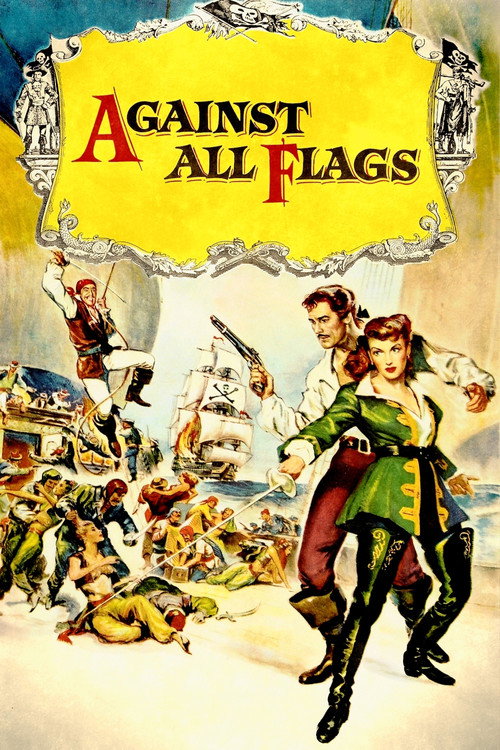
Against All Flags1952
Errol Flynn in his twilight, playing a pirate opposite Maureen O'Hara. The chemistry crackles and the film knows it doesn't have to do much besides let them talk and fence. Effortless entertainment.
But The plot is gossamer thin. It relies entirely on charisma, which works until it doesn't. Some find the sexist banter dated beyond recovery.
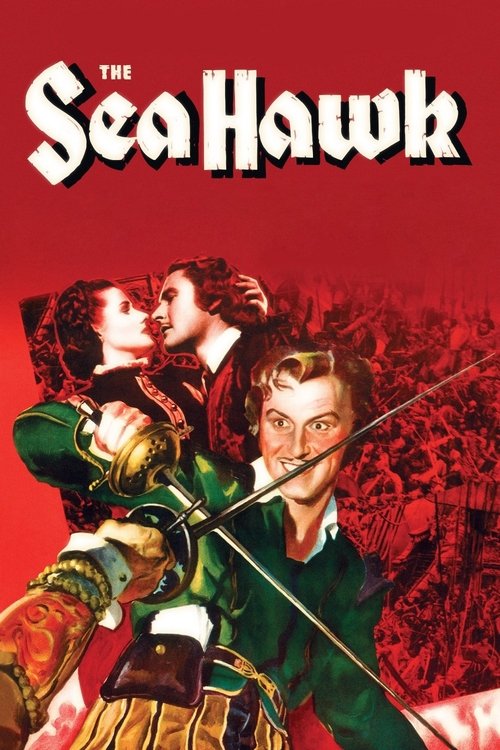
The Sea Hawk1940
Errol Flynn in his prime, all energy and swordplay, in a Technicolor spectacle about privateers. The action is constant and well-shot. It's unambitious in theme but flawless in execution of what it attempts.
But Thematically it's thin. The political allegory (supposed relevance to WWII) doesn't add depth. It's pure surface, which is exactly the point, but not everyone wants surface.
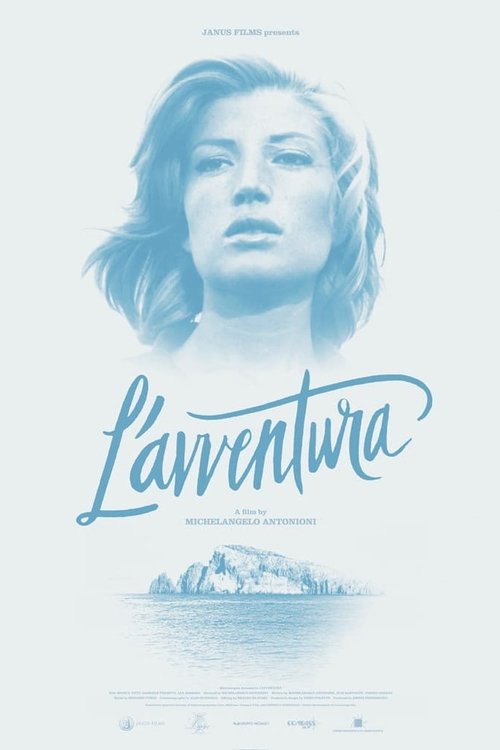
L'Avventura1960
Both films use the sea and journey as their organizing principle, but one uses it for adventure and one uses it for existential uncertainty. They're inverse registers of the same geography.
A Michelangelo Antonioni masterpiece about aimlessness and beauty in Mediterranean settings. No action whatsoever, but the same sense of characters adrift in landscapes larger than their problems. It's a meditation where Last of the Buccaneers is a cartoon, but both take pleasure in movement through water and space.
But It's glacially slow by design. Nothing happens—or rather, the nothing is the point. If you want plot and purpose, this will feel like watching paint dry on a boat.
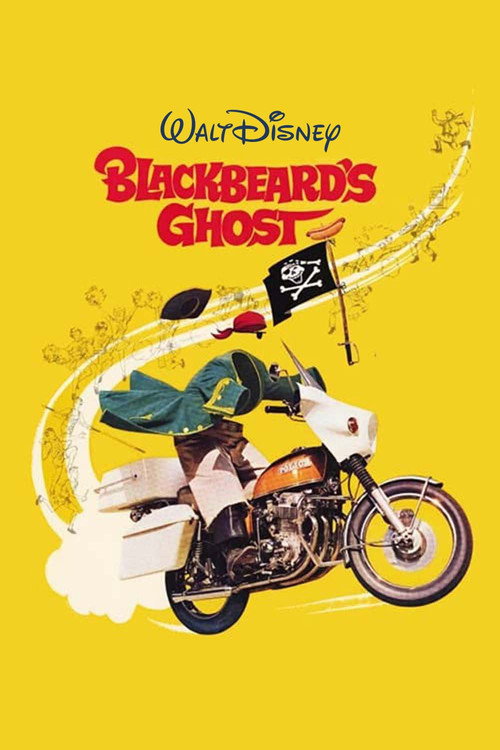
Blackbeard's Ghost1968
Both take the Jean Lafitte–era pirate legend and treat it as material for entertainment rather than heroism. One plays it straight as adventure; the other laughs at the straight-adventure tradition itself. They're the same story at different frequencies.
A Disney comedy where Peter Ustinov's pirate ghost possesses Dean Jones. It's absurd, affectionate, and genuinely clever about the gap between pirate mythology and historical reality. The swashbuckling is played for laughs, but the laughs land.
But It's comedy-first, which means action takes a back seat. The tone is very much 1960s Disney, which dates it. Some will find the whimsy disrespectful to the genre it's playing with.
People
Cast
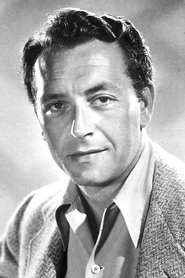 Paul HenreidJean Lafitte
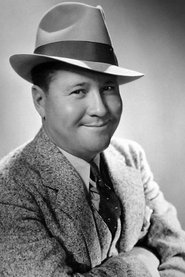 Jack OakieSgt. Dominick
 Karin BoothBelle Summer
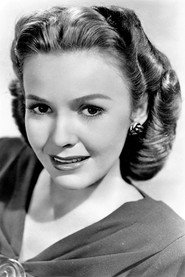 Mary AndersonSwallow
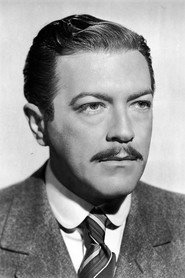 Edgar BarrierGeorge Mareval
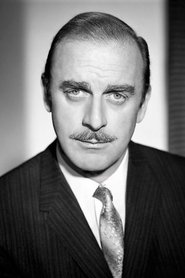 John DehnerSgt. Belchue
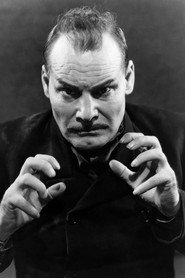 Harry CordingBrown
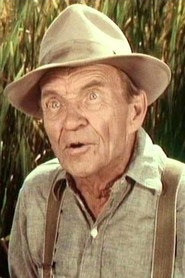 William FawcettDunwood
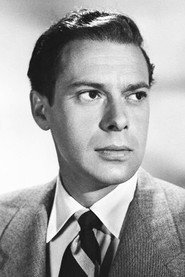 Ross ElliottPirate
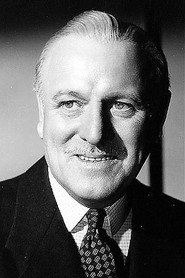 Pierre WatkinGov. Claiborne
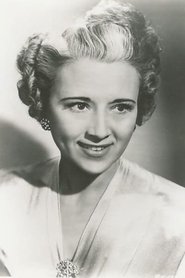 Bess FlowersNew Orleans Party Guest