
Film
The Great Adventures of Captain Kidd
A 1953 swashbuckling serial that splits its nearly four-hour runtime across multiple chapters, following British officers hunting the legendary pirate Captain Kidd. It's episodic adventure storytelling—cliffhangers, sword fights, and period intrigue—made for audiences who wanted serialized thrills before streaming existed. Pure escapism for fans of old-school action.
If you liked this
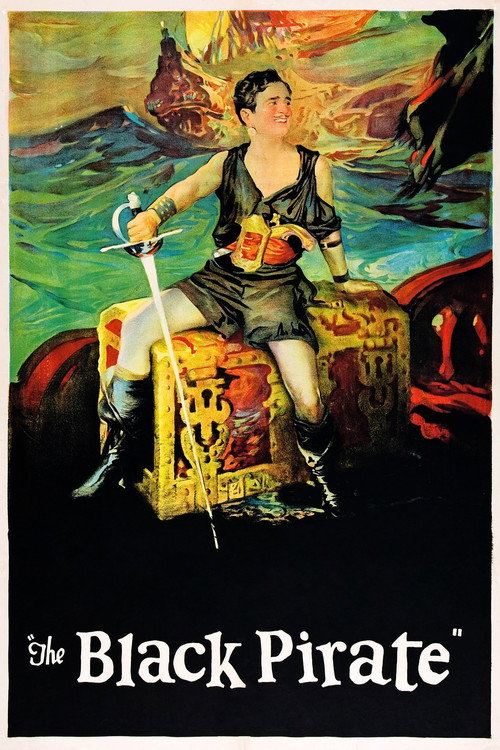
The Black Pirate1926
Douglas Fairbanks at peak athleticism, doing impossible acrobatics across a ship with genuine charm. The original template for swashbuckling cinema—lean, energetic, genuinely clever about its own physics.
But Silent film pacing feels glacial now, and Fairbanks's mugging can read as hammy. The racism toward Indigenous characters is casual and appalling.
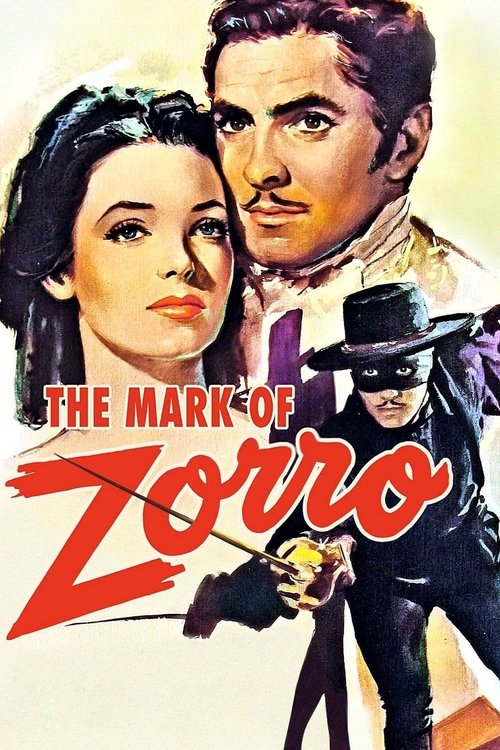
The Mark of Zorro1940
Tyrone Power, impeccable swordplay, and a plot about disguise and double lives that actually sustains tension. Direction is crisp; the action scenes still thrill. A masterclass in adventure filmmaking when it mattered.
But The pacing occasionally drags in the middle third. Some romantic subplot conventions feel creaky even by 1940 standards.
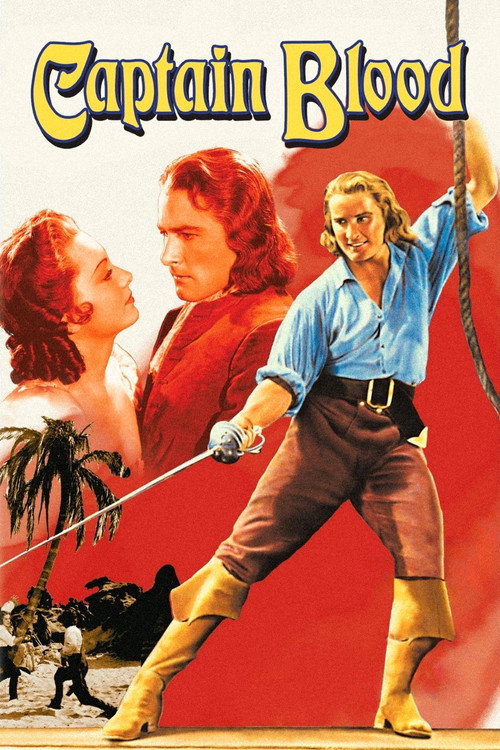
Captain Blood1935
Errol Flynn defined the swashbuckling hero here, and rightfully so—he's charming, genuinely skilled with a sword, and the whole thing moves like water. Technicolor spectacle, stakes that land, a film that knows exactly what it is.
But Some of the character work is shallow, and the moral complexities of piracy are smoothed away entirely. It's pure surface adventure.
Not sure tonight? Get a pick in a minute, starting from The Great Adventures of Captain Kidd
The wildcard
Something you would not have found on your own.
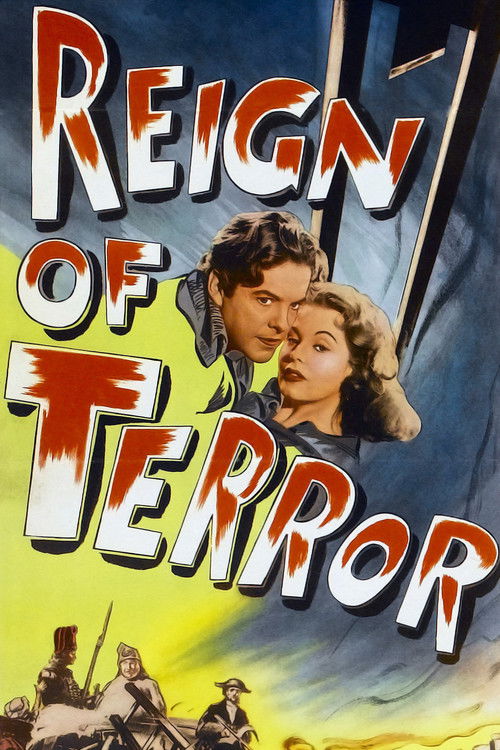
Reign of Terror1949
Both are serial adventures using history as a backdrop; both were made in the early 1950s when serials were dying. Ford uses the form for serious political purpose where Kidd uses it for fun—same structure, opposite intent.
Polish director Aleksander Ford made a resistance thriller disguised as a historical adventure. It's brutal and serious where Kidd is playful, but shares the episodic structure and period intrigue. The final sequence is genuinely harrowing. Rarely seen outside film festivals.
But It's a grim, grey film about Gestapo occupation—nothing like the escapism you're seeking. The prints are often poor quality, and it demands patience with a slower, more European pacing.
More like this (8)
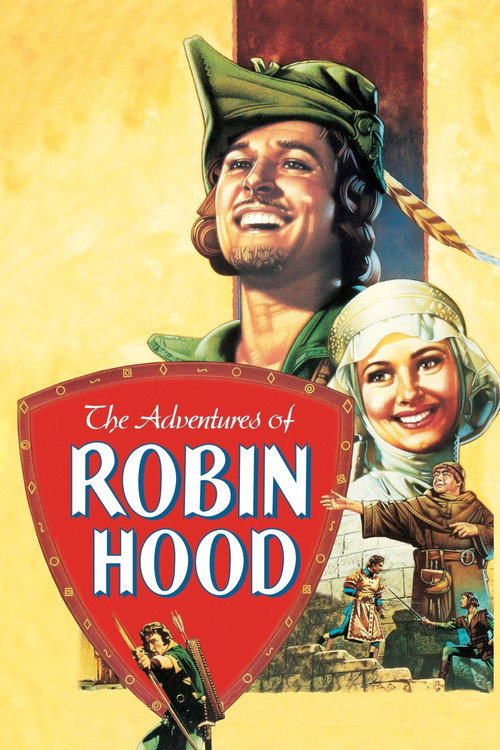
The Adventures of Robin Hood1938
Errol Flynn again, but here the script has wit and the Technicolor is breathtaking. It balances action, humor, and genuine emotional stakes in ways most adventure films never manage. Direction is playful and assured.
But The archery effects are unconvincing by any standard. The romance feels obligatory, and some comic relief hasn't aged well.
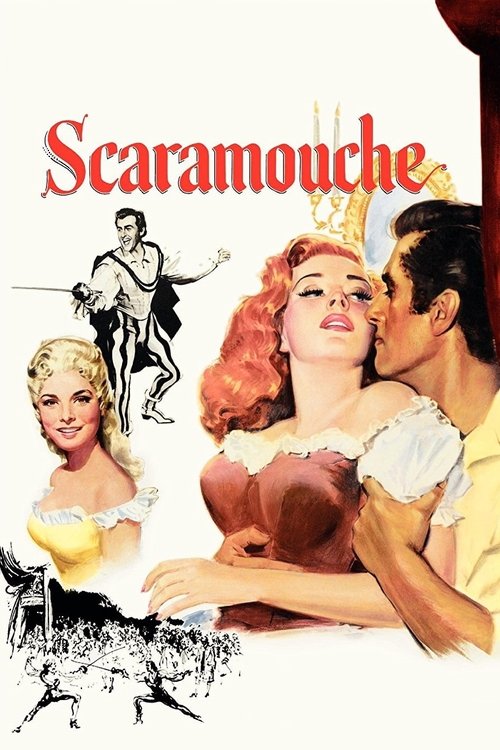
Scaramouche1952
Stewart Granger in a French Revolution adventure with a famous six-minute fencing sequence that's genuinely spectacular. It's bigger and more confident than most adventure fare, with real craft behind the spectacle.
But The political backdrop is cartoonish, and it does run long. The villain's motivations are thin, and the film sometimes feels like it's treading water.
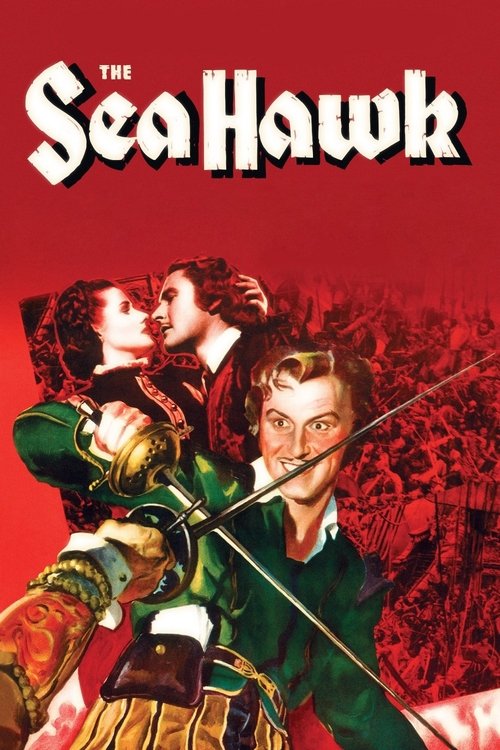
The Sea Hawk1940
Errol Flynn fighting Spanish Armada politics with wit and style. Michael Curtiz directs with real intelligence about intrigue and action. The black-and-white photography is gorgeous, and the film earns its political subtext.
But It's episodic in structure and doesn't always build momentum cleanly. Some of the political allegory reads as obvious propaganda now.
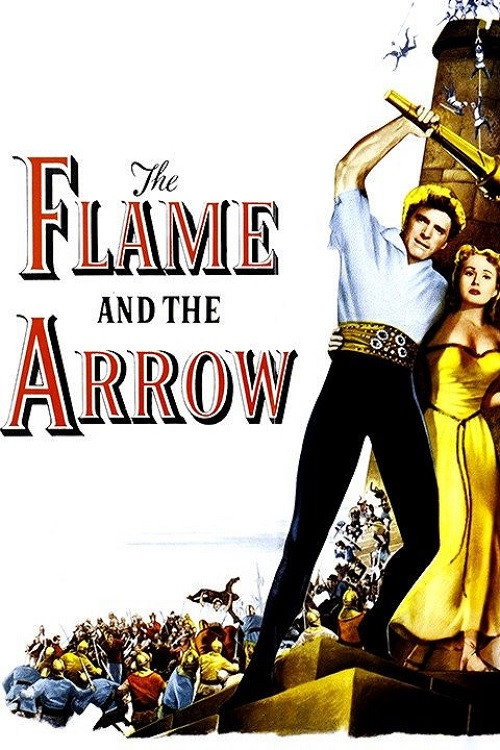
The Flame and the Arrow1950
Burt Lancaster does genuine acrobatics—no fakery—in a medieval adventure with real kinetic joy. The stunts are the point, and they're astounding. It's shorter and punchier than most adventure epics, which works entirely in its favor.
But The plot is gossamer-thin, and the dialogue is functional at best. Virginia Mayo has nothing to do but look concerned, and the romance is boilerplate.
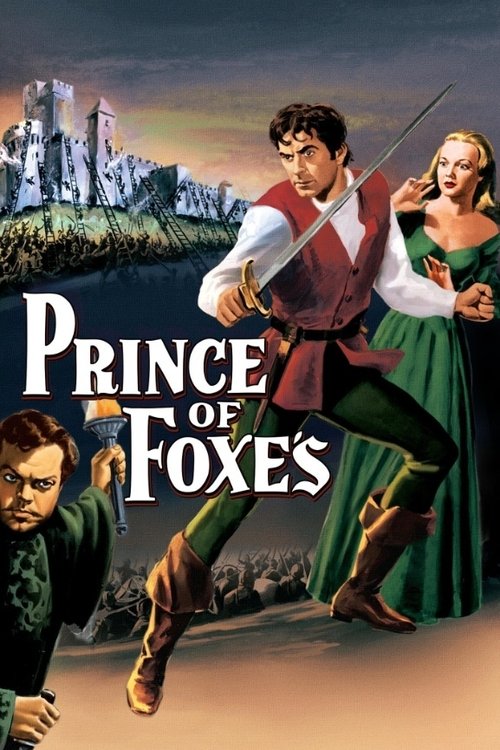
Prince of Foxes1949
Tyrone Power in Renaissance Italy, directed by Henry King with real visual sophistication. It's grittier than typical adventure fare—actual betrayal, actual stakes—and the sword work is excellent. A thinking person's swashbuckler.
But It's slower-paced than you might expect, and the intrigue occasionally overwrites the action. Orson Welles is miscast and wasted as the villain.
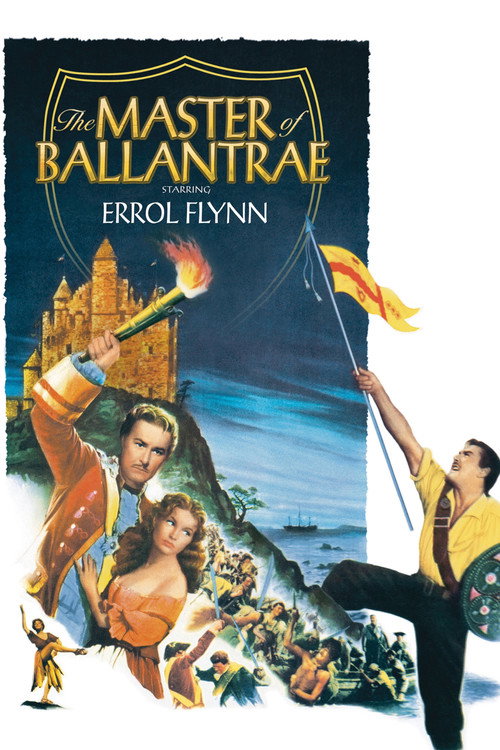
The Master of Ballantrae1953
Errol Flynn and Anthony Steel as warring brothers in a Robert Louis Stevenson adaptation that's smarter than it has any right to be. It explores genuine moral ambiguity wrapped in period adventure. The sword fights are tense.
But The romantic subplot derails things periodically. Some of the supporting characters are thin, and it struggles to find visual style despite its period setting.
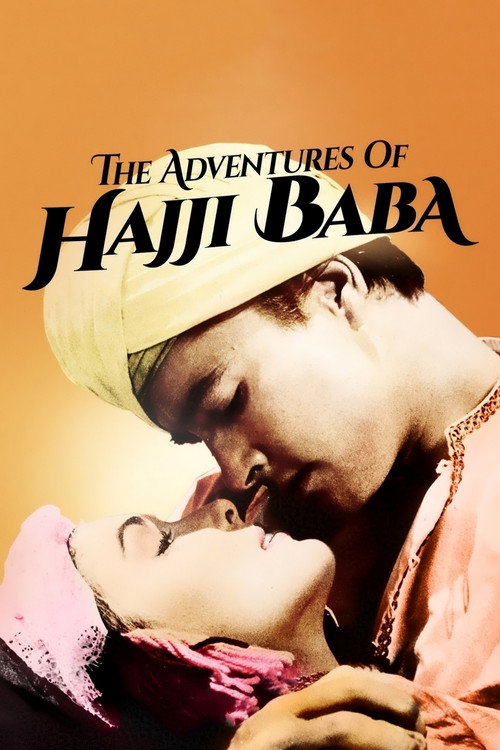
The Adventures of Hajji Baba1954
Same era, same DNA—episodic adventure built on movement rather than plot. Where Kidd sprawls across four hours, Hajji Baba gets lean and nimble with nearly identical DNA.
John Derek in Technicolor Persia—a picaresque adventure across countries and cons, episodic and light-hearted. It captures the same wandering, chapter-by-chapter storytelling as Kidd but compresses it into 90 taut minutes. Pure color and movement.
But It's slight and silly, with no real stakes. The dialogue is terrible, and Derek is pretty rather than compelling. The film knows this and doesn't care.
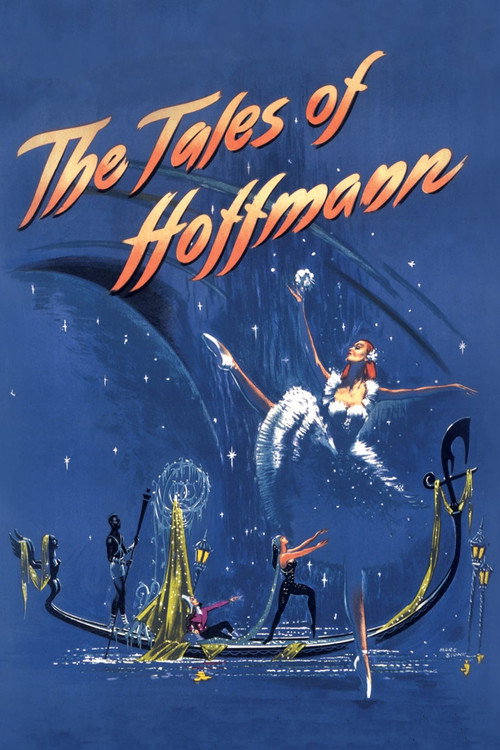
The Tales of Hoffmann1951
Both treat narrative as an excuse for spectacle and visual storytelling rather than character. Both were made in early 1950s color when those techniques were still new. Both trust that movement and image matter more than plot.
Michael Powell and Emeric Pressburger made this as a filmed opera—adventure, romance, and spectacle told in pure visual language. It's psychologically dark beneath the color and artifice, and the structure mirrors serials: distinct acts, mounting stakes, visual invention over narrative logic.
But It is a ballet. If sung drama in stylized sets sounds like punishment, this film cannot save you. The narrative is dreamlike and confusing. Running time is 138 minutes of theatrical artifice.
People
Cast
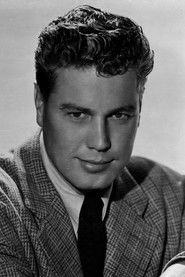 Richard CraneRichard Dale
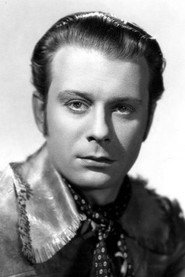 David BruceAlan Duncan
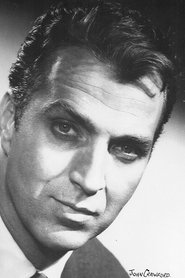 John CrawfordCaptain Kidd
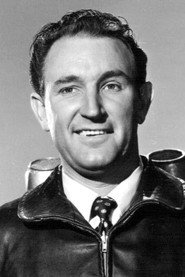 George D. WallaceBuller
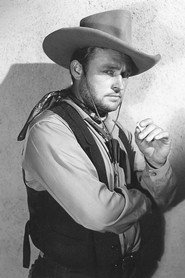 Lee RobertsDevry
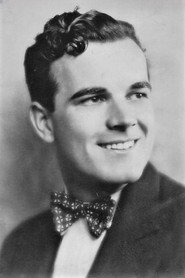 Nick StuartPirate Dr. Brandt
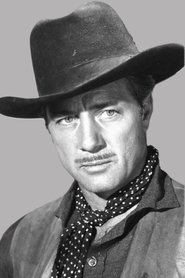 Terry FrostMate William Moore
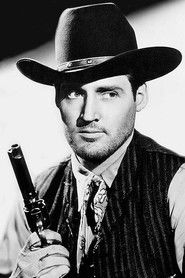 Marshall ReedCapt. Robert Culliford
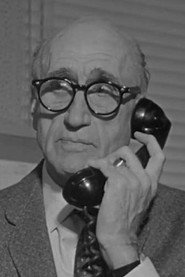 Paul NewlanLong Ben Avery
- Eduardo Cansino Jr.Native
- Willetta SmithPrincess
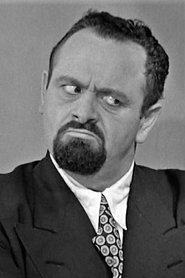 Louis MerrillLord Bellmore
Directing
- Charles S. GouldDirector
- Derwin AbrahamsDirector
Writing
- Arthur HoerlScreenplay
- George H. PlymptonScreenplay
Production
- Sam KatzmanProducer