Television series
The Adventures of Sir Lancelot
- Swashbuckler
- Light-hearted
A 1950s British adventure series following King Arthur's greatest knight through swashbuckling escapades across a stylized medieval landscape. Quick-paced, earnest, and unapologetically theatrical—think Saturday morning serial with genuine charm and production values that belie its modest budget. Perfect for anyone who loves the Arthurian legend but wants action-first storytelling over brooding romance.
Should you watch it?
Watch it if you enjoy old-fashioned swashbuckling where a clean-cut hero rides into each episode's trouble, pirates and rival princes included, and you're happy with the modest look of a 1956 series.
Skip it if you want Arthurian legend with brooding moral shading or romance at its centre; this hero is earnest, brisk and seldom troubled by doubt.
What it asks of you: Half an hour per episode across thirty instalments, with a straightforward plot each time and a steady willingness to take chivalric virtue at face value.
Not sure? Find tonight's pick in a minute.
If you liked this
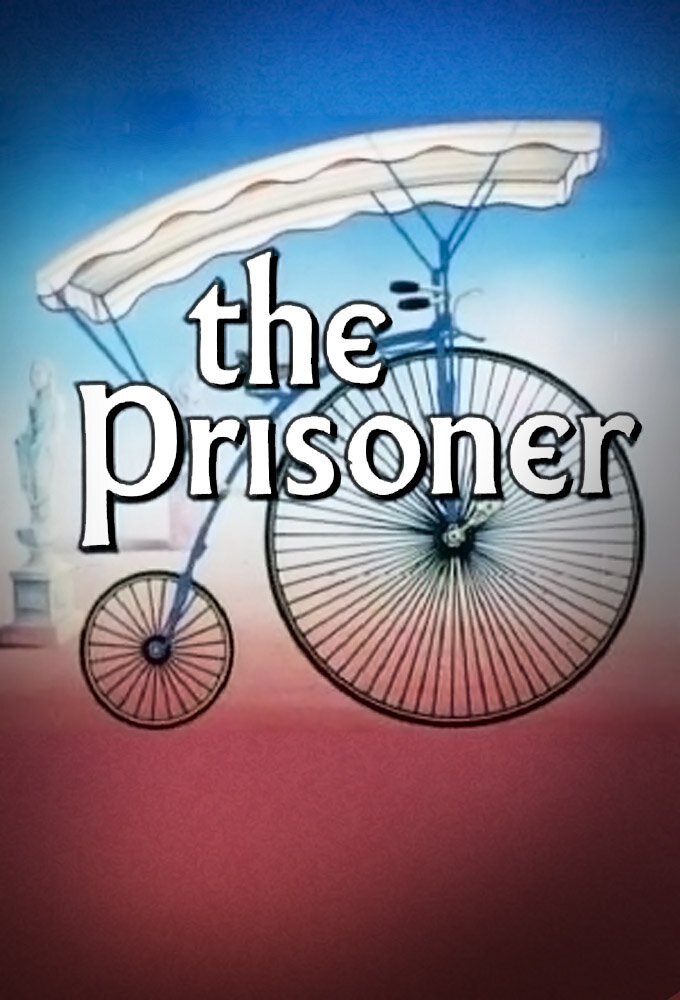
The Prisoner1967
British television at its most inventive, with a hero navigating a labyrinth of challenges and testing his loyalty and wits at every turn. Like Lancelot, it's about a man proving something, but surreal and philosophical where Lancelot is direct.
But Deliberately cryptic and cerebral. If you want straightforward adventure with clear resolutions, this will frustrate you.
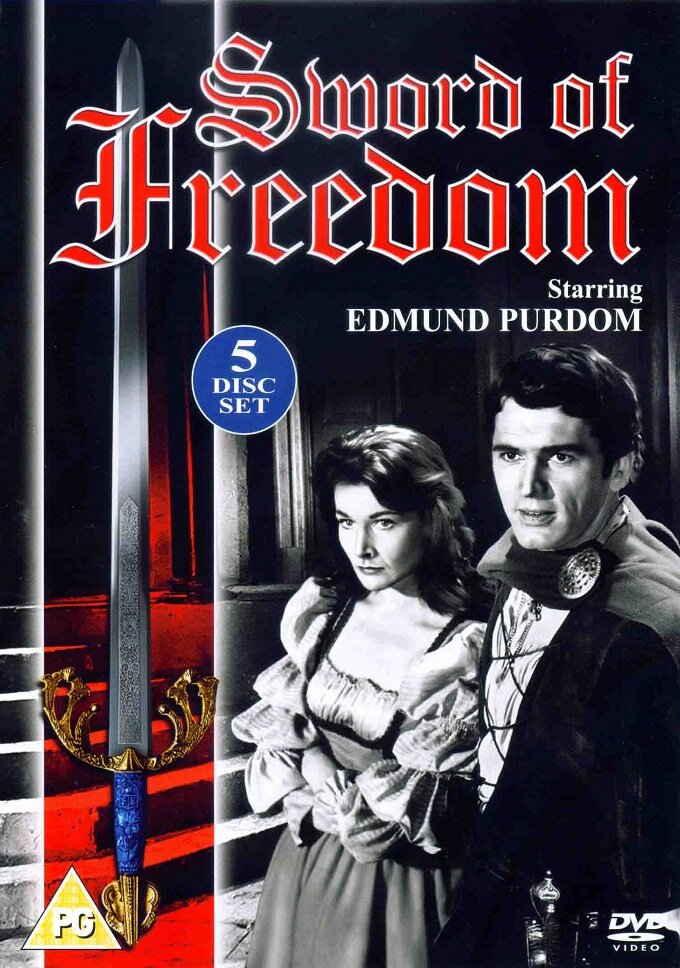
Sword of Freedom1958
Italian-British co-production with an idealistic swordsman protagonist fighting injustice in Renaissance Italy. Same action-adventure DNA, similar production style, equally earnest about its hero's virtue and courage.
But Even more obscure than Lancelot, with pacing that can feel glacial to modern eyes. You'll need patience and genuine affection for vintage adventure TV.
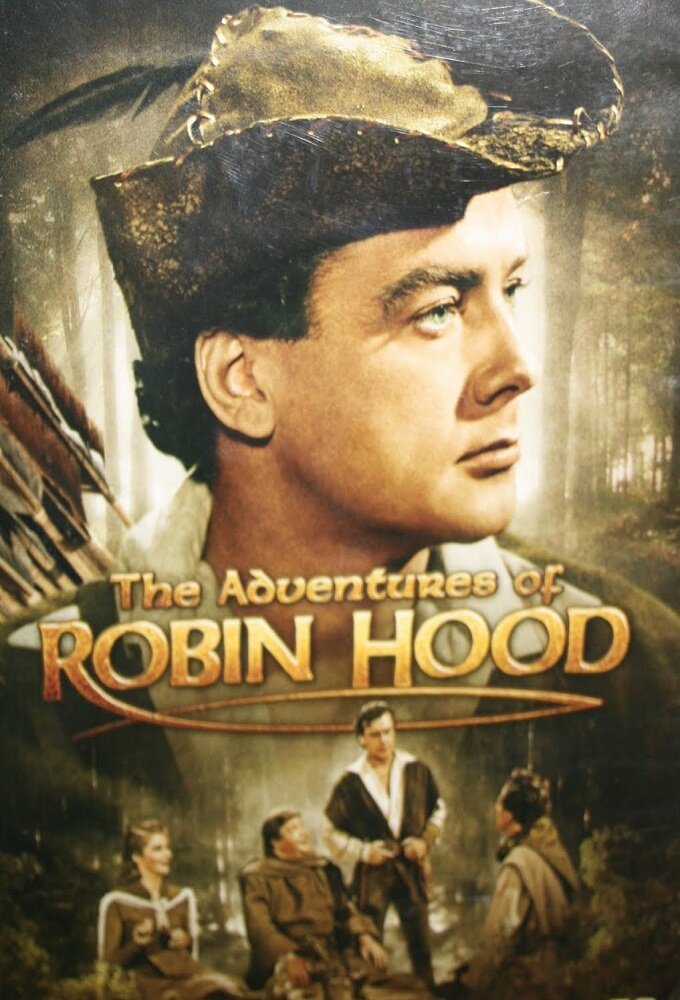
The Adventures of Robin Hood1955
Technicolor English legend with a charismatic lead doing impossible feats of courage and skill. Same audience, same era, same commitment to swashbuckling excitement without cynicism.
But The special effects and fight choreography are visibly stagey. If you need cinematic realism, the illusion breaks easily.
Not sure tonight? Get a pick in a minute, starting from The Adventures of Sir Lancelot
The wildcard
Something you would not have found on your own.
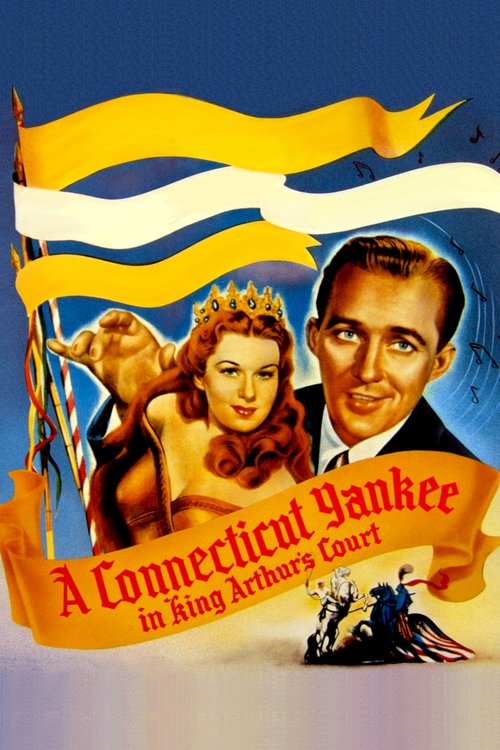
A Connecticut Yankee in King Arthur's Court1949
Both explore King Arthur's world directly, but this one questions the legend itself rather than inhabiting it.
Uses the same Arthurian world Lancelot inhabits, but views it through a modern American's eyes encountering it as myth. Musical, comic, and genuinely inventive about what medieval legend means—a completely different angle on the same legendary material.
But It's a musical with a time-travel plot, which means it abandons straight adventure for whimsy and spectacle. The tone is almost opposite Lancelot's earnestness.
More like this (7)
Zorro
American answer to the same impulse: masked hero, impossible odds, quick-witted escapes, and a code of honour. Slicker production than Lancelot, but the same fundamental pleasure in clever bravery.
But It's glossier and faster-paced, which means Lancelot might feel slower in comparison. The tone is slightly more comedic.
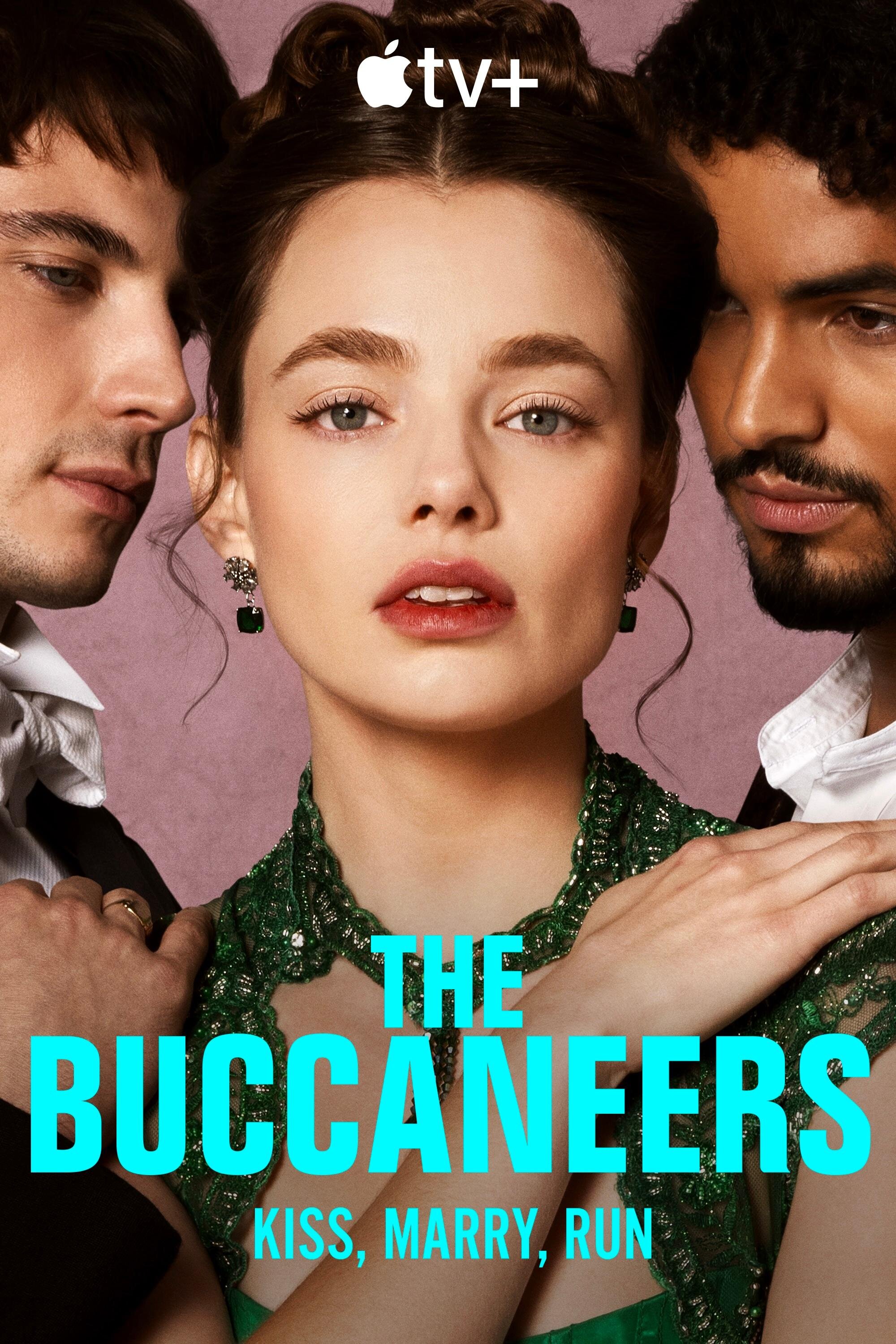
The Buccaneers2023
Seafaring adventure with a hero captain and his loyal crew, same period, same straightforward approach to action and courage. If you love Lancelot's earnestness, this scratches the same itch.
But Nautical setting means less medieval sword-and-sorcery. Less mythologically resonant than the Arthurian frame.
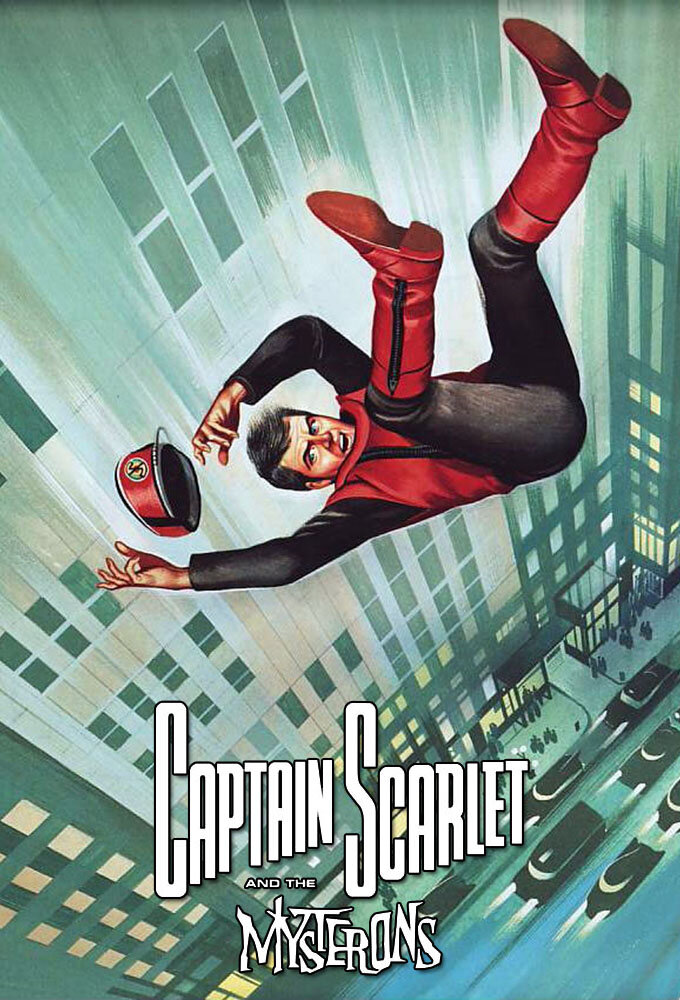
Captain Scarlet and the Mysterons1967
A hero proving his courage and loyalty through repeated trials, always victorious through virtue and determination. Shifts into science fiction, but the DNA of the hero-on-tests remains.
But Puppet-based production (though beautifully done). If you want live-action medieval romance, the sci-fi puppet aesthetic is a complete tonal break.
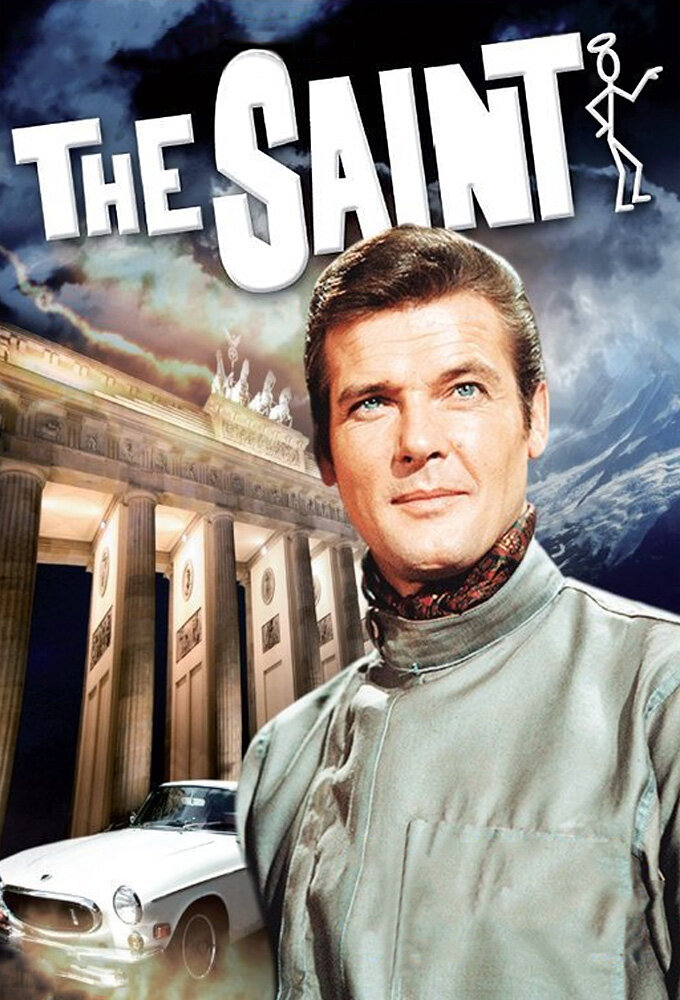
The Saint1962
A charming rogue hero outsmarting villains and proving his code of honour across different dangers. Modern setting, but same episodic pleasure in a capable, likeable protagonist always winning.
But Urban crime-solving rather than medieval adventure. The tone is sleeker and more worldly; Lancelot is more earnestly chivalrous.
Secret Agent 1011966
British spy series with a hero navigating difficult challenges while maintaining his principles. Same era of British television, same episodic structure, similar commitment to a virtuous protagonist.
But Espionage tone is cool and detached. If you love Lancelot's open-hearted heroism, this register will feel uncomfortably cynical.
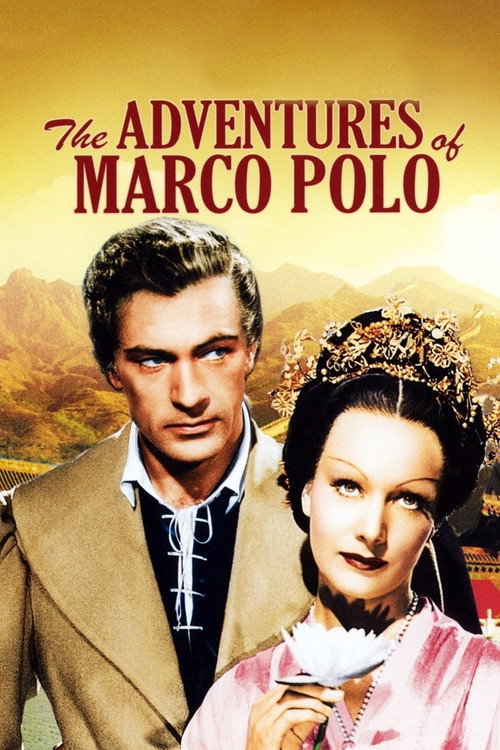
The Adventures of Marco Polo1938
Both follow a young hero earning honour through a series of escalating challenges while serving a powerful patron.
Epic adventure narrative with a hero undertaking a series of trials to prove his worth and loyalty to a great leader, but across the Silk Road instead of medieval England. Same structure, wildly different setting and scale—a reminder that the 'hero on tests' template is universal.
But It's a Goldwyn production from 1938, which means the pacing and sensibility feel entirely pre-war. The adventure is more romance-inflected and less martial than Lancelot.
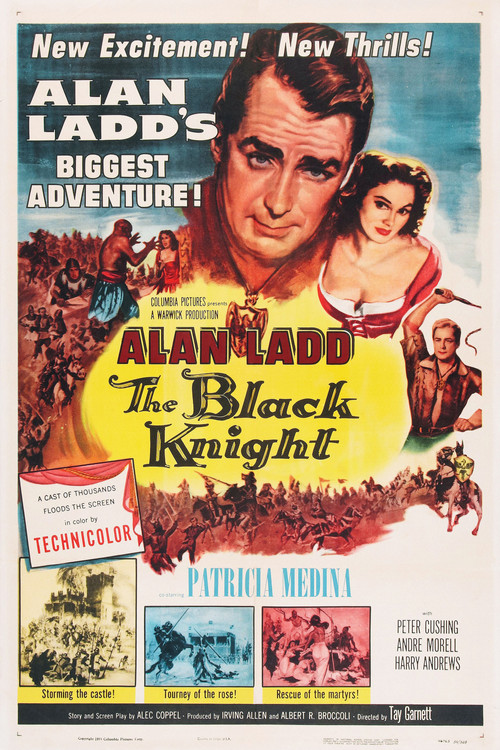
The Black Knight1954
Both are 1950s attempts at medieval adventure in colour, but one is earnestly British television and the other is an American B-picture—same ingredients, opposite registers.
Also medieval, also colour, also a muscular hero (Alan Ladd) proving himself through combat—but American, slightly trashy, and unapologetically pulpy in ways Lancelot the TV show never quite allows itself to be. A warmer, more cynical take on the same aesthetic.
But It's objectively a less coherent film than most Arthurian adaptations. The plot meanders and the dialogue is stiff, which tests patience even for adventure-lovers.