
Television series
Sword of Freedom
A dashing swashbuckler set in Renaissance Florence, where a Republican artist and former pickpocket lead scrappy insurgents against a tyrant duke. It's all rollicking adventure—sword fights, narrow escapes, period beauty—with that particular 1950s British TV charm: earnest, energetic, occasionally creaky. For anyone who loves Robin Hood tales and doesn't mind slight creakiness in execution.
If you liked this
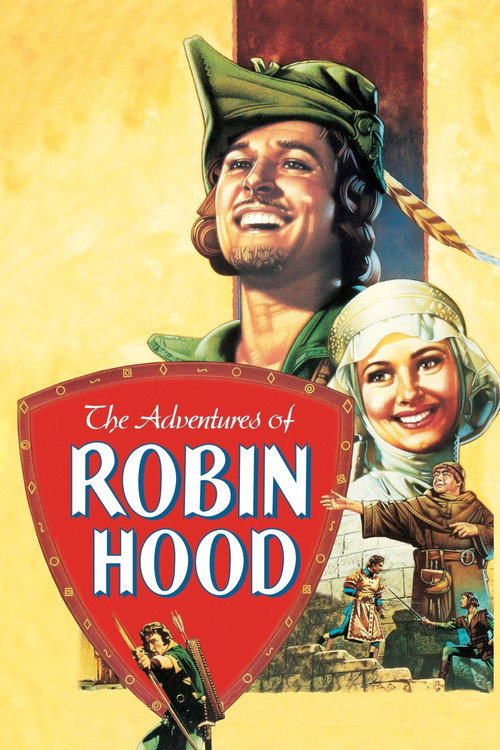
The Adventures of Robin Hood1938
Errol Flynn and vivid Technicolor redefine swashbuckling adventure. It's got the same Robin Hood energy as Sword of Freedom, but with Hollywood resources and a hero so charismatic he barely needs a script.
But At nearly ninety minutes it's longer than a Sword of Freedom episode, and the broad comedy doesn't land the same way it did in the 1930s.
Zorro
Guy Williams as the masked avenger fighting Spanish tyranny in old California. It's exactly contemporary with Sword of Freedom and hits the same sweet spot: clever hero, gallant love interest, weekly adventures with real stakes and actual humor.
But It leans harder into comedy than you might want, and some of the fight choreography looks painfully rehearsed.
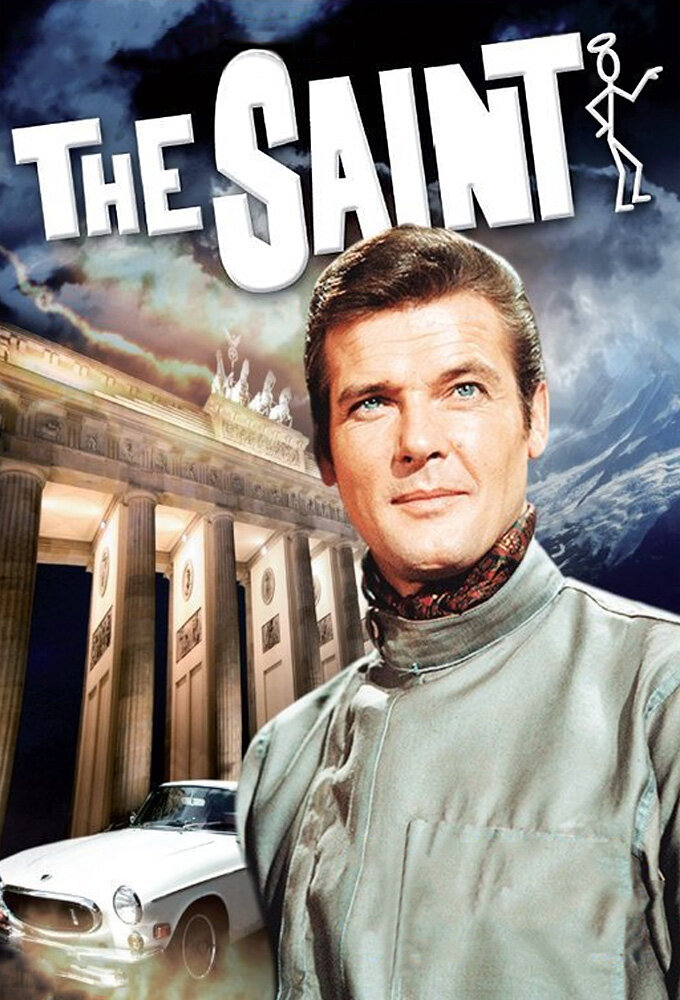
The Saint1962
Roger Moore as a gentleman thief solving crimes across Europe. Same format—independent hero, exotic locations, quick plot turns—but it catches the spirit of the era better, with sharper writing and a protagonist with genuine roguish appeal.
But It's 1960s, so the gender politics are what they are, and the mysteries sometimes break apart on close inspection.
Not sure tonight? Get a pick in a minute, starting from Sword of Freedom
The wildcard
Something you would not have found on your own.
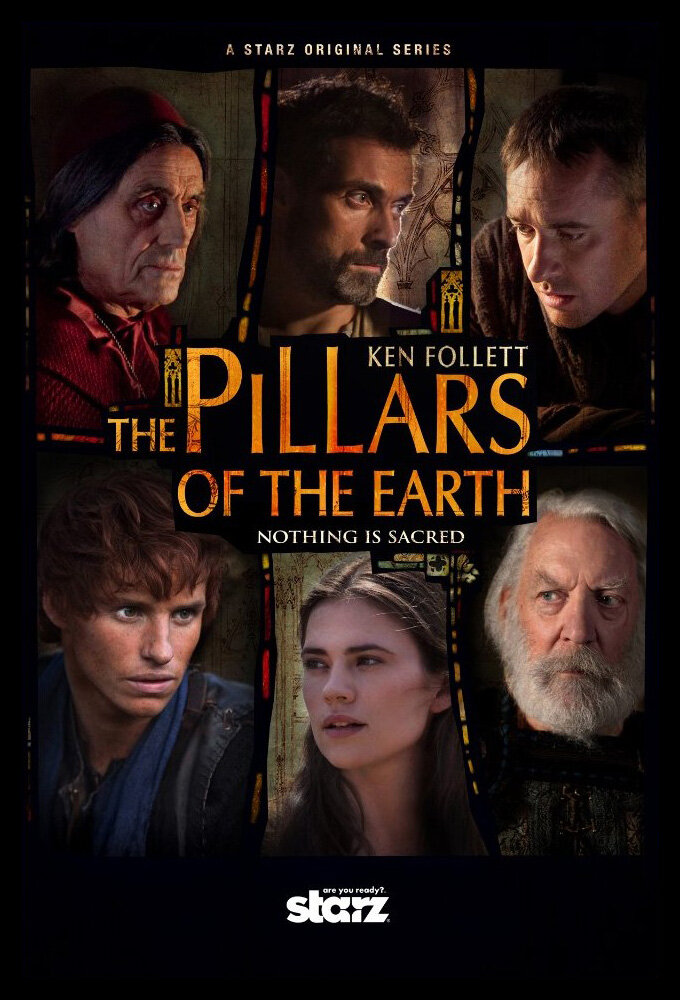
The Pillars of the Earth2010
Both use historical settings to explore how principled people resist tyranny; both center on protagonists fighting corruption through craft and cunning rather than pure violence.
Medieval cathedral builders navigate power, faith, and ambition across decades. It's got Sword of Freedom's interest in how ordinary people survive tyranny and corruption, but it trades weekly adventures for architecture, politics, and genuine tragedy. Same DNA, completely different register.
But It's sprawling, dense, and takes itself with utter seriousness. There are no quips. If you want lightness, this will exhaust you.
More like this (7)
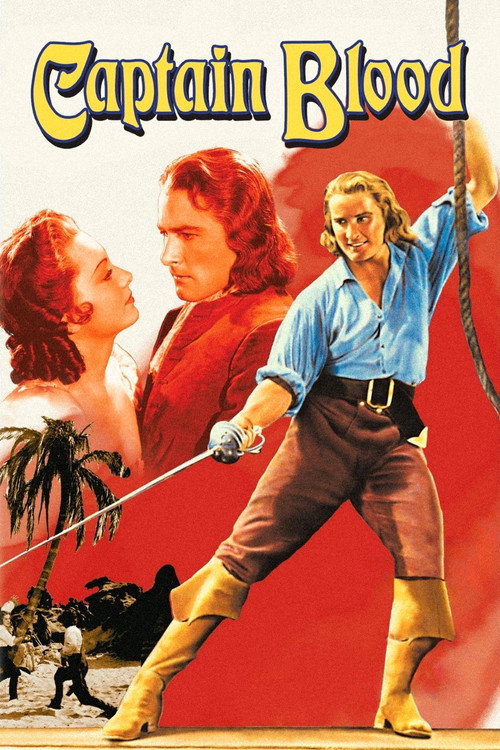
Captain Blood1935
Errol Flynn as a wronged man who becomes a pirate. The template for everything Sword of Freedom is doing—romance, injustice, spectacle, a hero worth following. Still thrilling even now.
But It's pre-war Hollywood, so pacing feels stately by modern standards, and some plot points require patience.
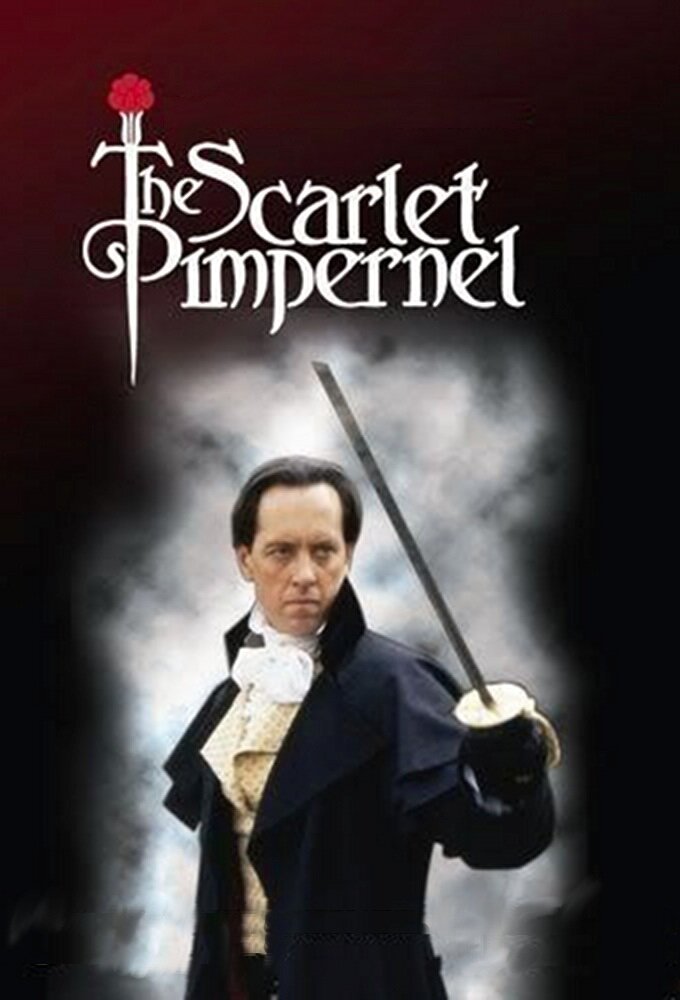
The Scarlet Pimpernel1999
Ian Richardson rescuing aristocrats from the French Revolution with wit and disguise. It's got the same intelligent hero, the same cat-and-mouse game with authorities, and it actually understands how to make period adventure matter.
But It's a TV movie of its era, which means it can feel static. You need to like your adventure cerebral rather than kinetic.
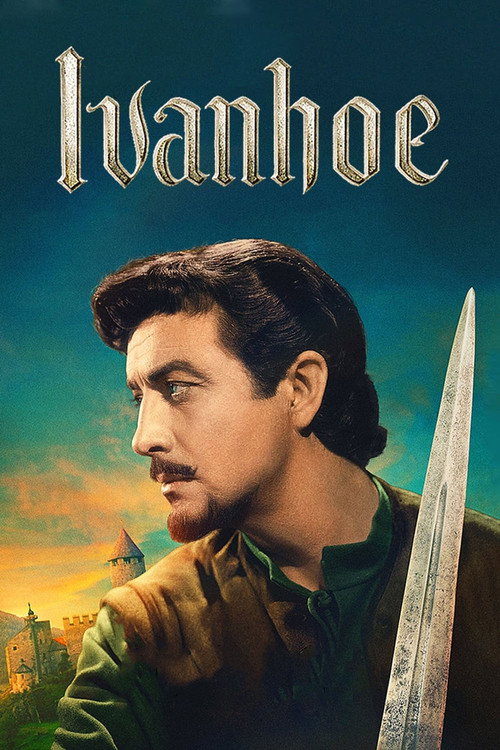
Ivanhoe1952
Robert Taylor in medieval England, caught between feuding powers. Beautiful Technicolor, genuine danger, a love interest with agency, and that same 1950s seriousness about heroism that makes Sword of Freedom tick.
But The script is ponderous in places, and the climactic tournament feels padded out.
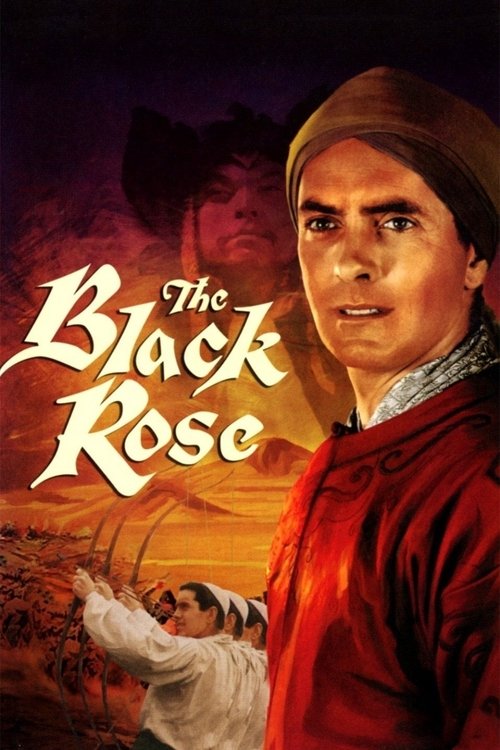
The Black Rose1950
Tyrone Power and Orson Welles in medieval adventure that spans continents. Gorgeous to look at and genuinely strange in places—it's got real scope and genuine oddness underneath the swash.
But Welles steals every scene he's in, which means the nominal hero sometimes disappears. Also, it meanders.
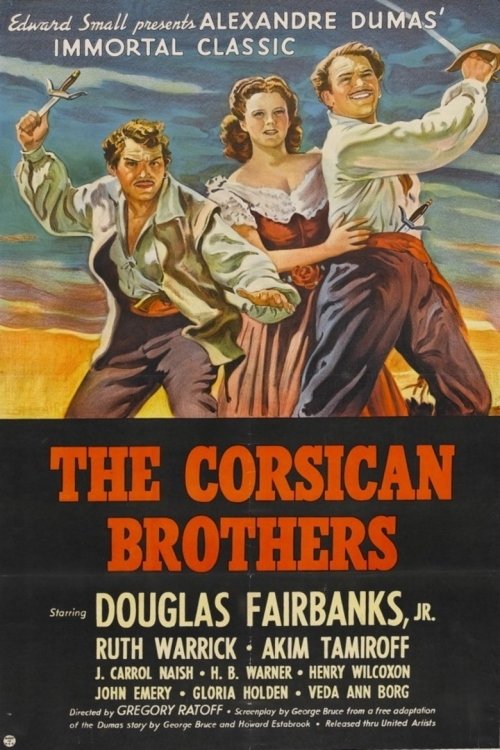
The Corsican Brothers1942
Douglas Fairbanks Jr. as twin avengers in Napoleonic France. It's got the right energy—agile hero, elaborate set pieces, a moral mission underneath the sword work. Shorter and more focused than most period adventures.
But The conceit of the identical twins strains credibility, and the film knows it doesn't quite work.
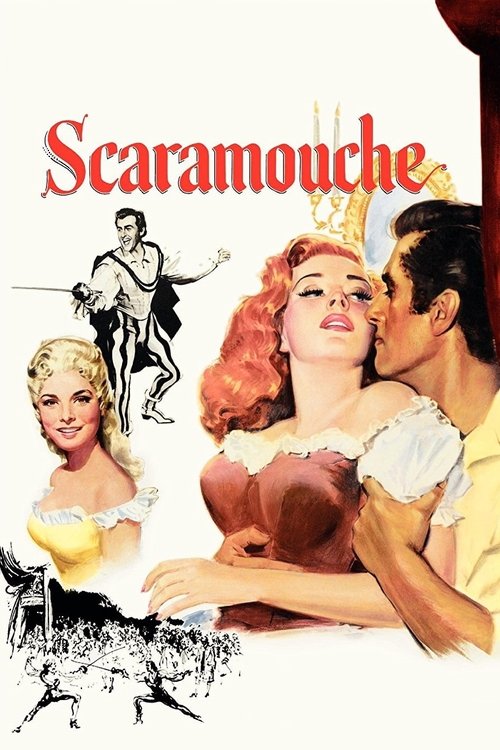
Scaramouche1952
Stewart Granger as an actor-turned-swordsman in Revolutionary France. It's got charm, genuinely skilled fight work, and a hero who uses wit as much as his blade. The romance actually breathes.
But It's nearly two and a half hours for a plot that could fit in forty-five minutes, and it sags in the middle.
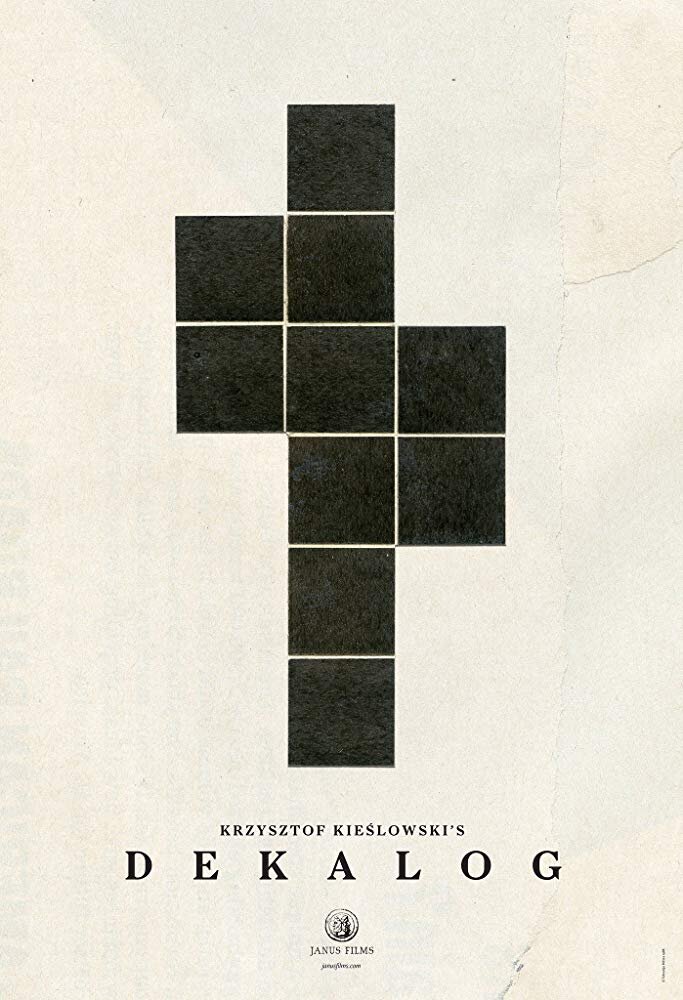
Dekalog1989
Both dramatize how individuals maintain agency and morality under tyranny; Sword of Freedom imagines the triumph, Decalogue imagines the weight.
Ten hour-long films about ordinary people in Communist Poland, each exploring one commandment. It's about resistance to unjust authority and individual conscience under pressure, which is Sword of Freedom's real argument, but it's devastatingly serious, contemporary, and about real stakes.
But It's demanding, bleak, and Polish—nothing swashes, nobody escapes, and some episodes end in quiet ruin.
People
Cast
Writing
- Hannah FisherCreator