
Film
Fancy Pants
- Comedy
- Light-hearted
A 1950 comedy where Bob Hope plays an American actor posing as an English butler to civilize a wealthy New Mexico family. It's broad, genial slapstick with musical numbers, the kind of thing that moves fast and asks nothing of you except to enjoy Hope's timing and the chaos of mistaken identity. Pure mid-century entertainment.
If you liked this
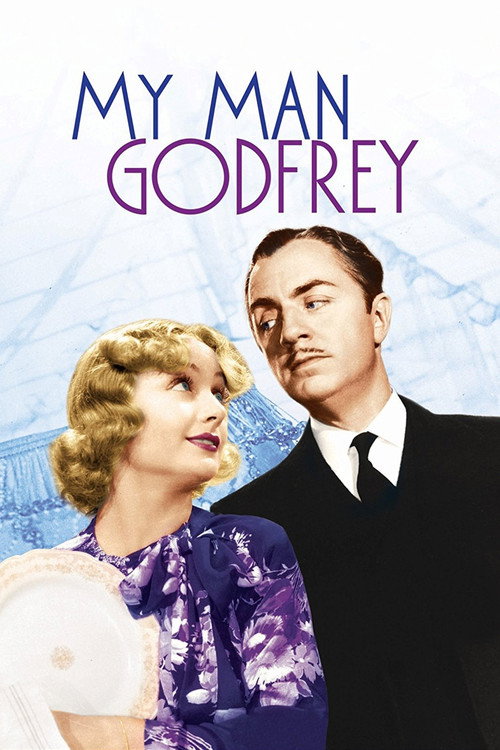
My Man Godfrey1936
A screwball masterpiece about a wealthy family hiring a man they believe to be refined but who is actually reinventing himself. Carole Lombard and William Powell spark brilliantly; the formula is comedy gold.
But It moves at breakneck speed with overlapping dialogue, which can feel exhausting rather than funny if you're not in the mood for that particular energy.
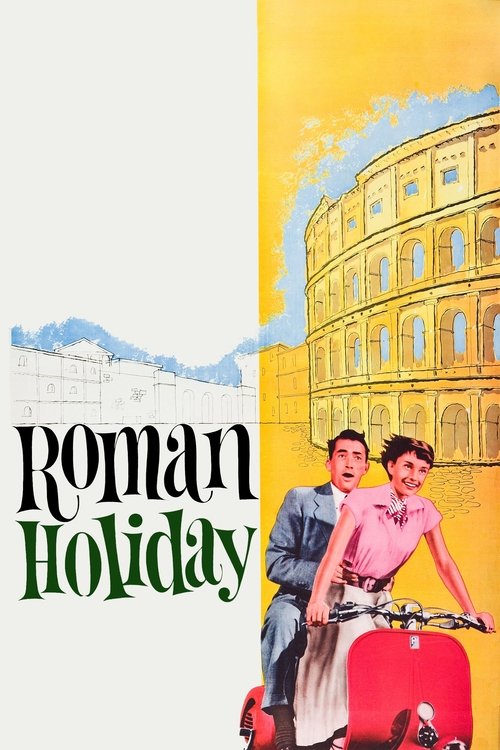
Roman Holiday1953
Audrey Hepburn and Gregory Peck in a romance built on deception and performance. It has the same lightness as Fancy Pants but adds genuine warmth and a touch of melancholy that lingers after the laughs fade.
But The plot relies on a lie that feels increasingly manipulative if you think about it too hard; the film asks you not to.
It Happened One Night1934
Claudette Colbert and Clark Gable in a comedy about crossed wires and class pretense. Snappy, inventive, and genuinely romantic in a way that makes you believe two people could fall for each other in spite of themselves.
But The pacing and dialogue style feel dated; modern viewers sometimes find it stagey rather than cinematic.

Not sure tonight? Get a pick in a minute, starting from Fancy Pants
The wildcard
Something you would not have found on your own.
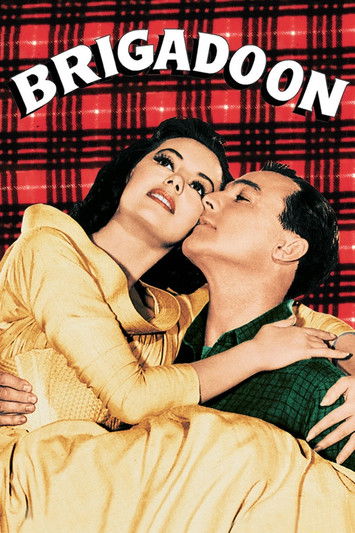
Brigadoon1954
Both use mistaken arrival and performance to explore whether you can truly belong to a world not born into; one is comedy, one is fantasy, but the core question is identical.
A musical about an American stumbling into a Scottish village that exists only one day every hundred years. It's strange and earnest, built on the same structure—outsider disrupting a closed world—but it takes its fantasy seriously in ways Fancy Pants never does.
But The film is a studio picture that looks stagey and artificial; the romance feels imposed rather than discovered, and the ending asks too much belief.
More like this (8)
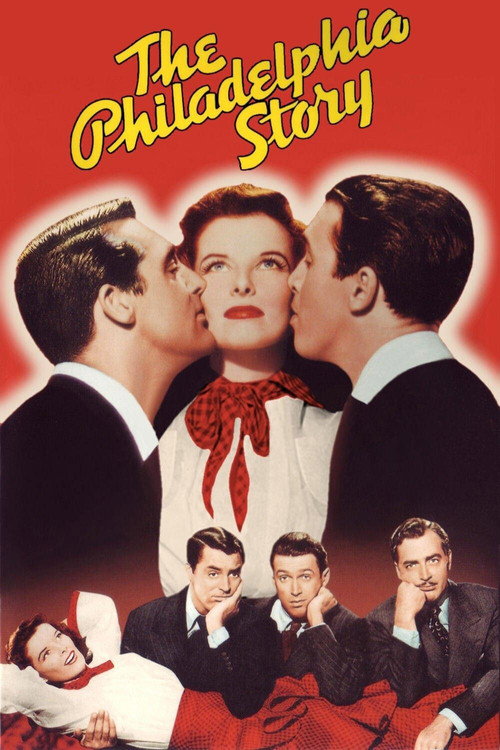
The Philadelphia Story1940
Cary Grant, Katharine Hepburn, and James Stewart navigating romance and social performance. It's witty enough to reward close attention but accessible enough to be pure pleasure; a genuinely great film.
But The treatment of its female lead's sexuality feels condescending by modern standards, and some scenes haven't aged well.
Singin' in the Rain1952
Gene Kelly, Donald O'Connor, and Debbie Reynolds in a musical about performance and authenticity. The dance numbers are extraordinary, and the whole film crackles with joy and invention.
But If musicals aren't your thing, the extended production numbers might feel like padding rather than entertainment.

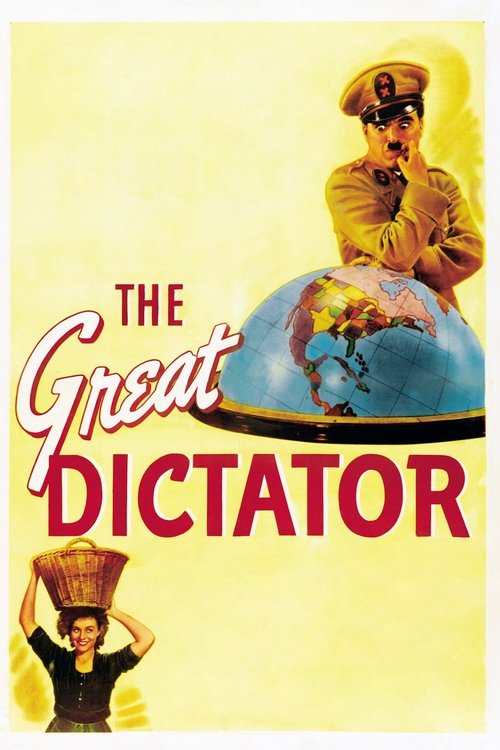
The Great Dictator1940
Charlie Chaplin plays a Jewish barber mistaken for a fascist dictator. It's funny and furious, light and heavy at once, using mistaken identity as a lens to examine evil and humanity.
But The final speech is a tonal departure that can feel preachy; the film asks you to hold comedy and moral seriousness in the same space.
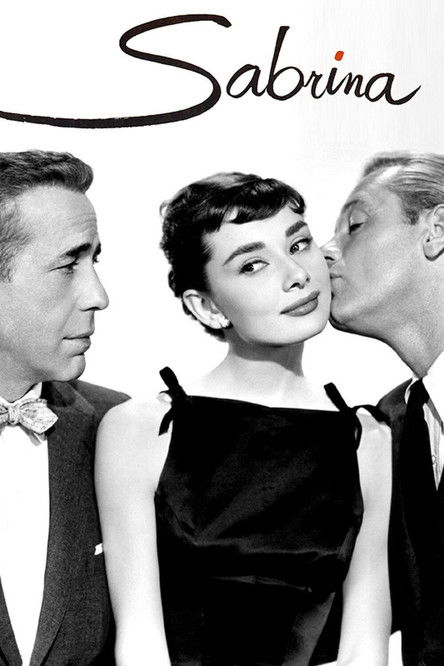
Sabrina1954
Audrey Hepburn as a chauffeur's daughter caught between two wealthy brothers. Billy Wilder directs with elegance; the film is about performance, class, and whether anyone can truly change who they are.
But The romance feels convenient rather than earned, and the resolution sidesteps its own questions about ambition and authenticity.
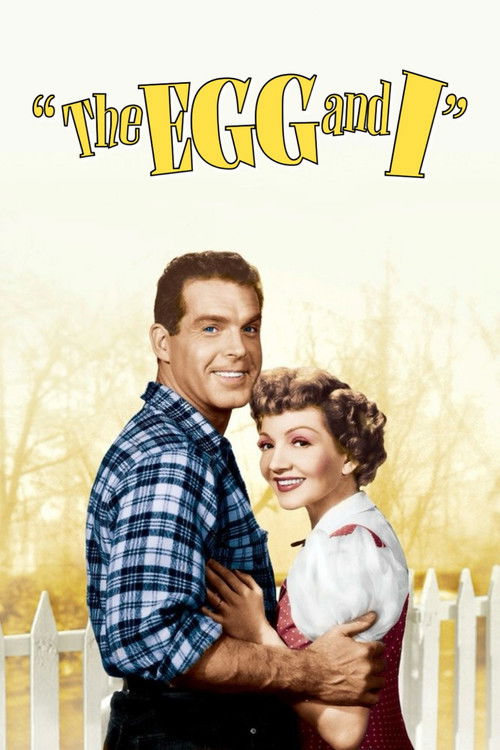
The Egg and I1947
Claudette Colbert and Fred MacMurray in a rustic comedy about culture clash and marriage. It's cozy and funny in a gentler way than Hope's usual style, with real affection underneath the gags.
But The pacing drags in stretches, and some of the humor depends on outdated assumptions about gender and rural life.
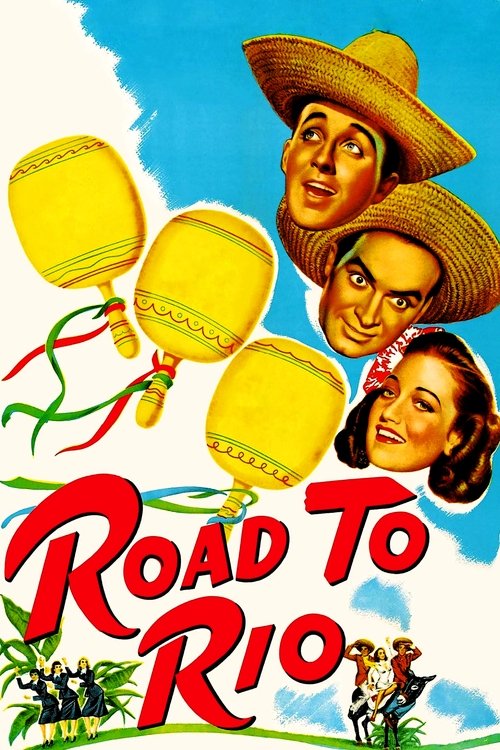
Road to Rio1947
Bob Hope and Bing Crosby in one of their Road pictures, with songs, slapstick, and the easy banter that made these films so durable. If you like Hope, this is him at his most comfortable.
But The Road series formula is repetitive by design; you're either charmed by that consistency or bored by it, with little middle ground.
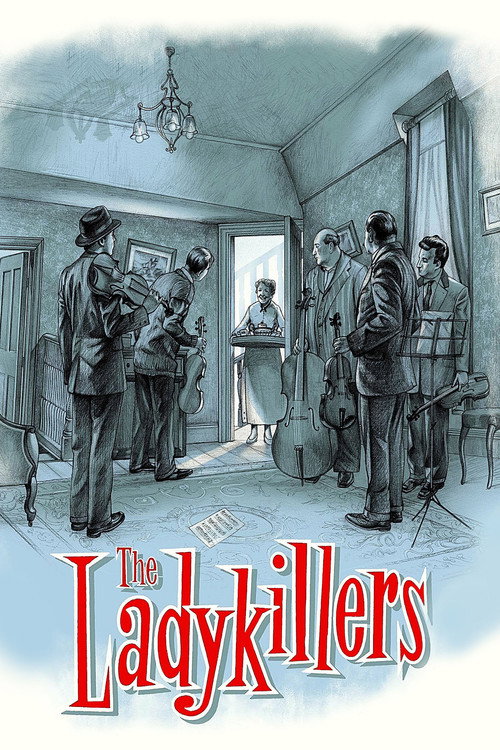
The Ladykillers1955
Both films build comedy from the collision between performance and reality, and both ask: what happens when the con collapses and the con artist must choose between the lie and the person they've become?
Five criminals posing as musicians rent a room from an elderly landlady. Ealing Studios at peak wit, with an ensemble cast playing a genre game with real affection. It's darker than Hope but built on the same DNA of deception and revealed truth.
But It's British, which means the humor is drier and the pacing less frantic; American audiences expecting Hope's energy will find it oddly paced.
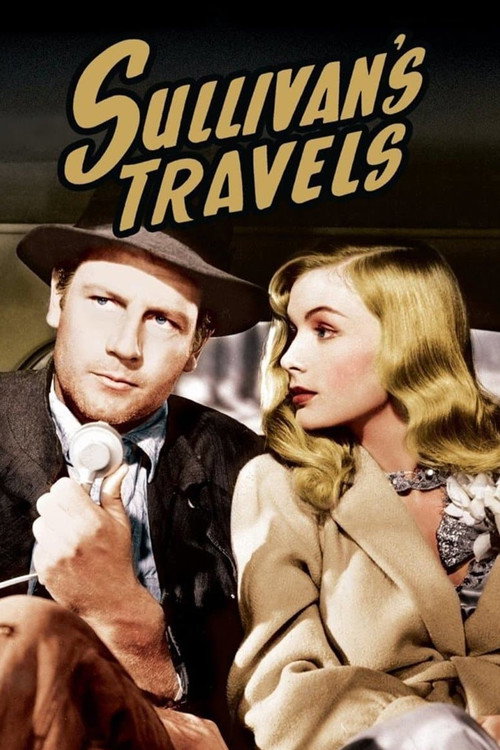
Sullivan's Travels1941
Like Fancy Pants, it's about a performer in disguise discovering that the role transforms the person; but where Hope's film stays light, this one follows that idea into genuine darkness and moral weight.
Joel McCrea as a Hollywood director who disguises himself as a vagrant to understand poverty for his art. It's formally brilliant, funny and heartbreaking by turns, about performance masking and unmasking truth. Preston Sturges at his peak.
But The tonal shifts are abrupt and sometimes jarring; it refuses to stay in one register, which some find invigorating and others find frustrating.
People
Cast
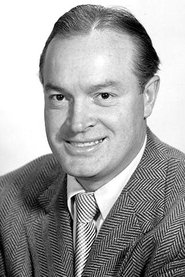 Bob HopeHumphrey
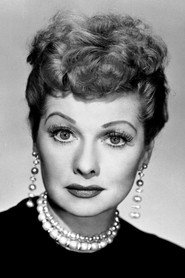 Lucille BallAgatha Floud
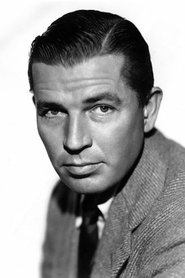 Bruce CabotCart Belknap
- Jack KirkwoodMike Floud
- Lea PenmanEffie Floud
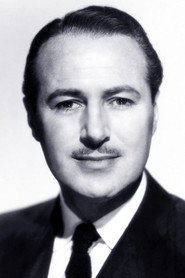 Hugh FrenchGeorge Van-Basingwell
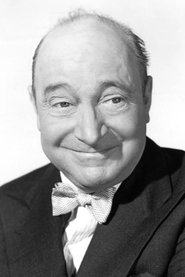 Eric BloreSir Wimbley
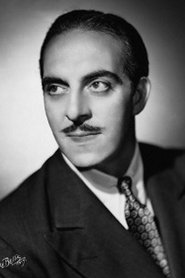 Joseph VitaleWampum
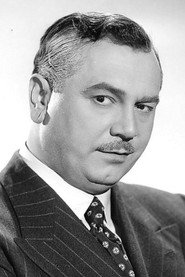 John AlexanderTeddy Roosevelt
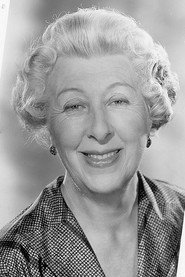 Norma VardenLady Maude
- Virginia KeileyRosalind
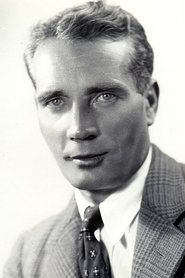 Colin Keith-JohnstonTwombley
Directing
- Oscar RudolphAssistant Director
- George MarshallDirector
- Ronnie LubinScript Supervisor
- Michael D. MooreSecond Assistant Director
Writing
- Edmund L. HartmannScreenplay
- Robert O'BrienScreenplay
- Harry Leon WilsonStory
Production
- Robert L. WelchProducer