
Film
Seven Days to Noon
A 1950 British thriller about a nuclear scientist who steals a warhead and threatens to detonate it in London unless the government disarms. It's tense, procedural, and urgently relevant—a film about conscience and catastrophe made before the Cold War fully froze. For anyone drawn to intelligent political thrillers with real stakes.
If you liked this
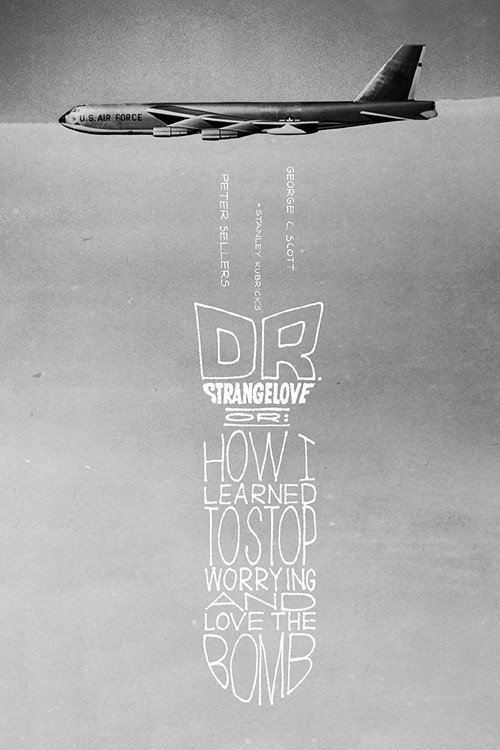
Dr. Strangelove or: How I Learned to Stop Worrying and Love the Bomb1964
Kubrick's masterpiece turns nuclear paranoia into pitch-black satire. If you're fascinated by the anxiety beneath Seven Days to Noon, this shows what happens when that tension becomes absurd.
But It's deliberately chaotic and deeply cynical. If you want clarity and moral seriousness, this film actively resists both.
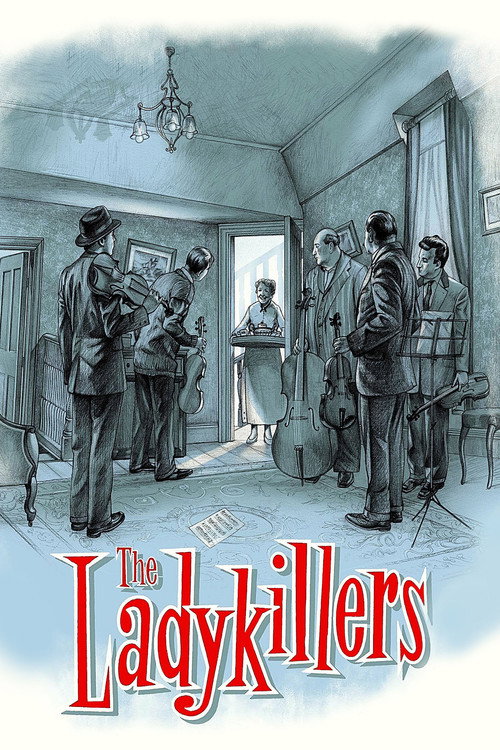
The Ladykillers1955
Also British, also a heist wrapped around a moral problem. The Ealing Studios sensibility—crime, eccentricity, everyday people in extraordinary situations—is in Seven Days's DNA.
But It's a comedy. The tonal shift from your film might feel jarring, and the crime here is played for laughs.
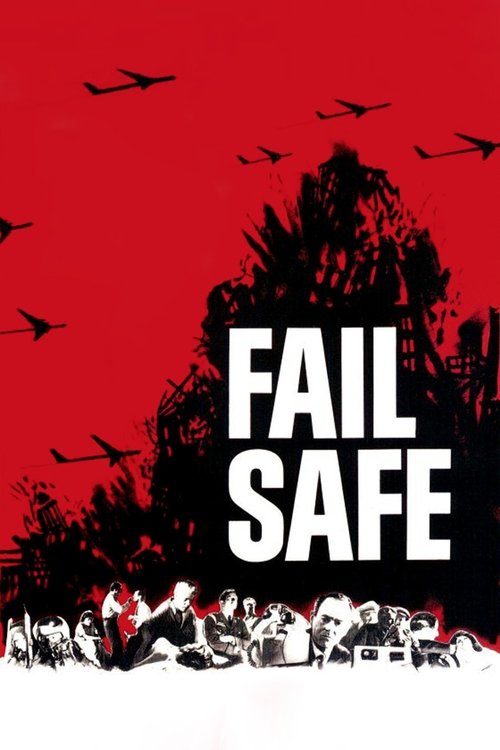
Fail Safe1964
A procedural about nuclear catastrophe averted through chain-of-command desperation. It shares Seven Days's belief that the real thriller is watching competent people face impossible choices.
But It's grim without relief. Long stretches of technical conversation. Some find it slow; others find that's the point.
Not sure tonight? Get a pick in a minute, starting from Seven Days to Noon
The wildcard
Something you would not have found on your own.
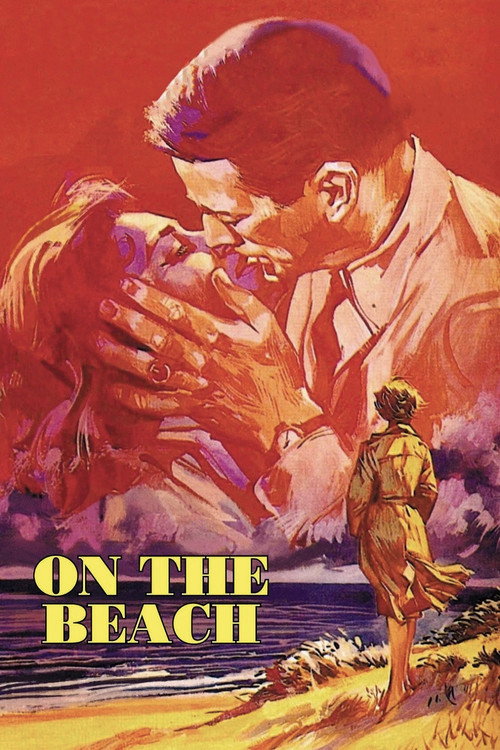
On the Beach1959
Both films pivot on nuclear dread, but where Seven Days asks 'can we stop it?', On the Beach asks 'what do we do when we can't?' They're inverse explorations of the same terror.
Humanity waits for radioactive fallout to arrive. No thriller mechanics—just people facing extinction. It's the aftermath Seven Days was threatening; watching a society accept annihilation is quieter and more devastating than any bomb.
But It's apocalyptic and static. Long passages of people accepting death. Some find it profound; others find it unbearably bleak without catharsis.
More like this (8)
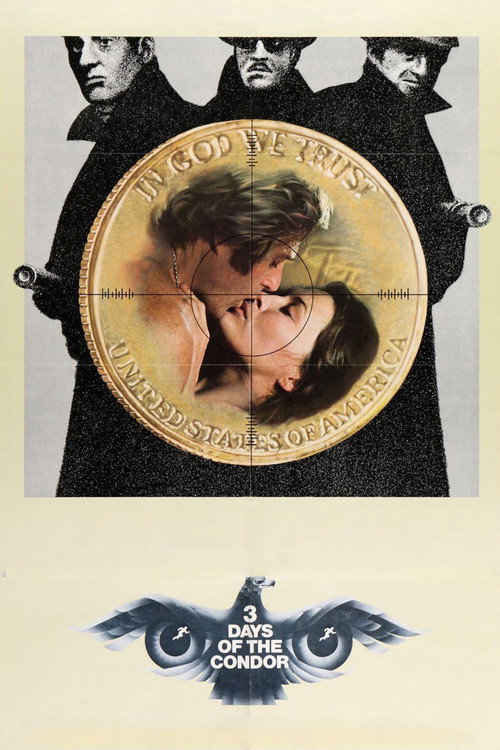
Three Days of the Condor1975
A CIA analyst on the run, hunted by both sides. The paranoia is personal, the pace is relentless, and it captures that 1970s sense that the state itself is the threat.
But It's dated in its sensibility. The politics feel settled now in ways that might feel quaint.
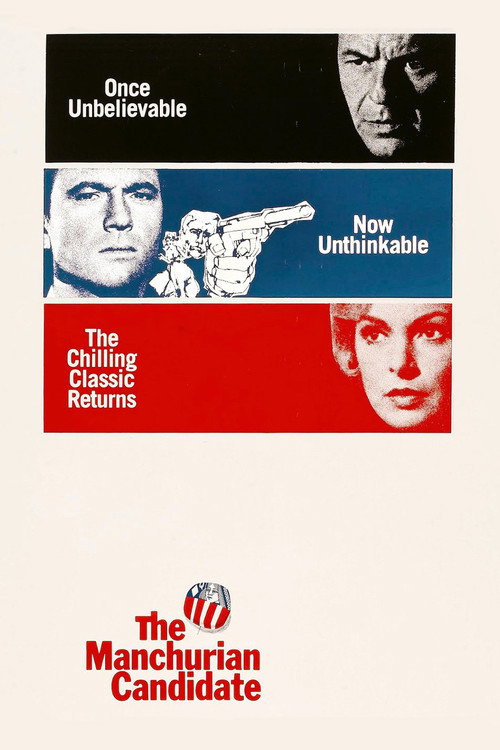
The Manchurian Candidate1962
Cold War paranoia at peak anxiety. Like Seven Days, it treats the apparatus of power as genuinely terrifying and takes the threat seriously without camp.
But It's dense with plot. Multiple timelines and political conspiracy can feel baroque if you're not tracking it.
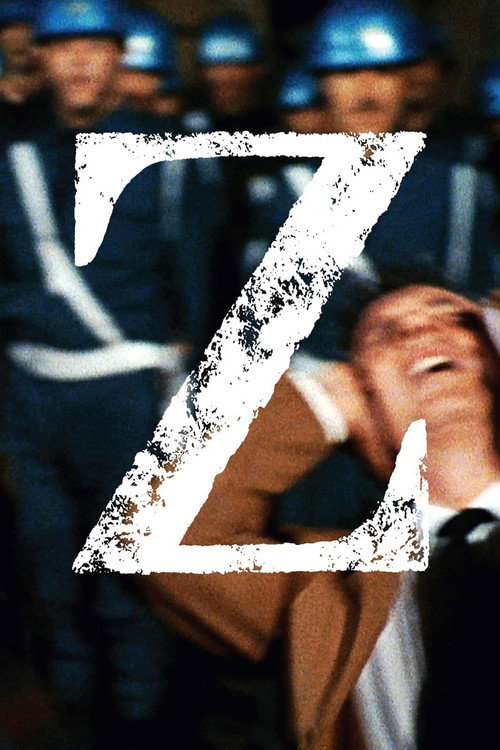
Z1969
A political thriller about a state murder and the machinery that protects it. The procedural investigation mirrors Folland's hunt, but the moral ground keeps shifting.
But It's in French, subtitled. The politics are specific to 1960s Greece, which might feel distant.
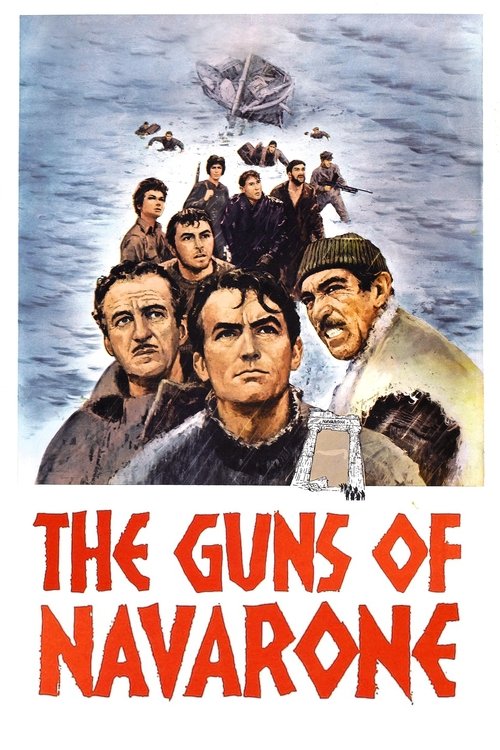
The Guns of Navarone1961
A tight ensemble on a time-bound mission against impossible odds. The structure—experts under pressure, ticking clock, moral compromise—echoes your film's DNA.
But It's an action picture. If you want the intellectual weight of Seven Days rather than spectacle, this pivots toward adventure.
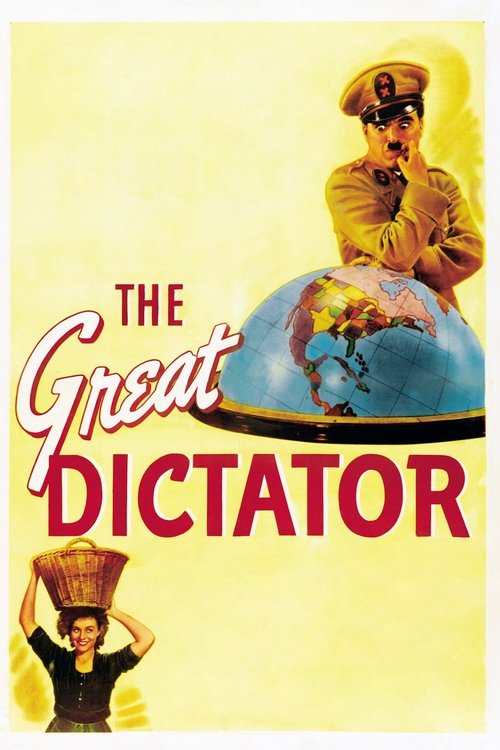
The Great Dictator1940
Chaplin's only sound film, about power, conscience, and the individual against totalitarian machinery. Political passion without preaching; comedy that doesn't undermine the stakes.
But It's an older film with an explicitly sentimental finale. The tonal shifts between comedy and gravity don't work for everyone.
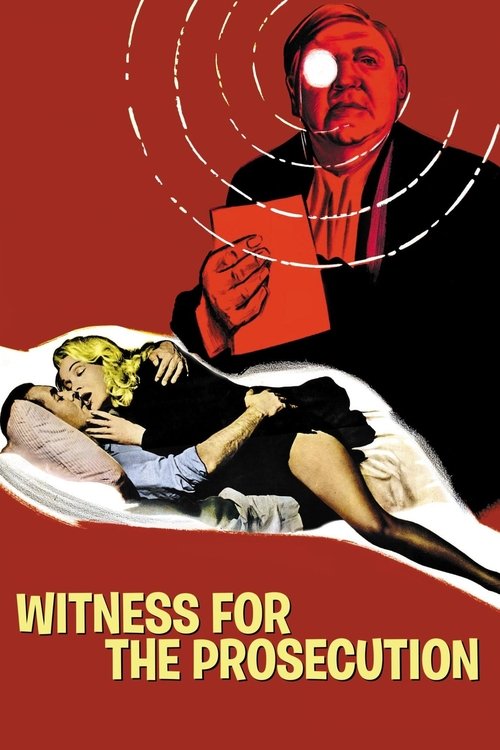
Witness for the Prosecution1957
Another 1950s British procedural with Agatha Christie's plot machinery. The cat-and-mouse between investigator and subject has similar energy to Folland and Willingdon.
But It's a courtroom mystery, not a manhunt. The stakes are personal rather than existential, which is a very different register.
The Battle of Algiers1966
Both films refuse the comfort of simple villainy. Willingdon isn't mad; he's desperate and principled. This film extends that moral ambiguity across an entire conflict.
A documentary-style thriller about occupation, terrorism, and counterinsurgency. It treats both the FLN and the French military as rational actors pursuing impossible goals. Morally complex and formally brilliant.
But It's a film about terrorism made to be sympathetic to the terrorists. The political stance is explicit and confrontational. Black-and-white, grainy, deliberately austere.

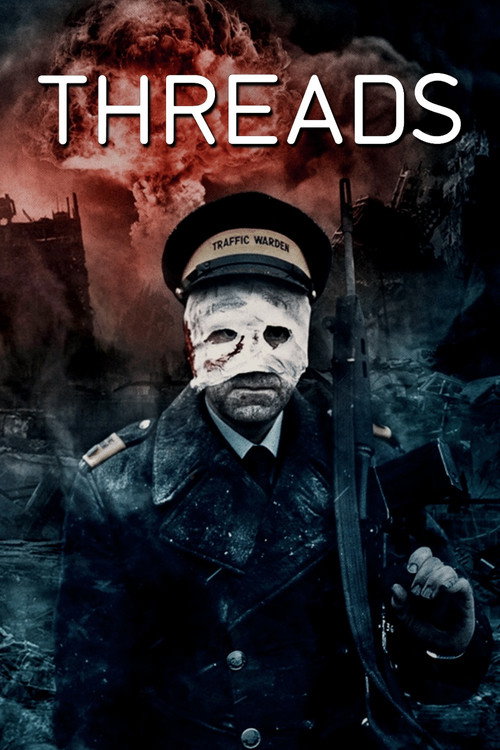
Threads1984
Seven Days asks if we can prevent nuclear war. Threads shows what happens if we can't. Together they're a conversation about agency and consequence that spans three decades.
A BBC nuclear war drama that depicts the first week of atomic conflict and the decade after. It's bleaker than anything you'll see, but it's what Seven Days's threat actually produces—not thriller beats, but ruins.
But It's designed to traumatize. No heroics, no escape, no restoration. Watching it feels like civic duty, not entertainment. Once is probably enough.
People
Cast
 Barry JonesProfessor John Malcolm Francis Willingdon
 André MorellSuperintendent G.W. Folland
- Olive SloaneGoldie Phillips
 Sheila ManahanAnn Willingdon
 Hugh CrossStephen Lane
 Joan HicksonMrs. Emily Georgina Peckett
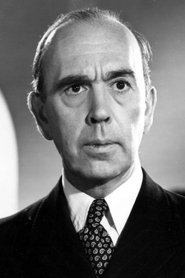 Ronald AdamArthur Lytton, the Prime Minister
 Marie NeyMrs. Willingdon
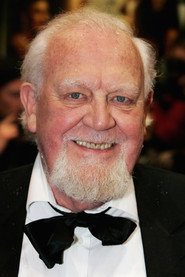 Joss AcklandStation Policeman
 Marianne StoneWoman in Phone Box
 John StrattonArmy Mechanic
- George SpenceMan on Bus (uncredited)
Directing
- Mike JohnsonAssistant Director
- Shirley BarnesContinuity
- John BoultingDirector
- Roy BoultingDirector
Writing
- Frank HarveyScreenplay
- Roy BoultingScreenplay
- James BernardStory
- Paul DehnStory
Production
- Peter De SarignyAssociate Producer
- Dorothy HollowayCasting
- John BoultingProducer
- Roy BoultingProducer
- John PalmerProduction Manager