
Film
The Wackiest Ship in the Army
- Parody
- Light-hearted
A 1960 wartime comedy about a reluctant Navy officer saddled with a decrepit cargo ship and a crew of hapless misfits on a secret mission during World War II. It's cheerful chaos—slapstick meets espionage—played with infectious energy by Jack Lemmon. Perfect for viewers who want the stakes of war without the weight, or who just love ensemble comedies where everyone's competence is negotiable.
If you liked this
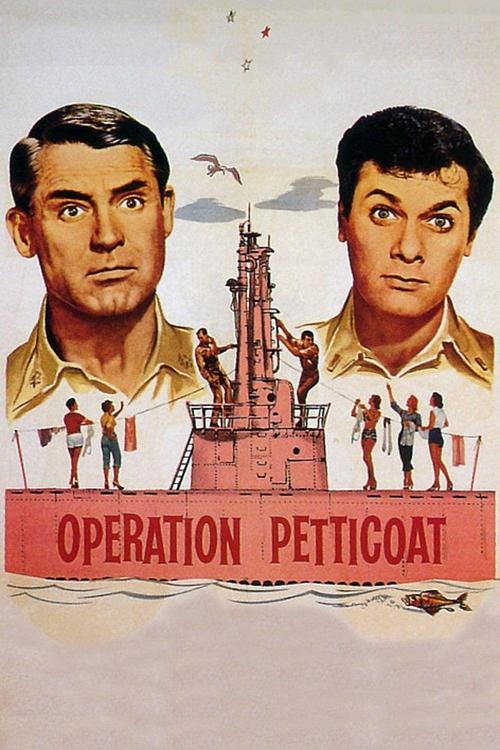
Operation Petticoat1959
Cary Grant commands a submarine crewed by misfits in this witty wartime romp. Like Wackiest Ship, it pairs military absurdity with genuine stakes, and the charm comes from watching chaos-makers actually accomplish something.
But The humor lands differently now—some of the sexist banter feels stuck in its era, and the pace meanders in places where you want momentum.
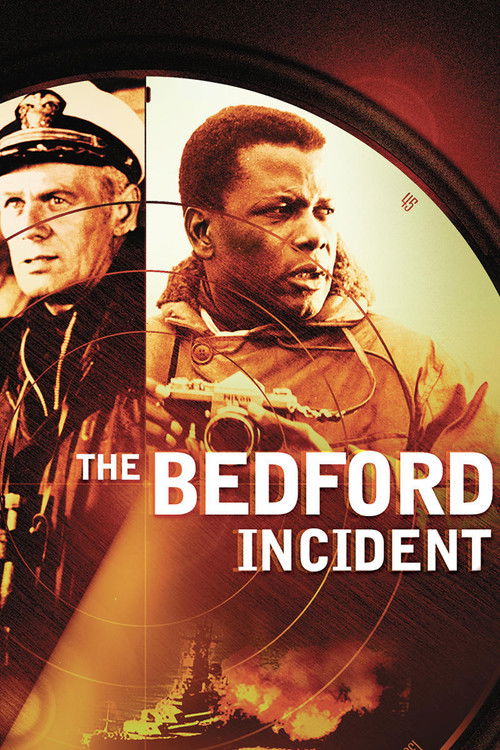
The Bedford Incident1965
A submarine film with an ensemble crew, paranoia crackling through every scene. Where Wackiest Ship is optimistic chaos, this is taut and claustrophobic—but both hinge on whether a ragtag crew can pull together.
But It's deadly serious and genuinely tense. There's almost no humor, and it builds to something bleak. Not what you want if you're chasing lightness.
Mister Rogers' Neighborhood1968
The TV series adaptation lets the ensemble breathe across multiple episodes. More time with the crew means more comic bits, more character texture. Same world as the film, but richer.
But Being a 1950s TV show, it moves slowly by modern standards. Also harder to find, and the production values are thin compared to the movie.
Not sure tonight? Get a pick in a minute, starting from The Wackiest Ship in the Army
The wildcard
Something you would not have found on your own.
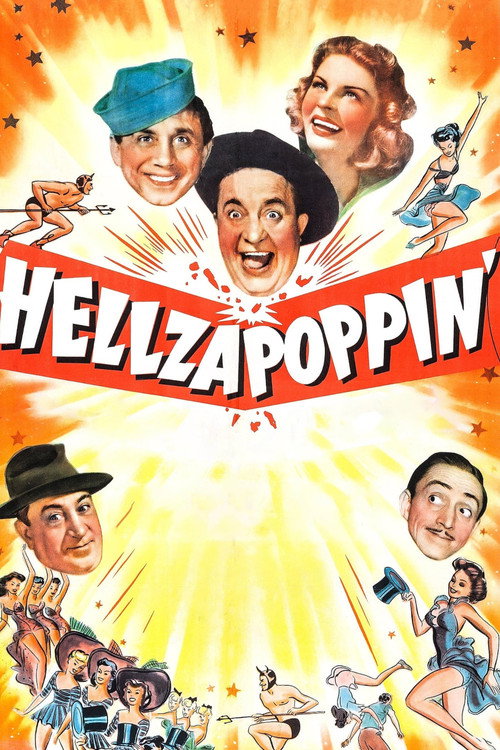
Hellzapoppin'1941
Both are comedy-first films that build their humor from controlled chaos and ensemble timing rather than one star's charisma. Both believe that watching capable people fail is hilarious.
A vaudeville film that abandons narrative entirely for pure chaos—sketches, sight gags, magic tricks, and mayhem at breakneck speed. Like Wackiest Ship, it's ensemble comedy that thrives on movement and the joy of things going delightfully wrong. The kinetic energy is infectious.
But There's no real plot to anchor you. If coherence matters, this will feel like watching someone else's fever dream. Also heavily dependent on gags that work or don't; no character save to catch you if a bit fails.
More like this (7)
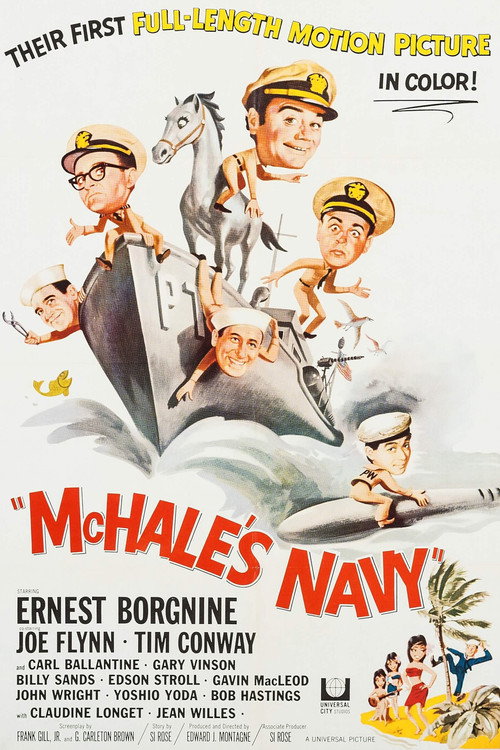
McHale's Navy1964
A PT boat captain and his resourceful crew navigate both combat and bureaucracy with tongue firmly in cheek. It's Wackiest Ship's spiritual cousin—the same irreverent attitude toward military hierarchy, same charm in the underdog scheme.
But It leans heavily into slapstick at the expense of character. The joke gets thinner if you're not already buying the premise immediately.
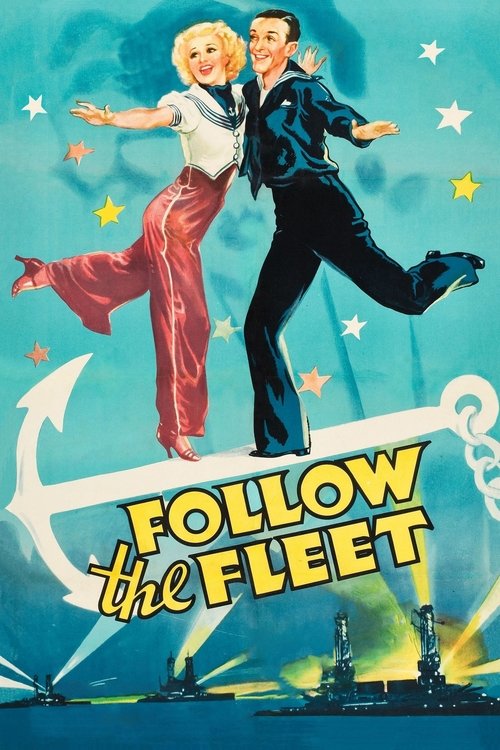
Follow the Fleet1936
Fred Astaire and Ginger Rogers anchor this naval comedy with dancing and romance woven through. It's earlier, breezier, and proves the military-ensemble-comedy formula has deep roots—same DNA, different era.
But It's a musical, and if song-and-dance numbers feel like interruptions rather than delights, the film will frustrate you. Also very much of 1936.
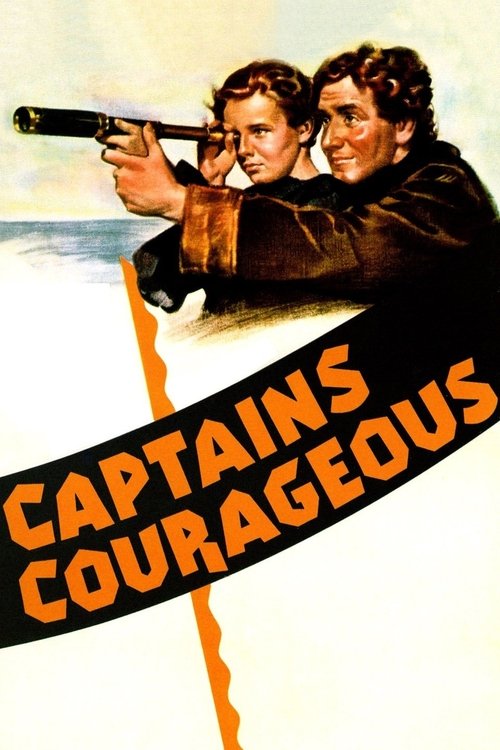
Captains Courageous1937
Spencer Tracy captains a fishing vessel with a misfit crew. It's got the ensemble dynamic and the underestimated-captain arc, though played straighter and with real warmth alongside the comedy.
But It's character-driven rather than plot-driven, and gentler in tone. If you want constant laughs and action, you'll find stretches that feel sentimental.
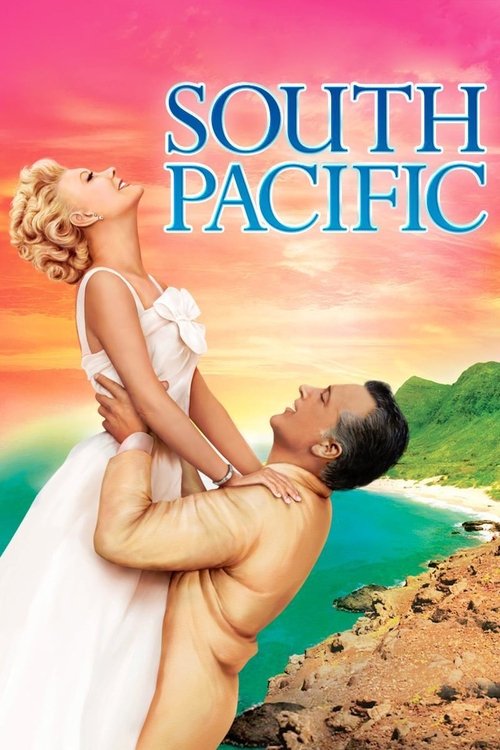
South Pacific1958
A war backdrop for romance and comedy, with an ensemble cast navigating military life and desire. That same postwar optimism and mixture of humor with genuine stakes underpin both films.
But It's a musical epic—very long, very committed to every romantic beat. The scale and pacing are completely different from Wackiest Ship's scrappy energy.
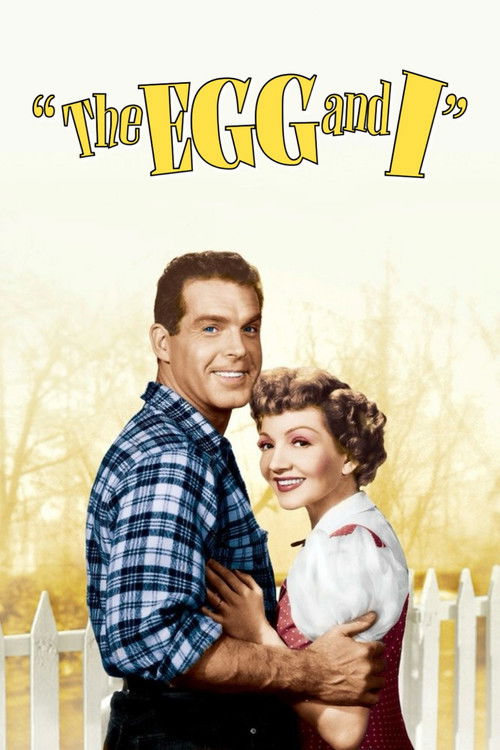
The Egg and I1947
Claudette Colbert and Fred MacMurray in a wartime romantic comedy about failure and persistence. It shares Wackiest Ship's theme: ordinary people muddling through with humor and surprising grace.
But The tone is cozier, more domestic. If you came for military comedy specifically, the farm-comedy setting will feel like a detour.
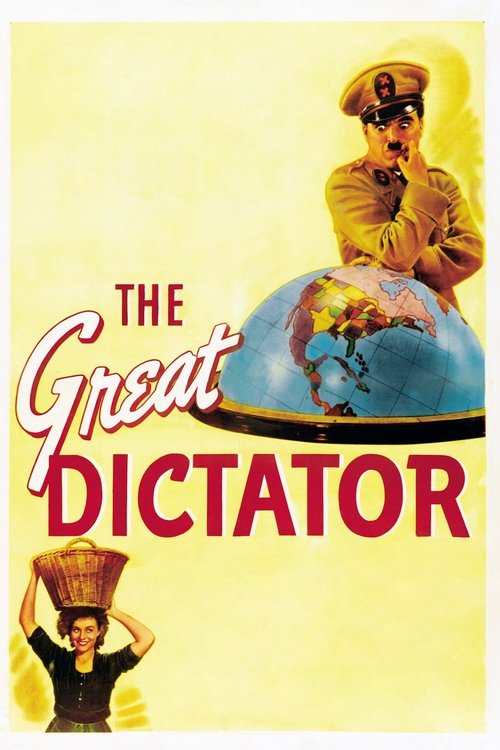
The Great Dictator1940
Both films use the setup of incompetent underdogs thriving in military systems to make the same point: ordinary people are more capable and decent than the hierarchies that command them.
Chaplin plays a Jewish barber mistaken for an autocratic dictator, leading to mistaken-identity comedy set against the machinery of fascism. Like Wackiest Ship, it uses comedy to humanize people trapped in military absurdity—but here the stakes are world-ending, and the laughter is harder-won.
But The tonal shifts are extreme—hilarious one moment, then crushing. The ending abandons comedy for a direct moral plea. If you want escapism, this film refuses to let you fully escape.
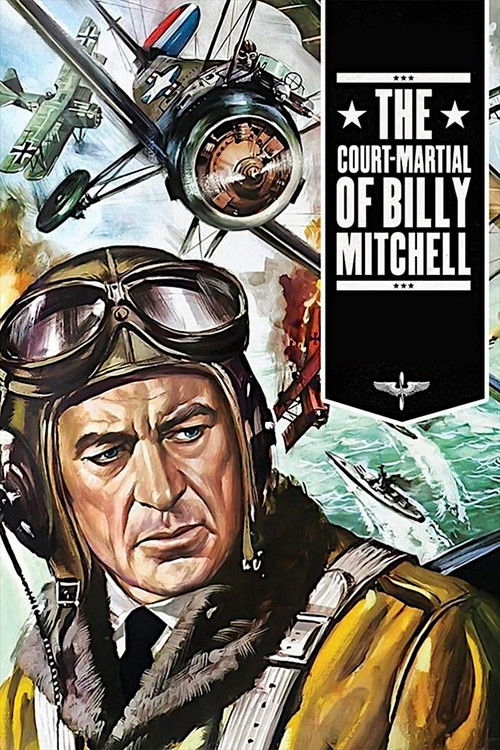
The Court-Martial of Billy Mitchell1955
Both films celebrate men who see military hierarchy as a tool to be worked around rather than worshipped. Both find comedy—and dignity—in the gap between what the system claims and what actually works.
Gary Cooper plays the real officer who challenged military dogma and got court-martialed for it. Underneath the formal trial-film structure, it's about someone trying to fix a broken system from inside—the same irreverent, questioning energy that drives Lemmon's Crandall.
But It's a drama about bureaucracy and conviction, not a laugh-a-minute comedy. The humor is sardonic and sparse; patience required. Also demands you care about the real history to fully invest.
People
Cast
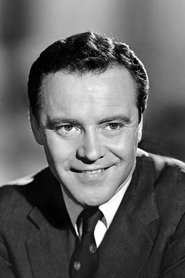 Jack LemmonRip Crandall
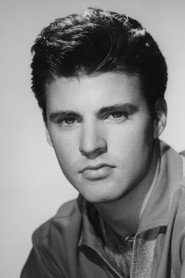 Ricky NelsonTommy Hanson
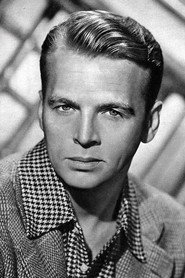 John LundWilbur Vandewater
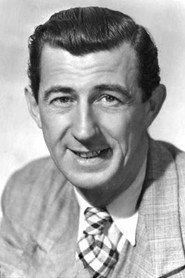 Chips RaffertyPatterson
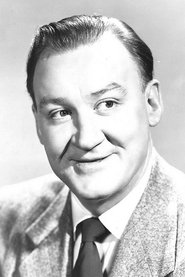 Tom TullyCaptain McClung
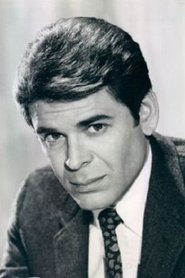 Joby BakerJosh Davidson
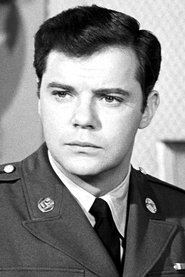 Warren BerlingerA.J. Sparks
 Patricia DriscollMaggie
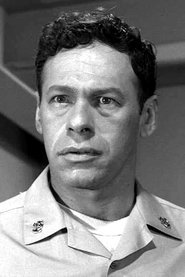 Mike KellinJack MacCarthy
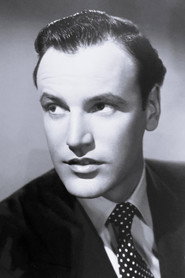 Richard AndersonDennis Foster
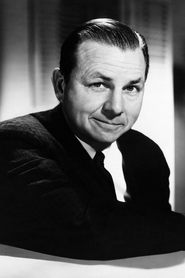 Alvy MooreJohnson
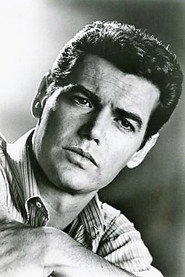
Directing
- Sam NelsonAssistant Director
- Richard MurphyDirector
Writing
- Richard MurphyScreenplay
- Herbert H. MargolisScreenstory
- William RaynorScreenstory
- Herbert CarlsonStory
Production
- Fred KohlmarProducer