
Film
The Court-Martial of Billy Mitchell
Gary Cooper commands the screen in this 1955 courtroom drama about General Billy Mitchell's crusade to transform military aviation. It's a righteous underdog story with real stakes, built on conflict between visionary thinking and institutional rigidity. The trial format gives the film a tense, argumentative spine that elevates it beyond simple hero-worship. For anyone drawn to intelligent men bucking the system.
If you liked this
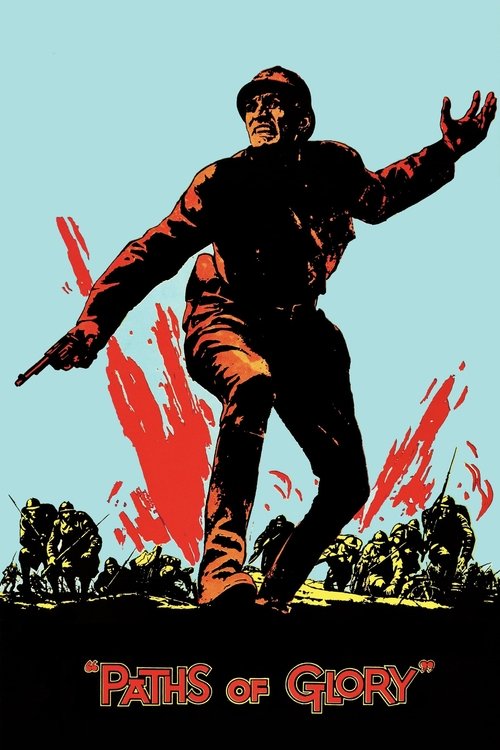
Paths of Glory1957
Kubrick's blistering indictment of military command, where soldiers become expendable to protect reputations. Kirk Douglas fights a rigged system with the same moral clarity Cooper brings to Mitchell, but darker and more devastating.
But Relentlessly grim. There are no victories here, only the slow realization of institutional evil. Not cathartic.
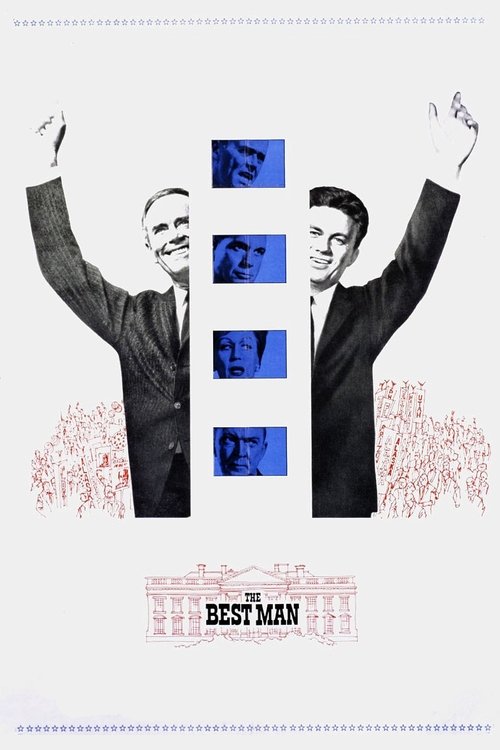
The Best Man1964
Exceptional political drama where intelligent men clash over principle versus pragmatism. Like Mitchell, it's dialogue-driven and built on conflict between what's right and what's expedient, with real consequences for speaking truth.
But Dated in its setting and gender politics. The pacing can feel stagey if you're not locked into the arguments.
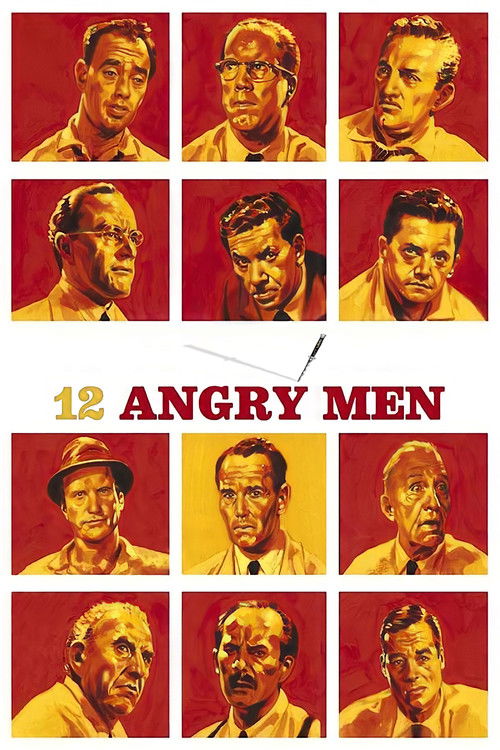
12 Angry Men1957
Sidney Lumet's masterpiece of one man pushing back against groupthink in a room of resistance. Mitchell's trial fights the same battle—individual conscience against institutional pressure—but with the whole military establishment as the jury.
But Entirely talky. If you need plot momentum or spectacle, this is just people in a room disagreeing.
Not sure tonight? Get a pick in a minute, starting from The Court-Martial of Billy Mitchell
The wildcard
Something you would not have found on your own.
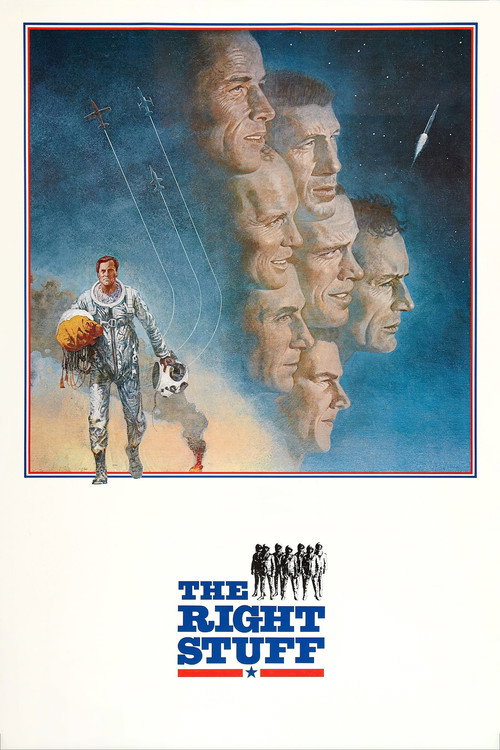
The Right Stuff1983
Mitchell argued the future belonged to air power; The Right Stuff shows that future being realized by the men who inherited his fight.
Kaufman's epic traces aviation from test pilots to astronauts—the visionary thinking Mitchell fought for finally validated. It's the other side of his argument, showing what happened when the military finally listened to its dreamers.
But Three-and-a-half hours and episodic. The narrative sprawls; some find it thrilling, others scattered.
More like this (8)
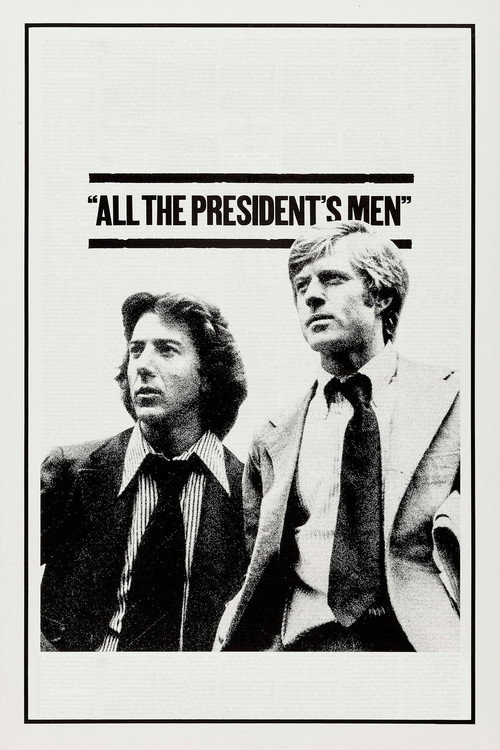
All the President's Men1976
Redford and Hoffman pursue truth against institutional denial with the same grinding determination Mitchell shows. It's about systems protecting themselves from whistleblowers, told with precision and growing urgency.
But Long, methodical, and deliberately unglamorous. The satisfaction is intellectual rather than emotional.
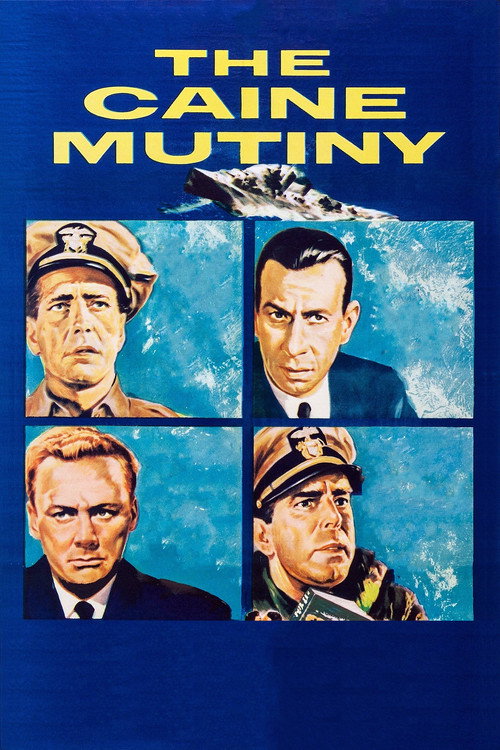
The Caine Mutiny1954
Courtroom drama about naval command where the trial itself becomes the moral reckoning. Bogart's paranoia and Holden's idealism mirror the clash Mitchell embodies between old thinking and new necessity.
But Ultimately sides with the institution more than Mitchell does. If you want pure vindication, this won't deliver it.
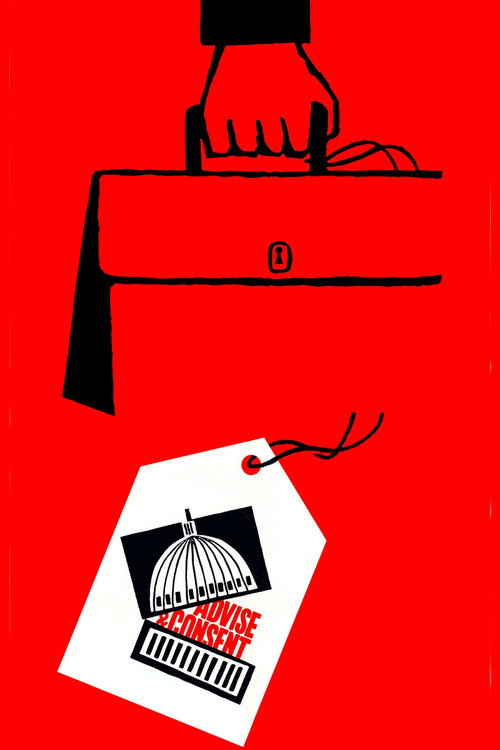
Advise & Consent1962
Otto Preminger's Byzantine politics feature men trying to do right within corrupt machinery. The sense of institutions designed to protect themselves against reform feels very Mitchell—same futility, same stakes.
But Sprawling ensemble cast and convoluted plotting. You need to pay close attention or lose the thread.
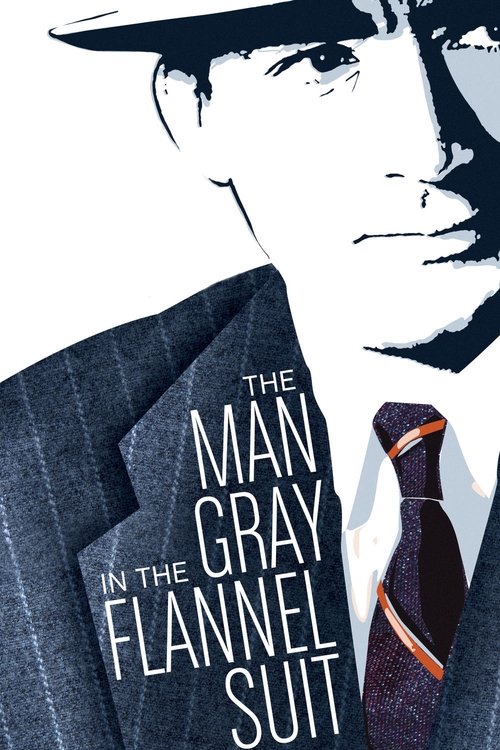
The Man in the Gray Flannel Suit1956
Post-war drama about a man choosing conscience over conformity in a corporate structure. Not a trial, but the same interior conflict—can you fight the system and survive?
But More melancholy than rousing. The resolution is compromise, not triumph.
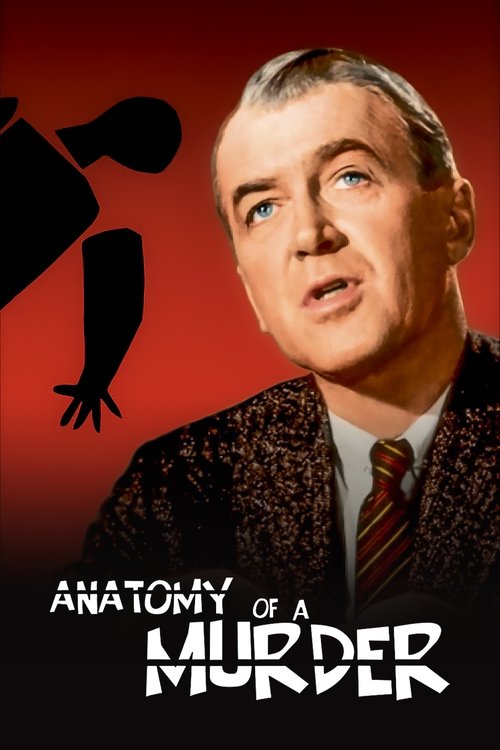
Anatomy of a Murder1959
Preminger again, this time with a trial that unfolds like a mystery. The procedural detail and the grinding work of proving your case echo Mitchell's struggle, with real doubt about whether justice will prevail.
But Nearly three hours of courtroom procedure. If you hate legal minutiae, this will exhaust you.
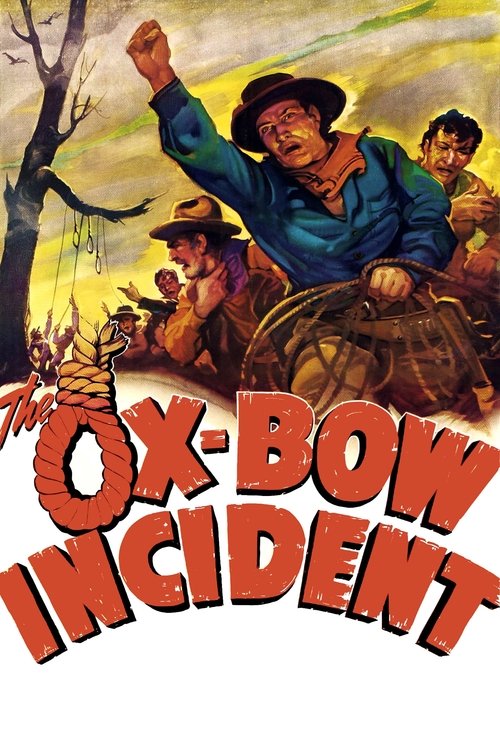
The Ox-Bow Incident1943
Henry Fonda in a western about mob justice and one man's failed attempt to stop a lynching. Same theme as Mitchell: righteousness versus collective momentum, except this one ends in tragedy to prove the point.
But Bleak and morally despairing. The good man loses conclusively. Some find that honest; others find it depressing.
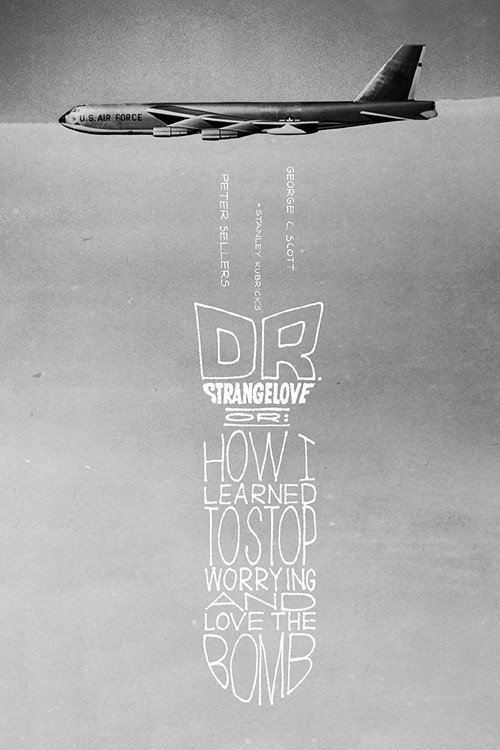
Dr. Strangelove or: How I Learned to Stop Worrying and Love the Bomb1964
Mitchell warned the military was living in the past, unable to imagine the future. Strangelove is that past-thinking unleashed with nuclear weapons.
Kubrick's savage comedy about military thinking gone mad. It takes Mitchell's warnings about the dangers of military rigidity and imagines them realized as apocalypse. Dark as they come, but essential.
But Pitch-black satire in 1964 about nuclear annihilation. If you want earnestness or hope, this is the opposite.
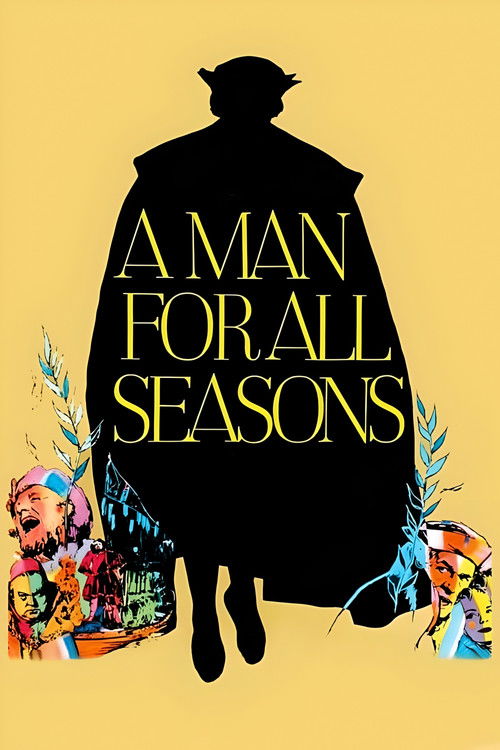
A Man for All Seasons1966
Both films argue that institutional loyalty cannot be the highest value—that some things matter more than obedience or survival.
Fred Zinnemann's measured adaptation of Robert Bolt's play about Thomas More refusing to bend principle. It's a different historical period and higher moral stakes, but the same architecture: principled man, institutional pressure, a trial that resolves nothing.
But Cerebral and slow, adapted from theatre. The language is formal; the drama is internal and conversational.
People
Cast
 Gary CooperCol. Billy Mitchell
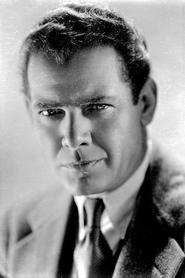 Charles BickfordGen. Jimmy Guthrie
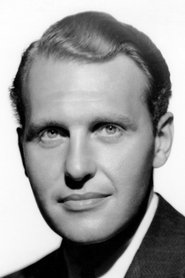 Ralph BellamyCongressman Frank R. Reid
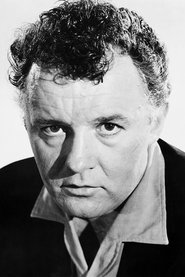 Rod SteigerMaj. Allan Guillion
 Elizabeth MontgomeryMargaret Lansdowne
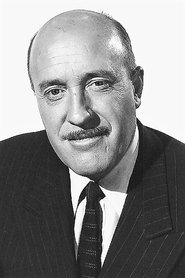 Fred ClarkCol. Moreland
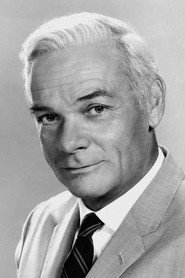 James DalyLt. Col. Herbert White
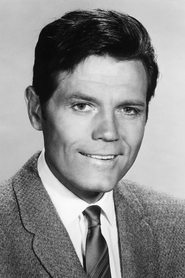 Jack LordLt. Cmdr. Zachary 'Zack' Lansdowne
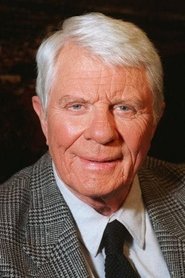 Peter GravesCapt. Bob Elliott
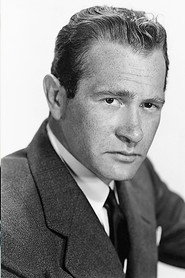 Darren McGavinCapt. Russ Peters
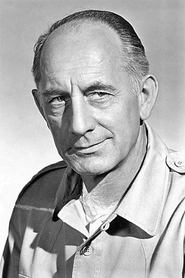 Robert F. SimonAdmiral Gage
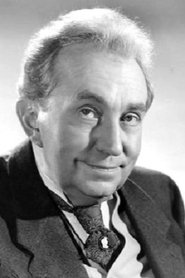 Charles DingleSenator Fullerton
Directing
- Jack McEdwardAssistant Director
- Otto PremingerDirector
- Russell SaundersSecond Unit Director
Writing
- Emmet LaveryScreenplay
- Milton SperlingScreenplay
- Emmet LaveryStory
- Milton SperlingStory
Production
- Milton SperlingProducer