Television series
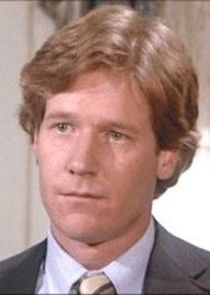
Mister Rogers' Neighborhood
Fred Rogers, in a cardigan and sneakers, talks straight into the camera as if you were the only child in the world, then slips through a trolley into a small kingdom of puppets to work through the same worries in miniature. It's slow, sincere, and deliberately unhip — built for the very young, but startlingly moving for anyone who remembers being small and scared.
If you liked this
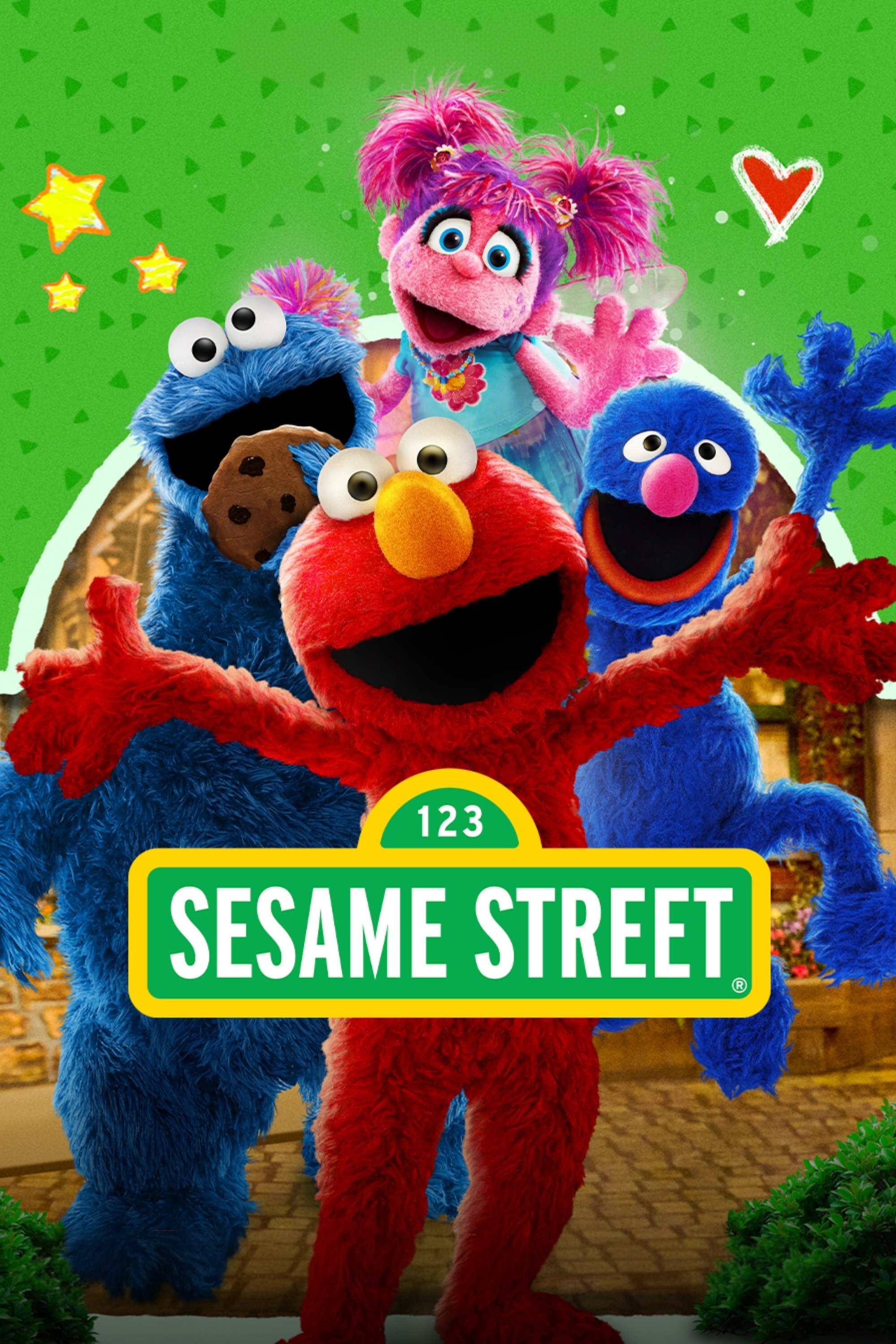
Sesame Street1970
Same era, same gentle instinct to take children's questions seriously, but scaled up into a whole city block of monsters, songs, and celebrity drop-ins. If Fred Rogers is the quiet uncle, this is the loud, funny cousin who still cares just as much.
But Faster, funnier, louder — the calm you came for in Rogers gets diluted by sketch comedy and pop culture cameos.
Daniel Tiger's Neighborhood2012
A direct spin-off from the Neighborhood of Make-Believe, built for a slightly younger audience, using simple songs to hand kids the exact same emotional tools Fred Rogers spent decades teaching, said in miniature.
But It's aimed squarely at preschoolers, so the pacing and vocabulary are simpler than the original — less to chew on if you're older.

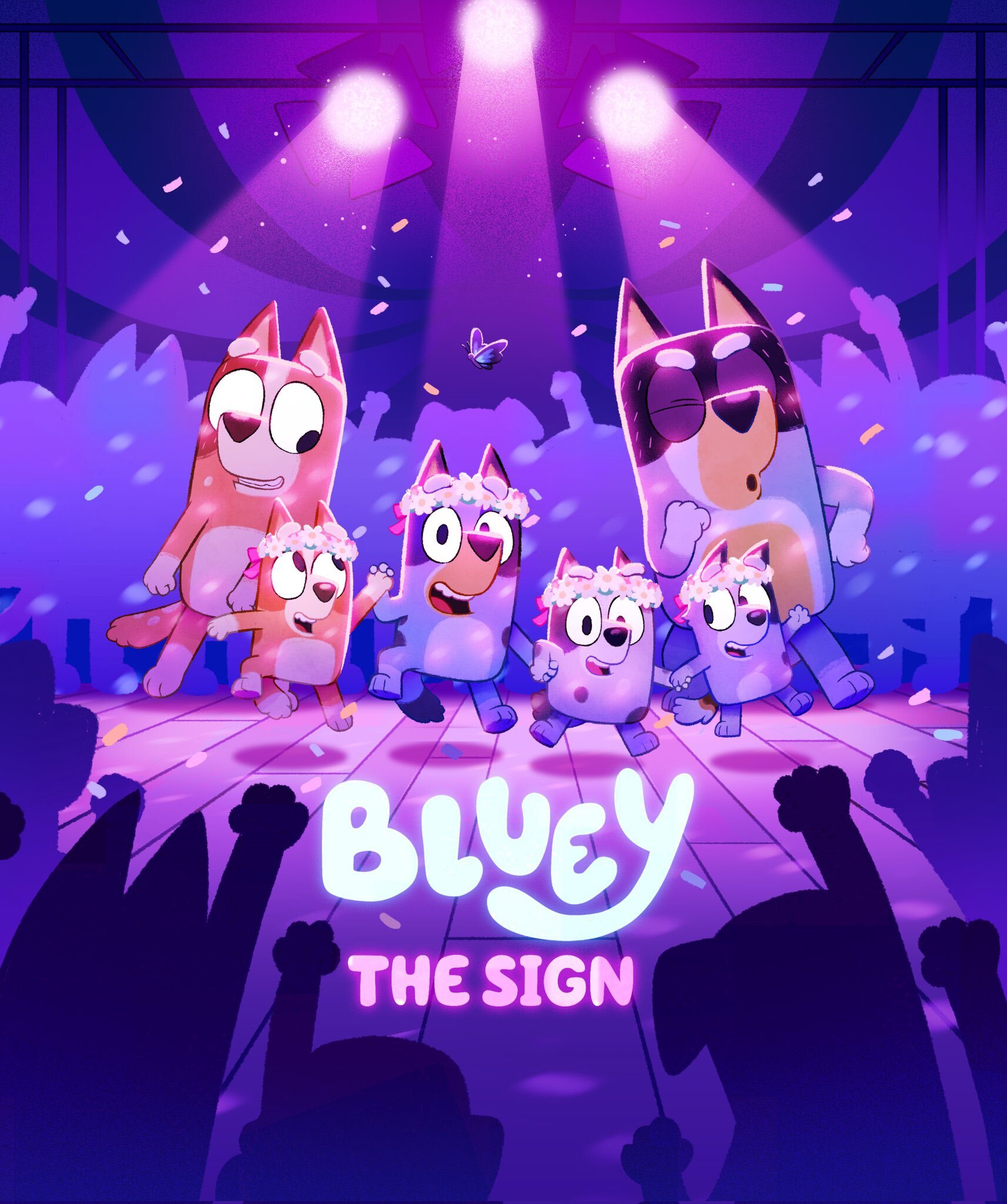
Bluey2018
An Australian cartoon about a family of dogs that somehow captures exactly what Rogers understood — that play is how children process real feelings — but wraps it in seven-minute bursts of genuine comedy and warmth for the whole family.
But It moves fast and jokes for the adults in the room, trading Rogers's stillness for something busier and funnier.
The wildcard
Something you would not have found on your own.
Ted Lasso2020
Both are built on the radical idea that gentleness is strength, not weakness — a lone adult modeling emotional literacy for people who've never been taught it, just transplanted from a preschool set to a locker room.
An American football coach in England who leads with kindness, curiosity, and relentless emotional honesty — basically Fred Rogers reincarnated as a sports sitcom protagonist, teaching grown men the same lessons about being kind to themselves.
But It's a workplace comedy with swearing, sex jokes, and a football plot — a very different register from a cardigan and a puppet trolley.

More like this (5)
Blue's Clues1996no page yet
Steve talks straight into the camera and waits — actually waits — for an answer, the same trick Rogers used to make television feel like a conversation instead of a broadcast at you.
But The candy-bright sets and repetition-heavy structure are a world away from Rogers's cardigans and quiet living room.
Arthur1996no page yet
An animated aardvark navigates bullying, divorce, and dyslexia with the same insistence that children's problems deserve to be taken seriously, just with more one-liners and a genuinely killer theme song.
But The tone is broader and funnier than Rogers ever went for, and it's aimed at kids a few years older.
Between the Lions2000no page yet
Puppets and humans share space to sneak literacy lessons past kids the same way Rogers snuck in lessons about anger and fear, just with more puns about vowels than feelings.
But It's narrower in scope — reading skills over emotional life — so it won't quite replace what made Rogers's show special.
My Dinner with Andre1981
Rogers's whole method proved that slow, real attention paid to another person is itself dramatic; this film, stripped of everything but two voices at a table, makes the same bet and wins.
Two men eating dinner while one describes years of strange, transformative experiences — the entire film is just conversation, held at a pace that trusts you to actually listen the way Rogers always did.
But There's no plot, no puppets, and no children — just ninety-nine minutes of unbroken talk that some viewers find mesmerizing and others find unbearable.

Romper Roomno page yet
Watching it shows exactly what Rogers inherited and what he added: the direct-address format already existed, but the patience with fear, anger, and real feeling was his invention.
The direct ancestor of Rogers's whole format — a warm adult host speaking straight into the lens, calling children by name through a 'magic mirror,' teaching manners a decade before Rogers taught feelings.
But It's genuinely of its time — chirpy, moralistic, and thin next to what Rogers eventually built on the same bones.