Television series
Romper Room
- Light-hearted
- Dip in and out
Romper Room was a gentle, unstructured children's show that ran for four decades, built on the radical idea that kids learn through play, movement, and watching themselves in a mirror. The Romper Room hostess—usually a warm, maternal figure—led small groups through games, songs, and basic moral lessons with minimal production values and maximum goodwill. It's foundational television that feels impossibly simple by modern standards, a window into how we used to teach children to be kind.
Should you watch it?
Watch it if you have a soft spot for vintage television and want to see how daytime kids' programming was built, one cheerful gathering at a time, with its old-fashioned manners intact.
Skip it if you need a story, characters who change, or any plot, since this runs on repeated rituals and its moral lessons can feel very dated.
What it asks of you: It asks for patience with a loose, repetitive rhythm of games, songs and gentle instruction, with a hostess's steady warmth doing most of the work.
Not sure? Find tonight's pick in a minute.
If you liked this
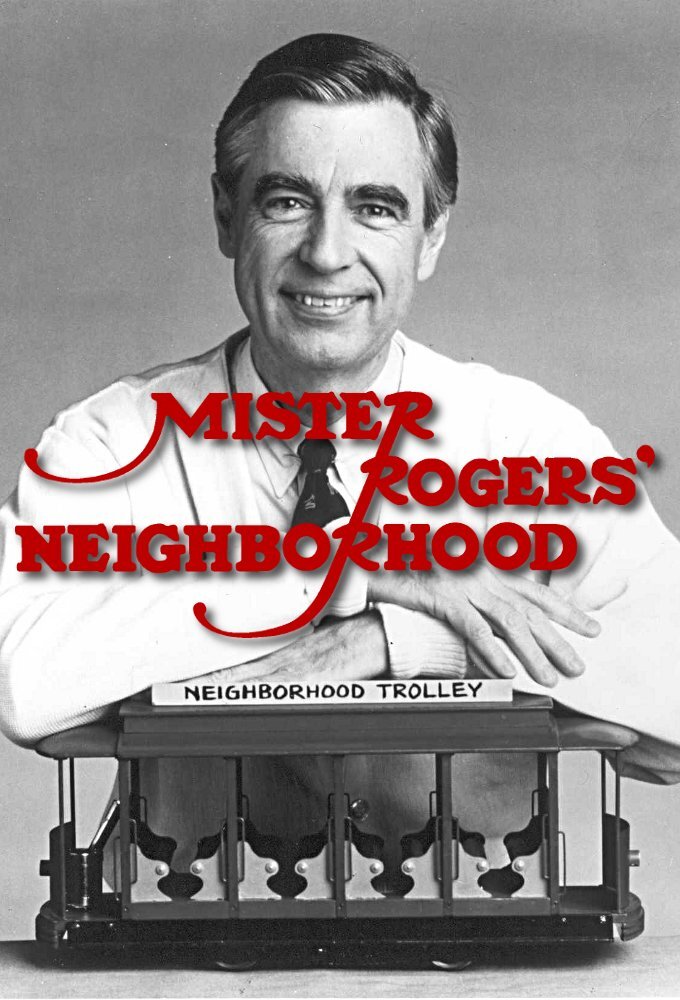
Mister Rogers' Neighborhood1968
A spiritual successor that took the same gentle philosophy—that children deserve respect and honesty—and built something genuinely transcendent. Rogers shares Romper Room's belief that TV can be a tool for growth without flash or manipulation.
But Slower paced than modern children's TV, and the cardigan-and-sneakers routine can read as saccharine if you're cynical about it.
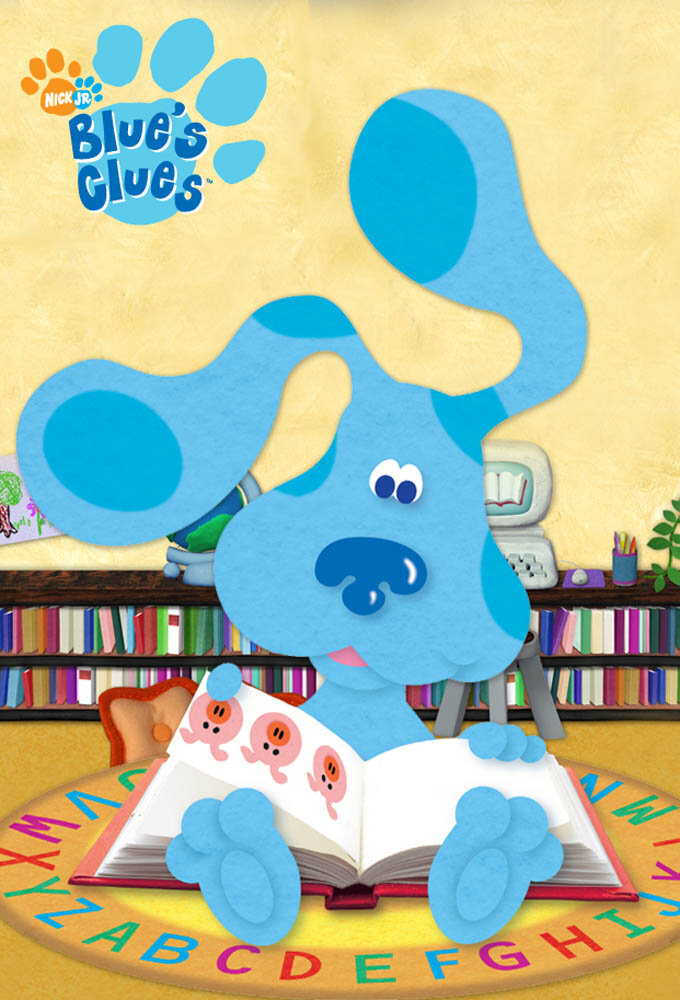
Blue's Clues1996
Direct heir to Romper Room's playful interactivity, but with better production and a host (Steve Burns) who talks directly to the camera and genuinely listens to audience response. Same core belief: kids are smarter than you think.
But Still aimed at preschoolers; if you're watching as an adult without a child, the repetition and simplified lessons can feel thin.
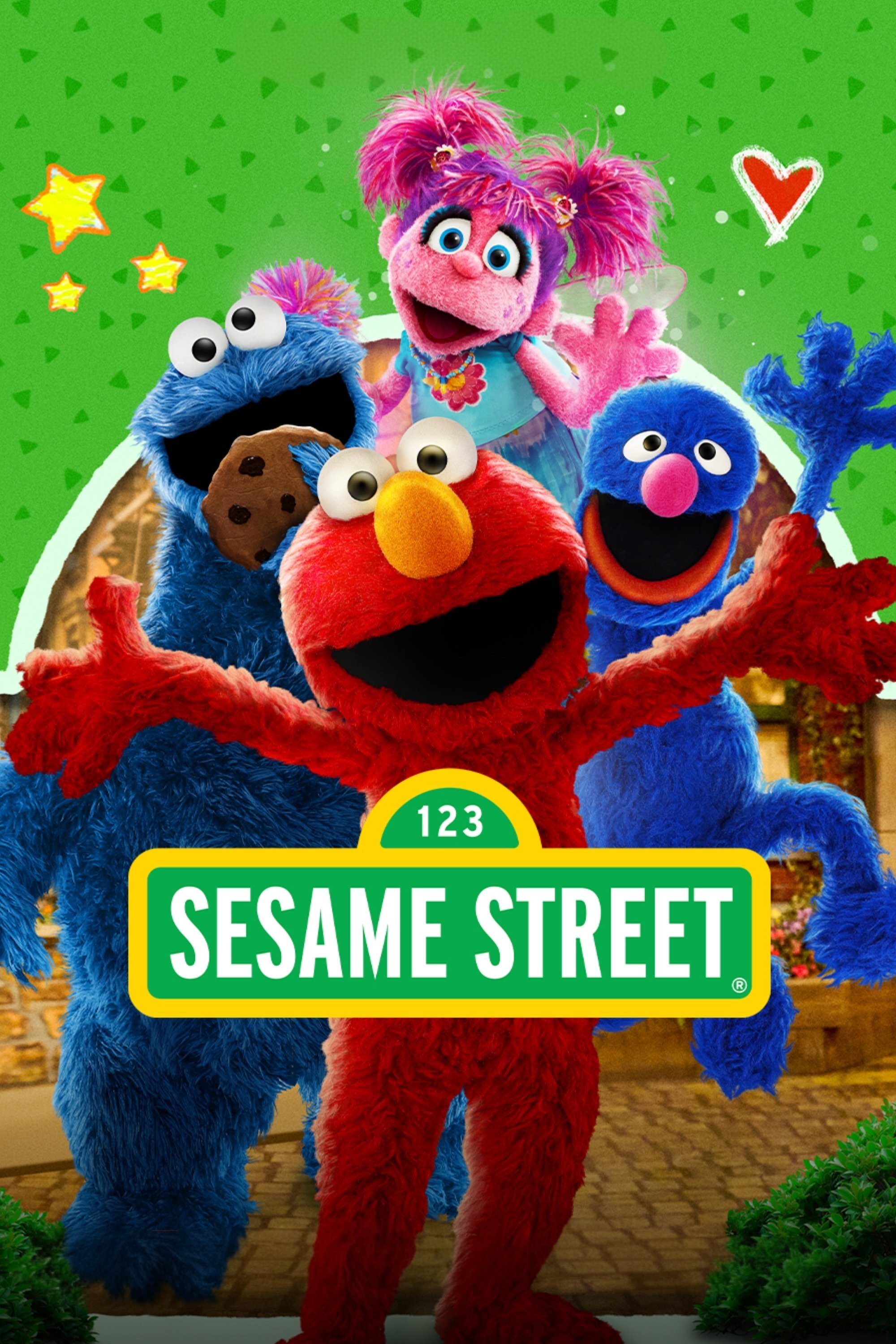
Sesame Street1970
Educational television that evolved from Romper Room's template but weaponized it with research, celebrities, and genuine artistry. Proves you can teach letters and kindness without condescension.
But Nearly 60 years of episodes means inconsistent quality, and early seasons have pacing that makes modern kids' TV look hyperactive.
Not sure tonight? Get a pick in a minute, starting from Romper Room
The wildcard
Something you would not have found on your own.
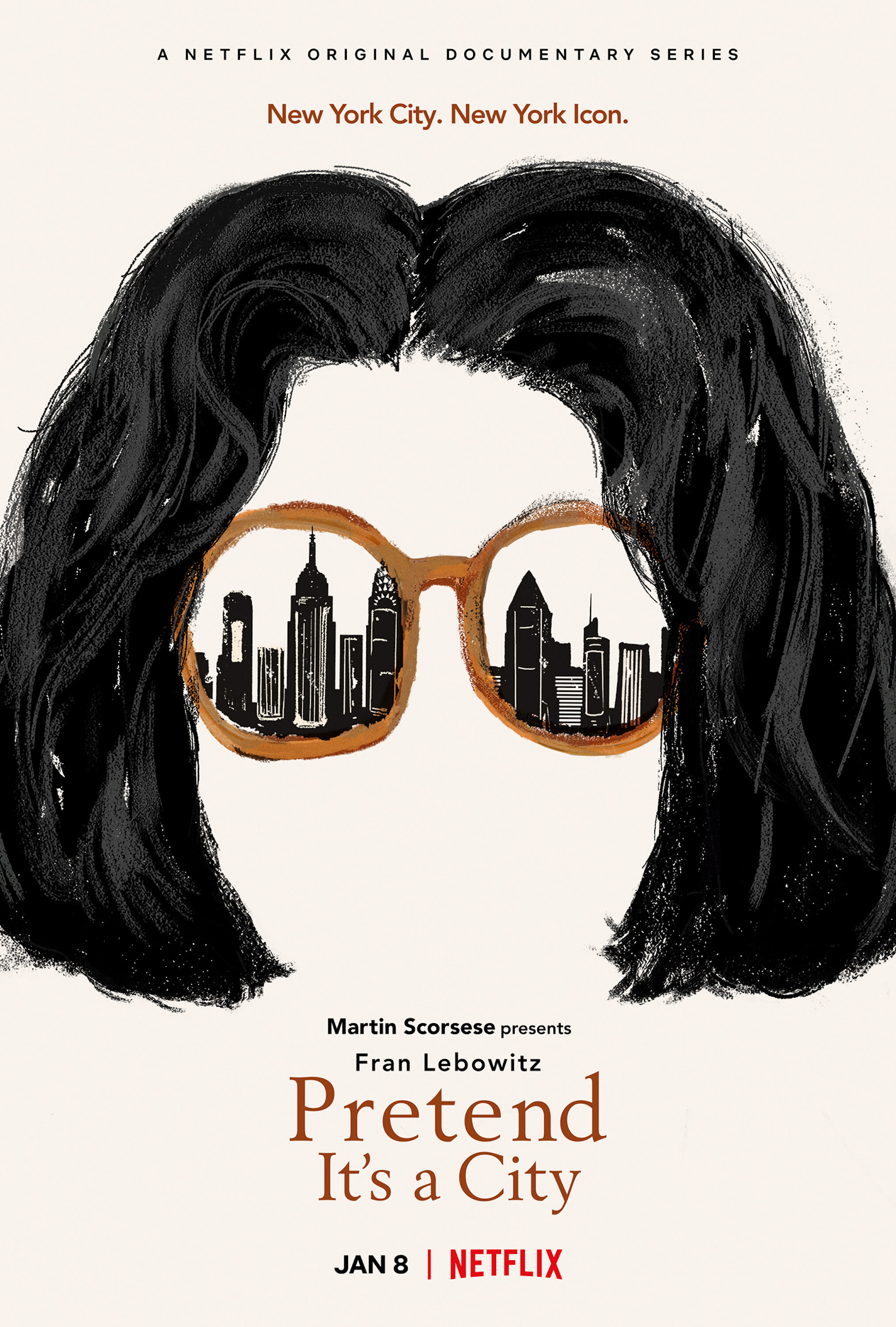
Pretend It's a City2021
Both trust that watching an intelligent person pay attention to the world is enough. No manipulation, no arc, just authentic presence and genuine curiosity.
Fran Lebowitz walking through New York with Martin Scorsese observing: two adults being curious together. Structurally it mirrors Romper Room—no plot, just presence and conversation—but the sensibility is sophisticated and witty.
But Deliberately slow, essayistic, and aimed at adults; if you want narrative momentum or clear lessons, you're in the wrong place.
More like this (2)
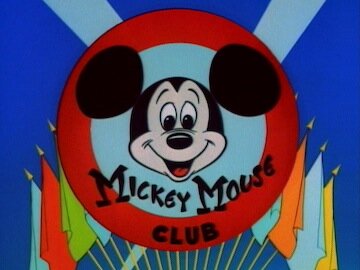
The Mickey Mouse Club1955
Same era, same syndication model, but with more structure and ambition. Shows how the Romper Room formula could scale up while keeping that sense of community and personal connection.
But More performative than Romper Room; you're watching children be trained to be entertainers, which has its own awkward undertone.
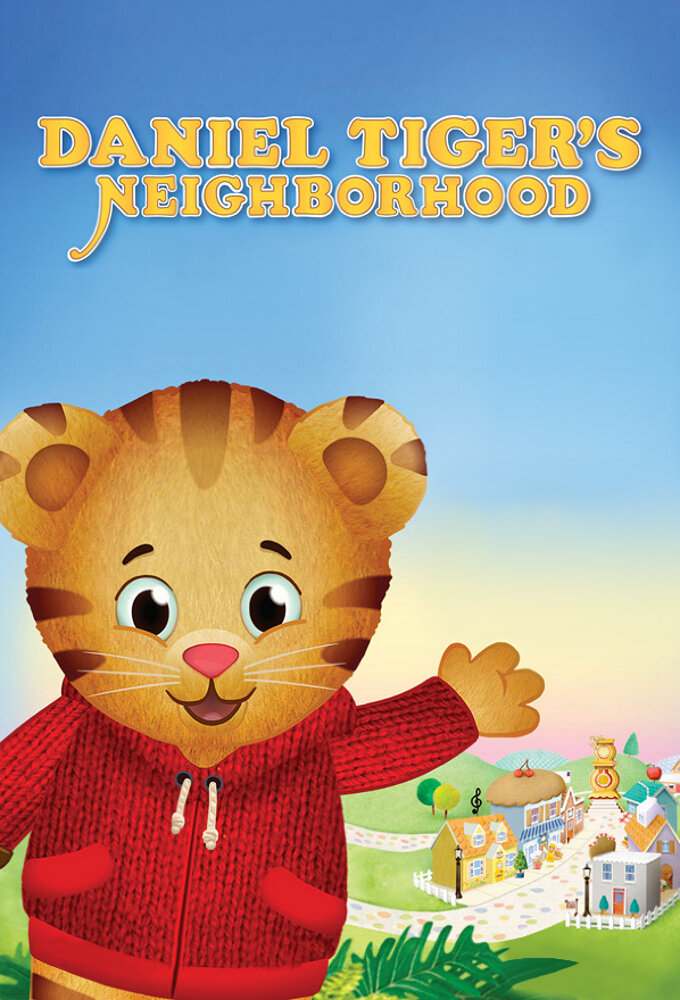
Daniel Tiger's Neighborhood2012
Spiritual descendant that understands Romper Room's central insight: children learn through repetition, emotional safety, and seeing themselves reflected. Uses animation to soften the mirror.
But Overly structured and formulaic compared to the improvised feel of Romper Room; every lesson is spelled out explicitly.