
Television series
Blue's Clues
- Mystery
- Light-hearted
- Dip in and out
Blue's Clues is a deceptively brilliant children's show where the host and a blue dog solve mysteries together. It's gently paced, genuinely funny for adults, and treats its young audience with real respect. The format—finding three clues, thinking them through—teaches problem-solving without preaching. Steve Burns brings infectious charm and physical comedy to every episode. It became the template for educational television done right.
Should you watch it?
Watch it if you enjoy small, playful detective puzzles done with a deliberately unhurried rhythm, and you don't mind being talked to directly by a host who keeps pausing for your answer.
Skip it if you want a story that moves, with stakes and surprises, since this is built for very young viewers and repeats its structure on purpose, so the format rarely changes.
What it asks of you: Half-hour episodes that take their time, with long pauses you are expected to fill by shouting answers at the screen and waiting for the host to catch up.
Not sure? Find tonight's pick in a minute.
If you liked this
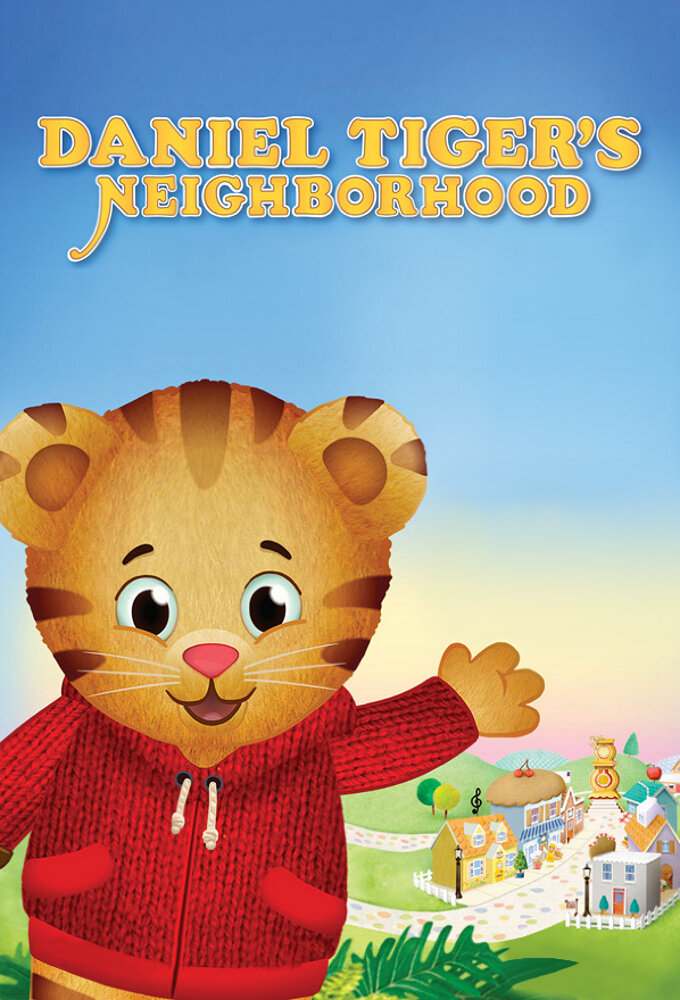
Daniel Tiger's Neighborhood2012
Fred Rogers' legacy continued with a show that teaches emotional intelligence and social skills through songs, repetition, and warm humour. Daniel's problems feel real to toddlers, and the solutions actually work.
But It moves slowly by design, and if you're watching without a small child, the repetition can feel intentional in a way that tests patience.
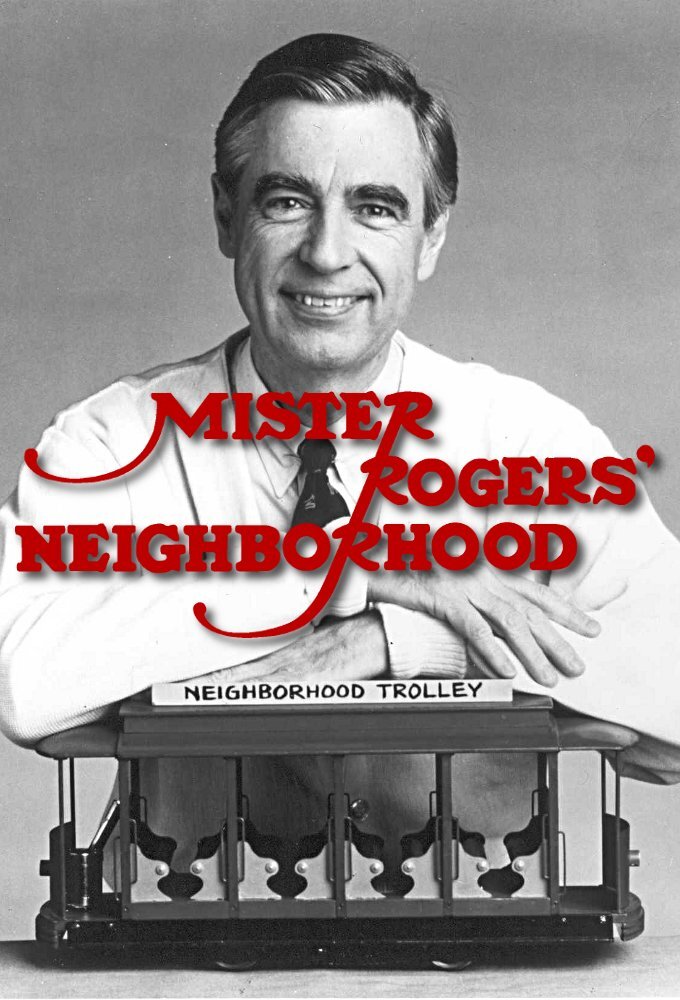
Mister Rogers' Neighborhood1968
The spiritual ancestor of everything Blue's Clues does well: respect for children's intelligence, genuine kindness as entertainment, and the radical idea that slowness allows understanding. Fred Rogers changed television.
But The production values are genuinely dated, and the pacing assumes you have nowhere else to be. It requires real surrender.
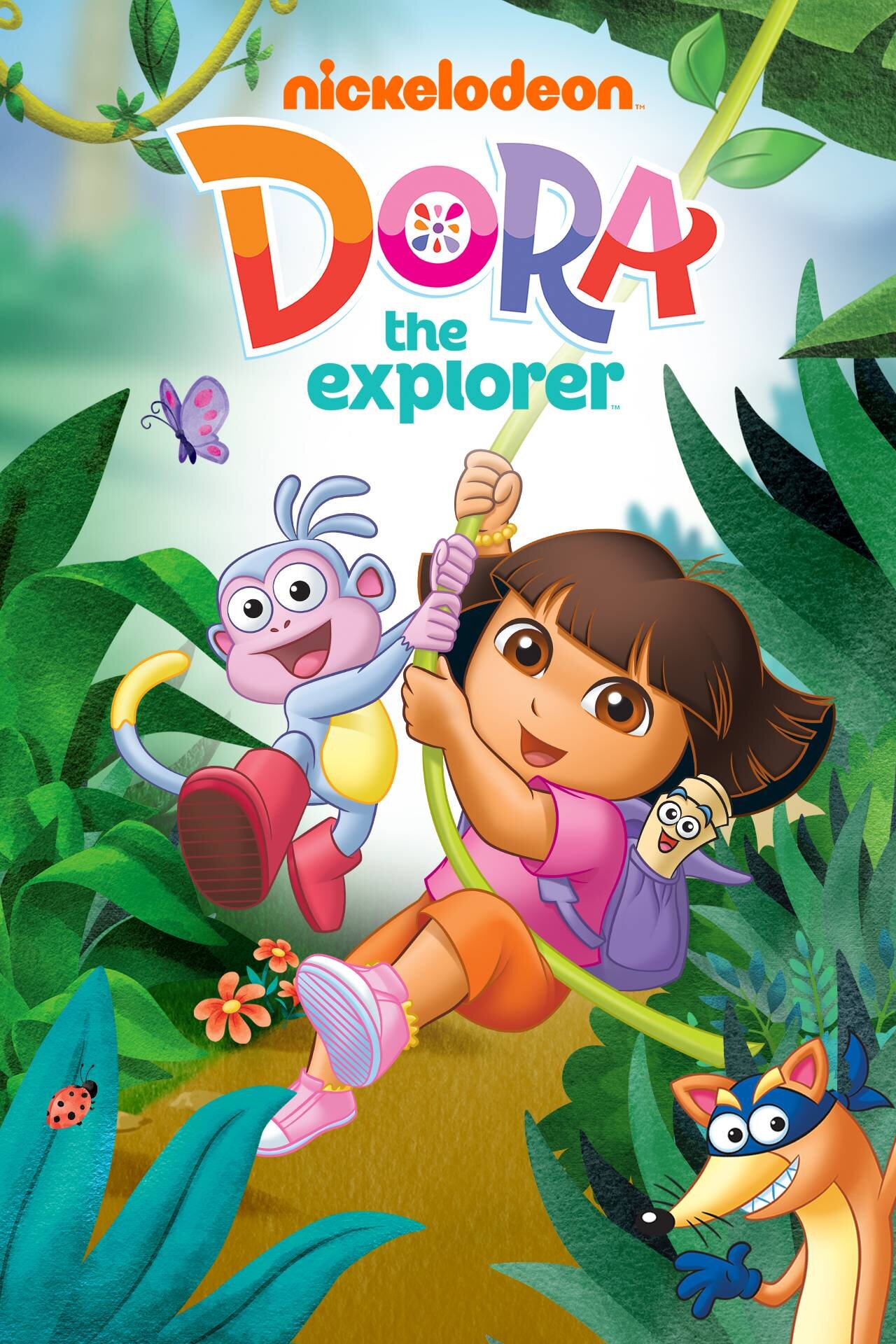
Dora the Explorer2000
Direct spiritual successor that cranks up the adventure and interactivity. Dora speaks directly to viewers, breaks the fourth wall constantly, and goes places Blue could never reach. Energy and geography lessons combined.
But The constant audience participation can feel demanding rather than inviting, especially for adults. The Spanish-teaching element works better if you speak it.
Not sure tonight? Get a pick in a minute, starting from Blue's Clues
The wildcard
Something you would not have found on your own.
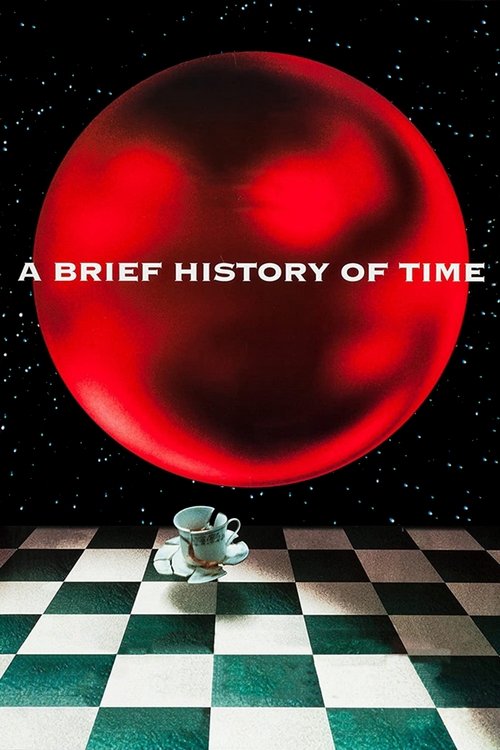
A Brief History of Time1991
Both trust their audience to think. Blue's Clues doesn't dumb down for children; this doesn't dumb down physics for anyone. The pacing is patient because understanding takes time.
Stephen Hawking's documentary about the universe, with Hawking explaining cosmology through a synthesizer. It's genuinely profound but wildly accessible. The weird formal choices—theatrical lighting, slow pacing, Hawking's monotone delivery—make it hypnotic.
But It's 80 minutes of pure explanation with no plot to hang onto. If you want narrative, this will feel like being lectured at, which it technically is.
More like this (5)
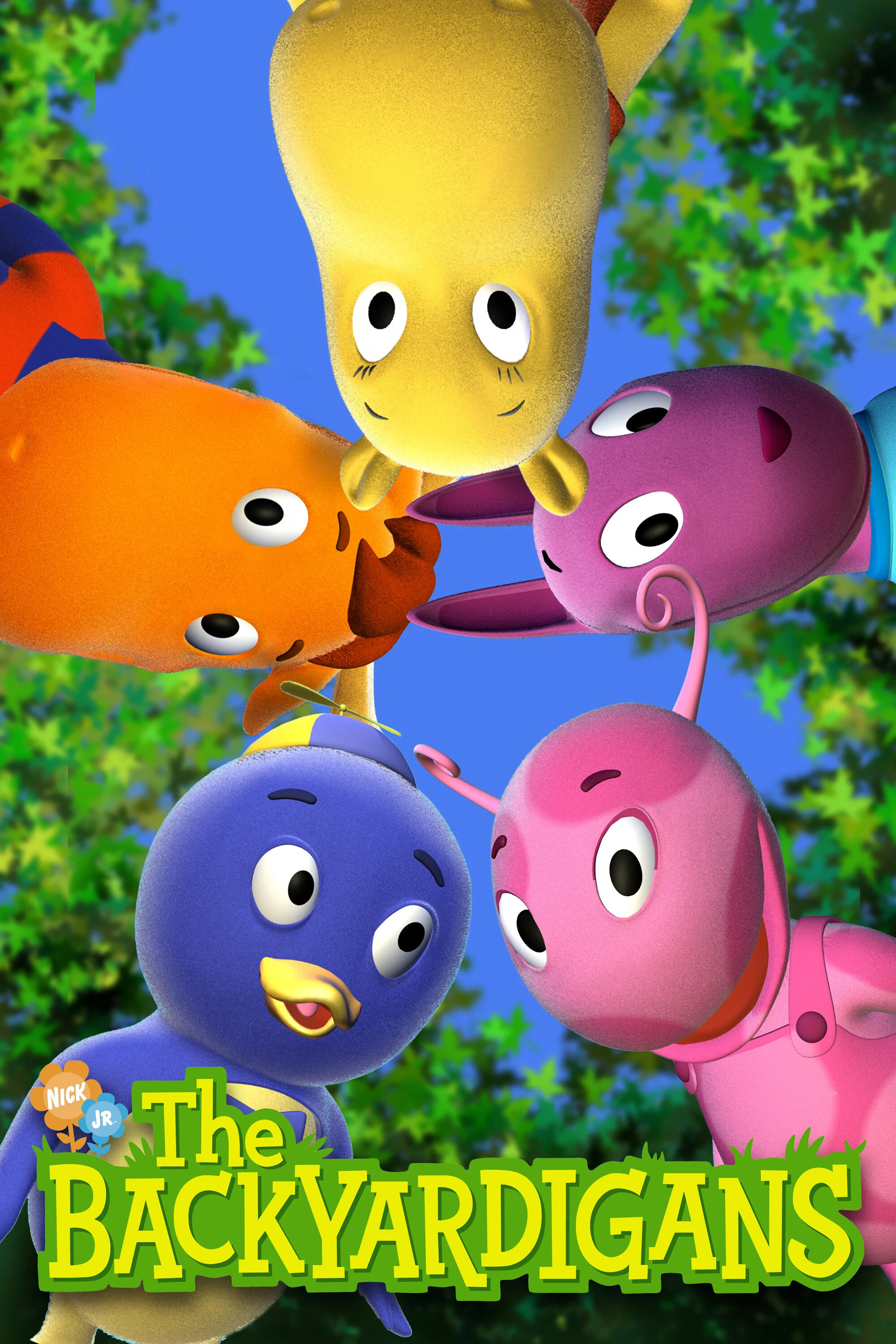
The Backyardigans2004
Five talking animals solve problems through musical adventures that border on genuinely creative filmmaking. Each episode is a different genre—noir, Bollywood, pirate story—which keeps things surprising.
But The songs can lodge in your brain for weeks, sometimes unwillingly. Not everyone finds that charming.
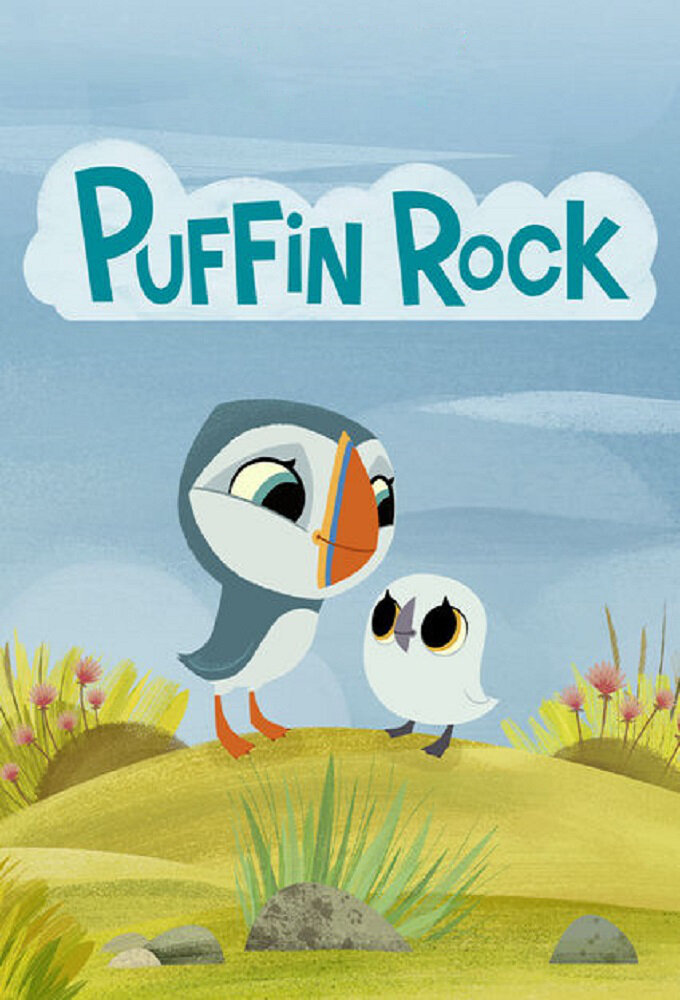
Puffin Rock2015
Irish narrator Chris O'Dowd's warmth carries this nature-focused show that's contemplative without being slow. Gorgeous animation and genuine curiosity about the world. Calming in a way that actually works.
But The problems are subtle and internal, with no mystery structure to hook you. It's gentle almost to the point of narrative thinness.
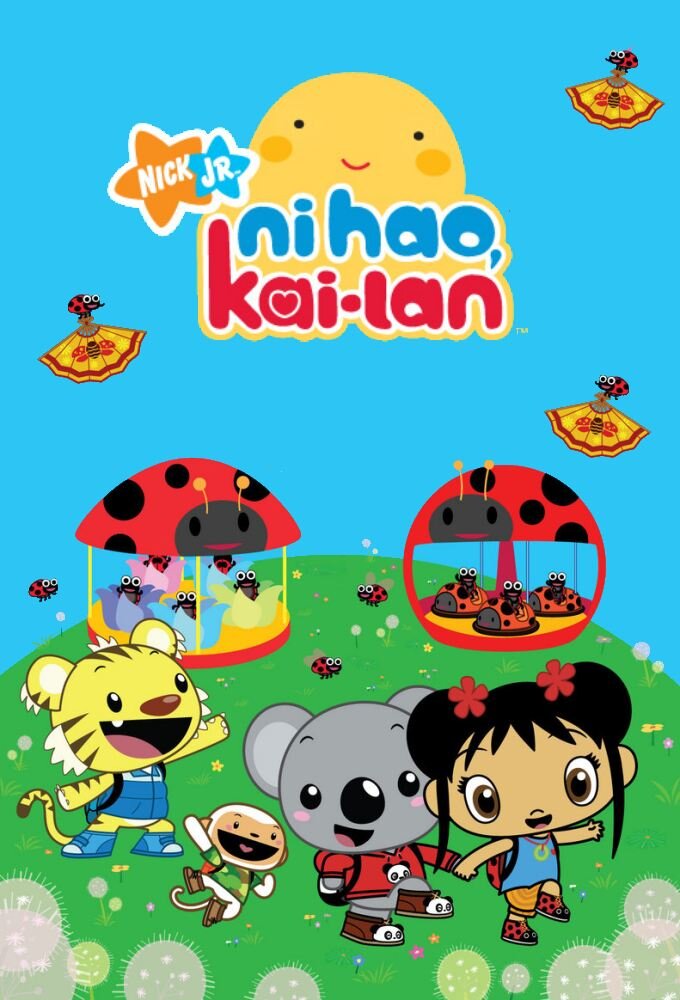
Ni Hao, Kai-lan2008
Chinese-American girl solves daily problems using Chinese philosophy and kung fu. The cultural specificity is genuine, not tokenistic. Physical comedy, animation that moves beautifully, and real emotional stakes.
But It feels dated in places, and the problem-solving sometimes relies on concepts that need explanation even for older viewers.
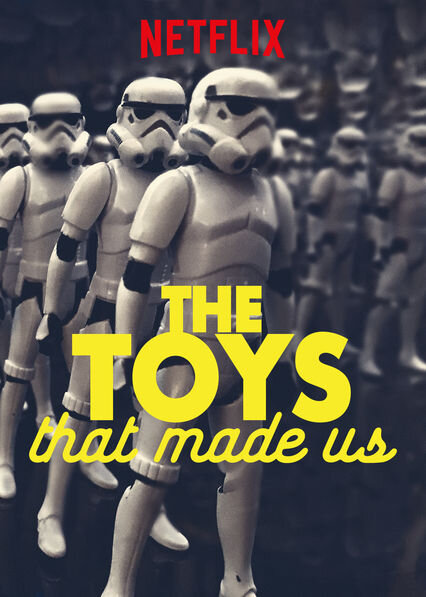
The Toys That Made Us2017
Same belief system applied to a different medium. Both shows are about giving children the tools and then getting out of the way so they can solve the problem themselves.
Documentary about how LEGO learned to let children's imaginations lead, rather than prescribe play. It's about the same philosophy that made Blue's Clues work: respecting how kids actually think and learn.
But It's nostalgic corporate history, not essential viewing. If you don't care about toy design, it's a pleasant overhead but not revelatory.
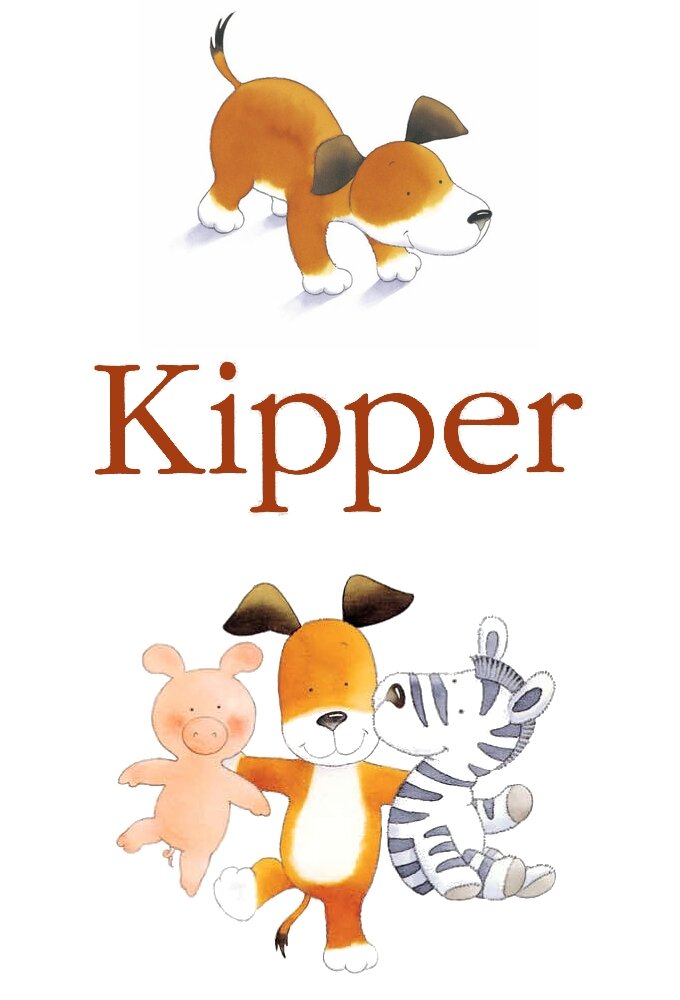
Kipper1997
Both centre on a dog and the simple act of thinking things through. The format is identical—observe, think, solve—but Kipper does it in a minor key, almost meditative, where Blue's Clues bounces.
British stop-motion about a dog and his friends navigating small, genuine problems in a beautiful hand-crafted world. No plot urgency, no lessons hammered home—just Kipper noticing things and figuring them out quietly.
But It's slow and strange, and the problems are so small they barely register as problems. Some find it boring; others find it perfect.
People
Cast





Writing
- Angela SantomeroCreator
- Todd KesslerCreator
- Traci Paige JohnsonCreator
Production
- Angela SantomeroExecutive Producer
- Jennifer TwomeyExecutive Producer
- Todd KesslerExecutive Producer
- Traci Paige JohnsonExecutive Producer
- Wendy HarrisProducer
Recommended by
Sesame Street, Mister Rogers' Neighborhood, Romper Room, Balamory, Bubble Guppies, Dora the Explorer, Handy Manny, Mickey Mouse Clubhouse, Team Umizoomi, Wonder Pets, Yo Gabba Gabba!, Special Agent Oso, Megas XLR