
Television series
Handy Manny
- Fantasy
- Light-hearted
- Dip in and out
A bilingual toolshed sitcom where Manny Garcia solves neighbourhood problems with anthropomorphic helpers and casual Spanish. It's warm, problem-solving focused, and genuinely teaches basic Spanish and practical thinking. For preschoolers and early elementary kids who like gentle problem-solving and are beginning to encounter another language.
Should you watch it?
Watch it if you want a preschool show where problem-solving is the whole point, and you enjoy a gentle, sing-along rhythm that lets small kids follow each fix from start to finish.
Skip it if you're hoping for a story with stakes or a grown-up sense of humor; the episodes are simple, repetitive by design, and built around one small repair at a time.
What it asks of you: Each half-hour episode is short and light, asking for little more than a child's patience and an adult willing to sit alongside the bouncy, cheerful pace.
Not sure? Find tonight's pick in a minute.
If you liked this
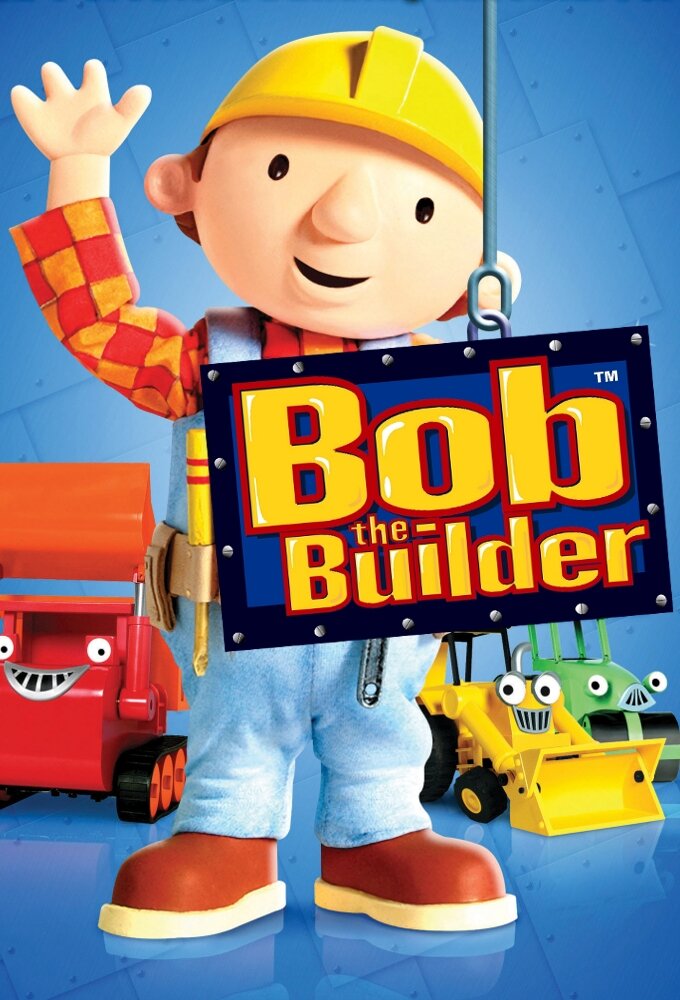
Bob the Builder1999
The obvious predecessor: construction-focused, problem-solving cheerful, and equally committed to showing how things get fixed. Bob and his team are as reliable and cheerful as Manny's gang.
But The animation is dated even by children's standards, and it lacks the bilingual element that makes Handy Manny distinctive.
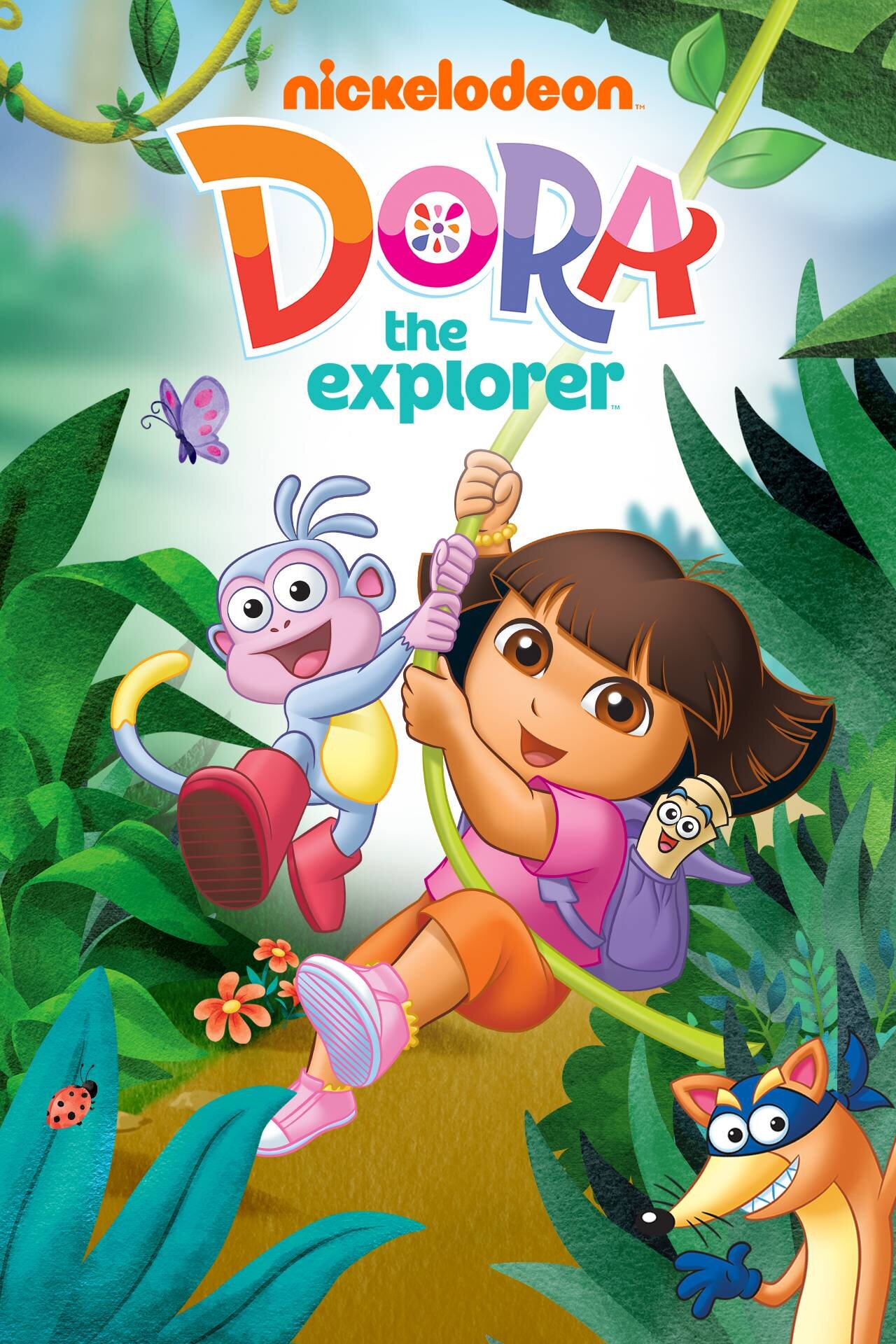
Dora the Explorer2000
Another Nickelodeon bilingual adventure with the same gentle problem-solving structure and Spanish teaching moments. It shares Manny's philosophy that obstacles are puzzles to solve collaboratively.
But Dora's constant fourth-wall breaking and audience participation can feel relentless if you're watching as an adult alongside your child.
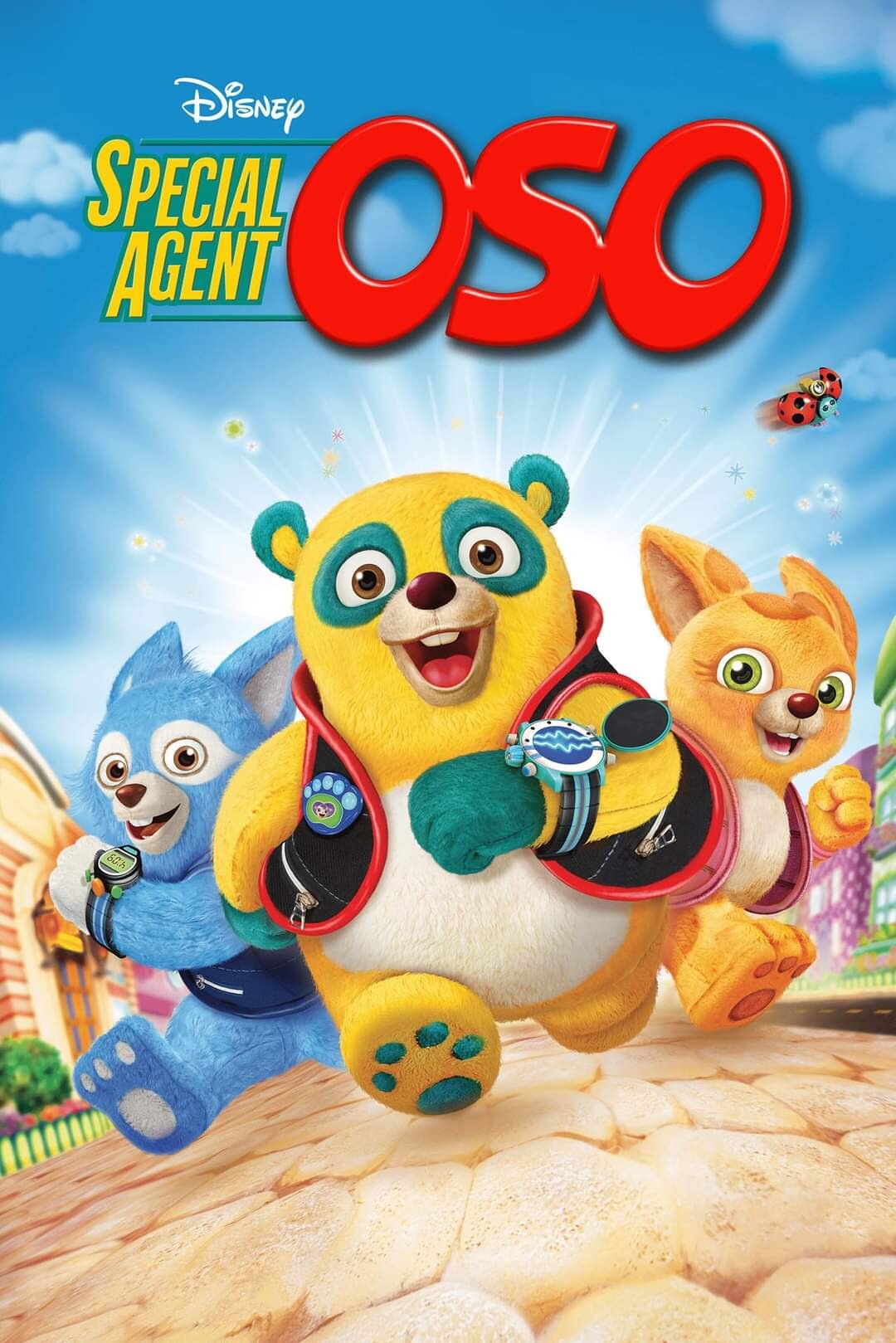
Special Agent Oso2009
Disney Junior sibling with the same warmth and methodical problem-solving. Oso teaches procedure and planning the way Manny teaches practical solutions. Both celebrate incremental success.
But The cases are sometimes thin, and the three-step problem-solving formula becomes predictable after a few episodes.
Not sure tonight? Get a pick in a minute, starting from Handy Manny
The wildcard
Something you would not have found on your own.
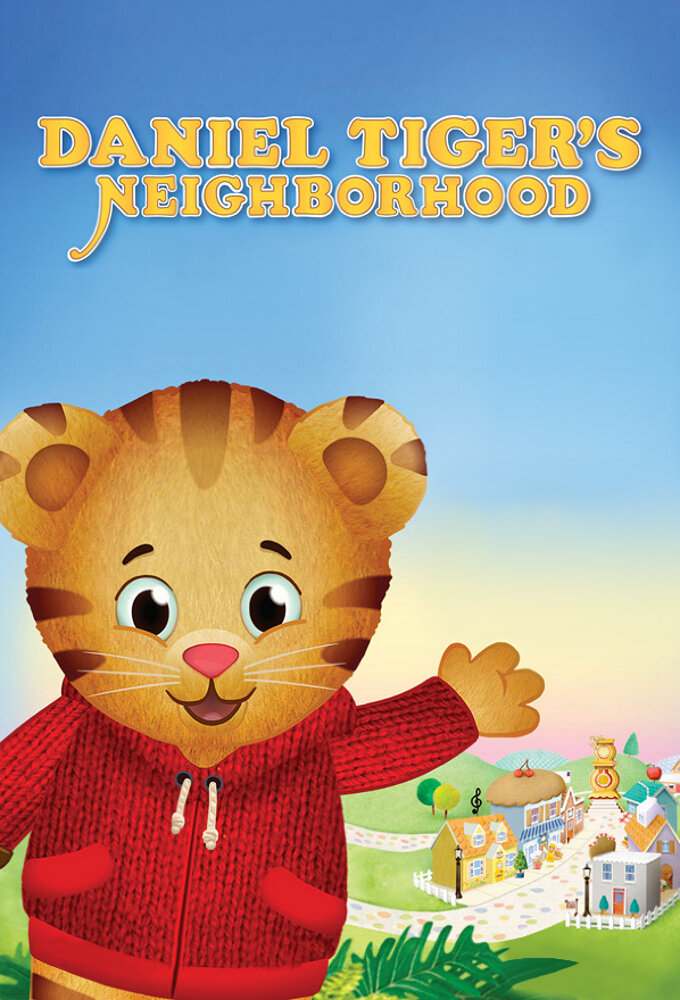
Daniel Tiger's Neighborhood2012
Both shows teach problem-solving methodology through repetition and collaboration, but Daniel Tiger applies it to the inner world instead of the outer one. Same engine, different terrain.
Shares Handy Manny's structure and bilingual integration, but swaps practical problem-solving for emotional problem-solving. Teaching kids strategies for feelings rather than fixing objects. Both are about naming the problem, planning, and executing.
But If you want the satisfaction of tangible solutions—something built, repaired, completed—this is abstract and sometimes cyclical. A feeling doesn't get fixed the way a leaky faucet does.
More like this (6)
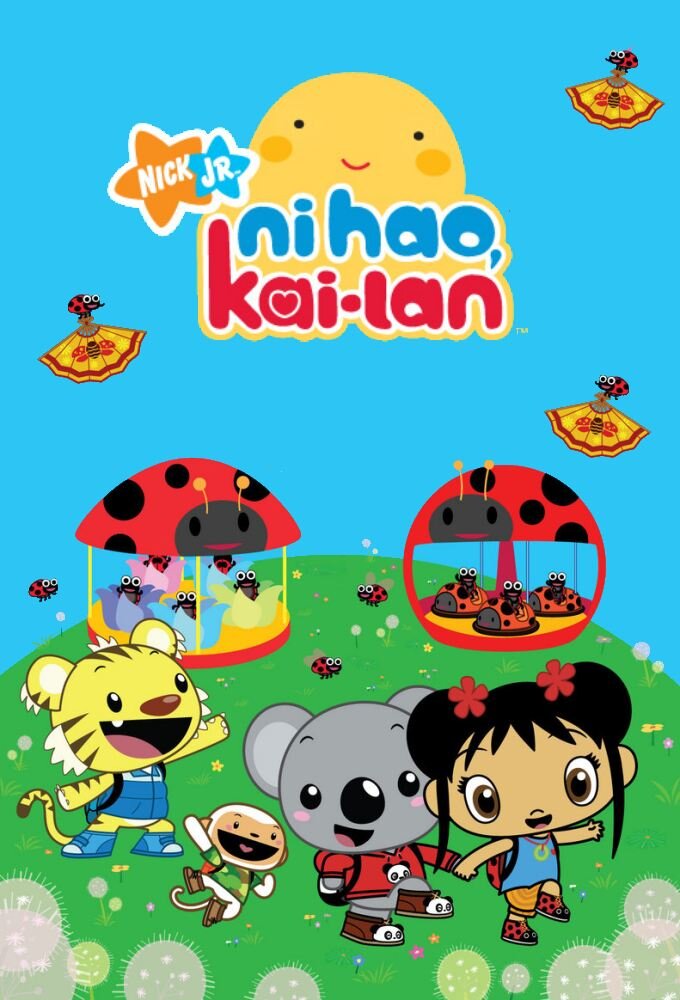
Ni Hao, Kai-lan2008
Another multilingual Disney Junior series with the same gentle emotional intelligence. It balances problem-solving with character development and cultural learning in an equally unforced way.
But The Mandarin integration is lighter than Handy Manny's Spanish, so if language learning is your draw, this will feel less substantial.
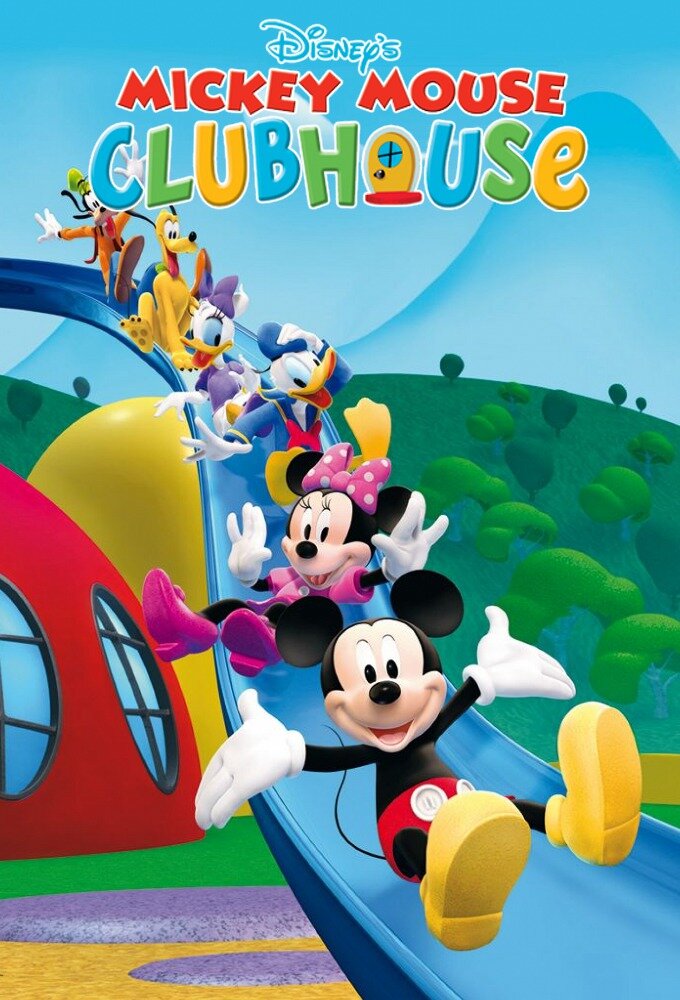
Mickey Mouse Clubhouse2006
Disney's other big preschool hit of that era. Problem-solving with familiar characters, audience participation, and the same three-step structure that made Handy Manny work.
But It's more about magic and adventure than practical skill-building, so the satisfaction of solving real problems feels diluted.
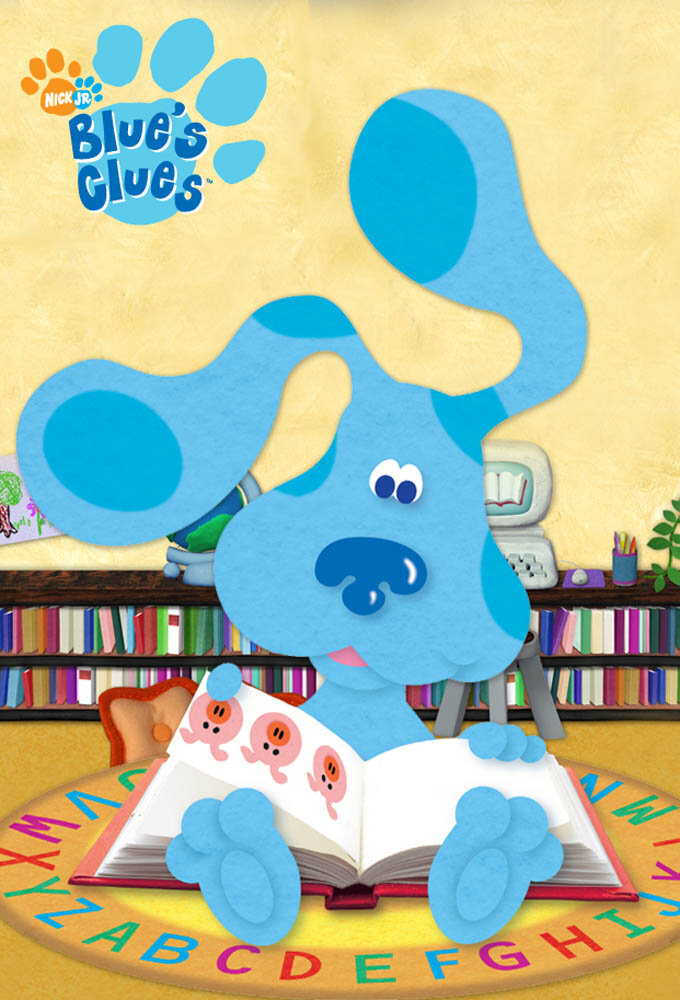
Blue's Clues1996
The DNA of everything that came after it, including Handy Manny. Problem-solving through clue-gathering, direct audience address, and a beloved central character teaching by doing.
But It's from 1996, so the production design and pacing feel glacially slow to kids raised on faster cuts and animation.
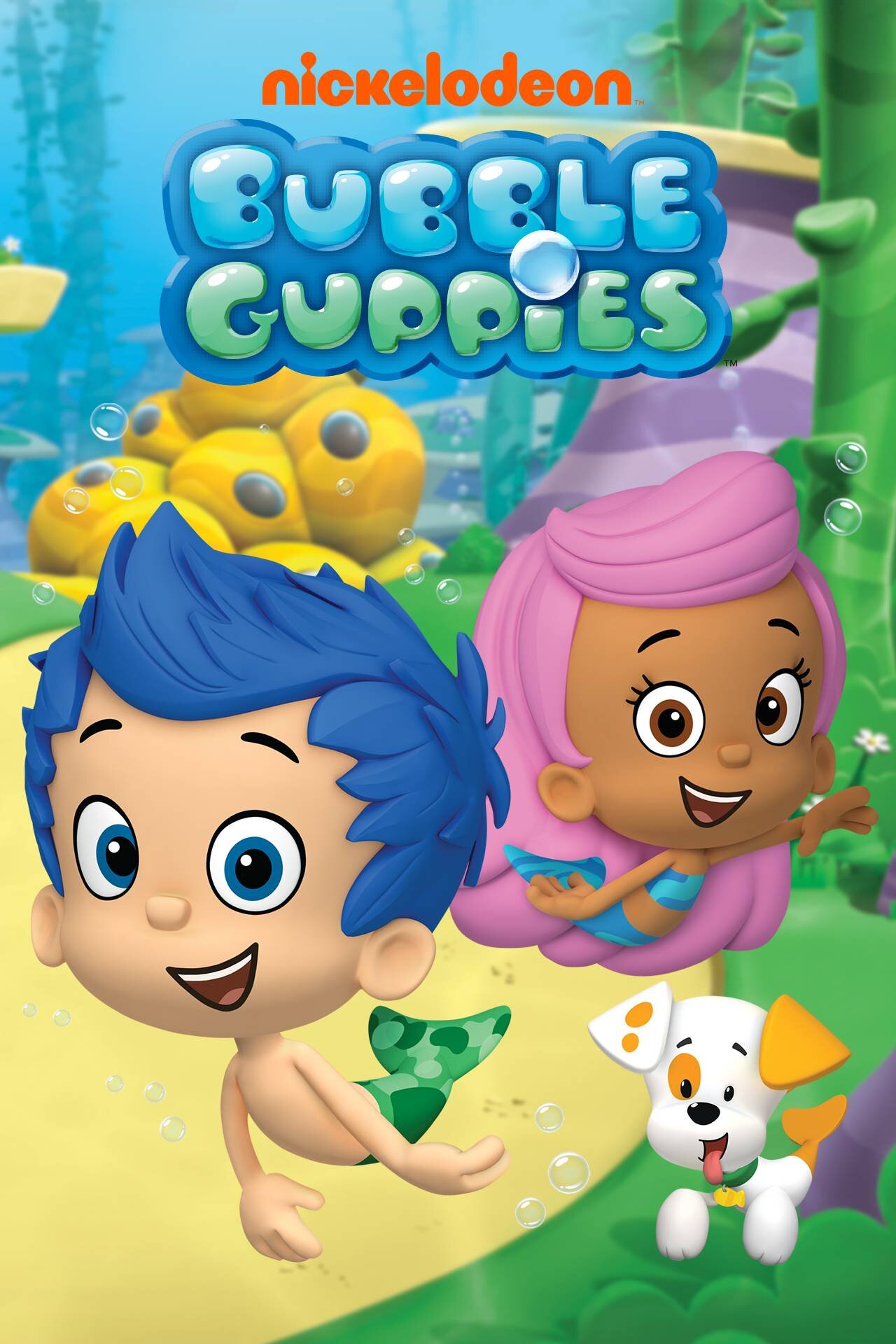
Bubble Guppies2011
Nickelodeon's answer to Disney's preschool dominance. Same collaborative problem-solving DNA, brighter animation, and more genre variety in individual episodes.
But It's busier and louder than Handy Manny, with less emotional space, which can exhaust rather than comfort.
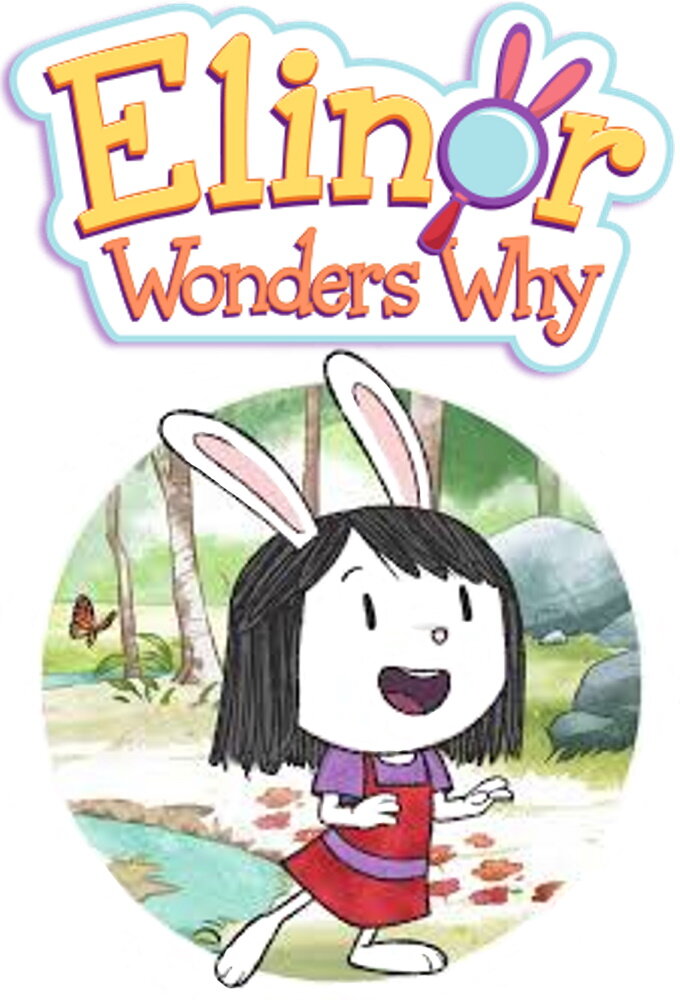
Elinor Wonders Why2020
Both centre on methodical observation and practical action to solve neighborhood problems. Handy Manny uses tools; Elinor uses scientific thinking. Same satisfaction of solving something real.
PBS Kids show that takes Handy Manny's problem-solving structure and applies it to nature and observation. Elinor and her friends solve real ecological puzzles through curiosity, experimentation, and teamwork. Same warmth and collaborative spirit.
But It's slower and more contemplative than Handy Manny, and some of the observations require attention that preschoolers may not sustain. Aimed at slightly older kids.
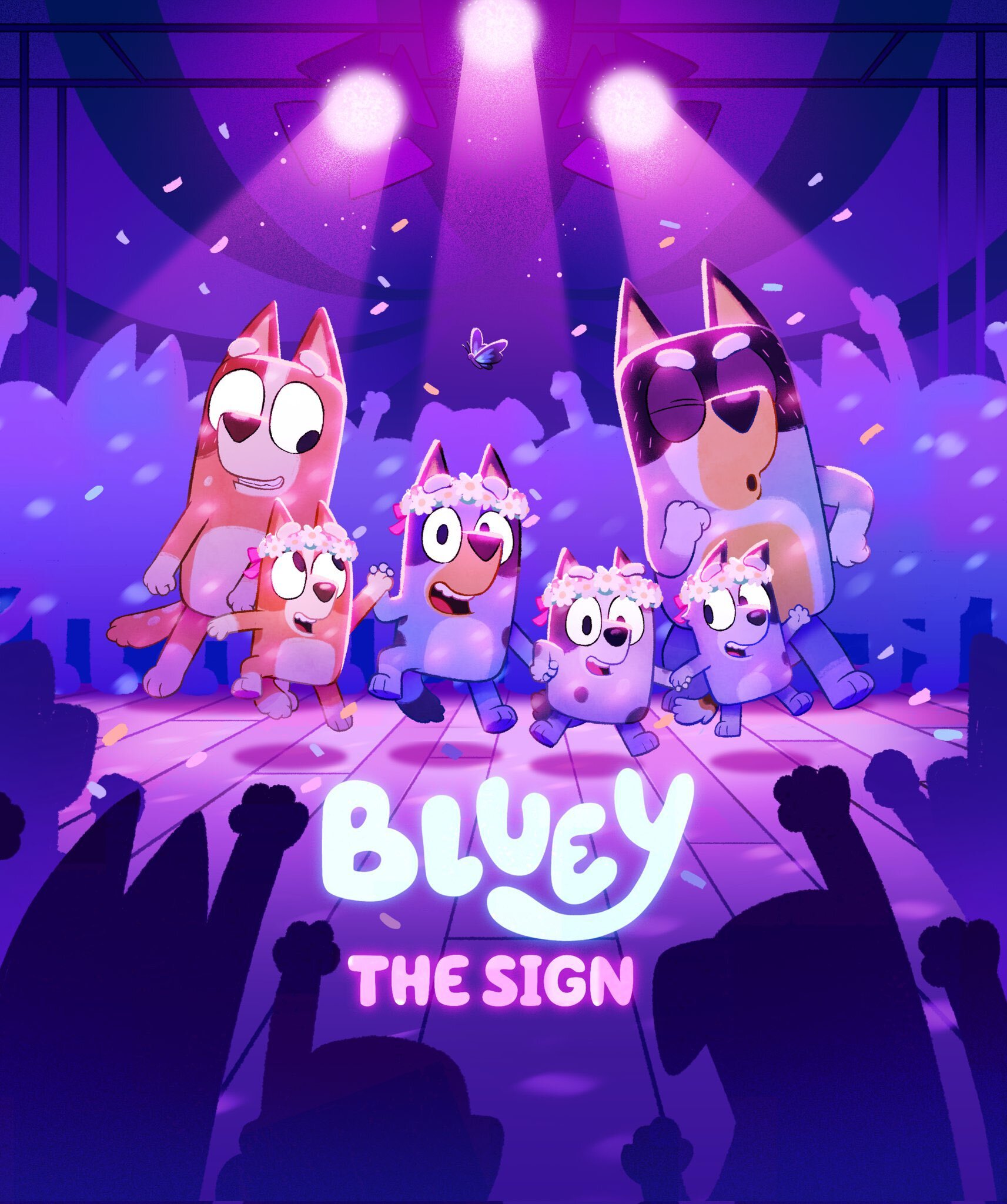
Bluey2018
Both shows believe in problem-solving as a core value and structure every episode around it. But Bluey solves psychological and relational puzzles, not broken fences. Handy Manny says 'Here's how to fix it.' Bluey says 'Here's how to feel about it.'
Australian show that feels like Handy Manny's more emotionally complex cousin. Problem-solving through imaginative play and family dynamics. Every episode models how to handle obstacles, disappointment, and collaboration. Genuinely moves adults as well as kids.
But It's a different tone entirely—more internal, less 'fixable.' If you want that toolshed satisfaction and cheerful resolution, this is messier and more real, which some find beautiful and others find less cathartic.
People
Cast




Recommended by
Alma's Way, Doc McStuffins, Bubble Guppies, Dora the Explorer, Little Einsteins, Team Umizoomi, Yo Gabba Gabba!, Special Agent Oso