
Television series
Howdy Doody
- Comedy
- Light-hearted
The first nationally broadcast American children's show and television's original template. Buffalo Bob Smith and his ventriloquist dummy Howdy Doody entertain a live studio audience (the famous Peanut Gallery) with songs, sketches, and gentle silliness. It's the DNA of everything that followed—corny, earnest, weirdly hypnotic to watch now.
Should you watch it?
Watch it if you are curious about where television itself learned to talk to kids, and enjoy watching a format being invented live, with its clumsy charm and hand-made spirit.
Skip it if the pace is slight and the cheer is aimed squarely at small children, so grown viewers may find the repetition and sugary sing-alongs wearing thin fast.
What it asks of you: Half an hour at a time across twenty-one episodes, and a stagey, live-feeling pace where sketches and sing-alongs carry the show more than any story does.
Not sure? Find tonight's pick in a minute.
If you liked this
The Mickey Mouse Club1955
The direct descendant: a daily variety show built around a charismatic host, musical guests, and a live studio audience of children. You'll see exactly how the Howdy Doody template was refined and expanded into a national phenomenon.
But It's slow by modern standards, and the episodic format means there's no throughline to binge. Some of the educational segments feel didactic.
Romper Room1953
Another direct descendant, but inverted: instead of a puppet, a real teacher addressing children directly in their homes. It shows how quickly TV learned to speak to children as themselves rather than through intermediaries.
But The educational segments are genuinely dated, and the format is repetitive. The mirror bit, famous as it is, wears thin fast.
Lois & Clark: The New Adventures of Superman1993
Proof that children's TV in the late 40s and early 50s wasn't all variety and puppets. This is early live-action adventure made cheaply and with earnest charm—the other template that Howdy Doody's era created.
But The production values are threadbare, the acting is broad, and the plotting is repetitive. It's a curio more than a narrative experience.
Not sure tonight? Get a pick in a minute, starting from Howdy Doody
The wildcard
Something you would not have found on your own.
Fireside Theatre1949
Both are broadcasting history captured in real time, neither edited or refined. They're the true artifacts of what it felt like when television didn't yet know what it was.
Live anthology drama broadcast directly into American homes—the secret other side of what was happening on television in 1947. Howdy Doody was the era's most famous show; this was what the medium was actually building itself capable of. Watching them together reveals the fork in the road.
But Most episodes are lost. What survives is formally bare and technically brutal—no editing, no second takes, just actors performing live and hoping. It's watching television learn to walk.
More like this (5)
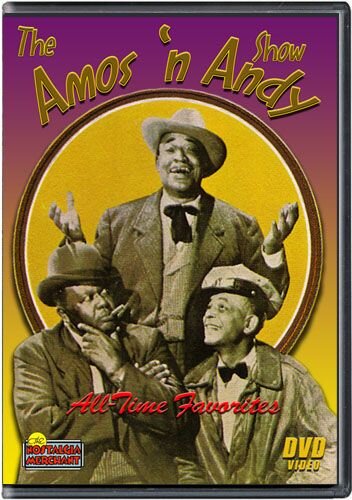
The Amos 'n Andy Show1951
The other major variety show of the early television era, built on similar principles: a host, sketches, music, live energy. It's essential context for understanding what Howdy Doody was competing with and speaking to.
But The racial content is indefensible by any modern standard. You need to watch it as historical artifact, not entertainment, and even that is difficult.
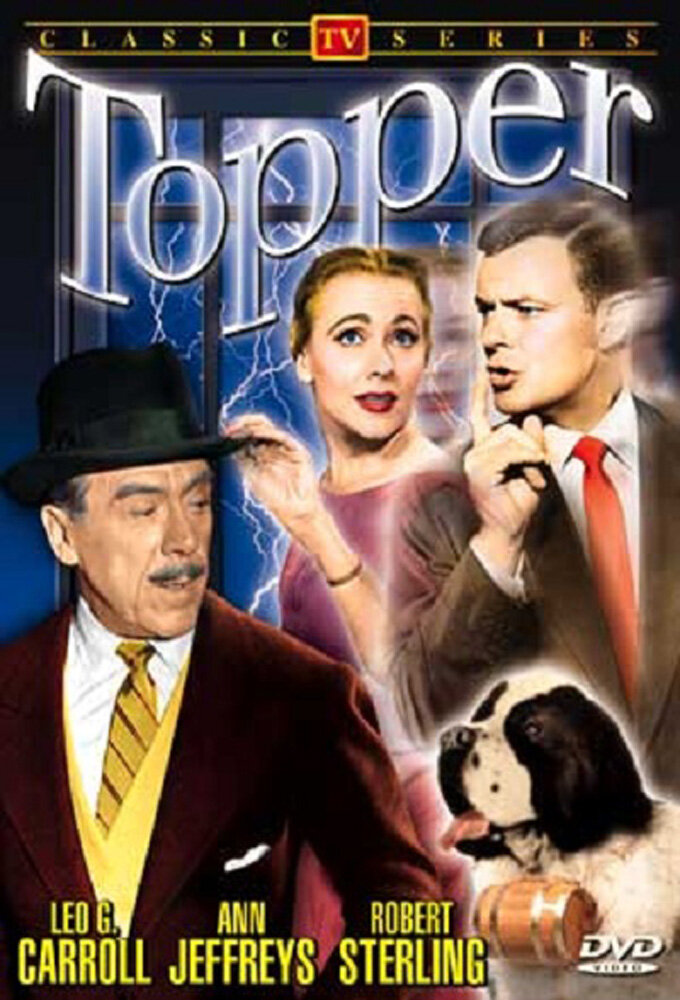
Topper1953
A live-action sitcom from television's infancy that captures the same kind of earnest, slightly creaky charm. It shows how early TV solved the problem of maintaining a story week to week.
But The plot mechanics are obvious, the performances are broad, and special effects for the ghost characters are embarrassingly crude. It feels like watching a filmed stage play.
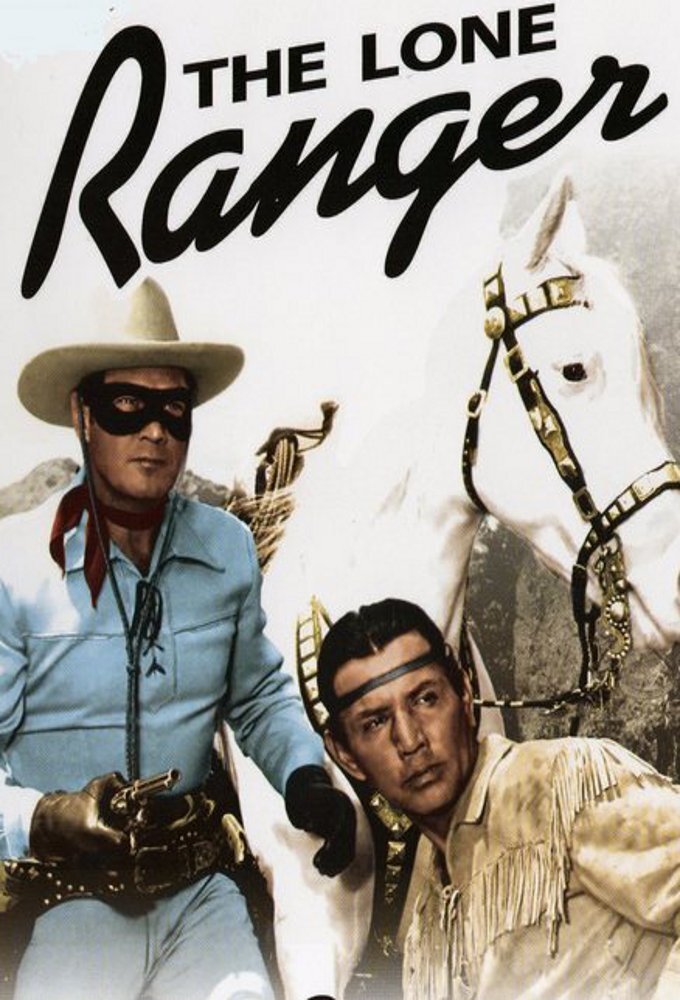
The Lone Ranger1949
Another early adventure series that dominated children's programming in the same era. It's faster-paced and more action-oriented than Superman, giving you a different flavor of the same theatrical, studio-bound television.
But Episodes blur together, the dialogue is wooden, and the masked hero format becomes repetitive very quickly. Production values are barely a step above stagecraft.
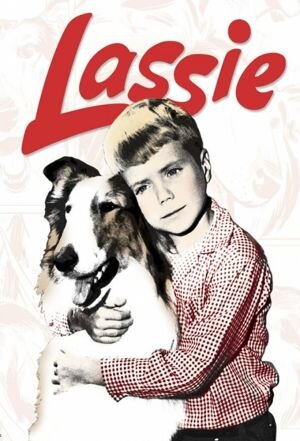
Lassie1954
The show that proved television could sustain a character across multiple seasons and episodes. It's sentimental, but it understands something real about children's programming: they crave consistency and repetition.
But The sentiment curdles into manipulation, the dog stories are formulaic, and the show has almost no humor. It can feel like being lectured about goodness.
The Phantom Carriage1921
Both are a performer (or puppet-and-performer) creating magic in real time for an audience watching together. Both are about the essential spell of presence and liveness, just through different technologies.
A Swedish silent ghost story with technical audacity that feels impossible for its era. The same spirit of a live performer entertaining an audience directly, except it's cinema instead, and made twenty-six years before Howdy Doody aired. Proof that the impulse to reach through the screen is older than television.
But It's nearly two hours of silent film with intertitles. The pacing is glacial, the story lurches, and you need to surrender to a completely different visual language. Modern audiences find it tedious.

People
Cast
Writing
- E. Roger MuirCreator