Television series
The Amos 'n Andy Show
- Comedy
- Light-hearted
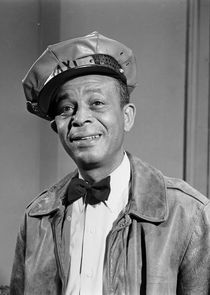
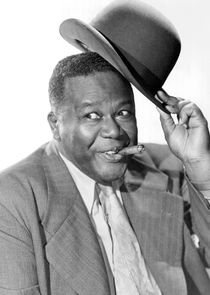
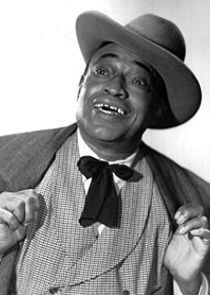
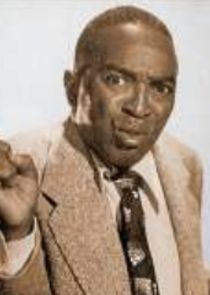
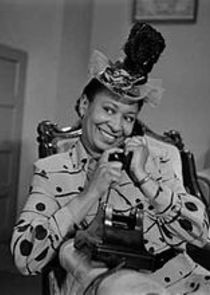
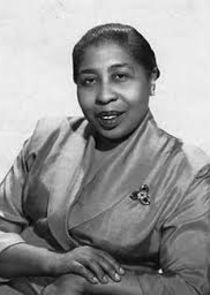
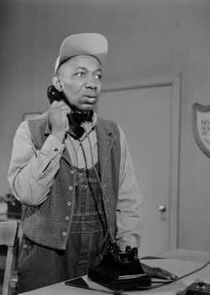
A sitcom about a Black lodge and its members, centered on the Kingfish's get-rich schemes and the comic entanglements that follow. Historically significant as early network television comedy, but demands awareness of its context: a show created by white writers performing in blackface that became controversial even as it aired, reflecting the era's complexities around representation and labor.
Should you watch it?
Watch it if you love classic studio sitcoms built on a fast-talking schemer whose get-rich plots keep unraveling, with the ensemble rhythm of early television.
Skip it if the characters lean on broad racial stereotypes that many viewers now find painful, and the jokes often rely on caricature rather than character.
What it asks of you: Half an hour at a time, it runs on quick back-and-forth dialogue and a light touch, so settle in for talky scenes and a gentle, old-fashioned tempo.
Not sure? Find tonight's pick in a minute.
If you liked this
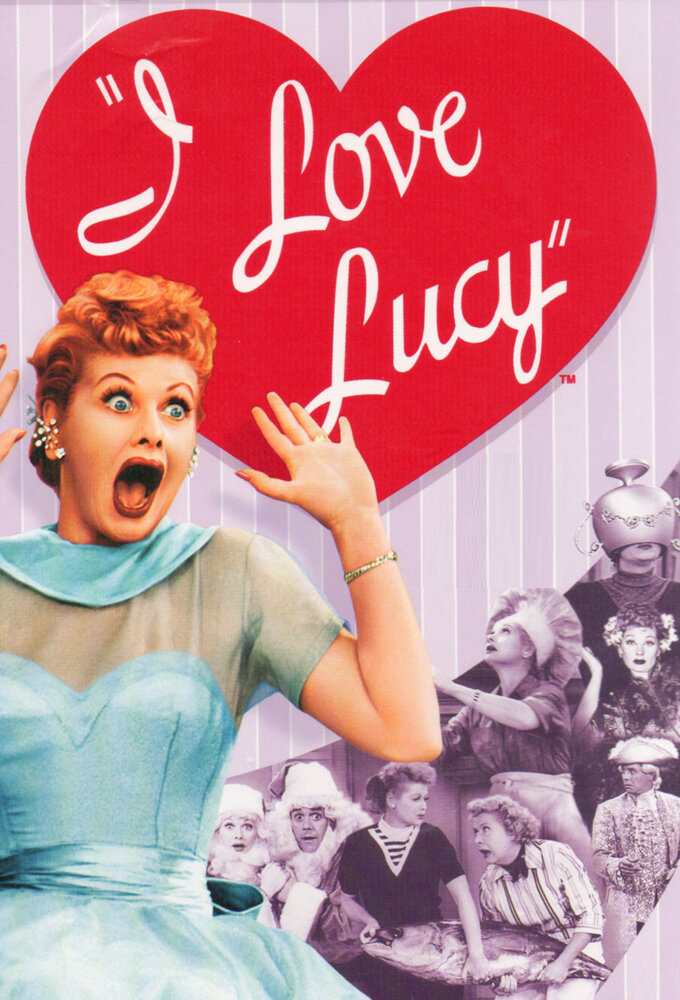
I Love Lucy1951
Lucille Ball's physical comedy and the show's tight writing set the template for sitcom plotting. Episodes build elaborately from simple premises, and Ball's willingness to look foolish became comedic gold.
But The humor relies heavily on Lucy being punished for stepping out of line, which can feel dated. Some plots hinge on marital conflict resolved through humiliation.
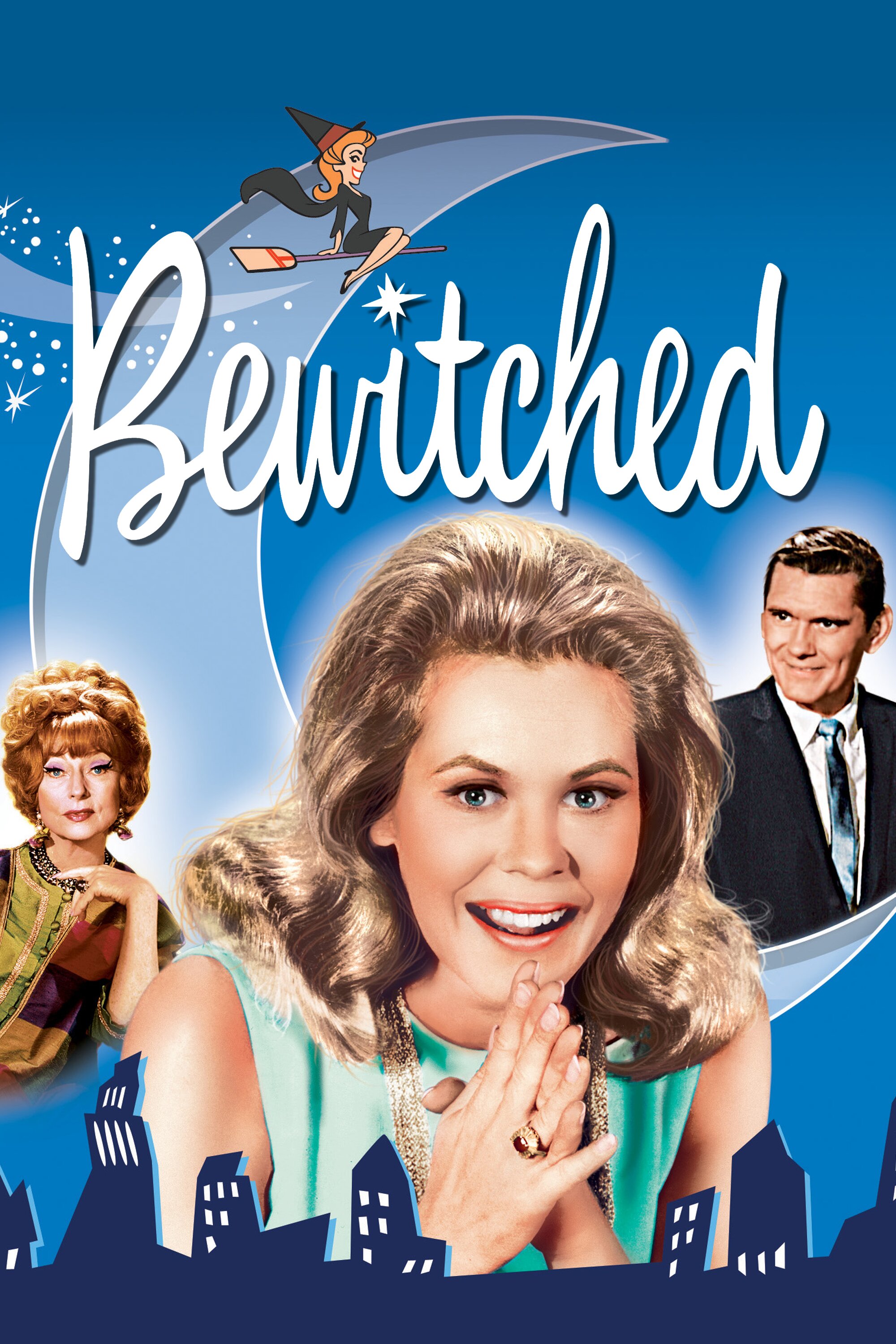
Bewitched1964
A sitcom about a magical wife hiding her nature from her conventional husband, it shares the lodge's ensemble scheming but trades physical comedy for wordplay. Urbane, quick, and genuinely clever.
But Once you've seen a few episodes, the formula becomes very apparent. Later seasons lose steam as the writers repeat themselves.
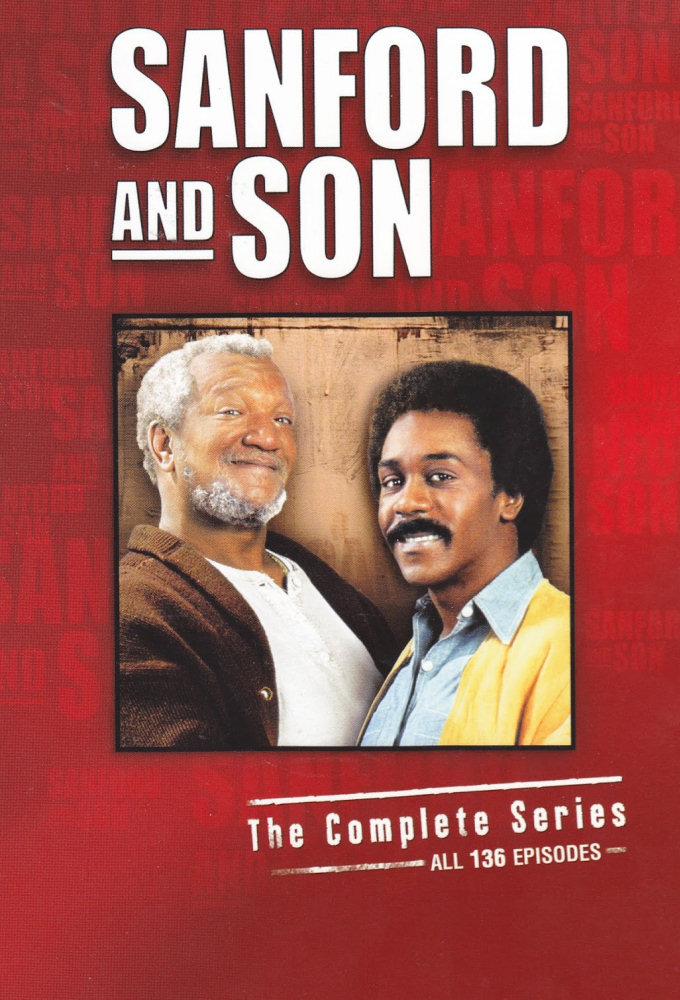
Sanford and Son1972
Set in a junkyard, it centers on Black characters as leads rather than supporting players. Redd Foxx's manic energy and Demond Wilson's patience create a real father-son dynamic beneath the con artistry.
But The show relies on stereotypes too, though with more self-awareness. If you're sensitive to depictions of aging or poverty used for laughs, it will grate.
Not sure tonight? Get a pick in a minute, starting from The Amos 'n Andy Show
The wildcard
Something you would not have found on your own.
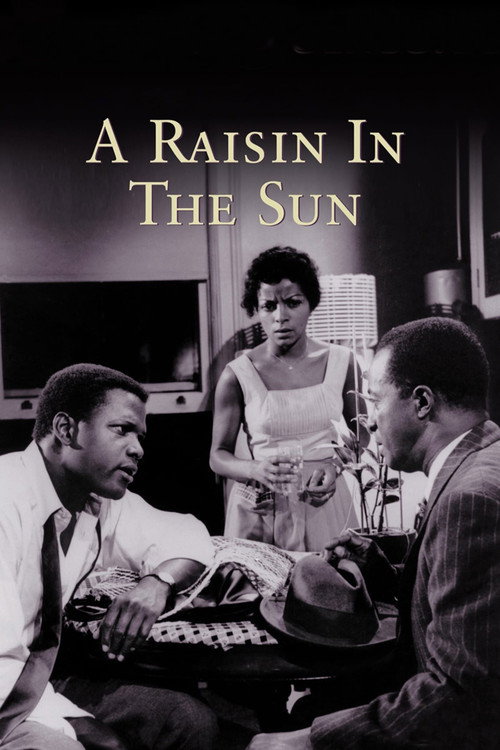
A Raisin in the Sun1961
Where Amos 'n Andy dramatized lodge schemes and minstrelsy, Hansberry showed the actual economic and social structures that determined Black life in America—the reality beneath the performance.
Lorraine Hansberry's play adapted to film, following a Black family in Chicago navigating housing discrimination and class aspiration. The ensemble cast creates real warmth and specificity; it's about stakes that matter.
But It's a social drama, not a comedy. If you're looking for lightness, this will deflate the mood entirely. The pacing is deliberate, and some modern viewers find the family dynamics slow.
More like this (5)
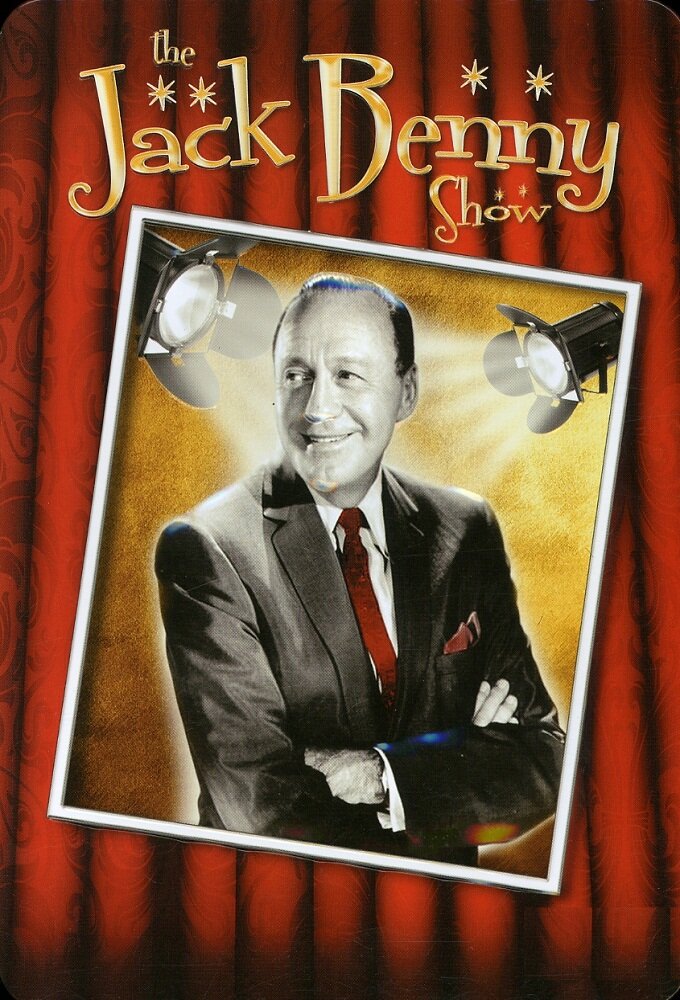
The Jack Benny Program1950
Benny's deadpan miserliness and the supporting cast's ability to roast him created a template for ensemble comedy. The jokes land on personality and timing rather than slapstick.
But It's radio-shaped even on television—long stretches of banter without visual gags. Some supporting characters embody attitudes that haven't aged well.
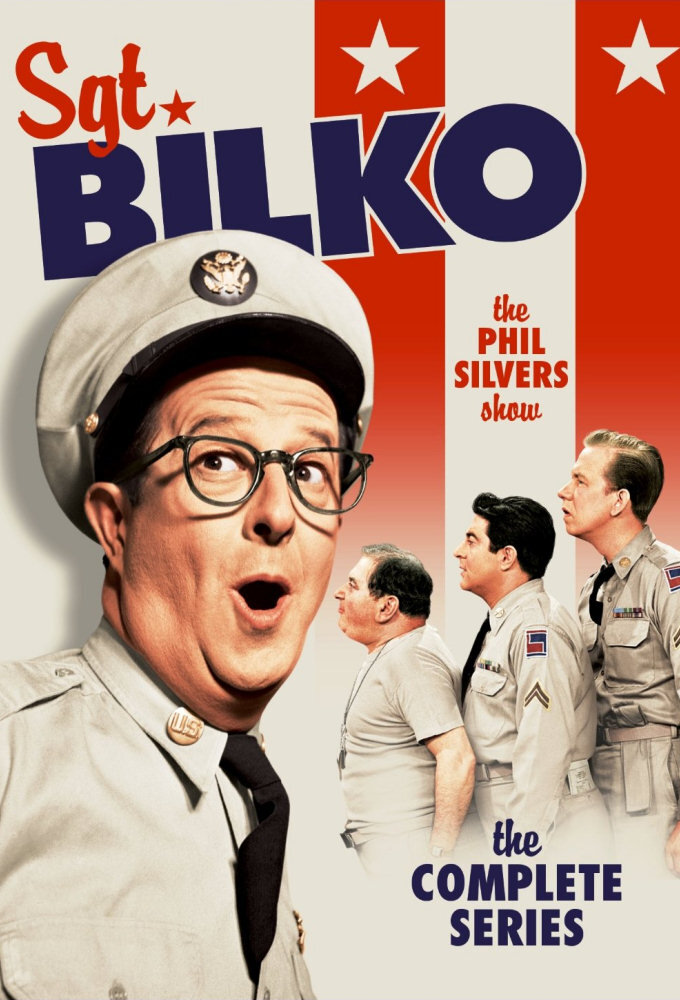
The Phil Silvers Show1955
Silvers plays a scheming Army sergeant in a military barracks, making it a cousin to the lodge formula. The con and the counter-con keep episodes brisk, and Silvers is a master of comic timing.
But The premise wears thin—every episode follows the same arc. If you don't find Silvers' mugging endearing, you'll find it exhausting.
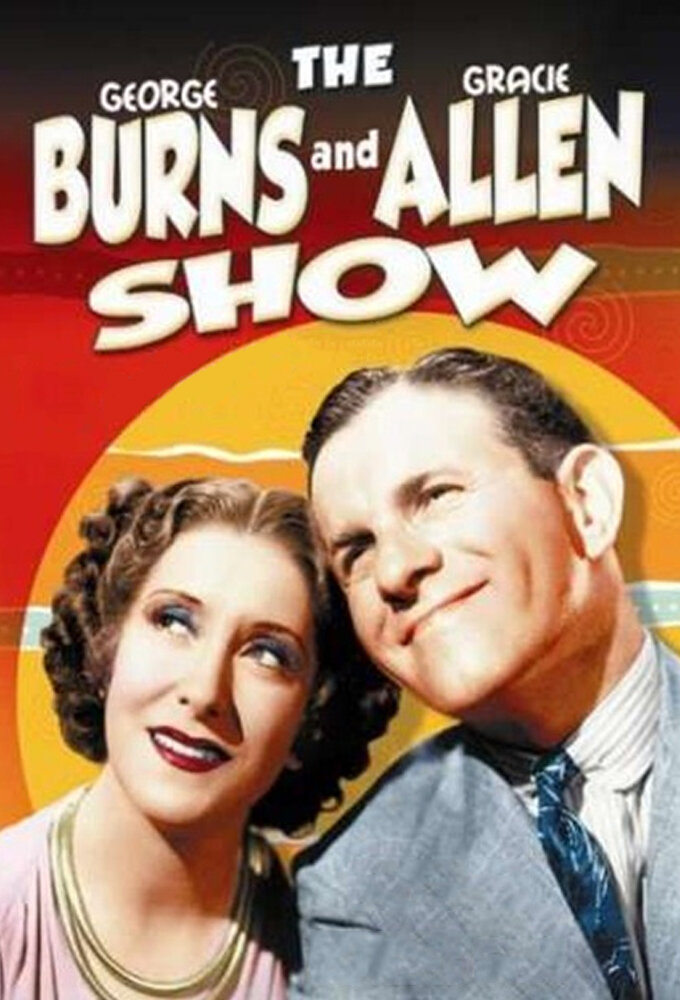
The George Burns and Gracie Allen Show1950
Burns' dry asides to camera and Allen's spacey charm create a marriage dynamic that feels almost modern. The show's willingness to break the fourth wall keeps it playful.
But The humor is gentle to the point of blandness. Gracie's scatterbrained act is one note, and if that note doesn't land for you, there's not much else.
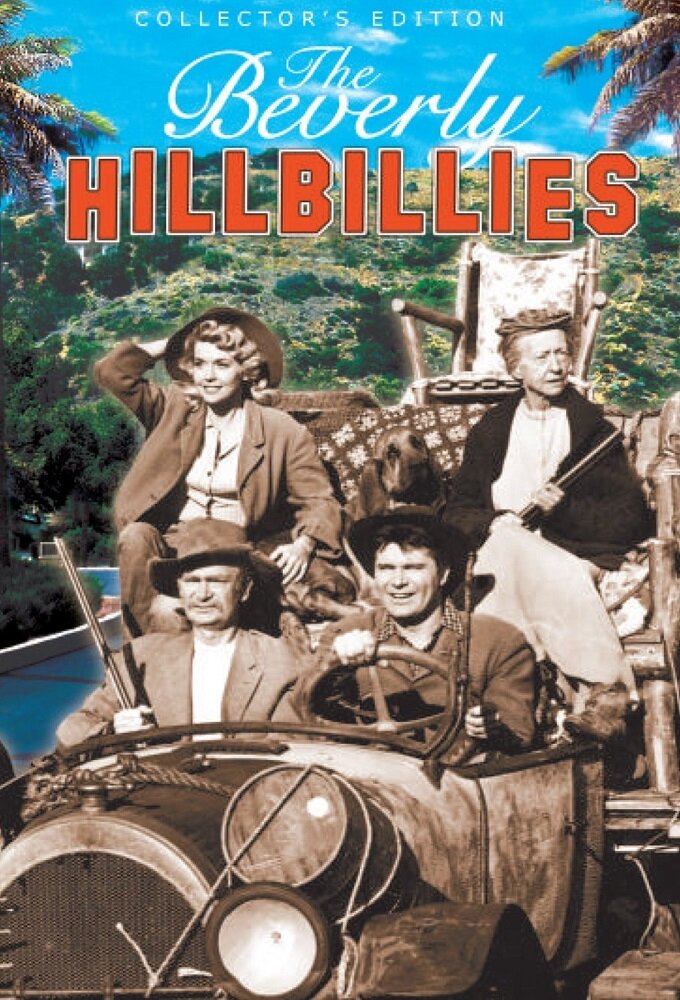
The Beverly Hillbillies1962
Rural characters enter a wealthy world and refuse to assimilate, which inverts typical fish-out-of-water dynamics. The supporting cast is sharper than they seem, and the show has a gentle anarchic streak.
But The humor can feel condescending toward rural people. If you find the premise rooted in mockery rather than affection, it will feel mean.
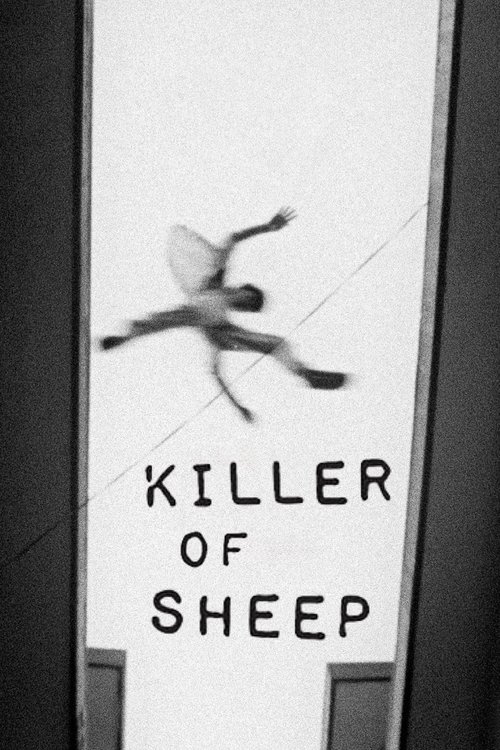
Killer of Sheep1978
Both works feature Black American workers and lodge-like social spaces, but Killer of Sheep strips away all comedy and performance to look directly at labor, dignity, and the rhythms of survival.
A non-narrative film following a Black slaughterhouse worker in Watts, capturing texture, routine, and exhaustion through poetic scenes and found music. It's hypnotic and formally inventive in ways that redefined what cinema could be.
But There is almost no plot. It's a mood piece and a visual essay. If you need narrative drive or resolution, you'll find it frustrating. It's also visually grainy and formally experimental.