Television series
The George Burns and Gracie Allen Show
Vaudeville logic transplanted to the living room: Gracie's cheerful, airtight illogic collides with George's exasperated patience, while George steps clean outside the story to chat with the audience — sometimes watching the plot unfold on his own television set. It's gentle, theatrical, and quietly radical in form. Best for anyone who loves classic comic timing and a sitcom that knows exactly what it is.
If you liked this
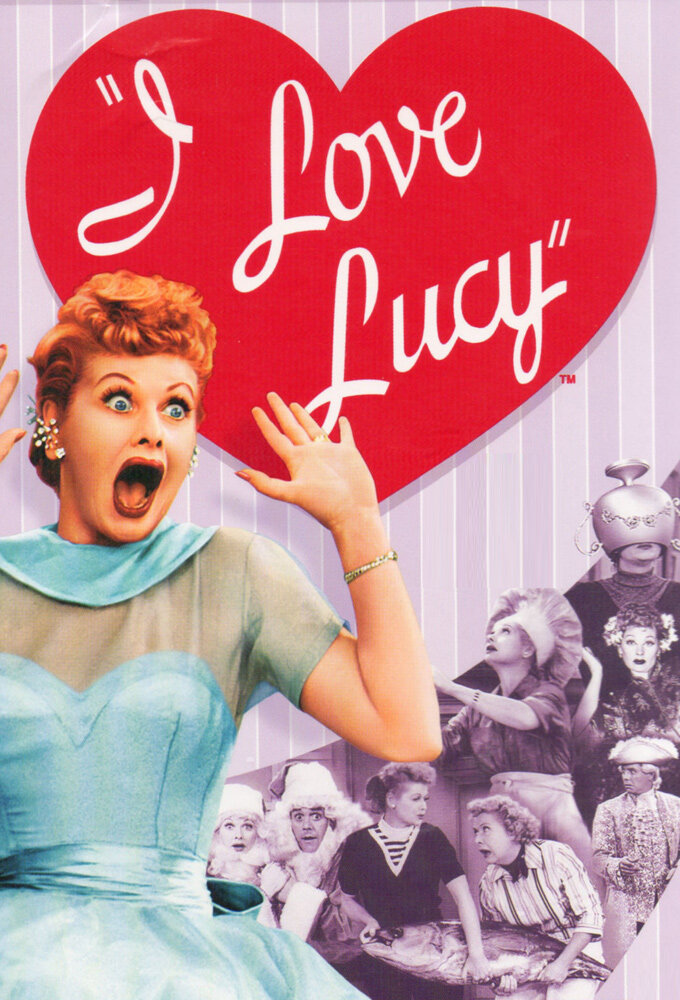
I Love Lucy1951
Lucille Ball and Desi Arnaz do the same husband-and-wife double act — a wife who talks her way into chaos, a husband forever exasperated in the wings. If you love this dynamic, it's the brasher, more physical cousin.
But The comedy leans on slapstick set-pieces rather than verbal logic puzzles, so it's a different flavor of funny than Gracie's specific brand of nonsense.
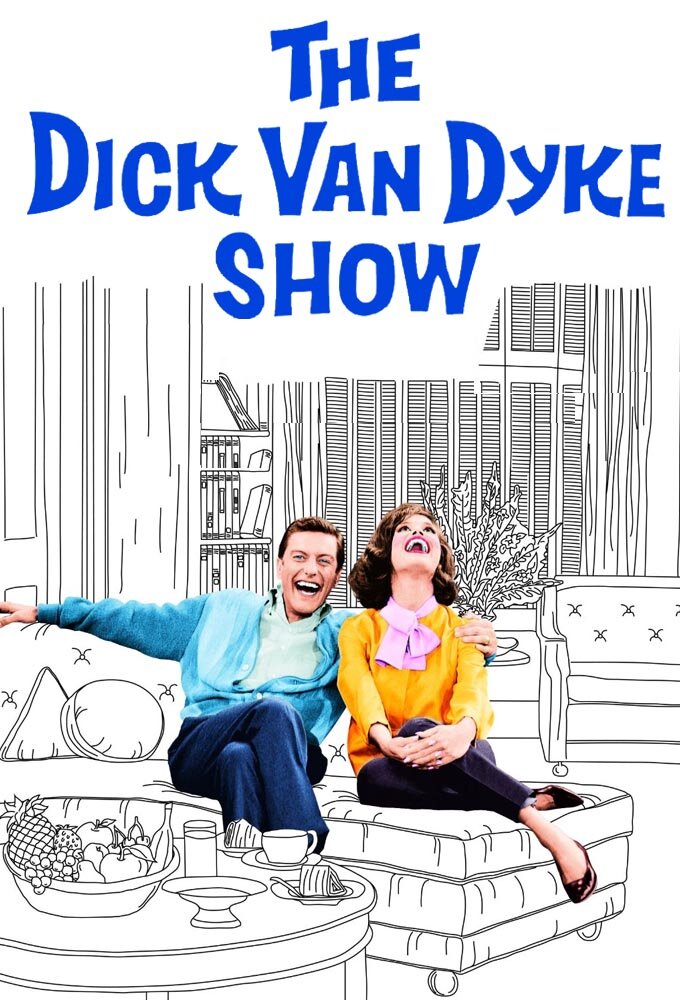
The Dick Van Dyke Show1961
A show about making a comedy show, with writer's-room wit and a genuinely warm marriage at its center. It carries the same cleverness forward, minus the direct audience address.
But The meta angle is about show business generally, not the fourth-wall trick that makes Burns and Allen so unusual — you may miss that specific device.
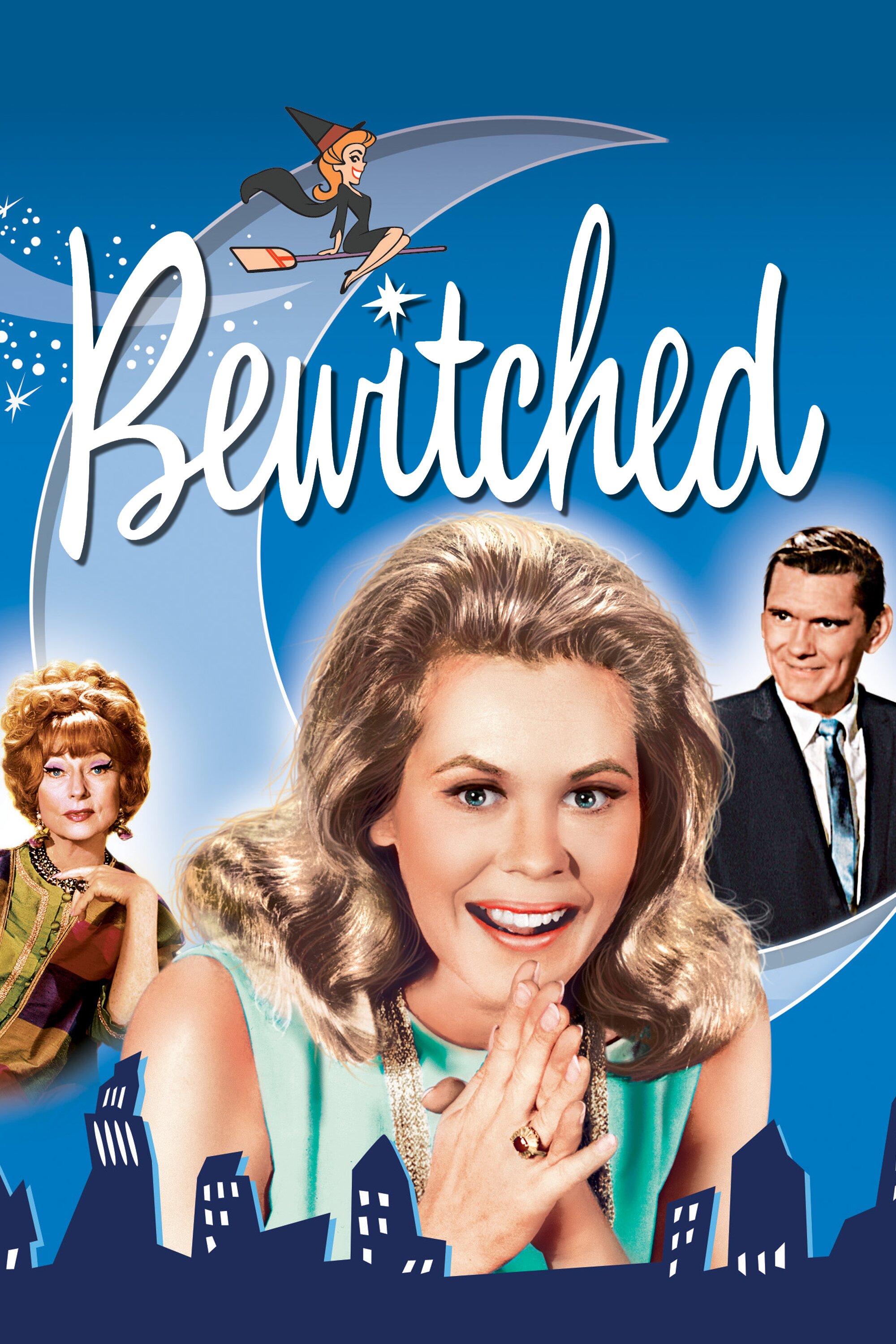
Bewitched1964
Samantha's magical logic baffles her practical husband Darrin in exactly the shape Gracie's illogic baffled George — a domestic sitcom built on one spouse living by rules the other can't follow.
But The magic gimmick pulls it toward fantasy sitcom territory, further from the grounded, real-world silliness of the original.
The wildcard
Something you would not have found on your own.
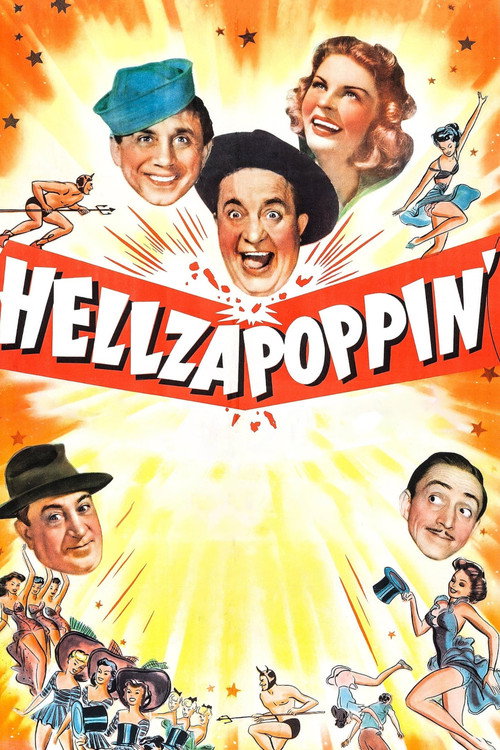
Hellzapoppin'1941
Burns and Allen's habit of stepping outside the story to talk to us directly comes straight out of vaudeville stagecraft — Hellzapoppin' takes that same trick and blows it up to feature-length anarchy nearly a decade before the sitcom existed.
A gloriously unhinged vaudeville-to-film comedy that shreds the fourth wall from its opening frames — characters argue with the projectionist, actors step out of their own movie. It's the anarchic ancestor of George's calm asides to camera.
But The chaos is nonstop and structureless by design; if you like Gracie's tidy nonsense logic, this looser, louder free-for-all may exhaust rather than charm you.
More like this (7)
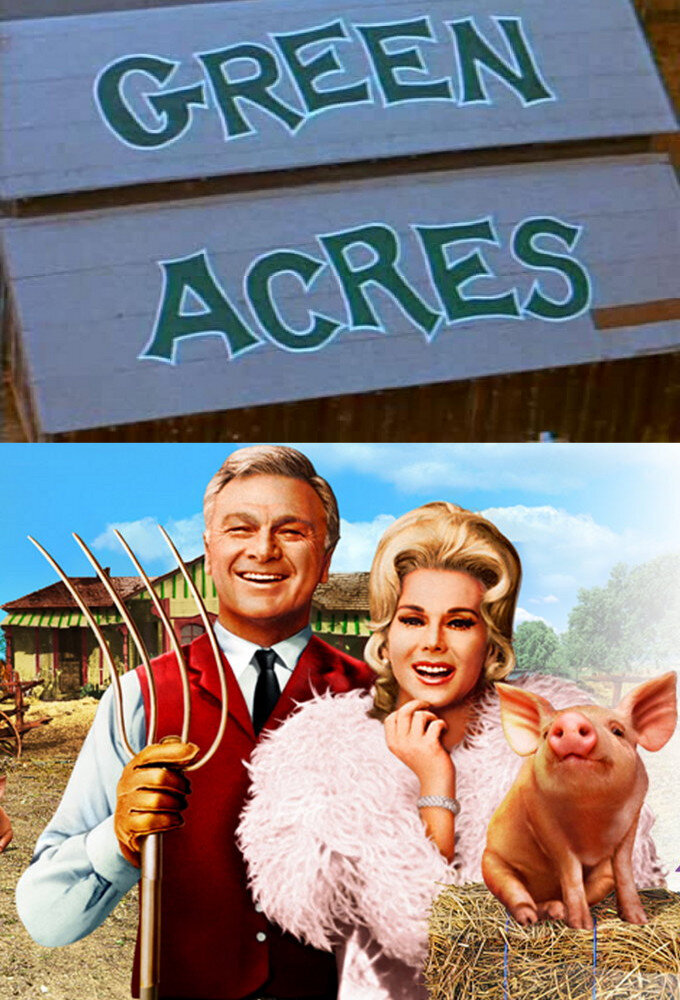
Green Acres1965
Absurdism baked into the premise itself — a couple bickering their way through a farm that defies logic, told with the same wink-at-the-audience spirit that made Burns and Allen so odd and lovable.
But It trades character-based comedy for pure gag density; if you loved Gracie as a person rather than a joke-delivery system, this may feel thinner.
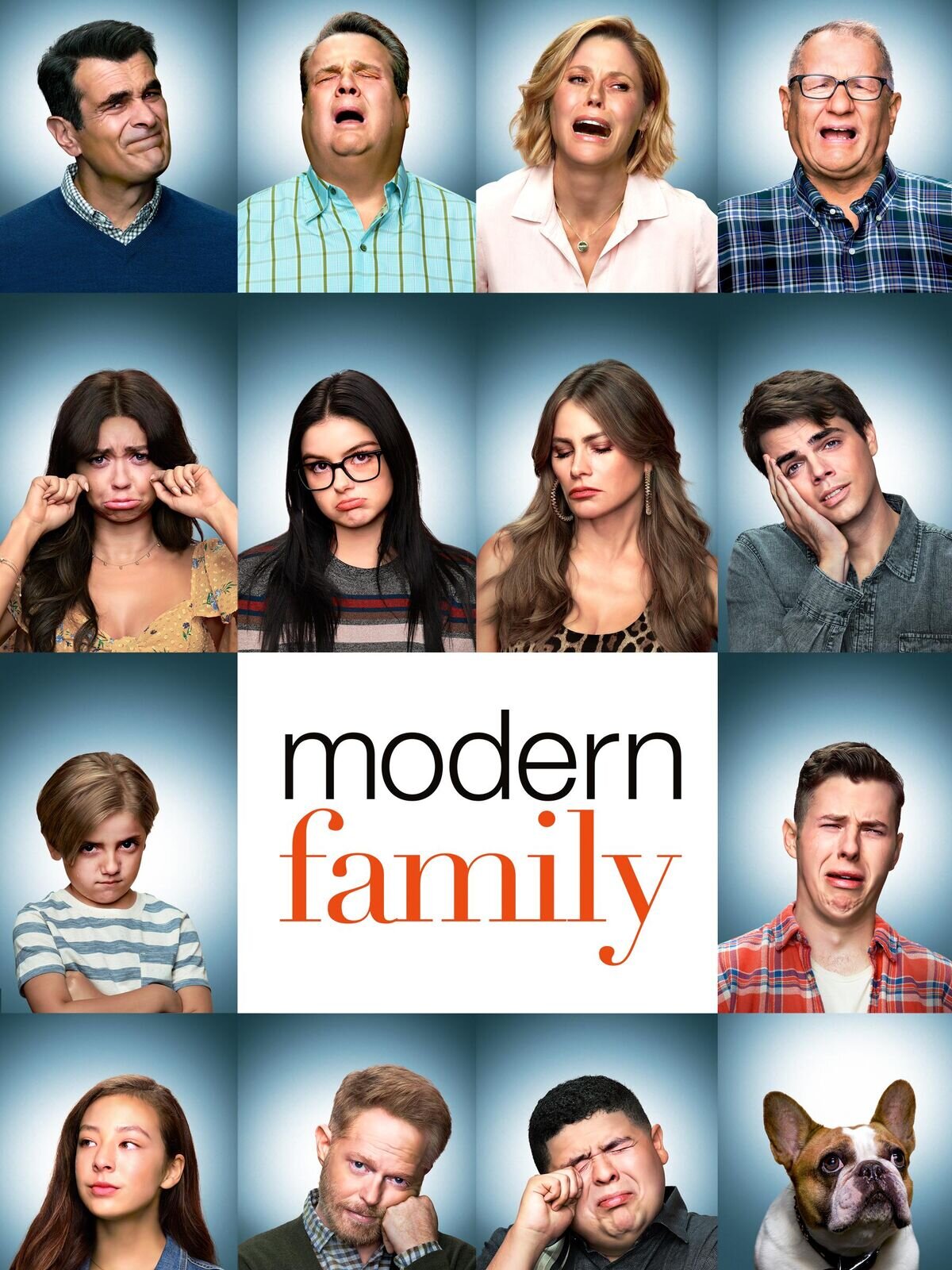
Modern Family2009
Direct-to-camera confessionals update the fourth-wall trick for a mockumentary age — characters explain themselves straight to us, same as George once did, just with modern family chaos instead of vaudeville timing.
But It's a different era of comedy pacing entirely — faster, more sentimental, with none of the theatrical stillness of the original's soliloquies.
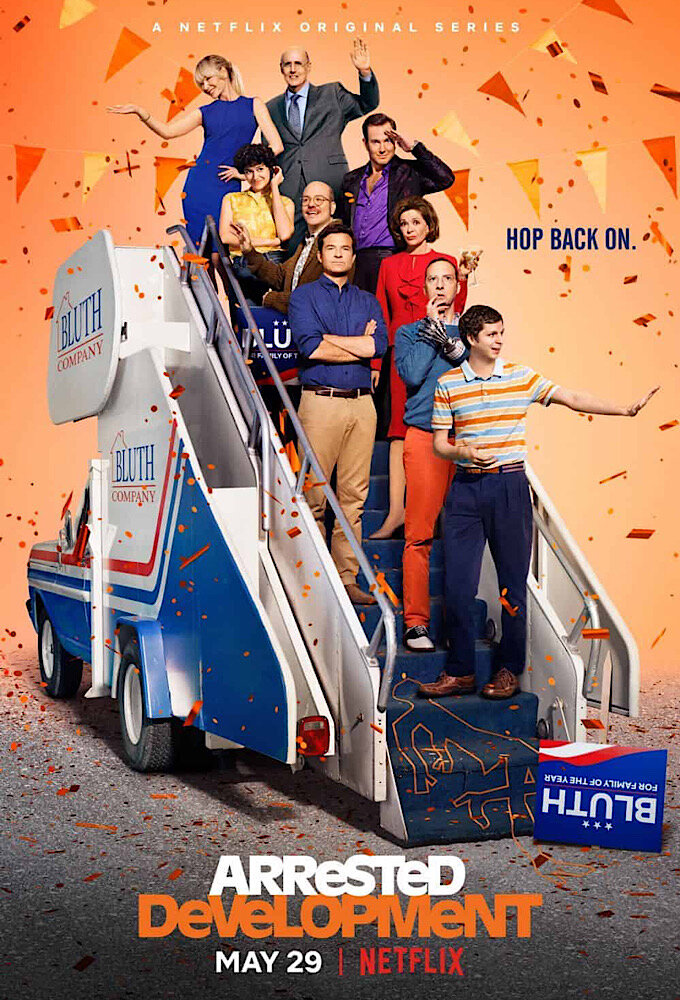
Arrested Development2003
A wildly meta family comedy with a narrator who comments on the plot almost as pointedly as George once did, turned up to a level of self-aware absurdity Burns and Allen never dared.
But The tone is arch, cynical, and dense with running jokes — a world away from the sweetness at the heart of the original show.
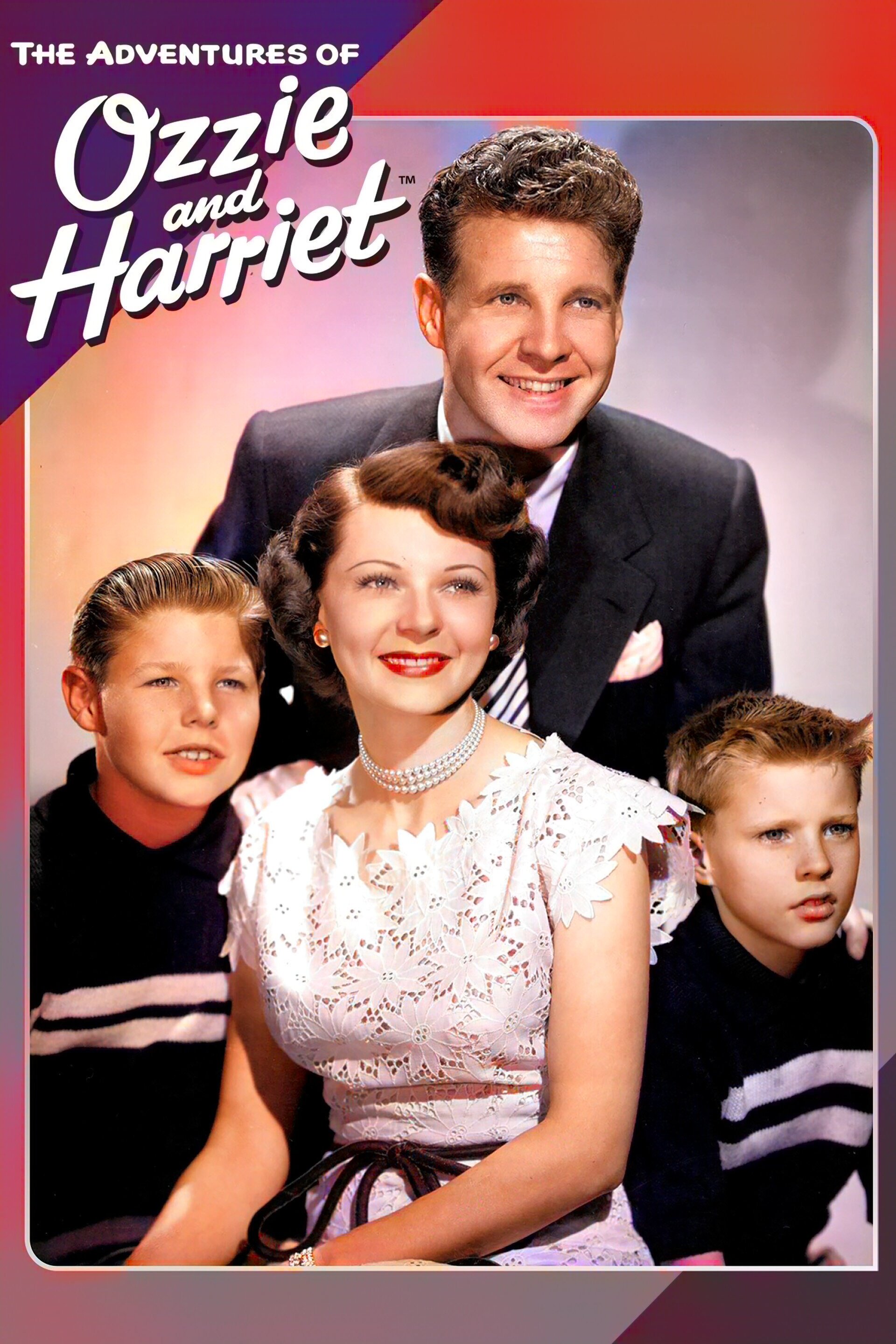
The Adventures of Ozzie and Harriet1952
A real-life married couple playing barely fictionalized versions of themselves, gentle domestic mishaps, and that same warm 1950s living-room pace — practically the neighbor show to Burns and Allen.
But It's even gentler and slower, with none of Gracie's anarchic wordplay — some viewers will find it too placid by comparison.
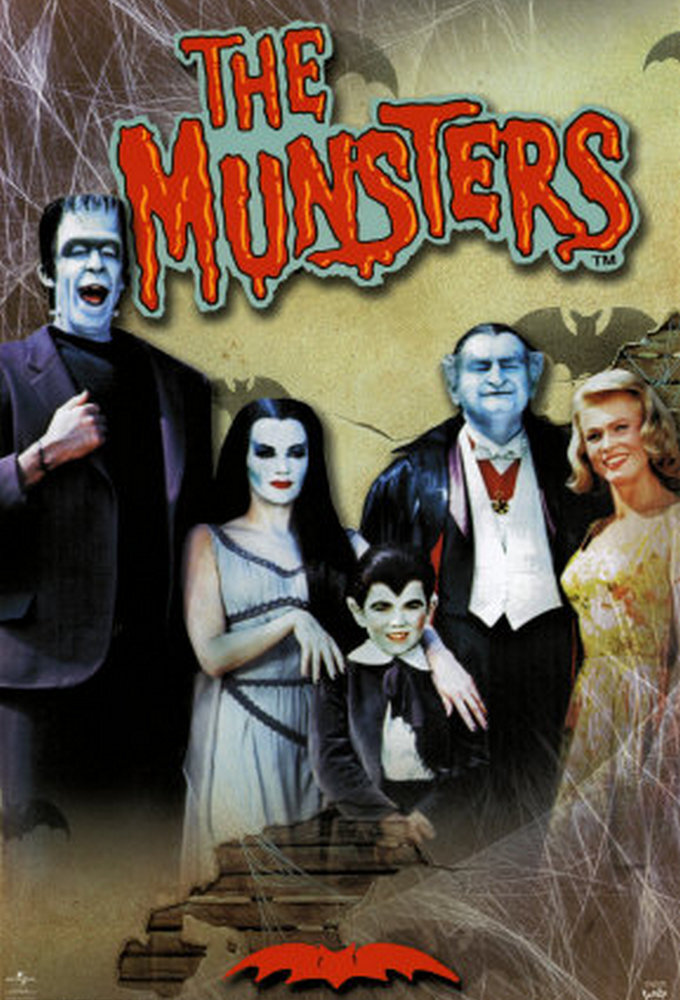
The Munsters1964
A sitcom family who doesn't realize how strange they are, told with the same deadpan sincerity Burns and Allen brought to Gracie's nonsense — a fun, funhouse-mirror descendant.
But The monster gimmick is pure visual gag, a much broader kind of funny than the couple's dialogue-driven wit.
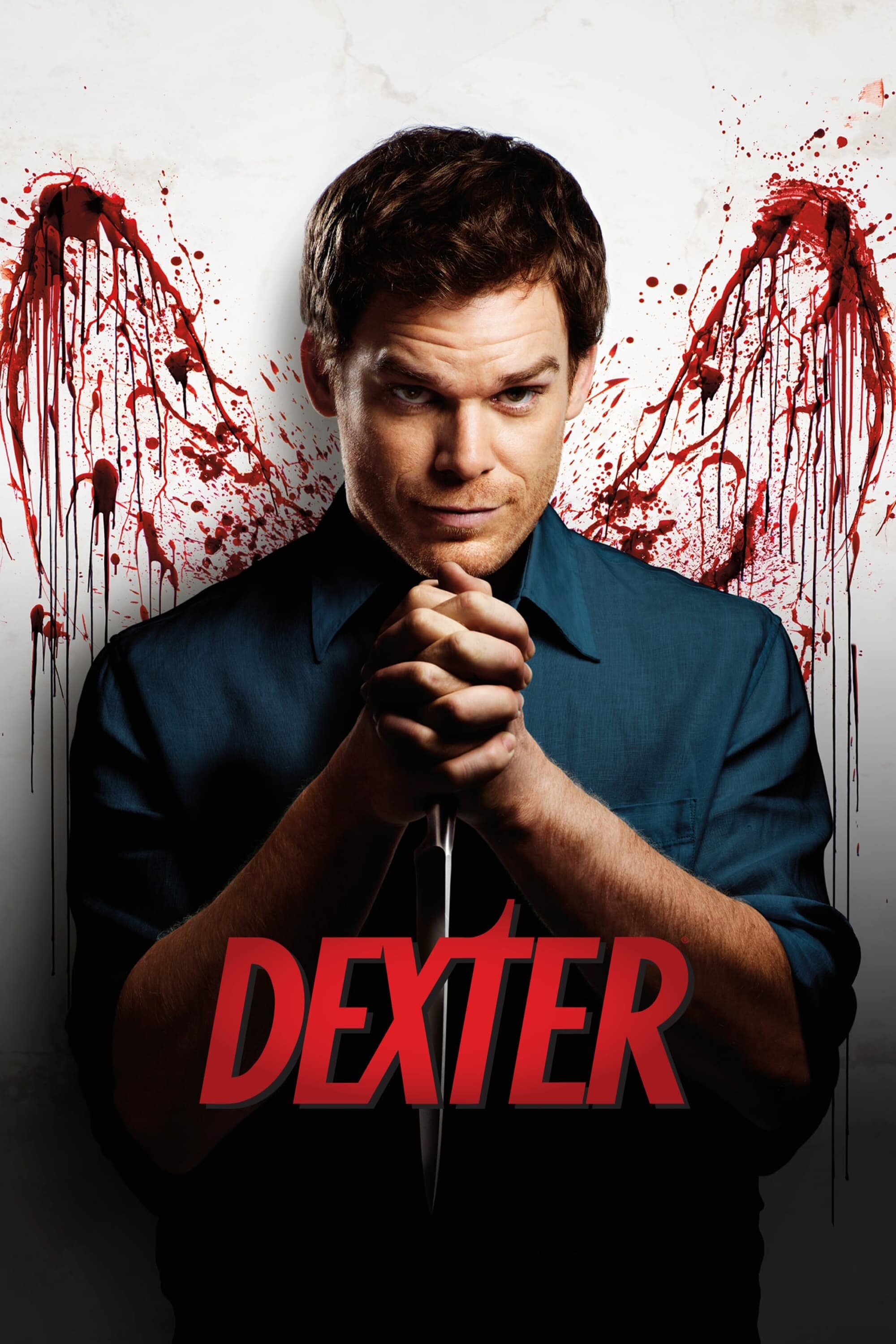
Dexter2006
George's amused asides to camera and Dexter's confiding voiceover are the same structural trick — a character who lets us in on what's really happening while everyone else stays in the dark — just relocated from sitcom sunshine into psychological horror.
Swap sitcom warmth for serial-killer dread and you still get a lead who talks straight to the audience, narrating his own contradictions with disarming intimacy — the same device, aimed at something much darker.
But It's violent, morally unsettling, and built for binge dread rather than half-hour comfort — about as far from Gracie's living room as television gets.
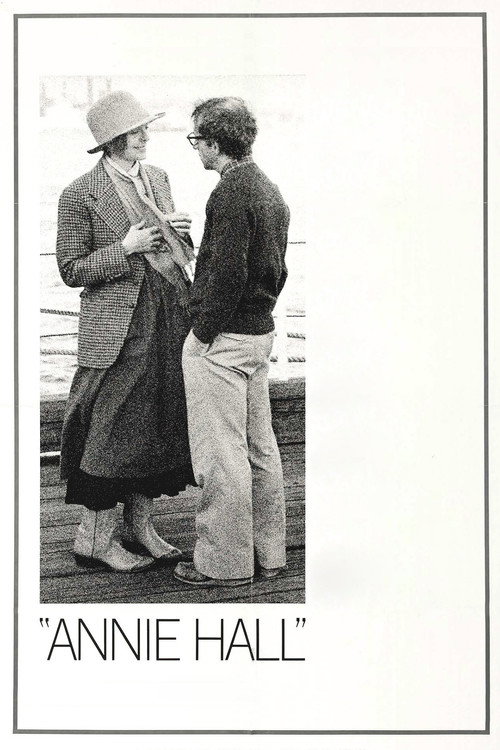
Annie Hall1977
Both use direct address as a structural joke about performance itself — a character who knows they're being watched and lets us in on it — but Annie Hall drags the device out of vaudeville sitcom-land into confessional, anxious modern comedy.
Woody Allen turns to the camera mid-scene to argue with his own memories and explain his neuroses directly to us, the same theatrical wink Burns used decades earlier, now filtered through modern romantic anxiety.
But It's wordier, more self-conscious, and steeped in 1970s New York neurosis — a very different comic temperature from Gracie and George's easy warmth.