
Film
A King in New York
Chaplin's last leading role finds him as a deposed European king navigating 1950s New York's consumer culture and television mania—a warm, deliberately uneven film that mixes slapstick with surprisingly bitter Cold War satire. It's personal cinema masquerading as a comedy, sometimes brilliant, sometimes indulgent. For anyone who loves Chaplin or wants to see what happens when an artist puts politics before crowd-pleasing.
If you liked this
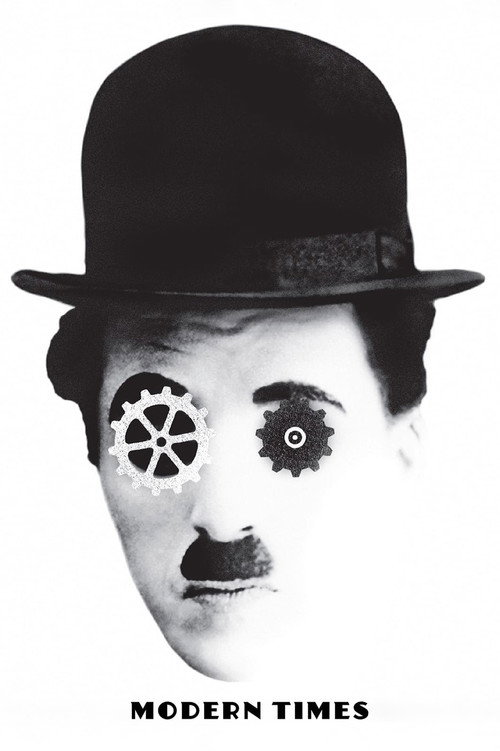
Modern Times1936
Chaplin's masterpiece of the same era: a Little Tramp battling mechanization, capitalism, and authority. If you love his politics and humanity, this is where they're most perfectly balanced and devastating.
But It's silent, which means subtitles for dialogue and reliance on visual gags—some of which land better in a theatre in 1936 than on a Tuesday night now.
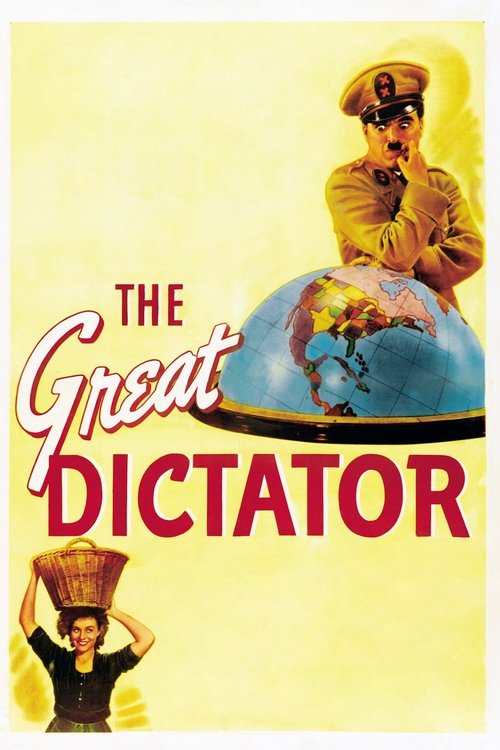
The Great Dictator1940
Chaplin as a Jewish barber mistaken for Hitler himself. Audacious, furious, and genuinely moving—his first talkie, and he uses the medium to deliver one of cinema's great speeches about human decency.
But The final monologue is pure sermon, which is exactly the point but also means the film stops to let Chaplin lecture. Some find it heavy-handed; he's not interested in subtlety.
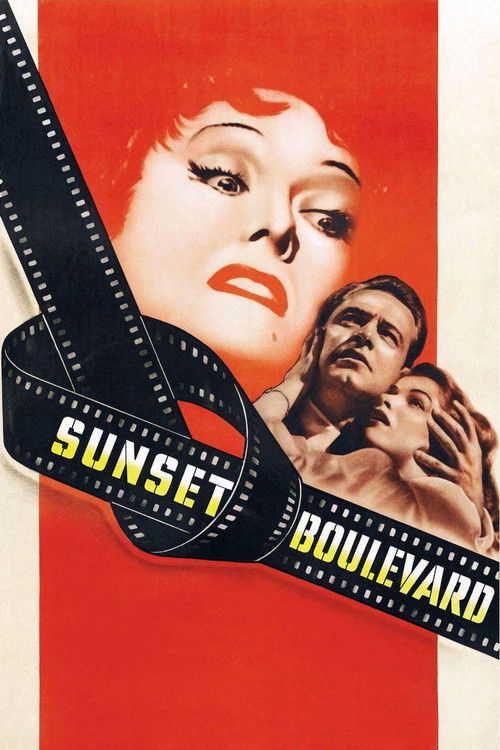
Sunset Boulevard1950
A Hollywood relic consumed by her own legend, trapped in a mansion, slowly losing her grip on reality. Dark, elegant, and obsessed with fame and obsolescence—themes that haunt A King in New York too.
But It's cynical about show business in a way that can feel suffocating, and the ending is grim without offering much mercy or hope for anyone involved.
Not sure tonight? Get a pick in a minute, starting from A King in New York
The wildcard
Something you would not have found on your own.
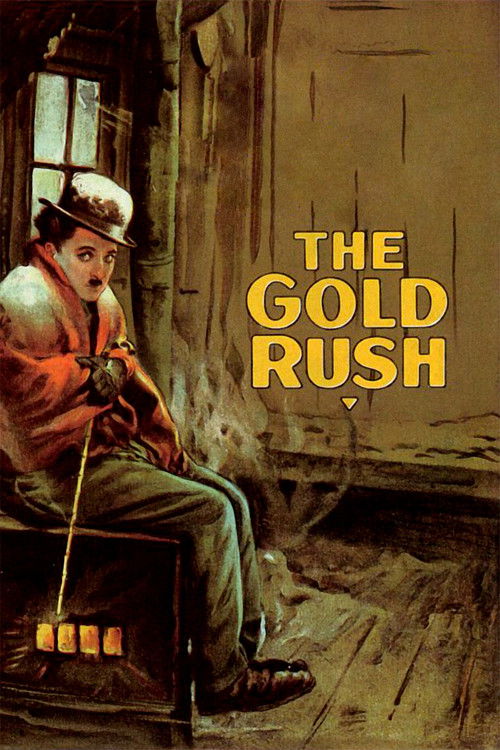
The Gold Rush1925
Both are films about outsiders trying to belong in a world that doesn't want them—the tramp and the king are the same figure, and both Chaplin films are really about exile and humiliation masquerading as comedy.
Chaplin's greatest silent film and possibly his most formally daring work. A prospector in the Yukon navigating hunger, desire, and delusion—it proves he was always making films about the displaced and dispossessed, not just joking around.
But Silent, extremely long, and the emotional weight can feel oppressive. Also, the 'dinner roll dance' is famous, but the film's relentless bleakness isn't what people remember, so it can disappoint.
More like this (8)
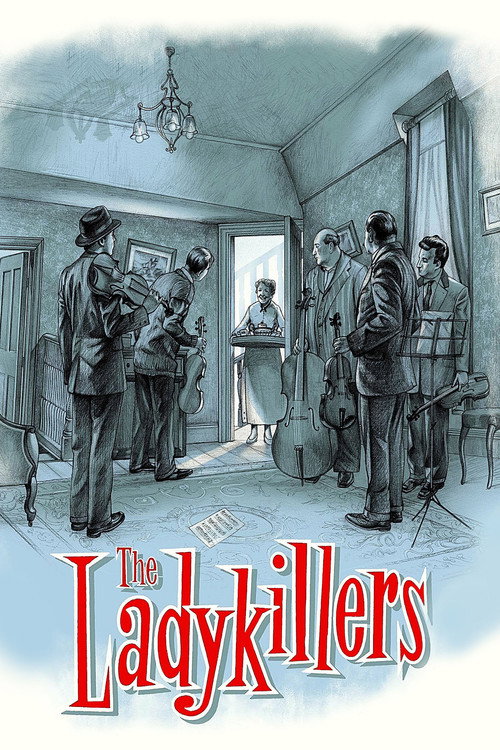
The Ladykillers1955
Ealing comedy about criminals posing as musicians in a boarding house, undone by an elderly landlady. Sharp, playful, and genuinely inventive—proof that comedy and social observation aren't opposed.
But British comedy timing requires patience; if you're expecting American punch-lines, you'll find the rhythms slow and the laughs sometimes whispered.
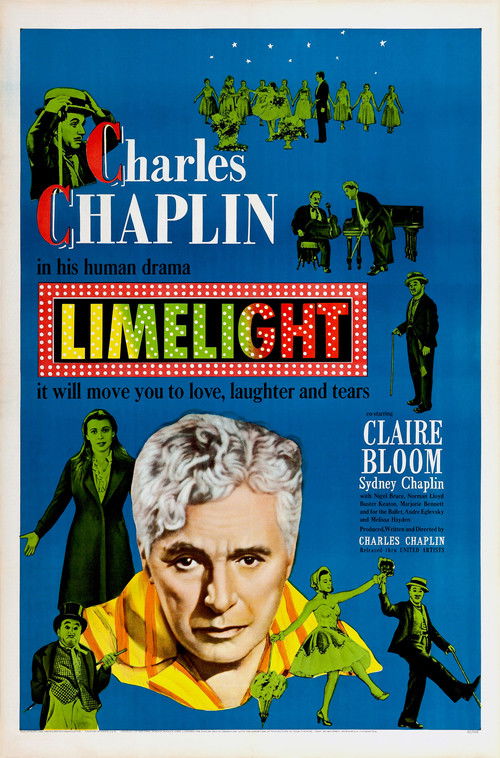
Limelight1952
Chaplin as an aging music-hall performer who mentors a young dancer. Sentimental and autobiographical, it's about artistic legacy and the terror of irrelevance—central to understanding why A King in New York matters.
But It's long, melancholy, and occasionally slips into bathos. The tonal shifts between comedy and pathos can feel jarring, especially in the second half.
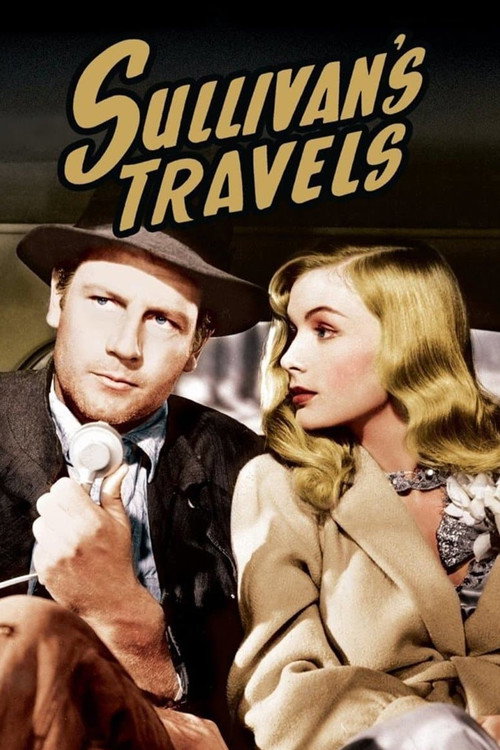
Sullivan's Travels1941
A Hollywood director abandons comedy to make socially conscious films, and learns that laughter is a form of grace. It's about art, purpose, and the politics of entertainment—everything A King in New York wrestles with.
But The tonal shifts are dramatic and intentional, which some find brilliant and others find tonally unstable and confusing.
Singin' in the Rain1952
A love letter to cinema wrapped in jubilant dancing and sharp satire about fame, ego, and the phoniness of stardom. It knows the business it's mocking and loves it anyway.
But Pure entertainment, which means if you're looking for something with teeth or darkness, it'll feel lightweight despite its intelligence.

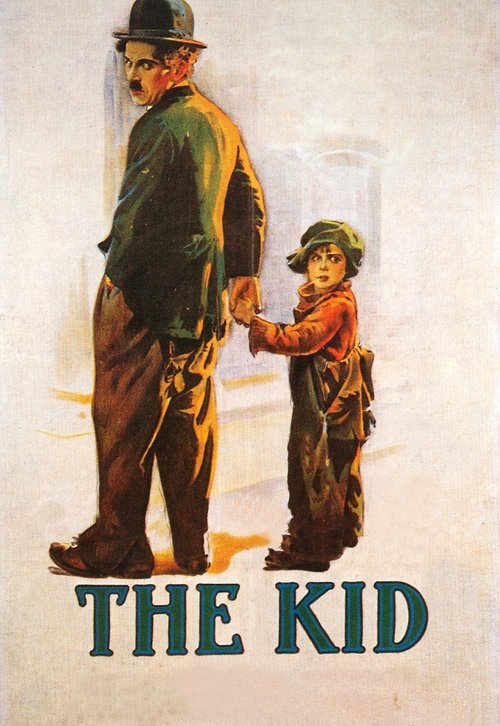
The Kid1921
Chaplin with a child actor, mining pathos and comedy from poverty and abandonment. His most emotionally direct silent film, and a template for everything he'd try to do with feeling.
But It's silent and extremely sentimental, which means modern audiences often find it overstated or slow—and the emotional manipulation is deliberate, not subtle.
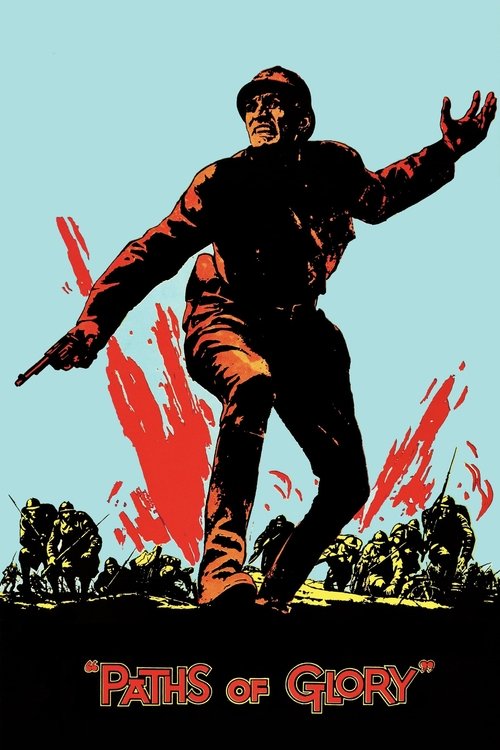
Paths of Glory1957
Kubrick's anti-war fury channelled through a courtroom drama about military injustice and the machinery of power. Made the same year as A King in New York, it shows another way to embed politics in cinema.
But It's bleak, didactic, and offers no consolation. The worldview is so dark that some find it exhausting rather than enlightening.
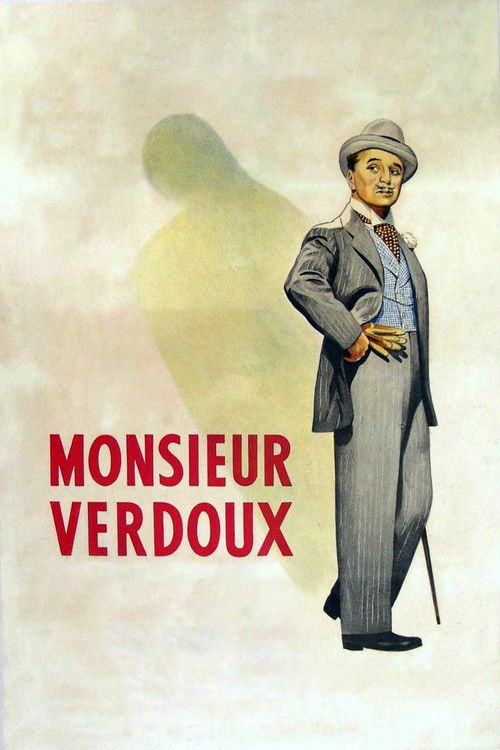
Monsieur Verdoux1947
Both films got Chaplin in serious political trouble with American authorities—this one was called communist propaganda, and both are Chaplin refusing to make safe art or apologize for his convictions.
Chaplin playing against type: a serial killer who murders for profit, sympathetic and urbane. It's savage satire about capitalism and morality, structured as a confession, and shockingly modern in its refusal to make crime entertaining.
But It's deeply misanthropic and surprisingly hard to watch. Chaplin plays a sociopath with charm, which is the point, but it makes for an ugly evening with no redemption or catharsis.
Rififi1955
Both are films made in the shadow of McCarthyism and Cold War paranoia—one American, one French—both wrestling with how art survives in a hostile political climate and what it means to work in exile from your home.
A French heist film with a twenty-minute sequence shot entirely without dialogue or music—pure visual storytelling. It's tense, elegant, and proves that cinema doesn't need sound to be alive, which is exactly what A King in New York is arguing against.
But The French postwar atmosphere is chilly and the film is more concerned with technique than character warmth. If you want emotional engagement, this is minimalist and austere.

People
Cast
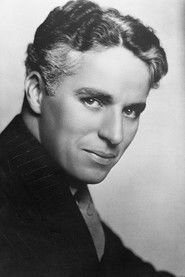 Charlie ChaplinKing Shahdov
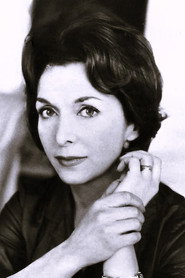 Maxine AudleyQueen Irene
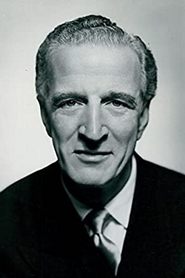 Jerry DesmondePrime Minister Voudel
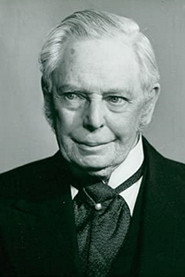 Oliver JohnstonAmbassador Jaume
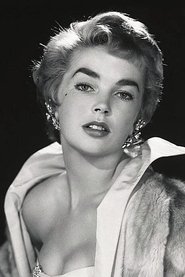 Dawn AddamsAnn Kay - TV Specialist
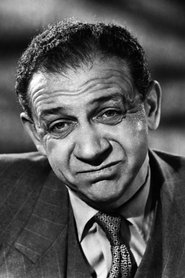 Sidney JamesJohnson - TV Advertiser
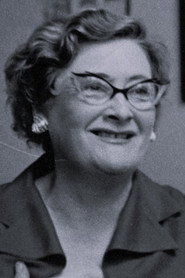 Joan IngramMona Cromwell - Hostess
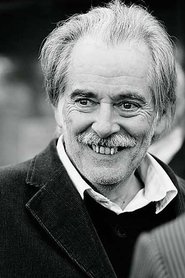 Michael ChaplinRupert Macabee
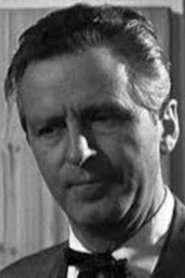 John McLarenMacabee Senior
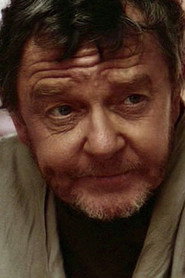 Phil BrownHeadmaster
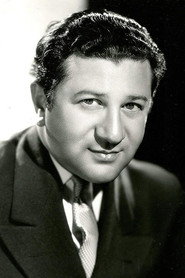 Harry GreenLawyer
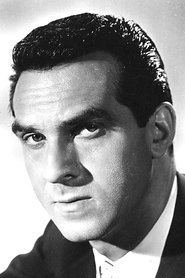 Robert ArdenLiftboy
Directing
- René DupontAssistant Director
- Barbara Cole Continuity
- Mavis LockContinuity
- Charlie ChaplinDirector
- Roy StevensSecond Assistant Director
- David TringhamThird Assistant Director
- Jim RoddanThird Assistant Director
Writing
- Charlie ChaplinWriter
Production
- Jerome EpsteinAssociate Producer
- John MerrickCasting
- Charlie ChaplinProducer
- A.B. RichardsProduction Accountant
- Eddie PikeProduction Manager
- Jean HamiltonProduction Secretary
- Jean WilliamsProduction Secretary
- Theo RichmondPublicist