
Film
Pack Up Your Troubles
- War action
- Light-hearted
A brisk 1939 wartime comedy where three American soldiers become unlikely escorts for a French girl carrying a secret message through enemy territory. It's lighter than it sounds—more screwball energy than suspense—and trades in the genial optimism of pre-war Hollywood. Made for audiences who wanted their war stories with a laugh and their heroism straightforward.
If you liked this
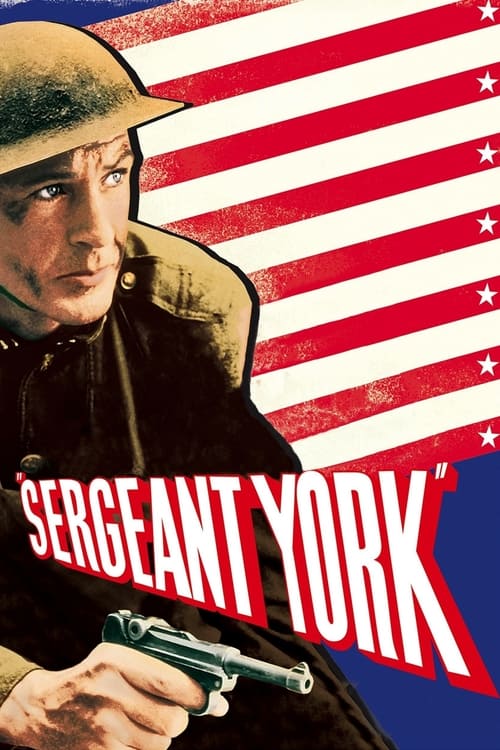
Sergeant York1941
Another wartime American hero story, but this one focuses on a real soldier's moral journey from conscientious objector to decorated fighter. Gary Cooper brings genuine weight to the role, and the film balances action with something approaching psychological depth.
But It's earnest and reverent in ways that feel dated now. If you want comedy alongside your war story, this plays it too straight.
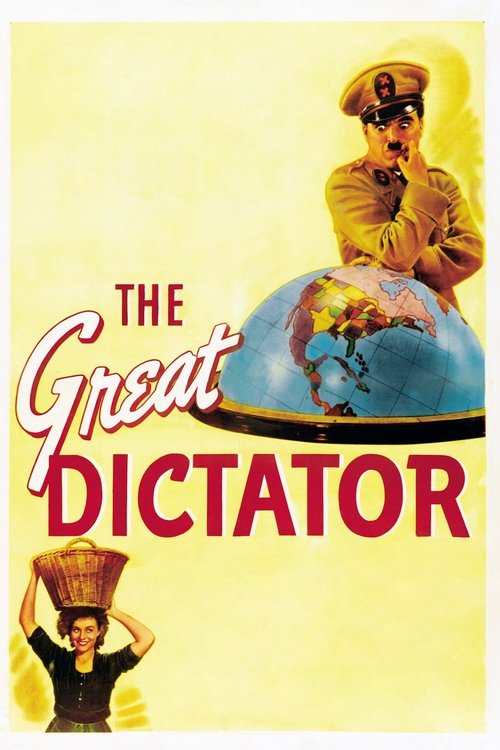
The Great Dictator1940
Chaplin's Hitler satire shares the same moment—1939–40—and the same impulse to mix comedy with wartime stakes. But it's far sharper, darker, and more politically pointed than Pack Up Your Troubles, and the tonal whiplash is the point.
But The famous speech at the end can feel heavy-handed if you're not in the mood for earnestness disguised as satire. Some of the slapstick hasn't aged gracefully either.
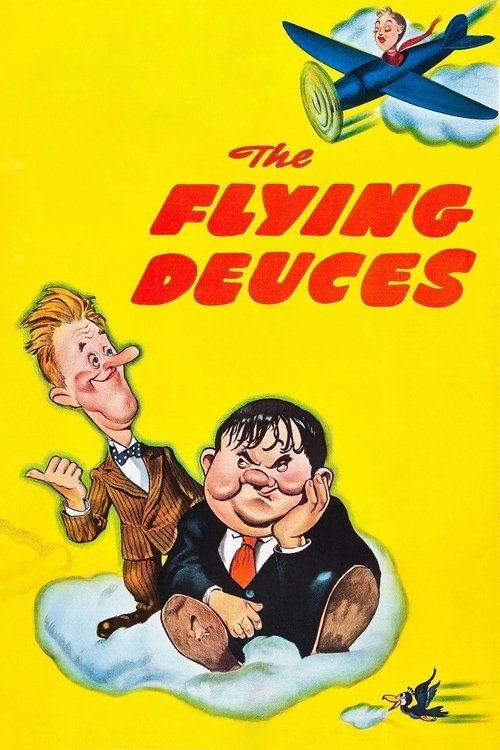
The Flying Deuces1939
Laurel and Hardy join the Foreign Legion in this rapid-fire comedy that's interested in gags first and plot second. It has the same breezy disregard for realism as Pack Up Your Troubles, but with far better comedians at the center.
But If you find slapstick repetitive or dated, this will feel like ninety minutes of the same joke. The Foreign Legion setting is barely more than window dressing.
Not sure tonight? Get a pick in a minute, starting from Pack Up Your Troubles
The wildcard
Something you would not have found on your own.
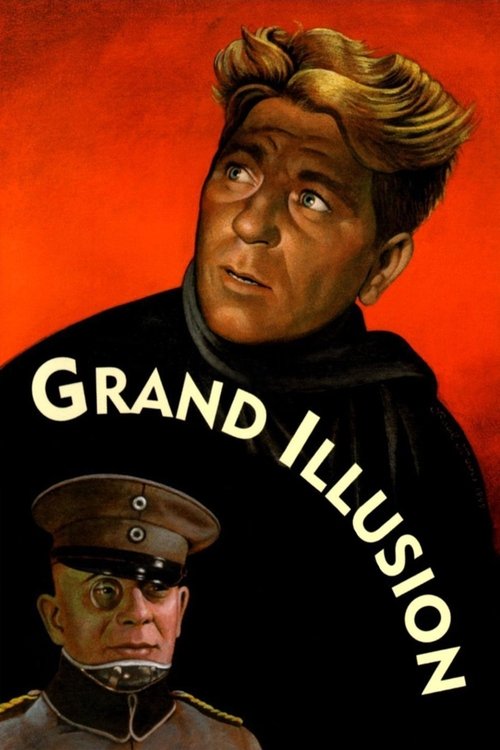
Grand Illusion1937
Both follow soldiers in wartime across enemy lines, but Renoir's film uses the premise to examine class, nationality, and the futility of boundaries drawn by men. It's the philosophical version of the same basic setup.
Jean Renoir's masterwork about French prisoners of war in a German camp—a cousin to Pack Up Your Troubles in setting, but a world away in ambition. It's funny, sad, and deeply humanizing about both captors and captives. Renoir sees war as tragedy, not adventure.
But It's in French with subtitles, slower than the American comedies, and its mood is genuinely melancholic. You have to sit with it rather than be entertained by it. No happy-go-lucky soldiers here.
More like this (8)
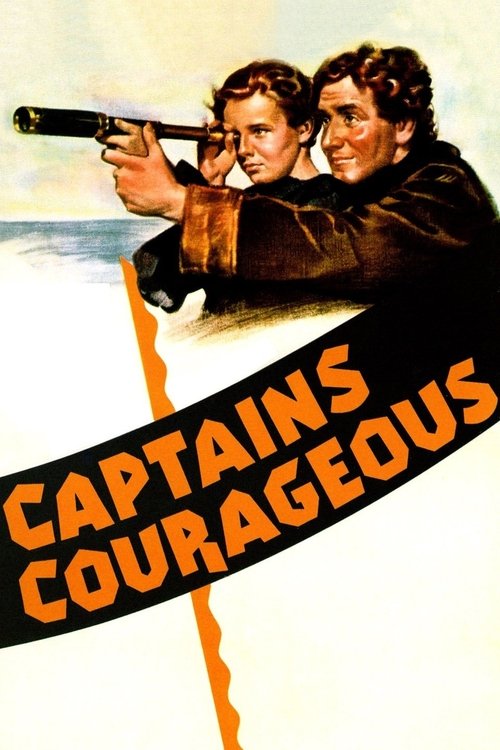
Captains Courageous1937
Spencer Tracy leads a maritime adventure about a spoiled boy learning to be a man through hardship and male mentorship. It has genuine emotional stakes and Tracy's warmth makes the didactic parts palatable. A more serious take on the coming-of-age-through-adversity theme.
But The preachy moral instruction is relentless. It can feel like a two-hour lesson from your father about character, which may bore you or irritate you depending on your patience for that register.
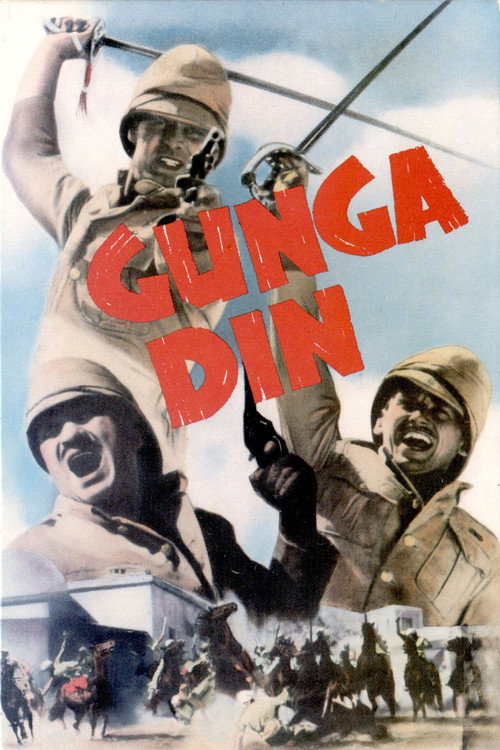
Gunga Din1939
Released the same year, this Cary Grant adventure is what Pack Up Your Troubles aspires to—rousing, funny, kinetic, with real stakes and better production values. The famous climactic siege is worth the ticket alone.
But It's deeply, uncomfortably colonial in its politics. Watching it now means watching white adventurers heroically rescue India from its own problems. That's a hard pill that no amount of charm can make go down smooth.
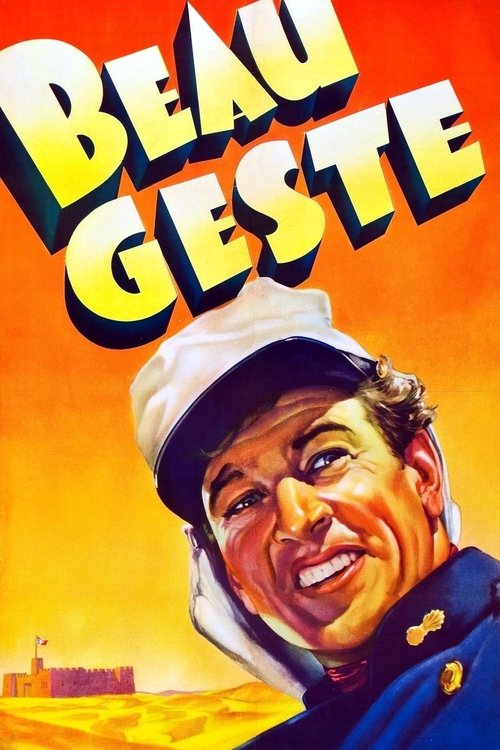
Beau Geste1939
Another adventure about soldiers and duty, but with Gary Cooper and Ray Milland adding charisma and the desert Foreign Legion as a richly atmospheric backdrop. It's melodramatic rather than comedic, which gives it a different flavor entirely.
But The plot relies on secrets and revelations that strain credibility even by 1939 standards. If you need realism or psychological consistency, this baroque setup will frustrate you.
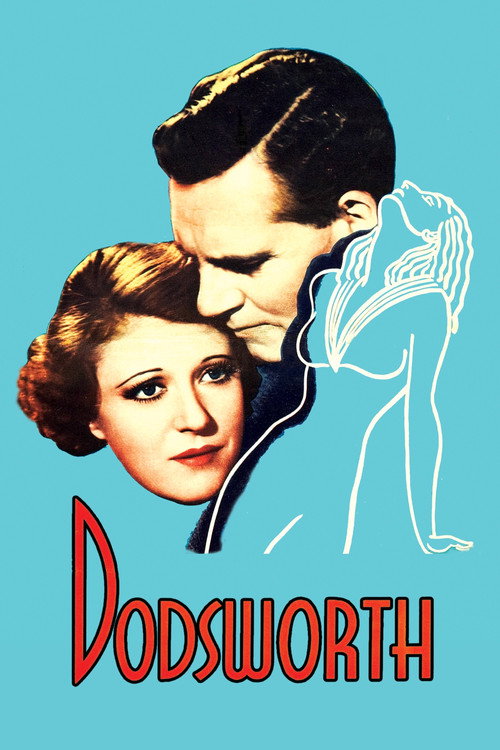
Dodsworth1936
Walter Huston and Ruth Chatterton navigate marriage and disillusionment across Europe with grace and complexity. It's mature in a way few 1930s films are, and it moves with purpose rather than relying on comic business to fill time.
But There's no comedy here at all. If you come expecting the screwball energy of Pack Up Your Troubles, you'll feel the tonal whiplash immediately. It's a serious, sometimes sad picture.
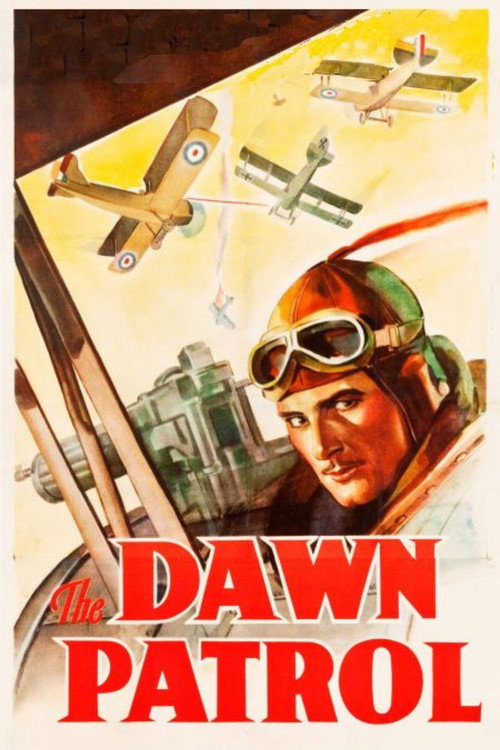
The Dawn Patrol1938
Errol Flynn and David Niven in a World War I flying squadron that explores the moral cost of command and sacrifice. The aerial sequences are genuinely impressive, and the emotional weight surprises you.
But The pacing drags in places. By modern standards it feels like a lot of melodrama between the action sequences, and some of the acting is as overwrought as the drama.
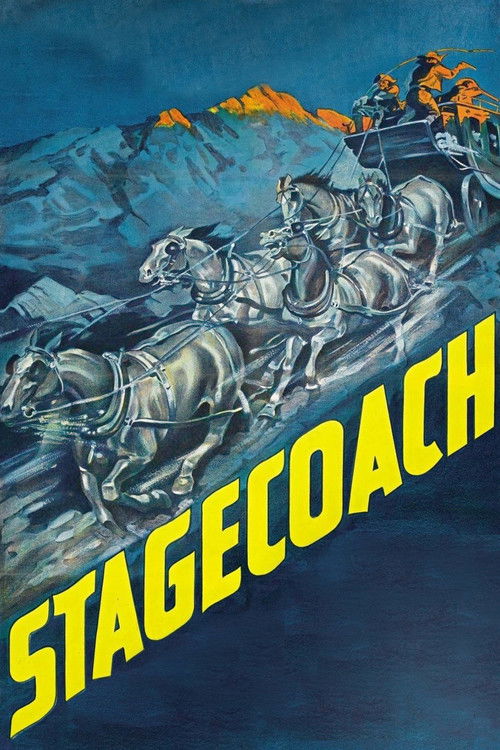
Stagecoach1939
John Ford's masterpiece takes an ensemble journey across dangerous territory and wrings everything from class, morality, and character collision. If you want a 1939 film that still moves and thinks, this is it.
But It's a Western, not a war story, so the genre shift might feel remote from Pack Up Your Troubles. Also, John Wayne's role is smaller than you'd expect, and some of the gender politics feel locked in amber.
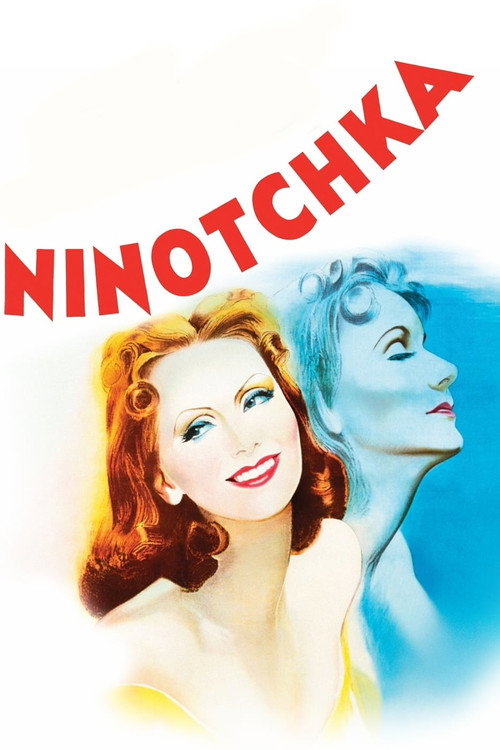
Ninotchka1939
Both are comedies from the same year with a political edge, both use a girl as the catalyst for action, and both assume optimism about American values as the baseline. But Ninotchka is far more sophisticated about the ideology underneath the jokes.
Greta Garbo laughs for the first time on screen in this Soviet-phobic but genuinely witty Cold War prequel about an ideological collision romance. It's a 1939 film that's interested in ideas alongside entertainment, and Garbo and Melvyn Douglas have perfect chemistry.
But The anti-Soviet propaganda is blunt and period-specific in ways that can feel silly. Also, the premise—rigid female Communist undone by capitalist romance—skews in uncomfortable directions if you're sensitive to that.
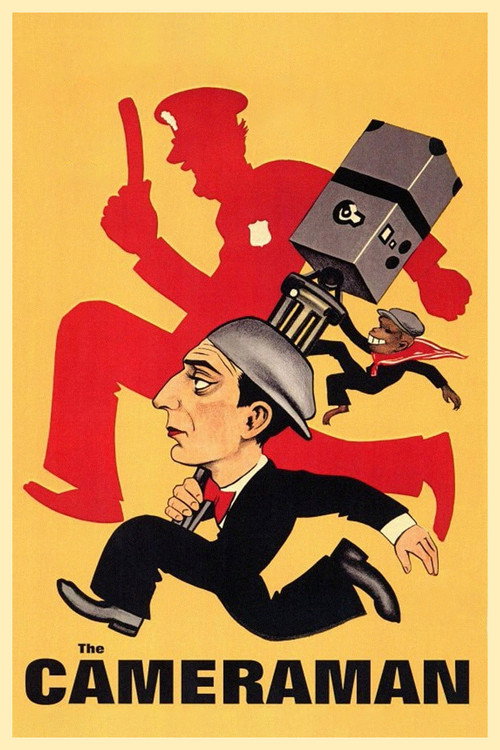
The Cameraman1928
Both use war or danger as the backdrop for a story about ordinary men proving their worth through loyalty and bravery. Keaton's version does it with almost no dialogue, where Pack Up Your Troubles relies on wisecracks. It's the same emotional core in a completely different register.
Buster Keaton's silent comedy about an ordinary man trying to prove himself worthy through bravery and ingenuity—the emotional DNA of Pack Up Your Troubles but executed by a genius of physical comedy. It's shorter, funnier, and more elegantly constructed than most 1930s sound comedies.
But It's silent film from 1928, which means you're committing to a different language entirely. If you need dialogue and sound design to engage, this will feel distant and old. Some gags feel mechanical now.
People
Cast
 Jane WithersColette
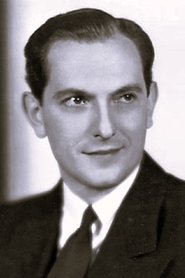 Joseph SchildkrautHugo Ludwig
 Lynn BariYvonne
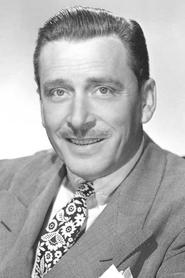 Leon AmesAdjutant
 Fritz LeiberPierre Ferrand
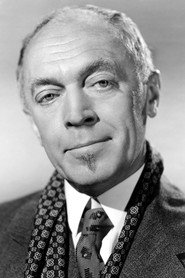 Lionel RoyceGeneral
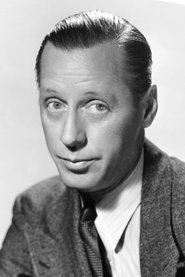 Irving BaconSoldier
 William BenedictOffice Boy
 Billy BevanBritish Sergeant
 Stanley FieldsSgt. Walker
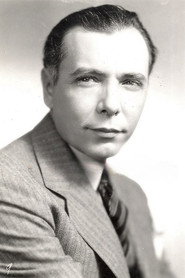 Georges RenaventCol. Giraud
Directing
- H. Bruce HumberstoneDirector
Writing
- Sidney ClareLyricist
- Lou BreslowWriter
- Owen FrancisWriter