
Film
The Flying Deuces
Laurel and Hardy join the French Foreign Legion to escape romantic heartbreak, leading to slapstick chaos in military barracks and a climactic airplane escape. It's pure physical comedy with almost no plot—a vehicle for the duo's impeccable timing and their ability to turn everything into disaster. Perfect if you want to see two brilliant comedians demolish a military setting.
If you liked this
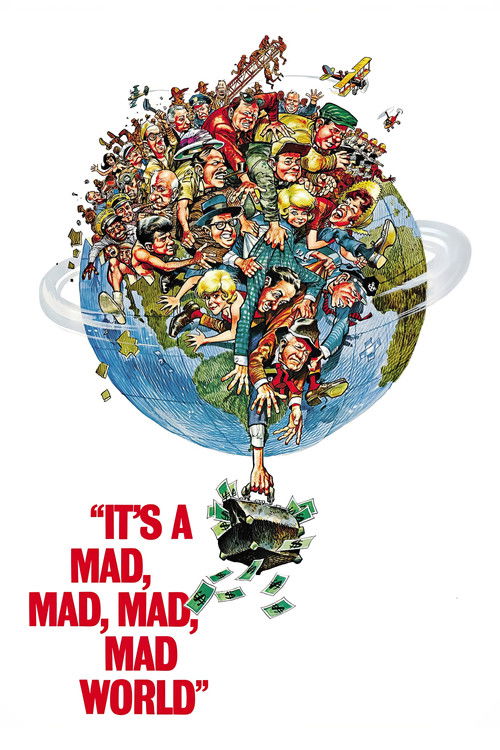
It's a Mad, Mad, Mad, Mad World1963
An ensemble disaster comedy where every frame is choreographed chaos. The stunts and slapstick are genuinely innovative, and it's joyously committed to the bit across nearly three hours without slowing down.
But The sheer manic energy exhausts some viewers. It's relentless, sometimes gratuitously so, and the plot is tissue-thin.
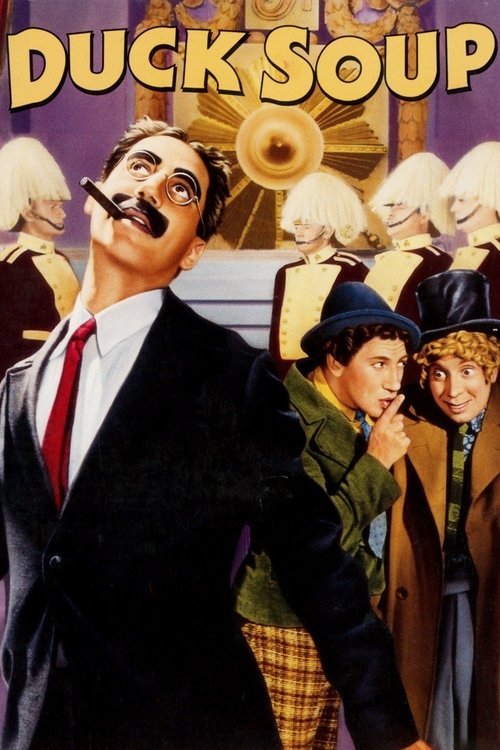
Duck Soup1933
The Marx Brothers at peak absurdity, tearing through the plot of a war declaration with anarchic genius. Fast, funny, and genuinely inventive in ways that influenced everything after.
But The humour is very broad and very dated. If you don't connect with their specific style of nonsense, it can feel exhausting rather than liberating.
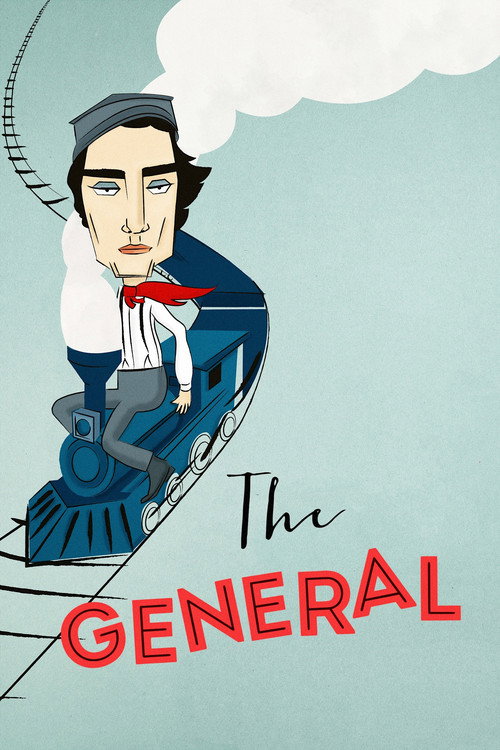
The General1926
Buster Keaton performing impossible physical feats during the American Civil War with a deadpan expression. A masterpiece of silent comedy that proves the best gags need no dialogue.
But Silent film requires patience and adjustment. The Civil War setting occasionally pulls focus from the comedy.
Not sure tonight? Get a pick in a minute, starting from The Flying Deuces
The wildcard
Something you would not have found on your own.
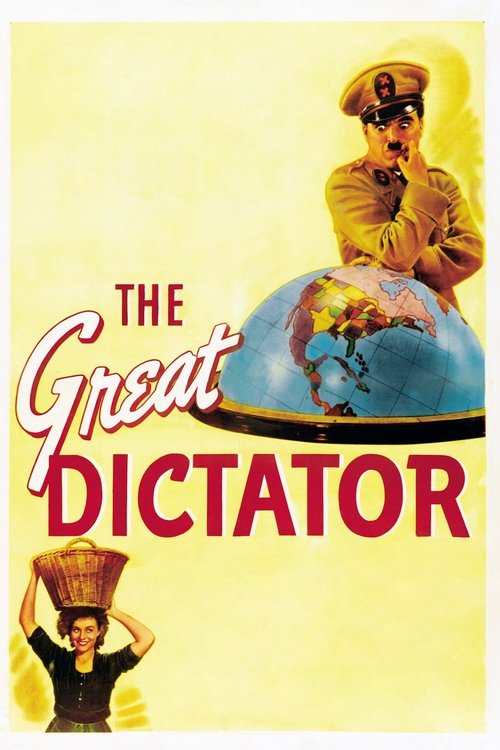
The Great Dictator1940
Both use farce and physical comedy to comment on authoritarian structures and the absurdity of institutions that demand blind obedience. Both feature characters trying to survive systems that have nothing to do with their humanity.
Chaplin as a tyrannical dictator plays it completely straight while everything collapses around him—the emotional climax is one of cinema's most powerful moments. It shows how close comedy and tragedy actually are.
But It's Chaplin's most political and least funny film. The speech at the end divides viewers—some find it essential, others find it preachy.
More like this (8)
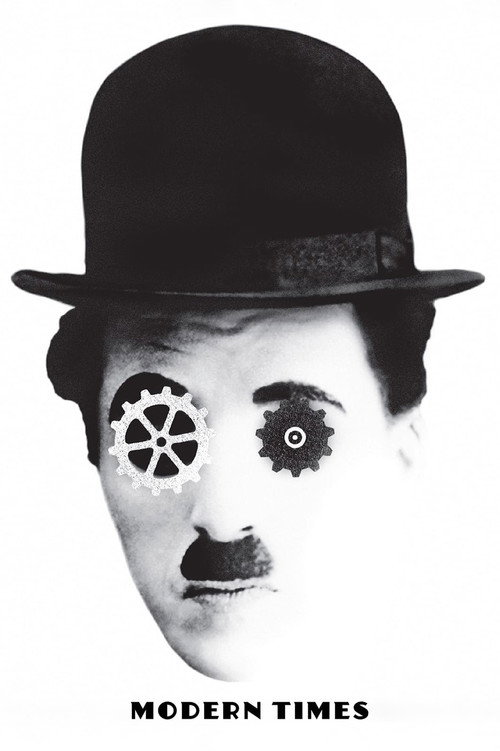
Modern Times1936
Chaplin navigates industrial chaos and social upheaval with both heartfelt vulnerability and brilliant slapstick. Comedy that's genuinely moving without losing its edge.
But It's more sentimental than pure comedy, and some viewers find the ending manipulative. The factory scenes are repetitive.
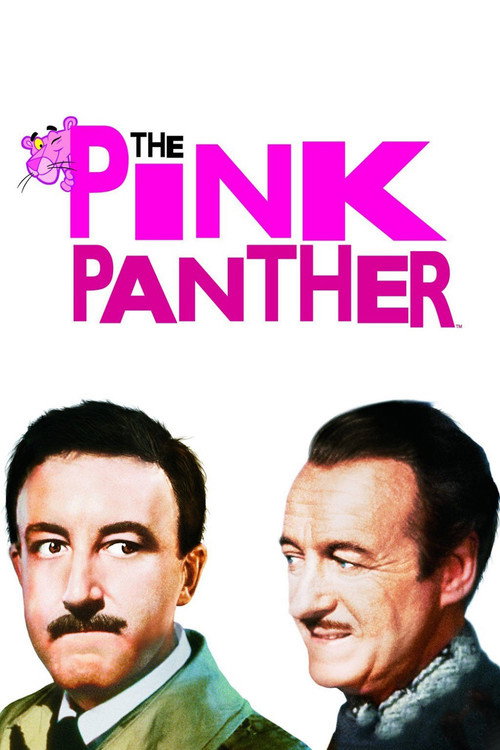
The Pink Panther1963
Sellers as an incompetent detective is an acting masterclass in physical comedy. Highly quotable, endlessly rewatchable, and genuinely clever underneath the chaos.
But Some of the humour relies on dated gender stereotypes. The plot meanders badly in places.
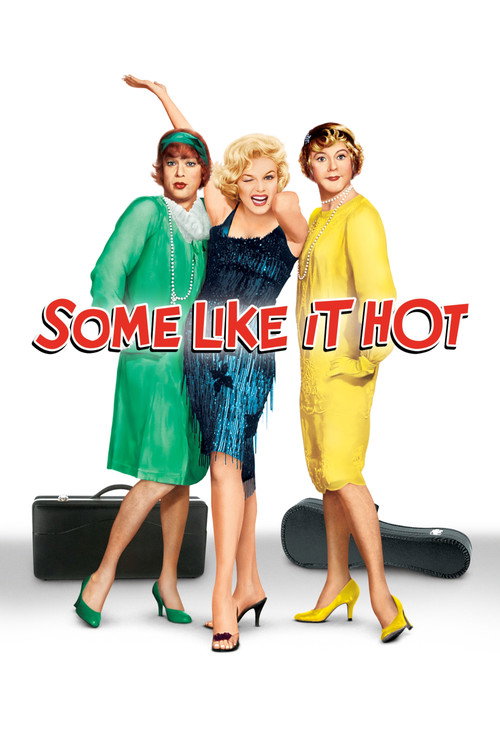
Some Like It Hot1959
Two men on the run disguise themselves as women in an orchestra. Perfectly timed dialogue meets impeccable physical comedy, with actual heart underneath the farce.
But The cross-dressing humour feels safer and more sanitized than genuine gender comedy. The ending is sometimes criticized as rushed.
Singin' in the Rain1952
A film that understands that comedy can live inside gorgeous, precisely choreographed musical numbers. The physical humour is inventive without disrupting the dance.
But If you're not tuned into musicals, the long musical sequences can feel indulgent. The plot is thin.

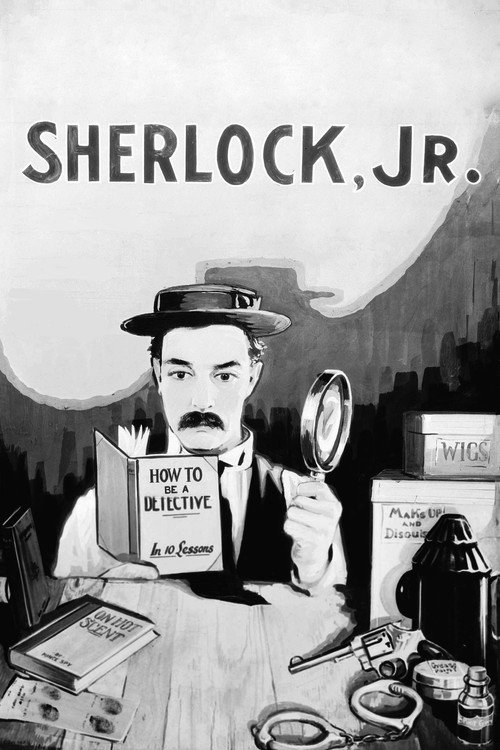
Sherlock Jr.1924
Keaton's dream-within-the-film structure allows for jaw-dropping physical comedy gags. Genuinely inventive in its use of cinema itself as part of the joke.
But Silent film again—requires adjustment. The setup to reach the dream sequence takes patience.
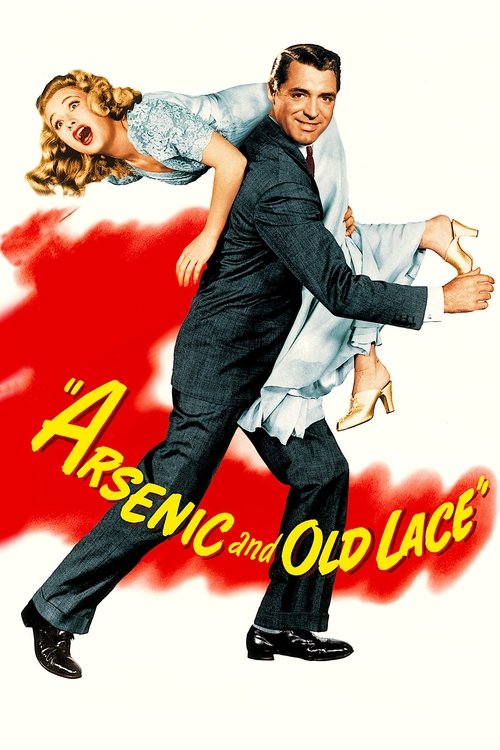
Arsenic and Old Lace1944
Cary Grant unravels in a house full of murderous aunts and a certifiable brother. The ensemble timing is snappy and the premise is genuinely macabre underneath the chaos.
But The pacing lurches; Grant's hysteria overwhelms some scenes. The black comedy doesn't always land with modern sensibilities.
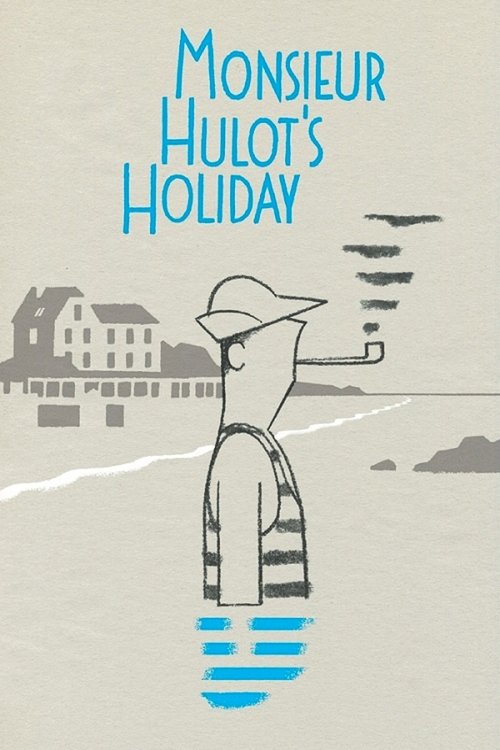
Monsieur Hulot's Holiday1953
Like Laurel and Hardy, Tati trusts physicality and visual composition over dialogue or plot. Both films are structured around a lovable bumbler creating chaos in institutions; both films make us care about the absurdity itself.
A French comedy almost entirely without dialogue—Tati's Hulot stumbles through a seaside resort, and the entire film is about observing human behavior. Visually precise, endlessly inventive, deeply humane.
But The pacing is glacial and contemplative rather than frantic. If you need jokes spelled out, this will frustrate you. It's more wry observation than conventional comedy.
Come and See1985
The Flying Deuces treats the Foreign Legion as the subject of slapstick chaos—men's institutions are absurd. Come and See treats war as humanity's most absurd institution, and uses disorientation and scale to show that absurdity is not funny when people die.
A Soviet film following a boy through WWII that starts as adventure and becomes a descent into genuine horror. It uses comedy's tonal cousin—the grotesque absurd—to show how utterly senseless war is.
But This is brutal, traumatic, genuinely difficult to watch. It is absolutely not light entertainment. Scenes of violence are graphic and the film's compassion makes it more, not less, difficult.

People
Cast
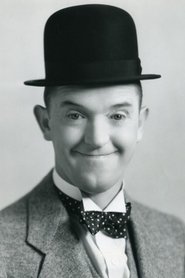 Stan LaurelStan
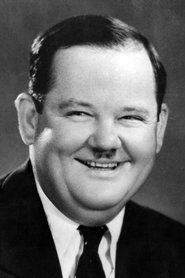 Oliver HardyOllie
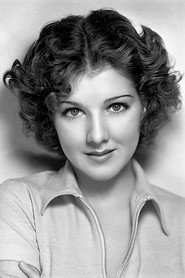 Jean ParkerGeorgette
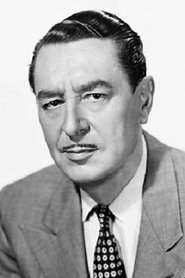 Reginald GardinerFrancois
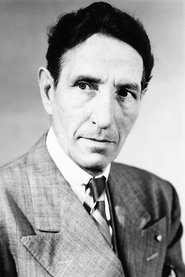 Charles MiddletonCommandant
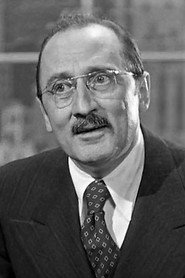 Jean Del ValSergeant
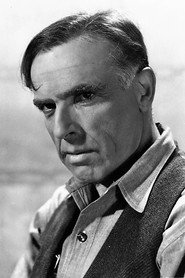 Crane WhitleyCorporal
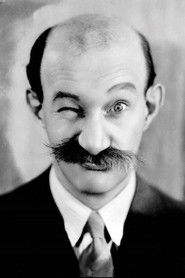 James FinlaysonJailor
 Monica BannisterGeorgette's Girl Friend
 Bonnie BannonGeorgette's Girl Friend
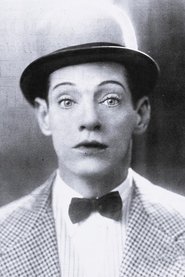 Eddie BordenLegionnaire
- Christine CabanneGeorgette's Girl Friend
Directing
- Robert StillmanAssistant Director
- A. Edward SutherlandDirector
Writing
- Charley RogersScreenplay
- Fred SchillerScreenplay
- Harry LangdonScreenplay
- Ralph SpenceScreenplay
Production
- Boris MorrosProducer
- Rudolph MatéProduction Assistant
- Joseph H. NadelProduction Manager
Recommended by
The Gorilla, Way Out West, The Wistful Widow of Wagon Gap, Ride 'Em Cowboy, Lost in Alaska, Pack Up Your Troubles, Sailor Beware