
Film
In Old Chicago
A 1938 historical drama about two Irish brothers clawing their way up Chicago's corrupt ladder before everything burns. Tyrone Power swaggers through it with genuine charisma, and the fire sequence—genuinely impressive for the era—justifies the ticket price. It's romantic melodrama dressed in period clothes, energetic and a little pulpy, made for anyone who likes their history with passion and star power.
If you liked this
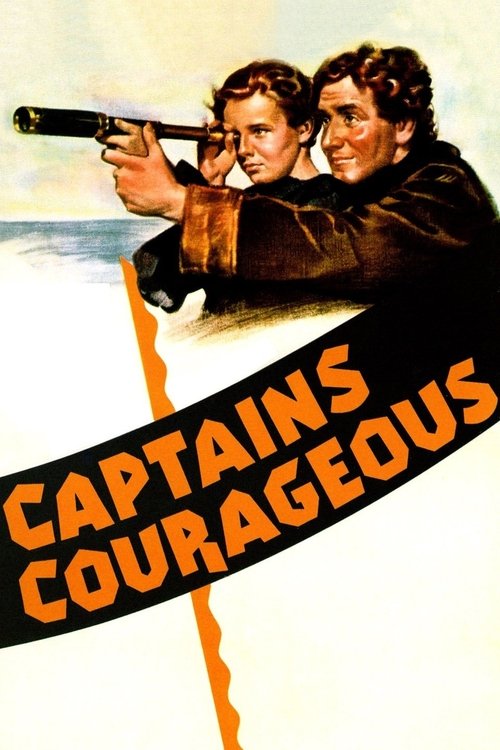
Captains Courageous1937
Released the same year, another prestige drama with Tyrone Power and Don Ameche exploring class and brotherhood at sea. If you loved Power's energy here, this shows him in a completely different register—and he's equally good.
But Slower paced and more introspective than *In Old Chicago*. The nautical setting won't appeal if you prefer cities to ships.
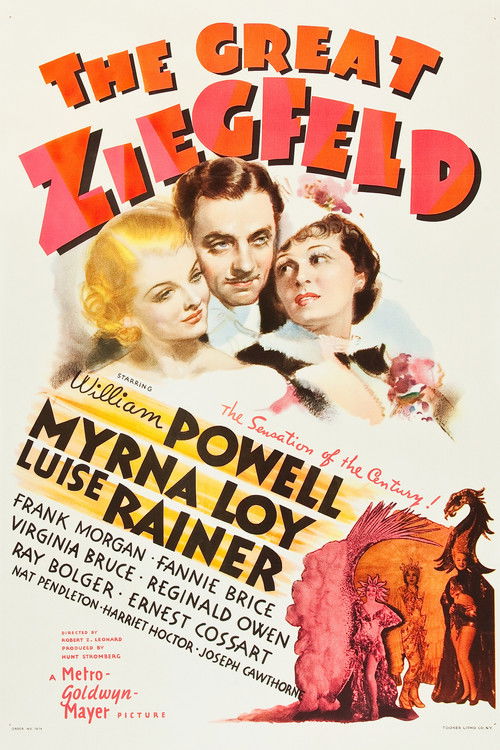
The Great Ziegfeld1936
Another lavish 1930s drama about ambition, rivalry, and spectacle in old America. It has that same sweeping historical canvas, the same earnest belief in glamour and destiny, and genuinely stunning production design.
But Over three hours and episodic in structure. The Ziegfeld Follies sequences, while gorgeous, can feel like padding if you're not invested in early vaudeville history.
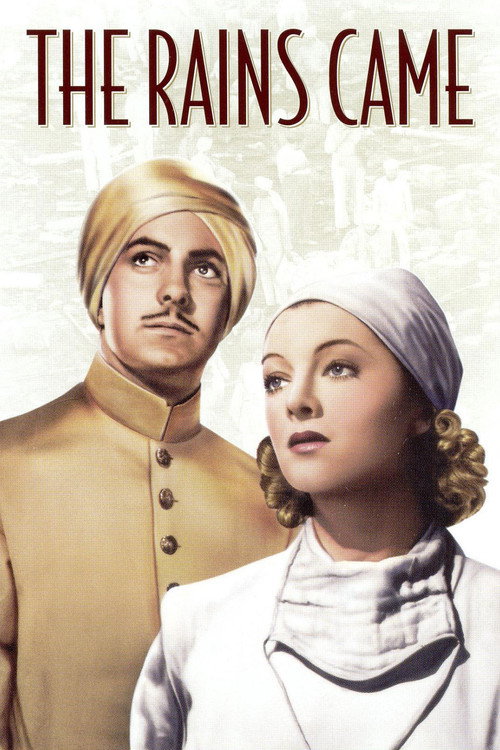
The Rains Came1939
Tyrone Power again, this time caught between duty and desire as a city faces natural catastrophe. The disaster sequence rivals Chicago's fire, and the emotional stakes feel earned rather than imposed.
But The pacing drags badly in the middle act. The melodrama occasionally tips into unintentional comedy.
Not sure tonight? Get a pick in a minute, starting from In Old Chicago
The wildcard
Something you would not have found on your own.
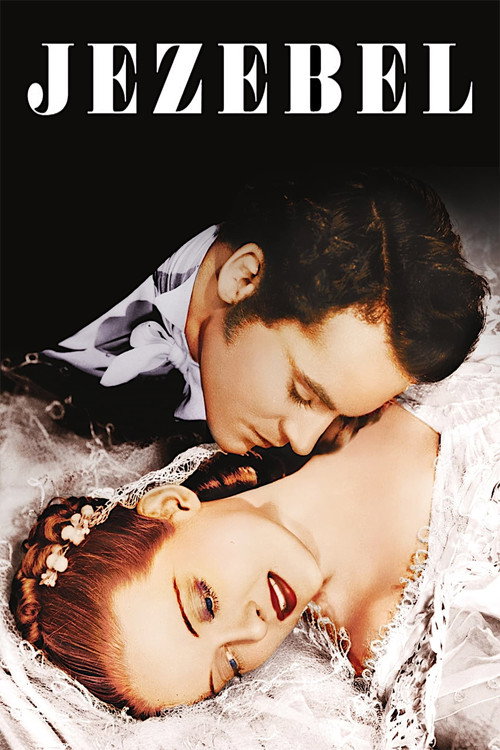
Jezebel1938
Both are 1938 prestige dramas about ambitious people in doomed societies, but *Jezebel* is its cynical inverse—where *In Old Chicago* believes in heroism and redemption, *Jezebel* knows better.
Made the same year, this Bette Davis vehicle is also about ambition, rivalry, and a society on the eve of catastrophe—but it's told from a woman's perspective and with acid rather than sentimentality. Davis is magnificent and dangerous.
But Slower burn than *In Old Chicago* and more interested in psychological damage than spectacle. The racial attitudes are deeply uncomfortable by modern standards.
More like this (7)
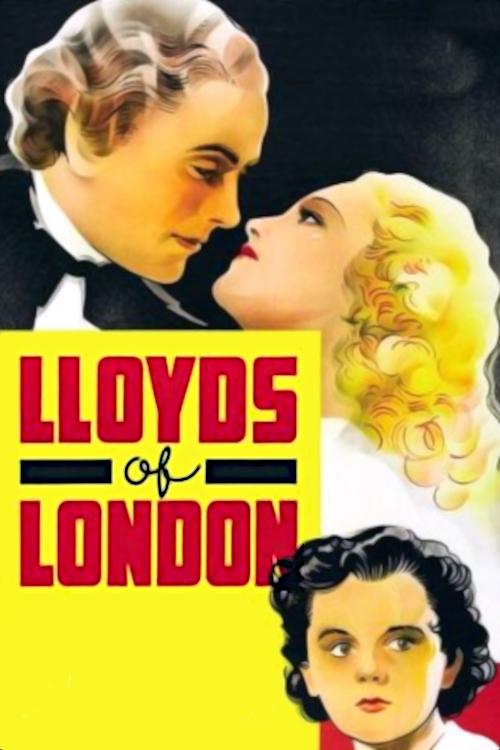
Lloyd's of London1936
Tyrone Power yet again—he was everywhere in the '30s—in a rousing historical drama about ambition and insurance. It has that same energetic sweep and the same faith that history is inherently dramatic.
But More quaint than gripping. The plot mechanics creak, and the romance overshadows the historical detail some viewers come for.
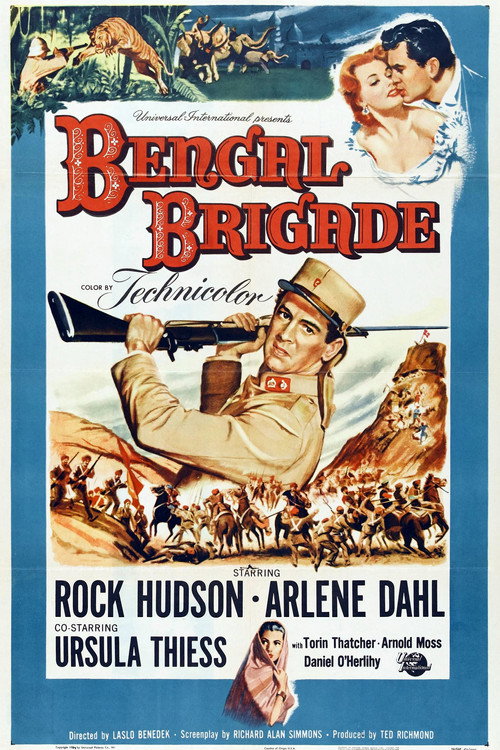
Bengal Brigade1954
A later film with similar DNA: colonial ambition, brothers on opposite sides of duty, and genuine action sequences that feel costly. It's the kind of picture that believed in itself completely.
But Dated in its attitudes toward colonialism and race. The pacing is choppy and the dialogue occasionally groans.
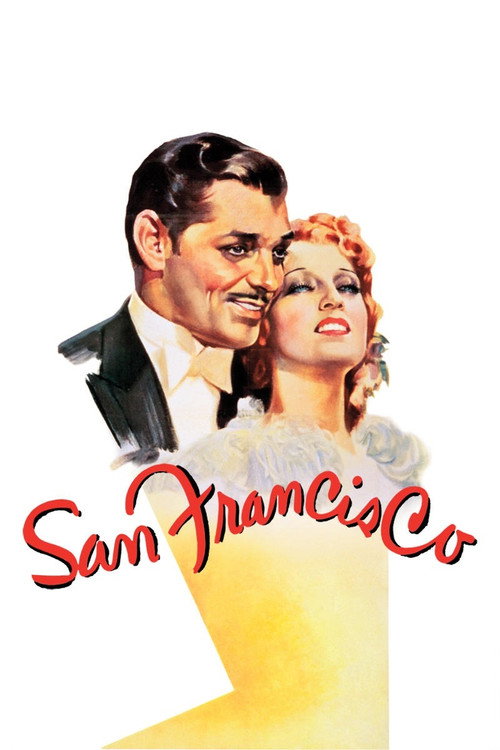
San Francisco1936
Clark Gable and Spencer Tracy in a disaster film about the earthquake and rebuilding. It has that same faith in American grit and spectacle, and Tracy is quietly powerful in a way that complements the bombast.
But Heavy-handed about morality and redemption. The special effects, while ambitious, show their age in ways that distract.
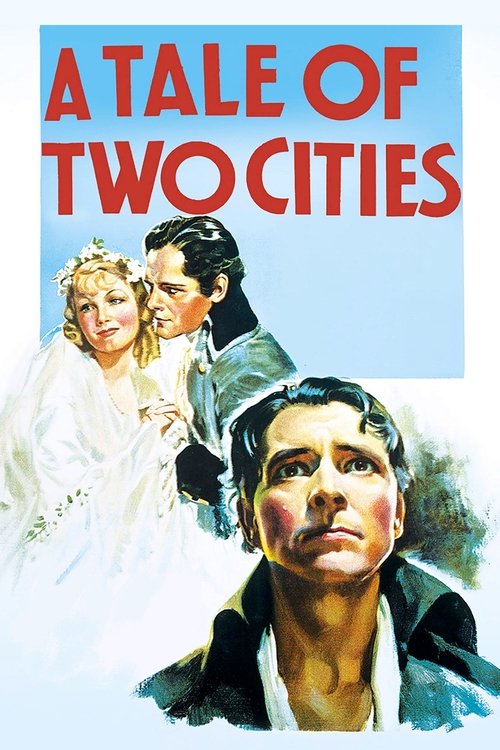
A Tale of Two Cities1935
Another prestige historical drama from the era, with Ronald Colman as a man caught between love and honor during the Revolution. It has that same epic ambition and theatrical earnestness.
But Very talky and static for long stretches. The French Revolution can feel like set dressing rather than lived history.
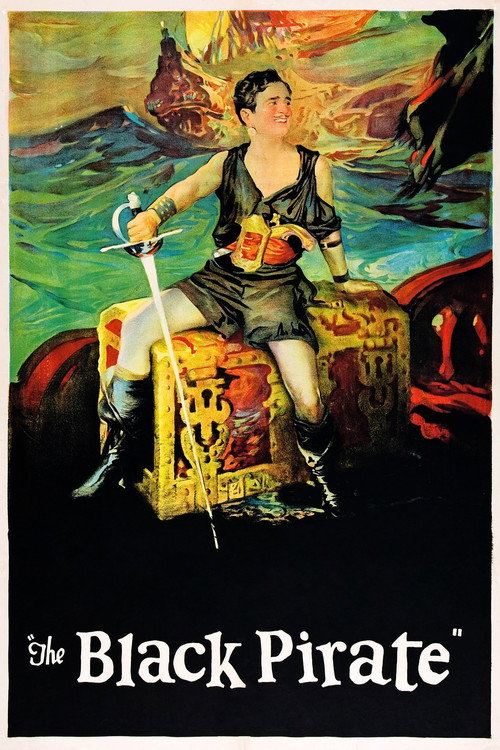
The Black Pirate1926
Douglas Fairbanks in a silent adventure about a man infiltrating a pirate crew. The action is genuinely inventive and the energy is infectious—it's the great-grandfather of everything *In Old Chicago* does.
But Silent filmmaking is a different language entirely. If you need dialogue to stay engaged, this will feel remote and slow.
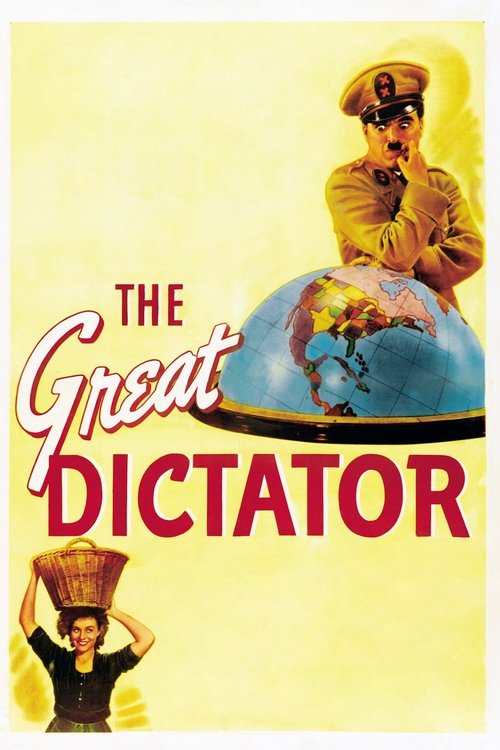
The Great Dictator1940
Both films use historical catastrophe as backdrop, but where *In Old Chicago* finds drama in personal ambition, *The Great Dictator* finds it in ideology and conscience. One is intimate; one is historical reckoning.
Chaplin's first talkie uses the same historical canvas—totalitarianism rising, a city trembling—but transforms it into something savage and moral. The final speech haunts you; the slapstick beforehand makes you trust the sentiment.
But The tonal whiplash is extreme. The political messaging is direct to the point of preachiness. It can feel like two different films bolted together.
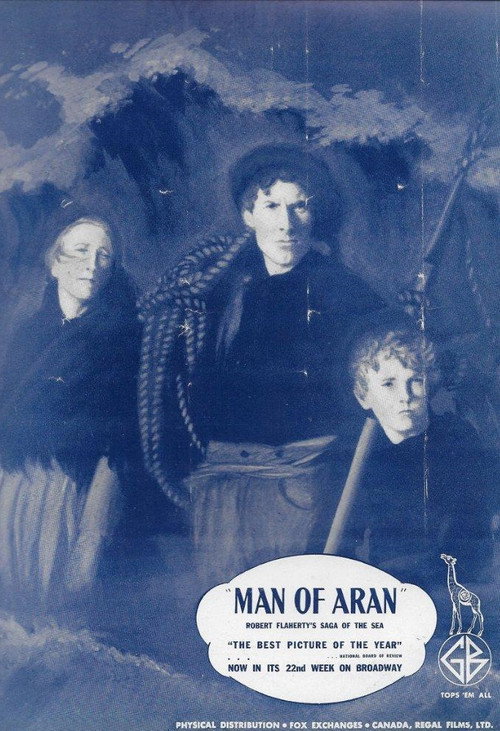
Man of Aran1934
Both celebrate Irish resilience and ambition, but *Man of Aran* is all restraint where *In Old Chicago* is all melodrama. They're studying the same character from opposite ends of the telescope.
A documentary-fiction hybrid about survival on the Irish coast. No plot, no stars, just human beings and nature in conversation. It's hypnotic, beautiful, and made by Robert Flaherty with the same faith in epic struggle that Power brought to *In Old Chicago*.
But Glacially paced, no conventional narrative, and deliberately artificial—Flaherty staged it all. If you need plot or dialogue, this will feel like watching paint dry.
People
Cast
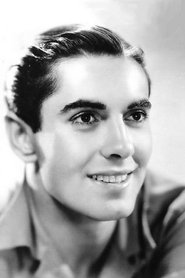 Tyrone PowerDion O'Leary
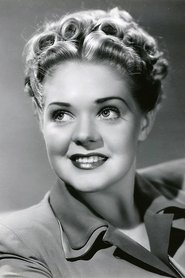 Alice FayeBelle Fawcett
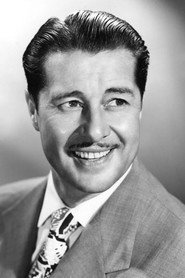 Don AmecheJack O'Leary
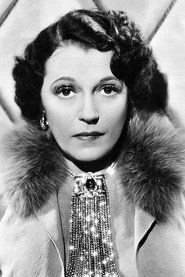 Alice BradyMolly O'Leary
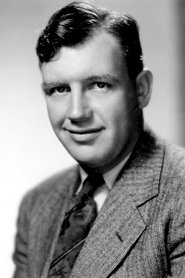 Andy DevinePickle Bixby
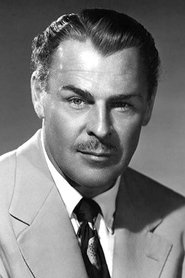 Brian DonlevyGil Warren
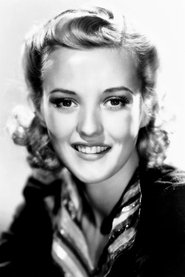 Phyllis BrooksAnn Colby
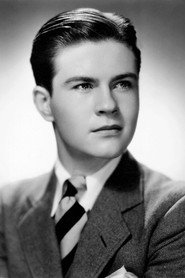 Tom BrownBob O'Leary
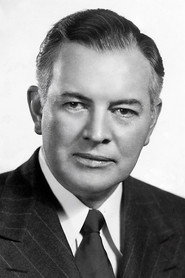 Sidney BlackmerGeneral Phil Sheridan
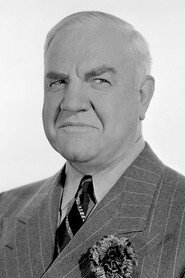 Berton ChurchillSenator Colby
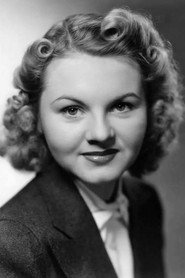 June StoreyGretchen
- Paul HurstMitch
Directing
- Robert D. WebbAssistant Director
- Henry KingDirector
Writing
- Lamar TrottiScreenplay
- Sonya LevienScreenplay
- Niven BuschStory
Production
- Kenneth MacgowanAssociate Producer
- Darryl F. ZanuckProducer
- Booth McCrackenUnit Manager
Recommended by
The Prince and the Pauper, San Francisco, Andy Hardy Gets Spring Fever, The Bowery