
Film
The Bowery
A 1933 comedy-drama about rivalry and redemption on New York's infamous Bowery in the 1890s. Wallace Beery and George Raft spar as men from opposite sides of the street, all strutting, wisecracks, and sudden tenderness. It's vaudeville energy and period charm—a film that loves its scoundrels and knows that toughness often hides a heart.
If you liked this
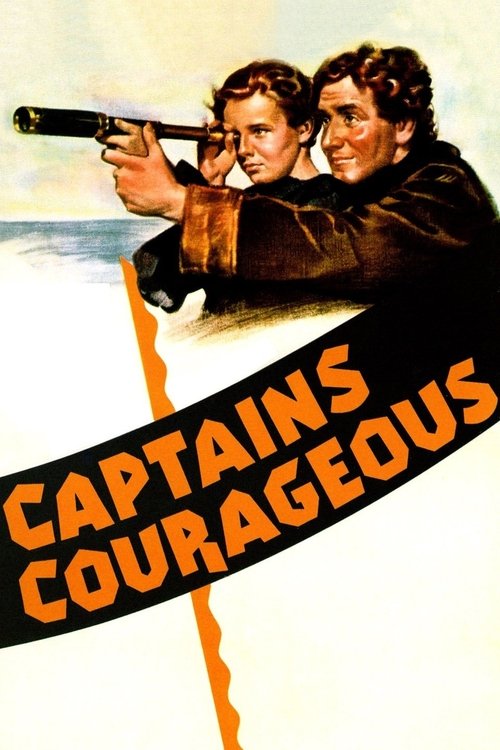
Captains Courageous1937
Spencer Tracy and Freddie Bartholomew in a robust adventure about a spoiled boy learning manhood from a salty fisherman. The same mix of rough warmth and earned grace, with Tracy doing his best work.
But It's sentimental, and the class-lesson stuff can feel didactic if you're watching with a modern eye.
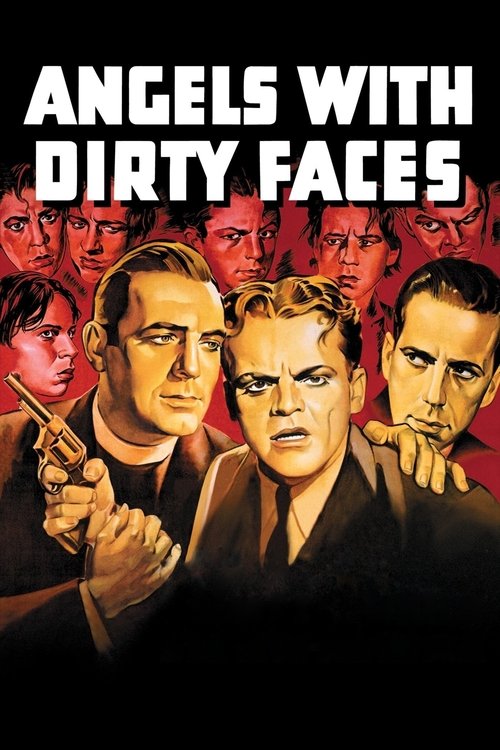
Angels with Dirty Faces1938
Cagney and Bogart as childhood friends on opposite sides of the law, set in a working-class neighborhood. Faster, tighter, and just as warm—this is what the Bowery formula became in the hands of a master director.
But The ending pivots toward sentiment in a way some find manipulative.
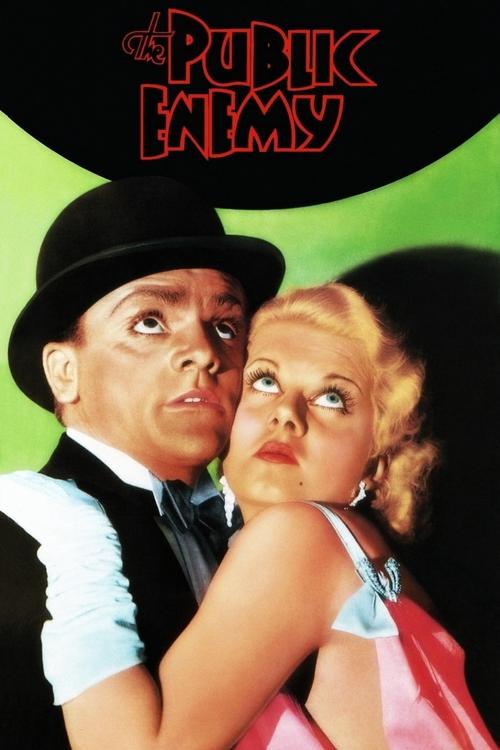
The Public Enemy1931
Cagney's first major role as a Prohibition-era gangster. Rawer and meaner than The Bowery, but the same fascination with how decent boys become hard men in hard places.
But It's genuinely brutal for 1931—and even now, the casual violence toward women will stick in your throat.
Not sure tonight? Get a pick in a minute, starting from The Bowery
The wildcard
Something you would not have found on your own.
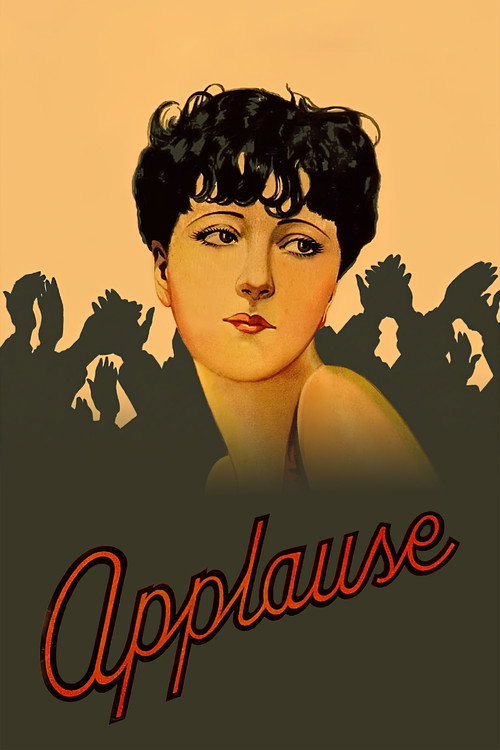
Applause1929
Both films love the texture of disreputable neighborhoods and treat performers with genuine dignity; both are fascinated by people who have nothing but show business and each other.
Rouben Mamoulian's masterpiece about a fading vaudeville star and her daughter, set in backstage and Bowery lodgings. It has The Bowery's milieu and its show-people warmth, but Mamoulian's camera moves like he invented cinema itself.
But It's a talkie from 1929—the sound recording is harsh and the pacing unfamiliar. You have to adjust your ear.
More like this (8)
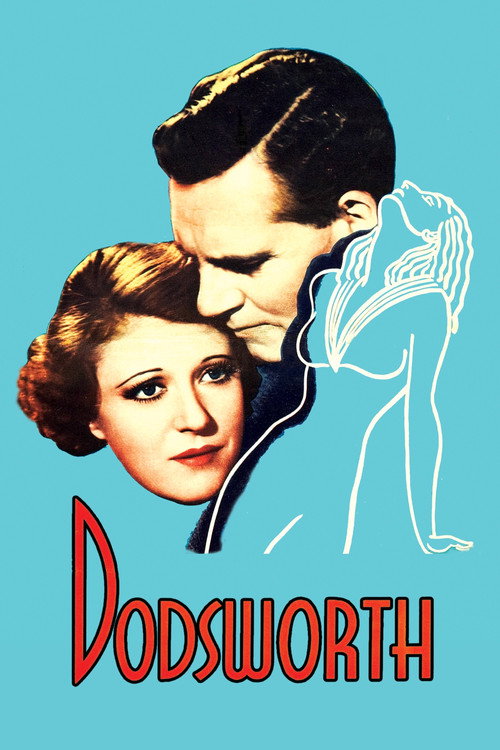
Dodsworth1936
Walter Huston as a self-made man learning who he is when success stops mattering. Slower and more internal than The Bowery, but the same story of a tough exterior hiding a searching soul.
But It's a talky, adult drama. If you want plot momentum, you'll find it glacial.
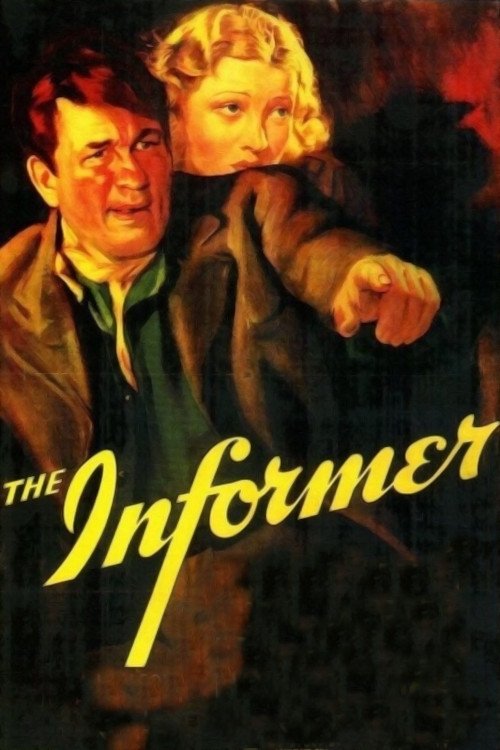
The Informer1935
Victor McLaglen in a Dublin slum, betraying a friend for money, then drowning in guilt. Ford's expressionist direction turns a neighborhood story into something almost mythic and unbearably sad.
But The Irish-American stereotypes are thick, and the self-pity can wear you down.
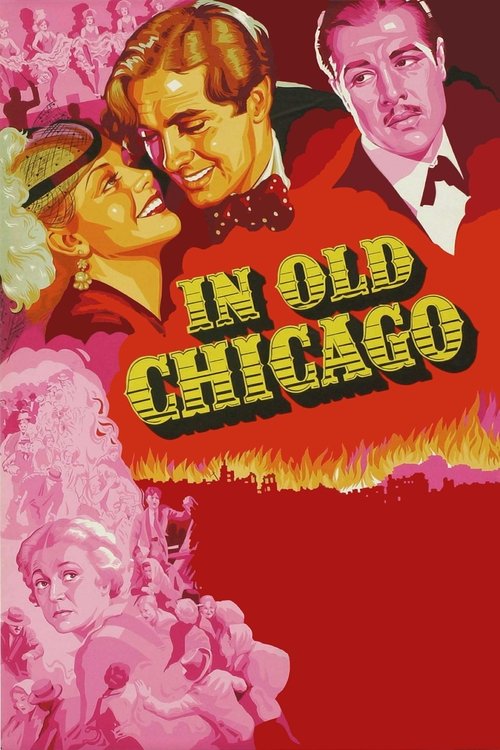
In Old Chicago1938
Tyrone Power and Don Ameche as brothers on opposite sides during the 1871 fire. Epic scope, real spectacle, and the same bone-deep loyalty underneath the conflict.
But The romance subplot is obligatory and clunky, and the fire sequences, while grand, go on.
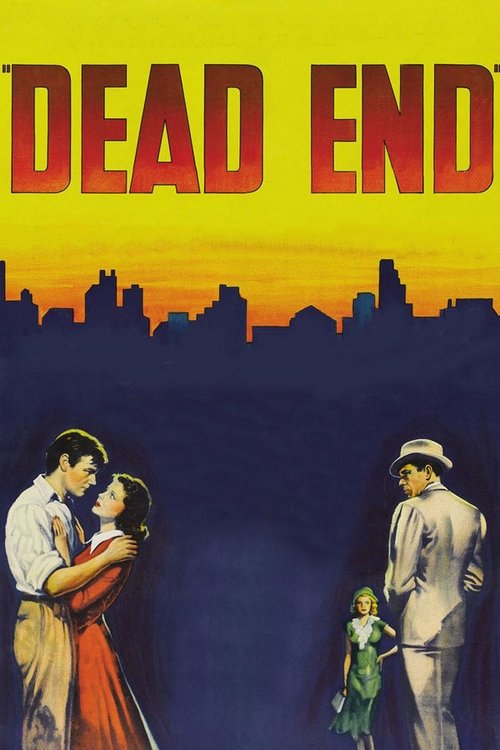
Dead End1937
Bogart and the Dead End Kids in a tenement on the East River. Tougher and more socially conscious than The Bowery; the film that made boyish delinquency tragic instead of charming.
But It's preachy about poverty in a way that can feel dated, and Bogart's small part doesn't give him much to do.
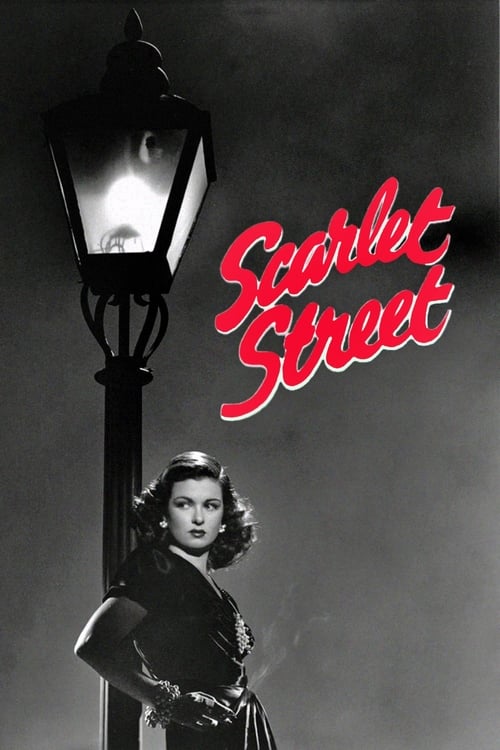
Scarlet Street1945
Fritz Lang's masterpiece about a respectable man undone by a woman in a shabby neighborhood. The Bowery's underworld but drained of warmth and flooded with noir psychology and dread.
But It's bleak and misogynistic in its bones—not a film that leaves you feeling good about anyone.
The Killers1946
Burt Lancaster's debut, a drifter gunned down and a man trying to understand why. The same exploration of loyalty and the code of the street, but tighter and far more ruthless.
But It's cynical about human nature in a way that might feel cold compared to The Bowery's sentimentality.

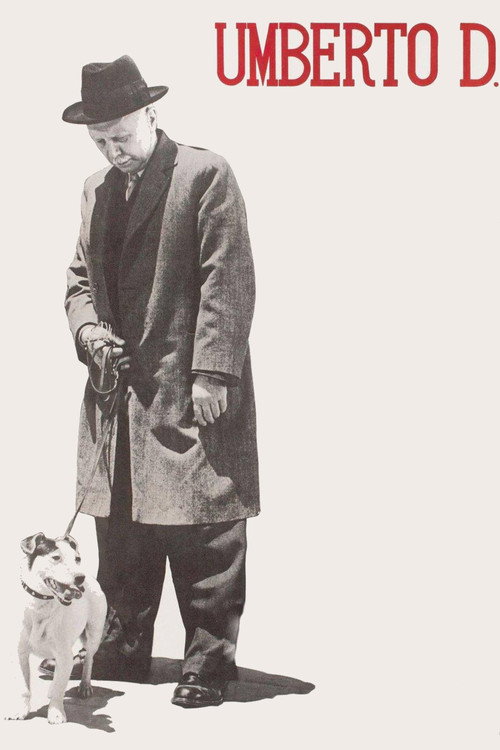
Umberto D.1952
Both films refuse to condescend to poor characters; both argue that a man's worth has nothing to do with his money or status, and everything to do with how he treats the people around him.
De Sica's neorealist heartbreaker about an elderly pensioner and his dog facing eviction in Rome. No plot, just life—the dignity of the dispossessed, the small kindnesses that hold people together, grief without melodrama.
But It's deliberately, stubbornly quiet. If you want story, you'll be frustrated. It demands patience and emotional openness.
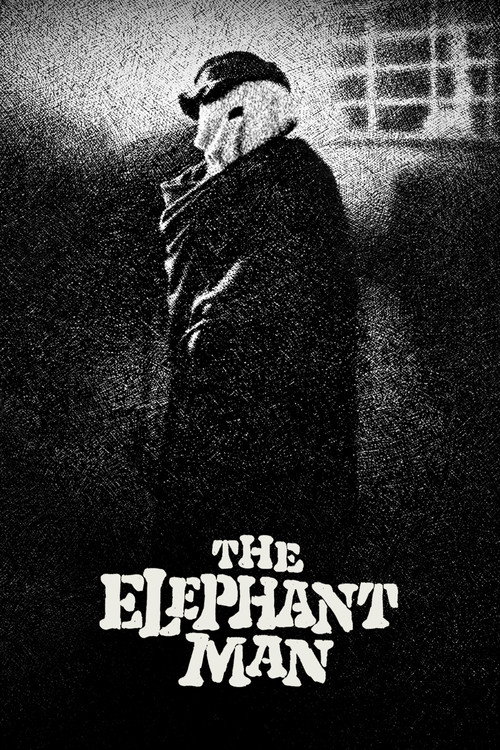
The Elephant Man1980
Both films are most interested in the moment a hard man recognizes gentleness in someone else, and lets it change him; both are structured around unlikely friendships that reveal character more than any dialogue could.
David Lynch's tender, grotesque meditation on dignity and monstrosity in Victorian London. Brutally austere black-and-white cinematography, but underneath is the same story: how do broken men learn to be men again?
But It's visually disturbing and emotionally demanding, and the disability representation is complicated by modern standards. Some find it more precious than profound.
People
Cast
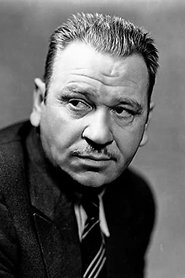 Wallace BeeryChuck Connors
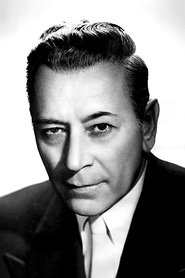 George RaftSteve Brodie
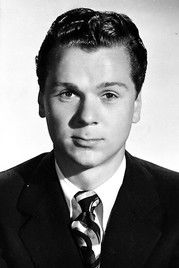 Jackie CooperSwipes McGurk
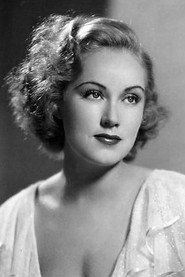 Fay WrayLucy Calhoun
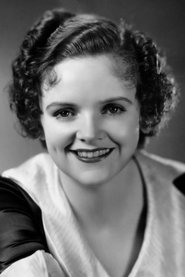 Pert KeltonTrixie Odbray
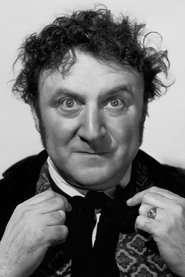 Herman BingMax Herman
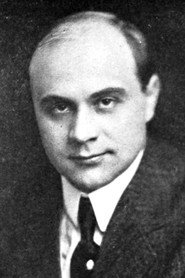 Oscar ApfelIvan Rummel
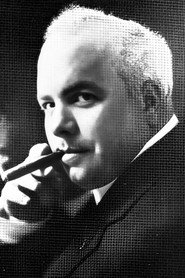 Ferdinand MunierHonest Mike
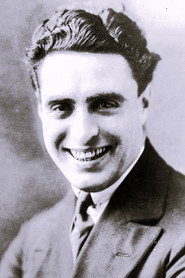 George WalshJohn L. Sullivan
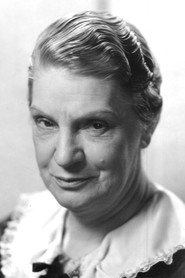 Lillian HarmerCarrie A. Nation
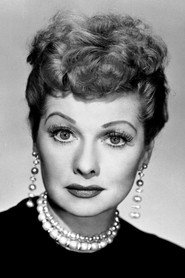 Lucille BallBlonde (uncredited)
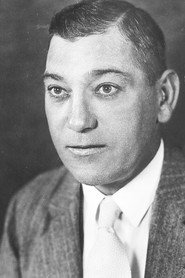 Heinie ConklinPug (uncredited)
Directing
- Raoul WalshDirector
- William ForsythSecond Assistant Director
Writing
- Bessie Roth SolomonNovel
- Michael L. SimmonsNovel
- Howard EstabrookScreenplay
- James GleasonScreenplay
Production
- Darryl F. ZanuckProducer