
Film
Dead End
- Social drama
- Crime
- Very dark
Dead End is a 1937 crime drama set in a teeming New York tenement, where a young couple's romance and ambitions collide with the brutal world of gangsters and street urchins. It's grimy, intimate, and furiously alive—a film that treats poverty and crime as systems rather than moral failings. For anyone interested in how cinema captures class struggle or the origins of film noir.
Should you watch it?
Watch it if you love socially conscious city dramas where the street itself is a character, with sharp, talky dialogue and a gangster-movie charge running through a crowd of restless kids.
Skip it if you want fast plot turns and a tidy, escapist crime caper; this is slow to settle, talky, and its moral weight sits heavy on the streets than on the action.
What it asks of you: It runs ninety-three minutes on a single cramped block, mostly talk and jostling bodies, so it asks you to sit with its noise and wait for the pressure to build.
Not sure? Find tonight's pick in a minute.
If you liked this
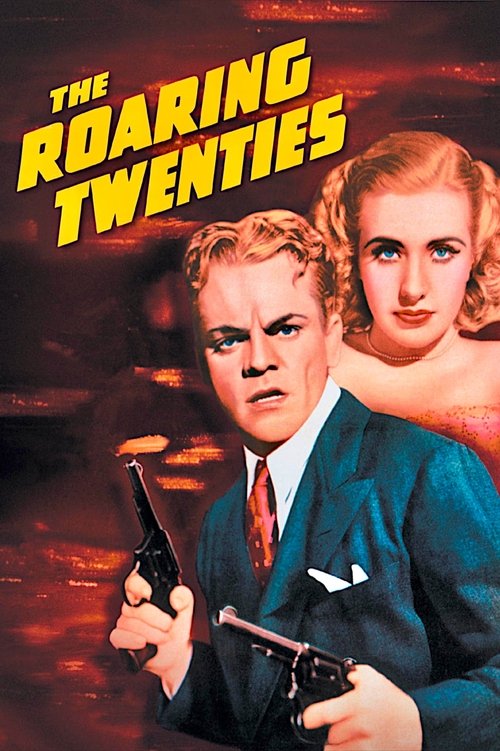
The Roaring Twenties1939
James Cagney gives a heartbreaking performance as a WWI vet undone by Prohibition-era crime. It has the same sympathy for how men become criminals, and the same urgent sense of a city closing in.
But It's a touch more sentimental than Dead End, and the action sequences feel stagy by modern standards.
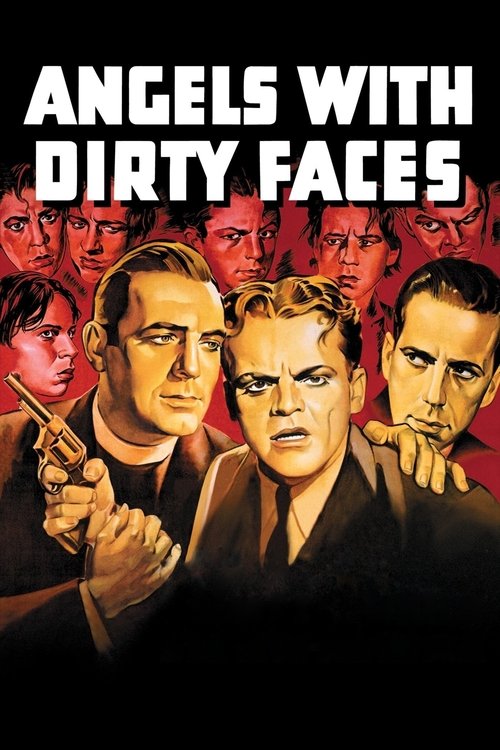
Angels with Dirty Faces1938
Bogart and Cagney in a film about street kids seduced by gangster glamour. It has the same New York tenement world, the same moral texture, the same question: what makes a kid choose crime?
But The religious subplot is heavy-handed, and the ending flinches from the darkness it builds.
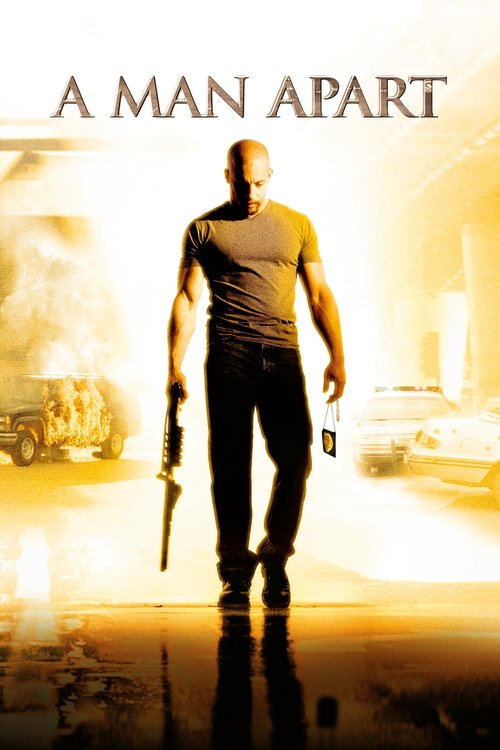
A Man Apart2003
Vin Diesel as a DEA agent corrupted by the drug trade he's fighting. It updates Dead End's central idea—how proximity to crime and power can warp a decent person—to the modern narco world.
But It's a generic action thriller that mistakes grimness for depth, and Diesel isn't an actor of Sidney or McCrea's subtlety.
Not sure tonight? Get a pick in a minute, starting from Dead End
The wildcard
Something you would not have found on your own.
Rope1948
Both are about young men destroyed by the idea that they're exceptional, and both compress the moral question into a confined space.
Hitchcock's chamber piece: two men murder a friend to prove their intellectual superiority, then host a dinner party. Like Dead End, it's a moral parable about ambition and the corruption it breeds, but filtered through psychological thriller and shot in real time.
But The staginess and the heteronormative subtext issues might alienate modern viewers. It's also more concerned with suspense than sympathy.

More like this (8)
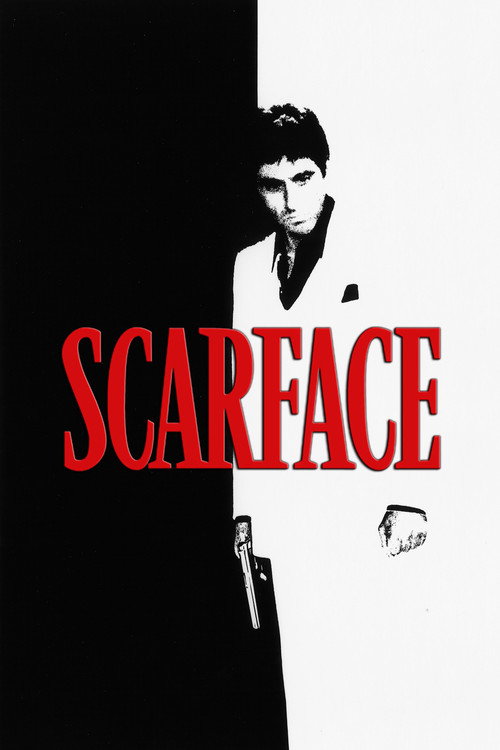
Scarface1983
De Palma and Pacino's vision of a man's rise through crime, told with the same kind of operatic intensity and refusal to look away. Both films see crime as a form of ambition.
But It's nearly three hours of escalating excess. Some find it a masterpiece, others an exhausting endurance test.
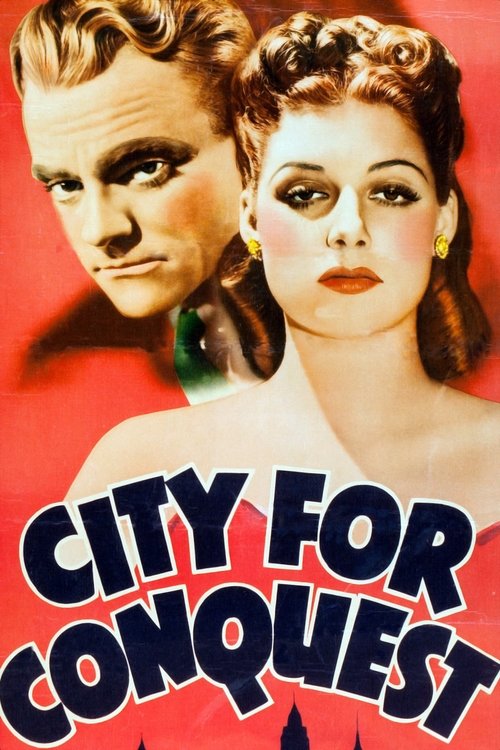
City for Conquest1940
Another Cagney tenement story, with the same humid desperation and the same question: can you get out, or does the city own you? Wonderfully acted and genuinely moving.
But The plot mechanics are creaky, and it sentimentalizes sacrifice in ways that feel dated.
The Killing1956
Kubrick's heist film dissects a crime from multiple angles, with the same structural intelligence about how crime actually works. Tighter and colder than Dead End, but equally unsparing.
But It's black-and-white and visually austere. If you want lush cinematography, look elsewhere.

A Prophet2009
A young man enters prison and becomes a kingpin through intelligence and ruthlessness. It has the same inexorable logic about how systems corrupt, and the same tragic inevitability.
But It's slow and in French, and the prison violence is graphic. Not a crowd-pleaser.

Moonlight2016
Three chapters of a Black boy's life in Miami, trapped between poverty, drugs, and masculine violence. It has Dead End's compassion for characters the world has already written off.
But It's more lyrical than plot-driven, and its quietness might feel slow if you want conventional narrative momentum.

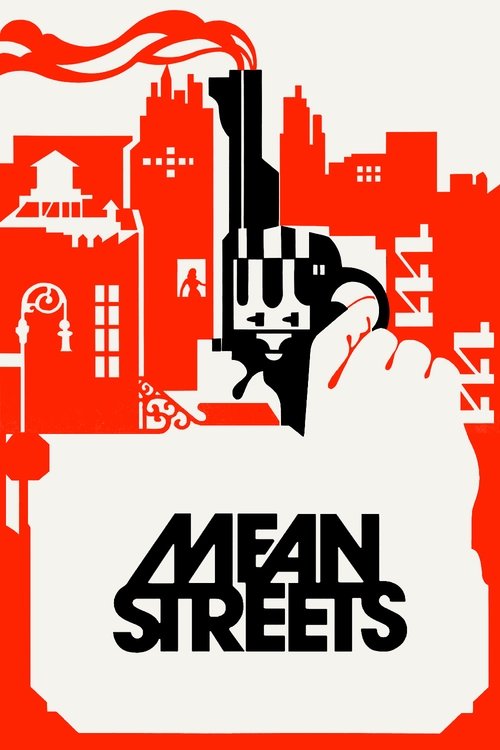
Mean Streets1973
Scorsese's debut about small-time crooks in Little Italy. It has the same insider's view of how men rationalize crime, the same New York neighborhood texture, the same moral paralysis.
But It's a sketch rather than a fully formed narrative. Some scenes feel unfinished, and it moves at its own elliptical pace.
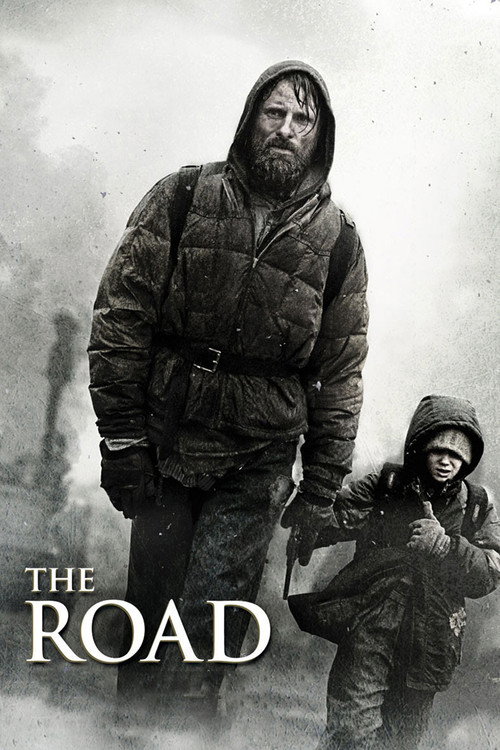
The Road2009
Both films insist that desperation is not moral failure, but they also don't let you off the hook for what desperation makes people do.
Cormac McCarthy's post-apocalyptic novel becomes a film about a father and son walking through ash and ruin. It has the same unflinching look at how survival corrupts, and the same refusal to offer easy consolations.
But It's relentlessly bleak. There are moments of beauty, but they're punctuation marks in an unending tragedy. Not cathartic.
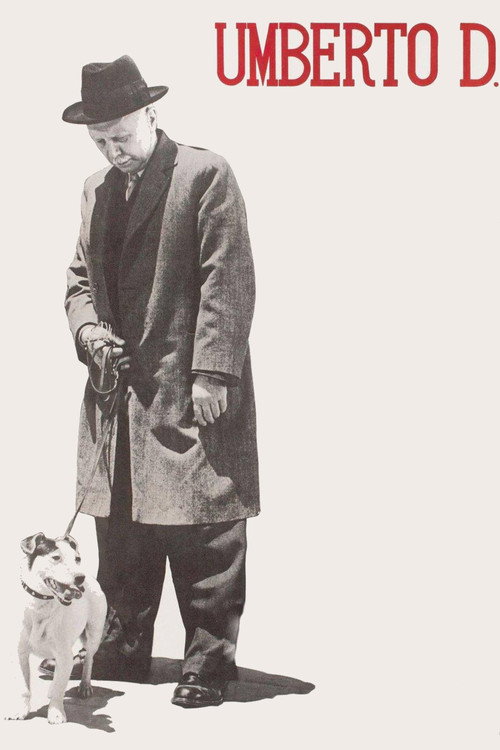
Umberto D.1952
Both see poverty as a structural fact rather than a character flaw, and both measure their subjects' worth by how they maintain dignity when the world offers them none.
De Sica's Italian neorealist masterpiece: an elderly pensioner and his dog navigate post-war Rome's indifference. It's about dignity and powerlessness, filmed with such tenderness that you feel the weight of every small humiliation.
But There's no plot and almost no dialogue. It moves at the pace of an old man's day, and the ending is quieter than quiet.
People
Cast
 Sylvia SidneyDrina
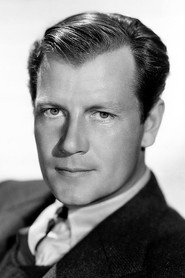 Joel McCreaDave
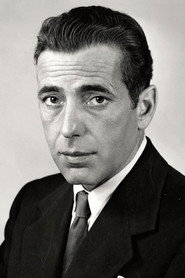 Humphrey Bogart"Baby Face" Martin
 Wendy BarrieKay
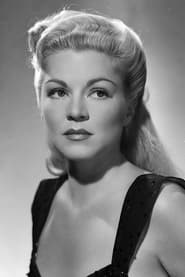 Claire TrevorFrancey
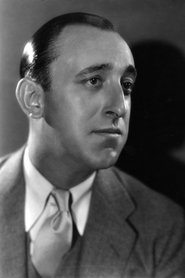 Allen JenkinsHunk
 Marjorie MainMrs. Martin
 Billy HalopTommy
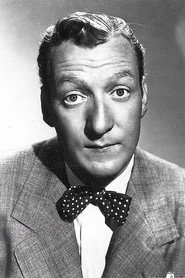 Huntz HallDippy
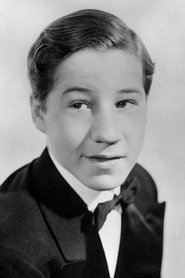 Bobby JordanAngel
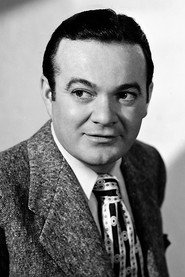 Leo GorceySpit
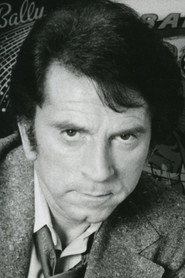 Gabriel DellT. B.
Directing
- Edmond F. BernoudyAssistant Director
- William WylerDirector
Writing
- Frank P. GoodnowDialogue
- Lillian HellmanScreenplay
- Sidney KingsleyTheatre Play
Production
- Merritt HulburdAssociate Producer
- Samuel GoldwynProducer
Recommended by
Angels with Dirty Faces, Blackboard Jungle, Manhattan Melodrama, The Bad Sister, The Common Touch, Crime School, They Made Me a Criminal, The Bowery