
Film
Manhattan Melodrama
A 1934 crime drama about two orphaned boys whose childhood bond fractures as they choose opposite paths—one becomes a prosecutor, the other a gangster—yet their rivalry sharpens when both fall for the same woman. It's a briskly paced, smartly written story that crackles with moral ambiguity, star power, and the kind of sophisticated banter that defines early Hollywood.
If you liked this
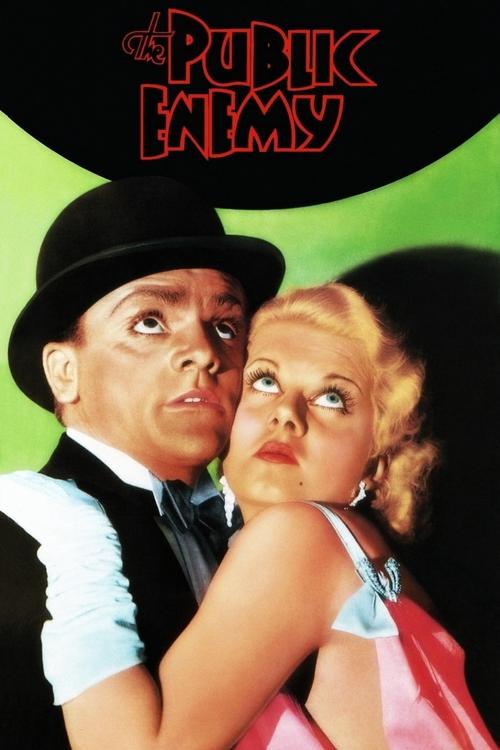
The Public Enemy1931
James Cagney's definitive gangster debut, showing how Hollywood discovered the criminal antihero. Violent, sexually frank for its time, and endlessly imitated—this is where the template came from.
But The prints available are often damaged, and it moves between tones in ways that feel uneven by modern standards. Some scenes drag.
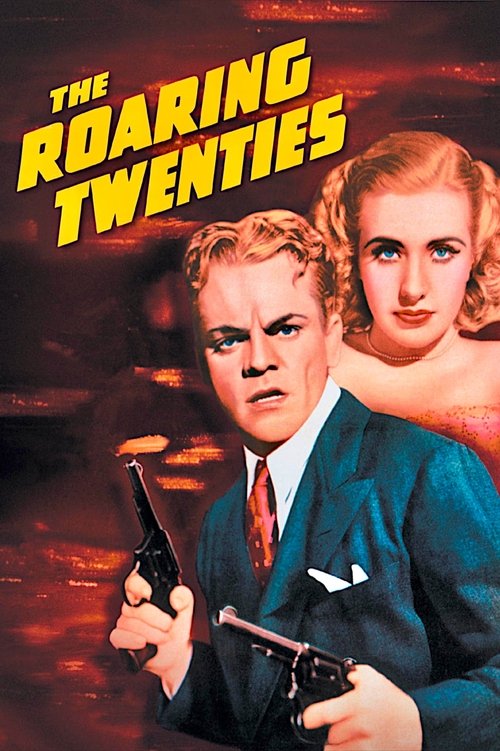
The Roaring Twenties1939
James Cagney again, this time tracing a man's descent from war hero to bootlegger across an entire decade. It's got the same moral wrestling and romantic complication as Melodrama, but with broader historical scope and better visual command.
But The pacing slackens in the middle third. Some plot mechanics feel creaky—you'll guess several beats ahead.
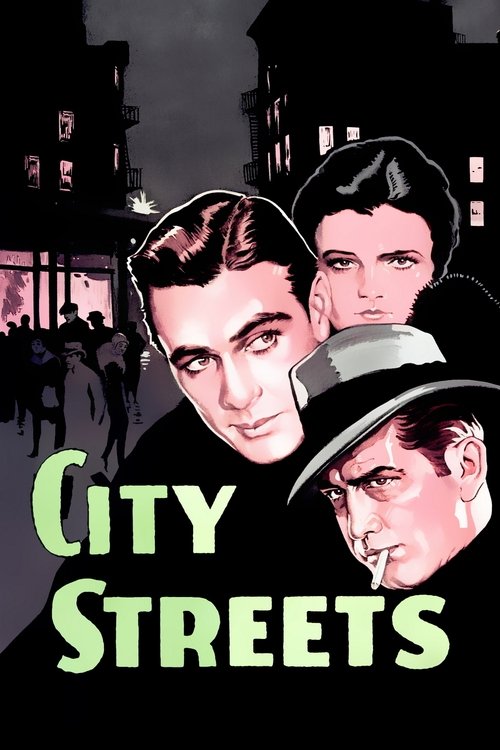
City Streets1931
Rouben Mamoulian's proto-noir about a gangster's moll and a boxer drawn into crime. Staggeringly inventive visually, intimate in scale, and Gary Cooper brings vulnerability that Gable reserves. It's the smaller, stranger cousin to Melodrama.
But Mamoulian's stylistic flourishes—the montages, the sound design—can feel arch to modern viewers. The ending is not what you'd call hopeful.
Not sure tonight? Get a pick in a minute, starting from Manhattan Melodrama
The wildcard
Something you would not have found on your own.
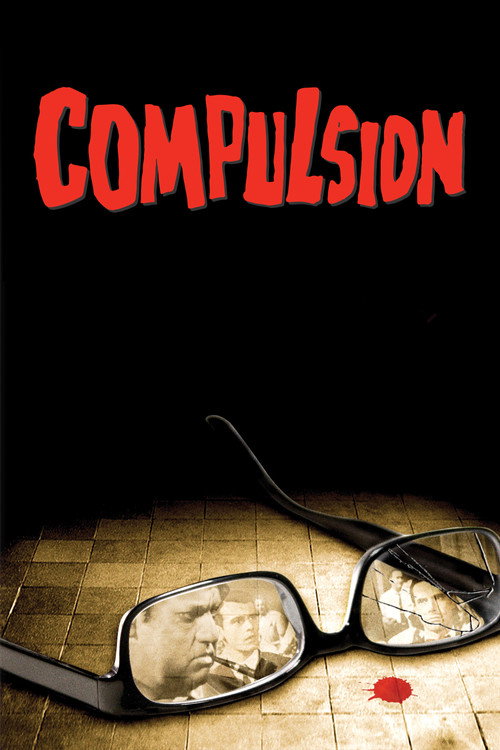
Compulsion1959
Both films rest on the idea that childhood friendship is powerful enough to fracture under moral pressure, and that the bond itself—not the crime—is the tragedy worth examining.
Richard Fleischer's account of the Leopold-Loeb case—two brilliant young men bound by friendship into a real murder. It treats their bond as genuinely intimate and genuinely corrupt, with courtroom scenes that burn. The moral architecture is unsparing.
But It's dry, procedural, and relies on dialogue over action. The homosexual subtext (which is the real subject) is only barely subtext. Some find that discomfort intentional; others find it frustrating.
More like this (7)
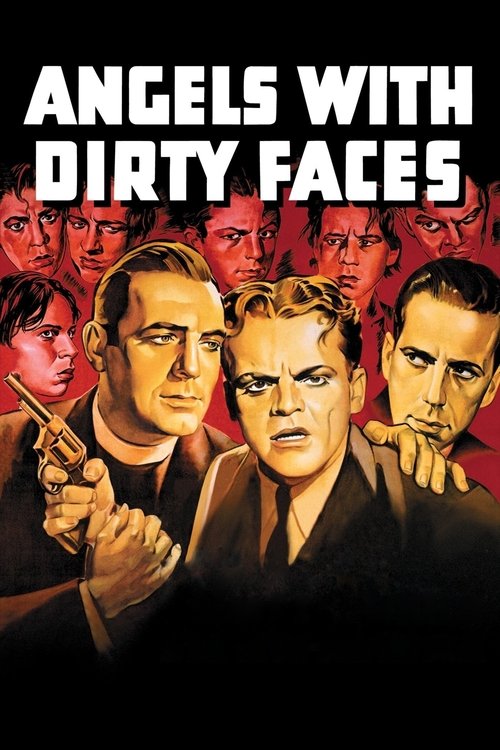
Angels with Dirty Faces1938
Cagney and Humphrey Bogart as childhood friends on opposite sides of the law, with a priest caught between them. The emotional core is stronger here—it actually lands the tragedy that Melodrama reaches for.
But It's more sentimental than you might want. The ending sacrifices ambiguity for redemption, which some find manipulative.
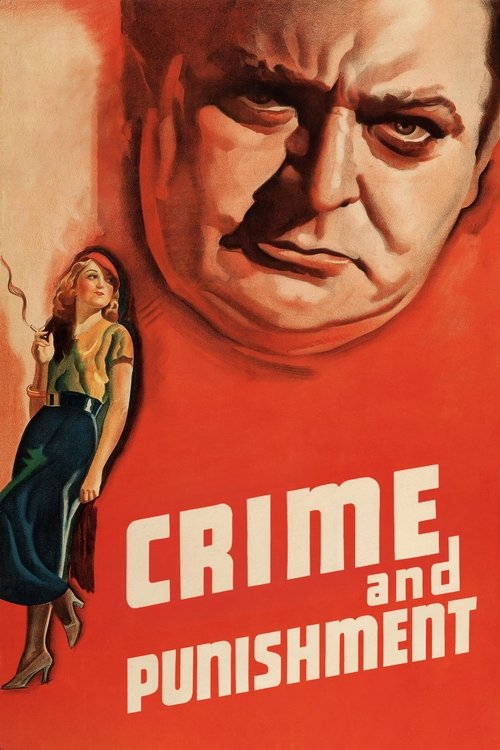
Crime and Punishment1935
Peter Lorre as a desperate man who commits murder, then spirals under the weight of guilt. Dostoyevsky's neurotic intensity finally made into cinema. Bleak, claustrophobic, utterly absorbing.
But Lorre's performance is so internalized it can feel static. The philosophy outweighs momentum. Not a plot-driven film.
The Asphalt Jungle1950
Huston's definitive heist film, where criminals are treated as working professionals with real lives and vulnerabilities. It feels modern in its refusal to moralize. Everything after this learned from it.
But It's methodical to the point of slowness. You have to be in the mood for procedural patience. The first half-hour tests that.

In a Lonely Place1950
Bogart as a violent, talented man under suspicion for murder. Noir that's less interested in plot than in the corrosive effect of suspicion on love. Gloria Grahame is magnificent and heartbreaking.
But It's bleak and somewhat plotless. You need to be comfortable with ambiguity and psychological discomfort. It doesn't resolve cleanly.

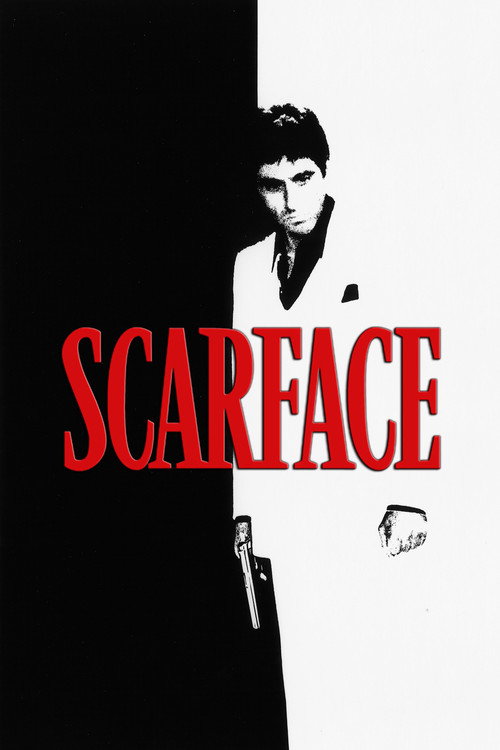
Scarface1983
De Palma's remake of Hawks's 1932 original, with Al Pacino as a cocaine kingpin ascending and imploding. It's operatic, violent, visually intoxicating—a study in how power corrupts in real time.
But The violence is relentless and sometimes gratuitous. The excess is the point, but that point can feel hollow. Divisive film.
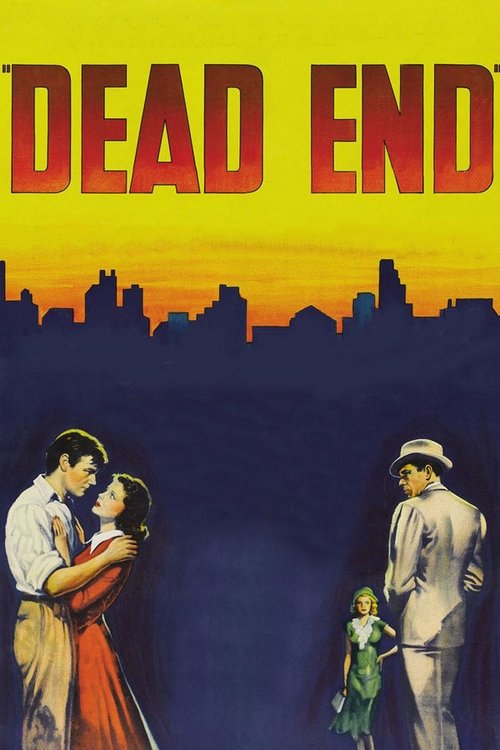
Dead End1937
Goldwyn's social drama about tenement kids and the paths available to them. Bogart, Sylvia Sidney, and a group of actual street kids sharing scenes. It's earnest, gritty, and thematically twinned with Melodrama's orphan premise.
But The social message is heavy-handed. It's more important than it is entertaining. Some of the acting, especially the young people, is uneven.
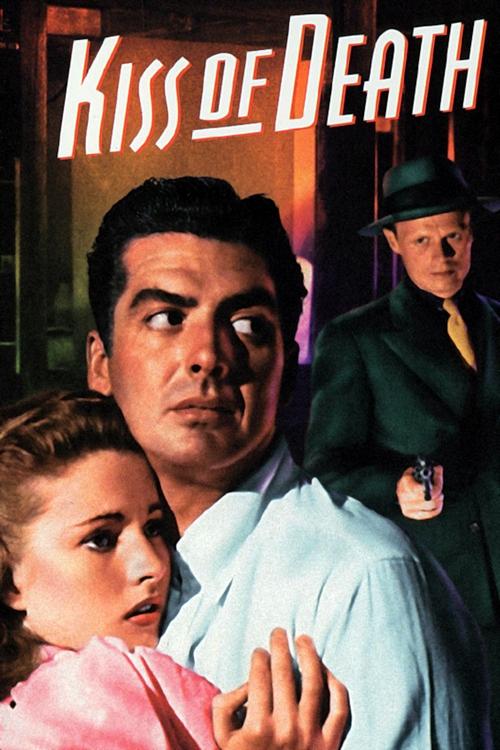
Kiss of Death1947
Both ask: what do you owe the person who was there when you had nothing? Melodrama treats that as noble; Kiss of Death treats it as the mechanism of damnation.
Henry Hathaway's noir about an ex-con drawn back into crime by obligation to a criminal friend. Richard Widmark's sociopathic giggle is unforgettable, but the real story is the protagonist's impossible loyalty. It's tighter and darker than Melodrama, and the crime and love plots are one thing.
But Widmark's character is almost cartoonishly evil, which breaks the moral ambiguity the film otherwise cultivates. The violence toward women is ugly and unexamined. It feels uneven in register.
People
Cast
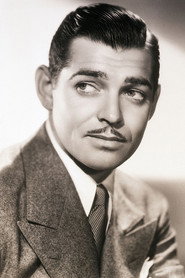 Clark GableEdward J. 'Blackie' Gallagher
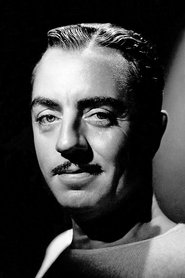 William PowellJim Wade
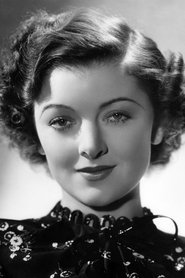 Myrna LoyEleanor Packer
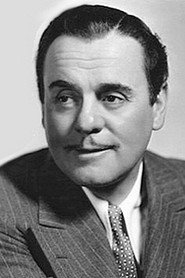 Leo CarrilloFather Joe
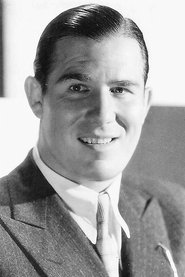 Nat PendletonSpud
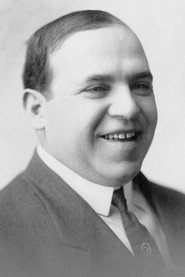 George SidneyPoppa Rosen
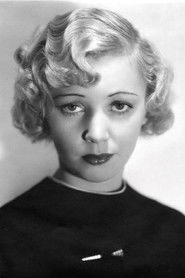 Isabel JewellAnnabelle
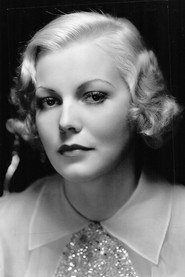 Muriel EvansTootsie Malone
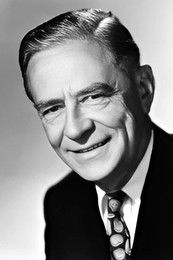 Thomas E. JacksonAsst. Dist. Atty. Richard Snow
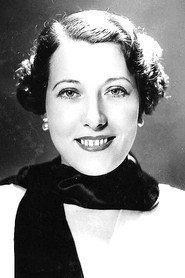 Isabelle KeithMiss Adams
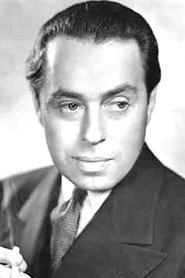 Noel MadisonManny Arnold
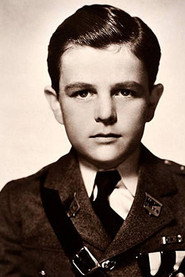 Jimmy ButlerJim Wade as a Boy
Directing
- W.S. Van DykeDirector
Writing
- Arthur CaesarOriginal Story
- Donald Ogden StewartScreenplay
- Frank DolanScreenplay
- Joseph L. MankiewiczScreenplay
- Oliver H.P. GarrettScreenplay
- Arthur CaesarStory
Production
- David O. SelznickProducer