
Film
City Streets
A 1931 crime romance where a circus worker and a mobster's daughter tumble into bootlegging during Prohibition. Rouben Mamoulian's directorial debut dazzles with expressionist visuals—shadows, Dutch angles, distorted lenses—that make Depression-era underworld life feel hallucinatory and doomed. It's stylish, fleet, and genuinely romantic beneath the gunfire. For anyone who loves early cinema's formal invention or the fatalism of crime stories.
If you liked this
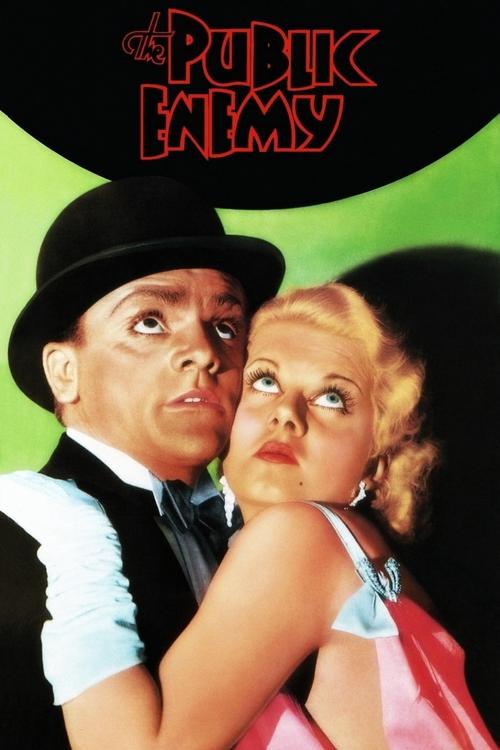
The Public Enemy1931
James Cagney's grapefruit-in-the-face brutality defined the gangster archetype. Made the same year as City Streets, it's the rawer, more violent cousin—all swagger and sudden violence, no poetry.
But The pacing feels theatrical to modern eyes, and it's more interested in Cagney's charisma than character development. Some scenes play inadvertently comedic now.
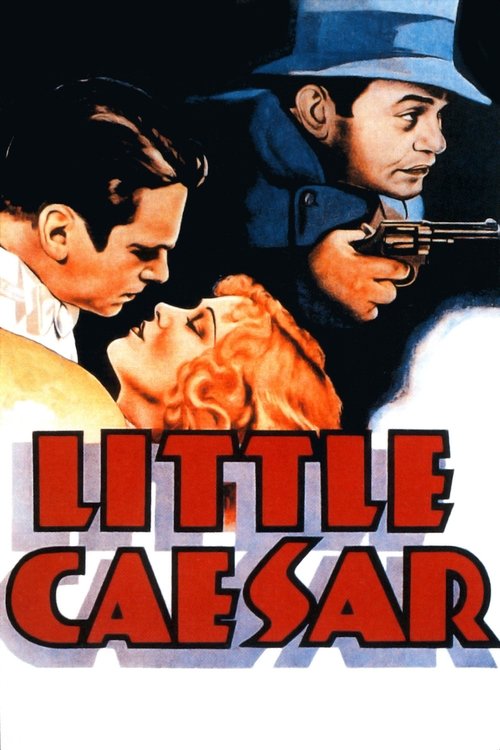
Little Caesar1931
Edward G. Robinson's rise-and-fall mobster saga has the same urgent energy and moral decay as City Streets. A template for everything that followed, equally influential and equally gripping.
But The dialogue is stiff and the plot predictable once you know the genre conventions it established. Robinson's accent can be hard to parse in spots.
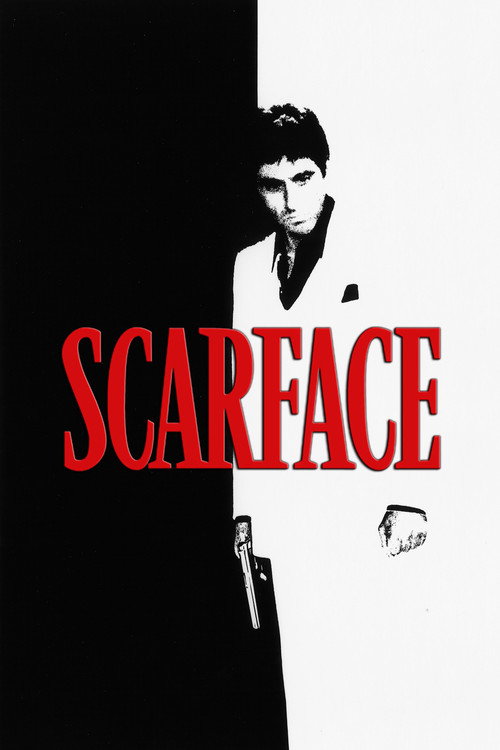
Scarface1983
De Palma and Pacino's cocaine-soaked remake has City Streets' fatalistic romance and visual audacity cranked to deafening volume. A meditation on ambition and fall dressed as a crime thriller.
But It's nearly two hours of toxic masculinity at full throttle. Some find it exploitative rather than critical; others just find it exhausting.
Not sure tonight? Get a pick in a minute, starting from City Streets
The wildcard
Something you would not have found on your own.
Pandora's Box1929
Both use distorted visuals and expressionist technique to show how desire and circumstance trap characters. Both argue that sexuality and crime are intertwined, that attraction is a kind of doom.
G.W. Pabst's silent expressionist masterpiece, released just before City Streets, shows what Mamoulian was inheriting and refining. Louise Brooks as Lulu is mesmerizing—a woman whose sexual presence is destiny. Formally astonishing.
But It's silent, it's German Weimar decadence, and it requires real engagement with its visual language. The pacing is glacial by modern standards; some find it pretentious.

More like this (8)
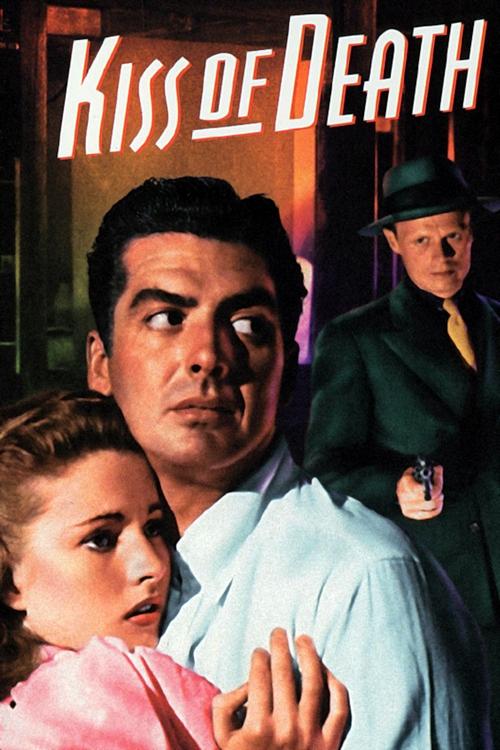
Kiss of Death1947
A noir that marries romantic entanglement to criminal obligation like City Streets does, but with postwar cynicism. Richard Widmark's psychotic killer is unforgettable, the moral landscape bleaker.
But The sexual politics are dark and uncomfortable—not in a way that feels accidental. Some of it lands as predatory rather than dramatic.
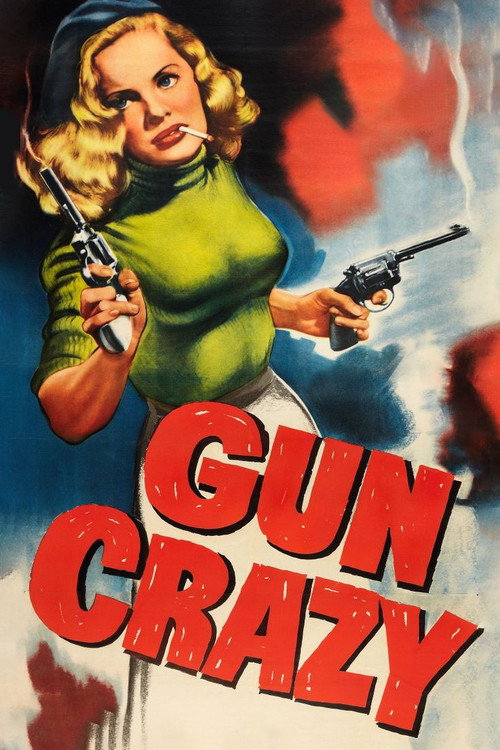
Gun Crazy1950
Lovers on the run, crime spree, doomed trajectory. The template City Streets helped invent gets refined here into something tighter and more genuinely tragic. The photography is superb.
But The pacing drags in the middle and the leads don't quite have movie-star presence. It feels intimate rather than epic, which some find diminishing.
The Killing1956
Kubrick's racetrack heist story has City Streets' fractured narrative structure and sense that fate closes in inevitably. Noir lighting, sharp dialogue, and real desperation beneath the scheme.
But The non-linear storytelling can feel gimmicky on first viewing. Some find the characters too thin to invest in beneath the plot mechanics.

In a Lonely Place1950
Bogart and Grahame in a noir where attraction and violence are inseparable. The romance is genuine but poisoned; it shares City Streets' understanding that love and crime don't separate cleanly.
But The ending is deliberately ambiguous and bleak. If you want romance to redeem or console, this will frustrate you.

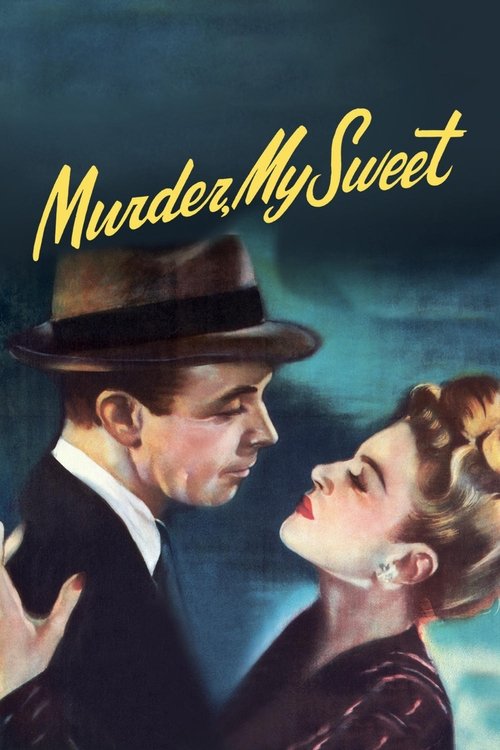
Murder, My Sweet1944
Dick Powell's piano man pulled into the noir machinery. Dense, visually inventive, with the same expressionist DNA as City Streets—shadows and moral confusion rendered visible on screen.
But The plot is genuinely intricate and rewards close attention. Watch it when you're alert; it punishes distraction.
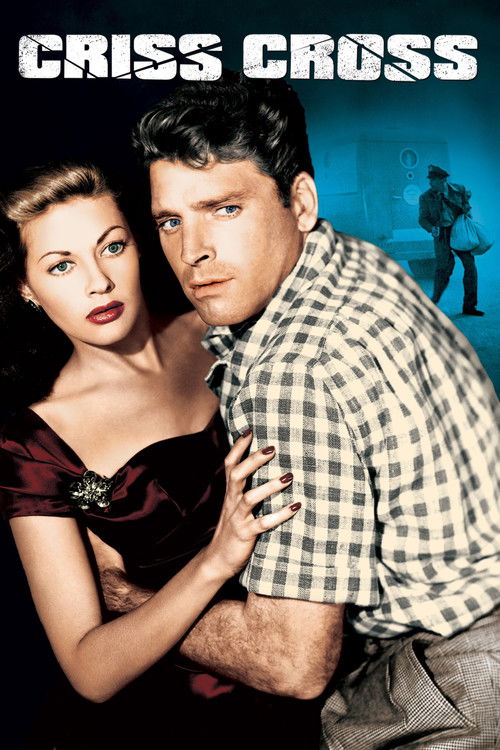
Criss Cross1949
An armored-car heist where the hero's attraction to his ex-wife pulls him into crime. Siodmak's direction is nimble, the fatalism earned, the betrayals surprising. A lean, efficient thriller.
But It's compact to the point of feeling rushed in places. The emotional stakes don't land as deeply as the plot mechanics deserve.
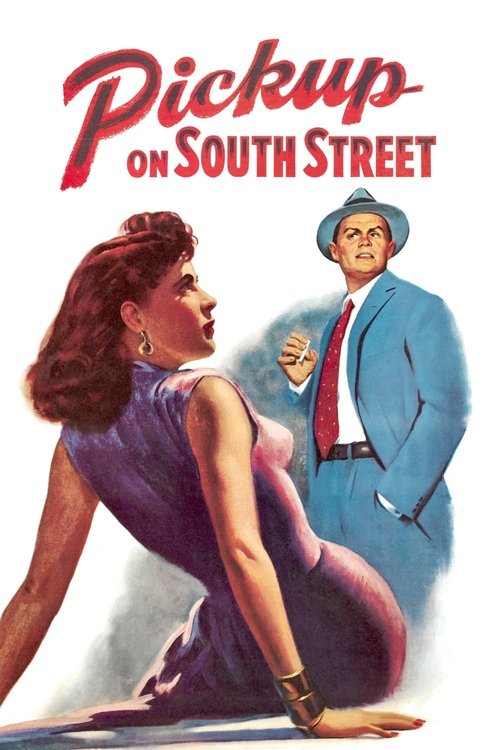
Pickup on South Street1953
Both feature lovers pulled in opposite directions by crime and obligation—one forced to betray, the other forced to choose. Both ask whether loyalty or survival comes first.
Samuel Fuller's pickpocket-turned-informant crime drama has City Streets' romantic entanglement amid criminal obligation, but strips away the expressionism for raw, muscular realism. Jean Peters glows; Richard Widmark is lethal.
But It's a Cold War anti-communist thriller, which dates it. The politics feel period-specific; the morality is simpler and cruder than the best noir.
The Asphalt Jungle1950
Both see the criminal underworld as a machine that grinds individuals into dust regardless of their intentions. Both are more interested in how systems work than in redemption or escape.
John Huston's heist film influenced everything that came after, but it's also a direct descendant of City Streets' belief that crime is systemic and individual desire is just a mechanism to trap you. Ensemble cast, documentary-level detail.
But There's no protagonist to root for; everyone is complicit or crushed. If you need a moral anchor, you won't find one. It's bleak in a way that can feel cold.

People
Cast
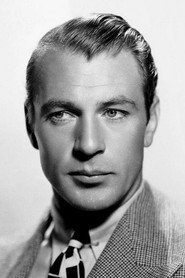 Gary CooperThe Kid
 Sylvia SidneyNan Cooley
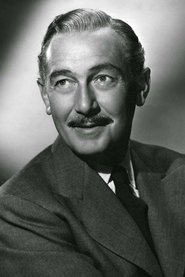 Paul LukasBig Fellow Maskal
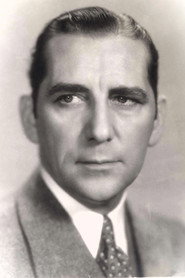 William 'Stage' BoydMcCoy
 Wynne GibsonAgnes
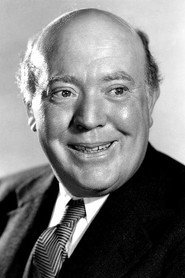 Guy KibbeePop Cooley
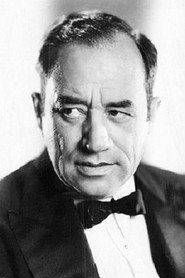 Stanley FieldsBlackie
 Betty SinclairPansy
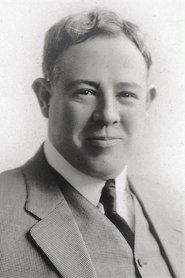 Robert HomansPolice inspector
 Barbara LeonardEsther March
 Paulette GoddardNightclub Patron (uncredited)
Directing
- Rouben MamoulianDirector
Writing
- Max MarcinAdaptation
- Oliver H.P. GarrettScreenplay
- Dashiell HammettStory
Production
- E. Lloyd SheldonProducer