
Film
Sinners' Holiday
A gritty 1930 crime melodrama set in a Coney Island penny arcade where a mother's protective instinct collides with her children's dangerous entanglements. Crackling with pre-Code energy, it moves like a punch—no fat, all propulsion. For anyone drawn to early sound cinema's rawness or noir's moral murk before noir had a name.
If you liked this
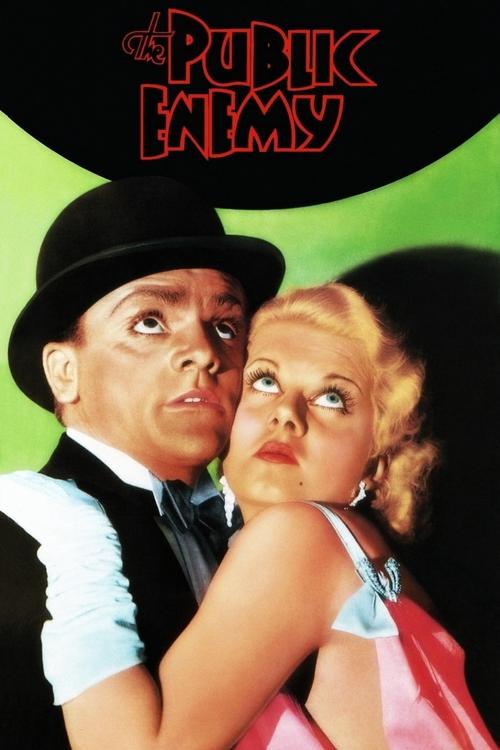
The Public Enemy1931
James Cagney in his star-making role as a gangster rising through Depression-era crime. Raw, violent, and thrilling in ways that shocked audiences. A direct line from Sinners' Holiday to immortality.
But The pacing feels brisk to the point of sketchiness by modern standards. Character development takes a back seat to plot momentum.
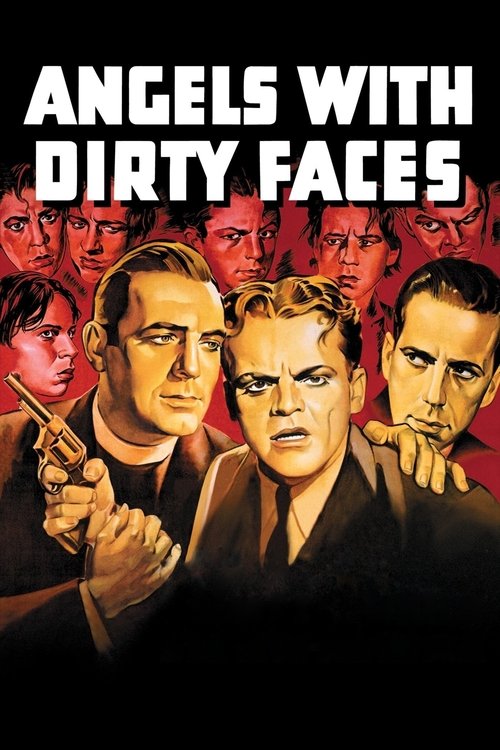
Angels with Dirty Faces1938
Cagney again, this time opposite Humphrey Bogart, in a moral tale about childhood friendship twisted by crime. Tighter than its predecessor, more emotionally intelligent. The best version of this story.
But It's sentimental in places, especially the ending. Some find the religious angle heavy-handed.
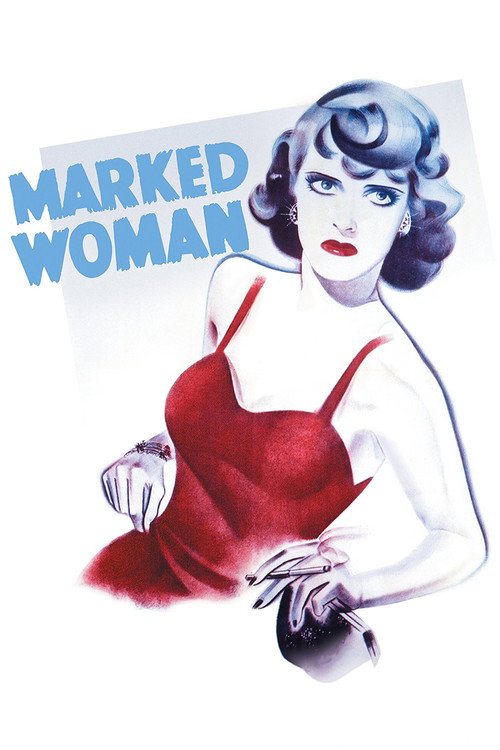
Marked Woman1937
Joan Blondell—who appears in Sinners' Holiday—gets the lead as a hostess turned witness against mobsters. Tougher and more sympathetic than the ingénue roles of the era. Cagney appears too.
But The plot mechanics creak audibly. You have to accept some very convenient timing and motivation.
Not sure tonight? Get a pick in a minute, starting from Sinners' Holiday
The wildcard
Something you would not have found on your own.
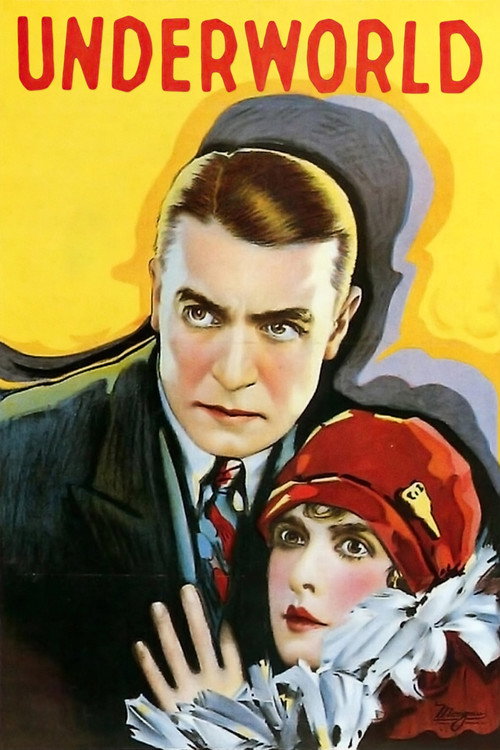
Underworld1927
Both are foundational crime films about morality collapsing under economic pressure. Underworld invented the grammar; Sinners' Holiday inherited and vulgarized it into vivid melodrama.
Josef von Sternberg's silent gangster film—the template upon which all the early 1930s crime movies built. Stylish, psychologically nuanced, and shockingly sympathetic to its criminals. See where it all started.
But It's silent, so if sound is a dealbreaker, this won't work. The visual storytelling demands your full attention; there's no dialogue to carry you.
More like this (8)
The Doorway to Hell1930
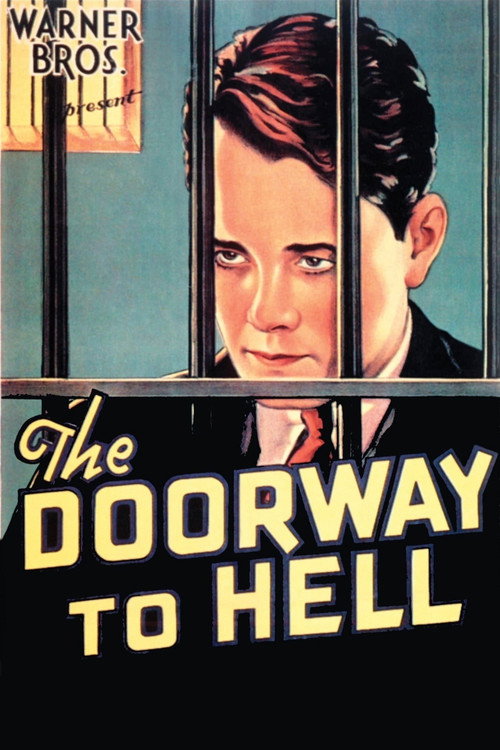
Lew Ayres as a charming bootlegger who builds an empire and watches it crumble. Released the same year as Sinners' Holiday, it captures the same moral vertigo. Early sound crime done with style.
But Ayres is no Cagney—less magnetic, more cerebral. The finale feels hurried and unsatisfying.
Little Caesar1931
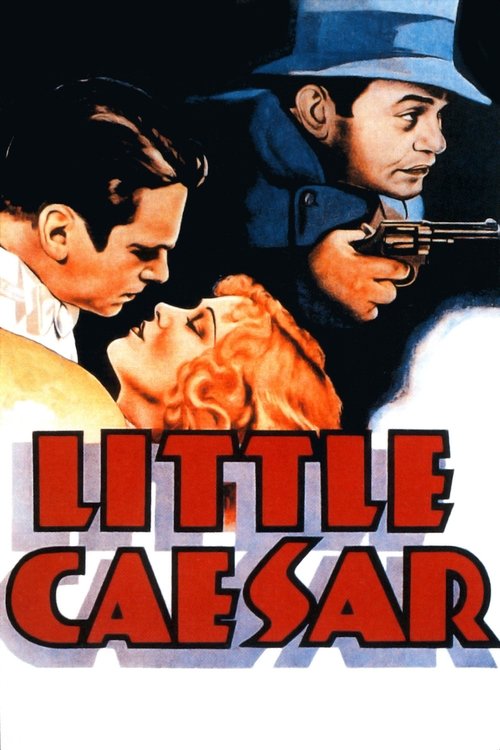
Edward G. Robinson's Rico is the archetypal gangster—ruthless, vain, and self-destructing. A template for everything that followed. Brutal and oddly sympathetic.
But It's slower than you'd expect for a crime picture, with long stretches of talk. The final act devolves into melodrama.
Scarface1932
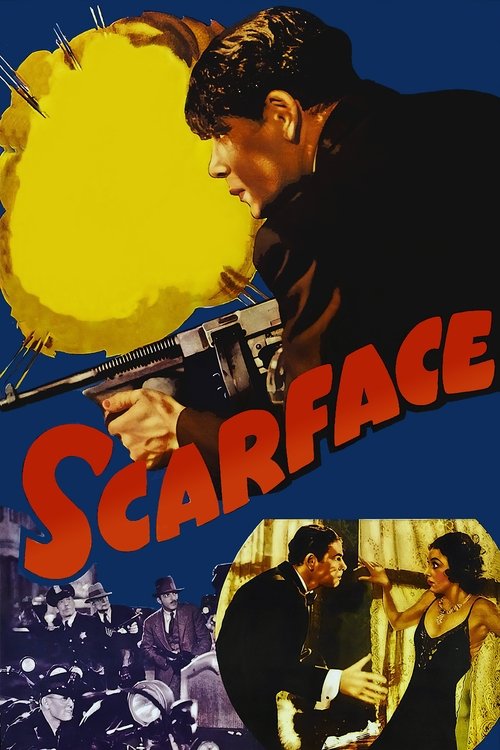
Howard Hawks directing Paul Muni as Al Capone in a film so violent it was nearly banned. Maximalist, grotesque, utterly committed. A fever dream of ambition and paranoia.
But The violence is graphic for 1932 and genuinely disturbing. The ending is preachy and undercuts everything that came before.
The Killing1956
Kubrick's debut about a racetrack heist told in fractured time. Lean, clever, economical. Proves that crime cinema could be formally inventive without sacrificing impact.
But The fragmented narrative is fascinating but cold. You're admiring the mechanism more than inhabiting the story.

In a Lonely Place1950
Bogart as a volatile screenwriter suspected of murder. Ray's film is a meditation on charm as a mask, paranoia as corrective. Noir at its most psychologically astute.
But It's a slow burn that asks patience. The resolution feels ambiguous in ways that frustrate rather than haunt.

City Streets1931
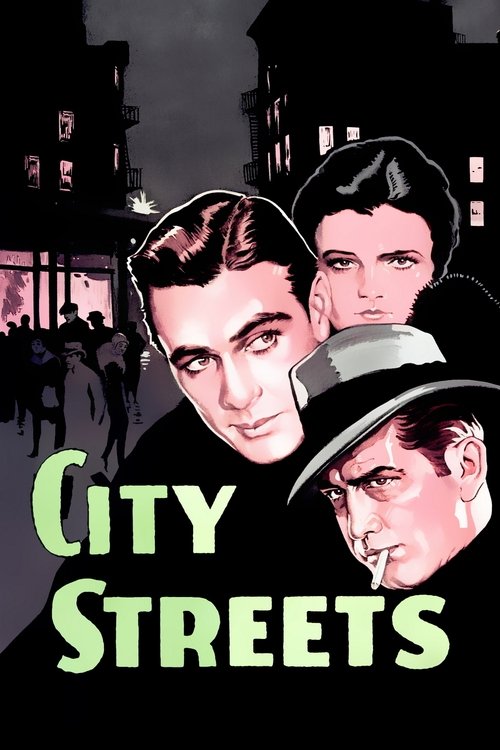
Mamoulian directing Gary Cooper and Sylvia Sidney in a Depression-era crime romance. Visually inventive, surprisingly modern in its treatment of female agency. A hidden gem of early sound.
But The plot is convoluted and sometimes hard to follow. Cooper's performance is oddly passive for a lead.
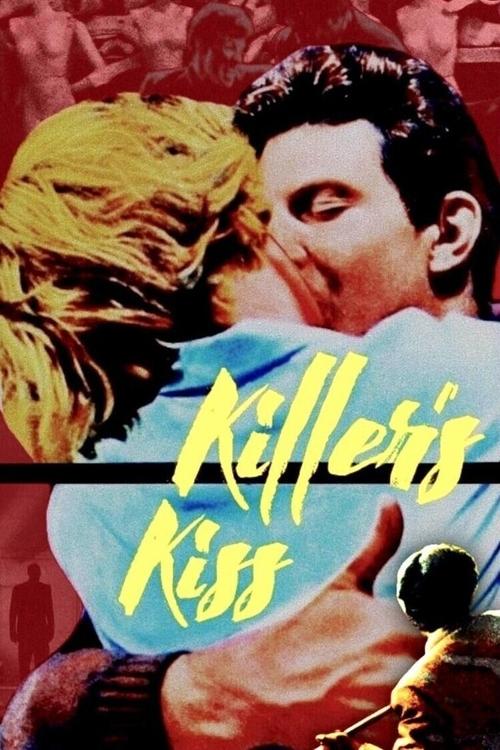
Killer's Kiss1955
Both use the arcade/carnival setting as a symbol of false promise and degradation. Same location, same moral landscape, thirty years and a technical revolution later.
Kubrick's second film is a noir made for almost nothing, shot in New York with documentary harshness. Experimental and raw, it captures the same Coney Island milieu but decades later and in grayscale poverty.
But The plot is skeletal and the dialogue occasionally clunky. The budget shows—some scenes feel improvised because they were.
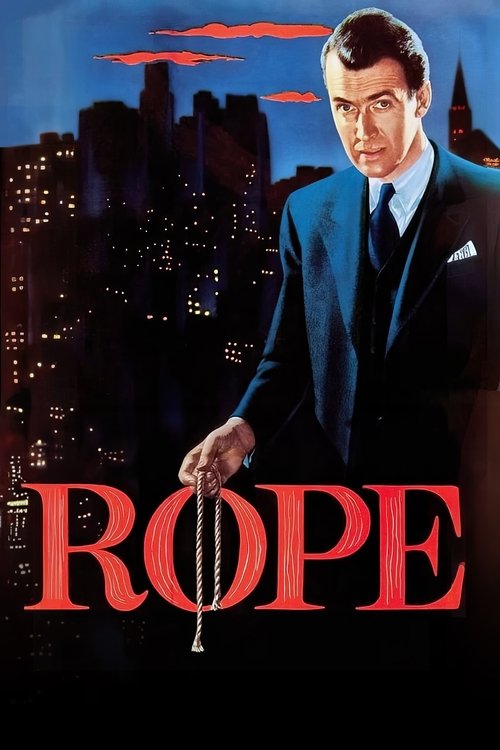
Rope1948
Both films compress crime and consequence into a small space and a short duration, then watch morality fracture under pressure. Both ask: what does it mean to live with what you've done?
Hitchcock's audacious chamber piece about two men who commit murder and then host a dinner party, all in real time across ninety minutes. Conversational, increasingly claustrophobic, morally vertiginous.
But It's static by design. The theatrical origins show, and if you need plot momentum and exterior locations, this will feel suffocating.
People
Cast
 Grant WithersAngel
 Evalyn KnappJennie
 Lucille La VerneMrs. Delano
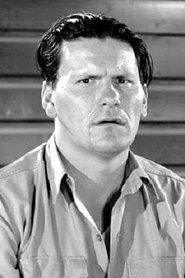 Warren HymerMitch
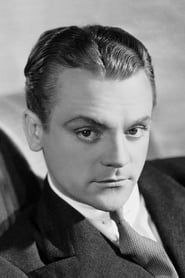 James CagneyHarry Delano
 Joan BlondellMyrtle
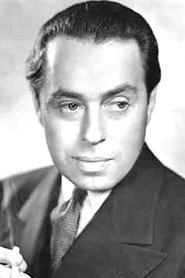 Noel MadisonBuck
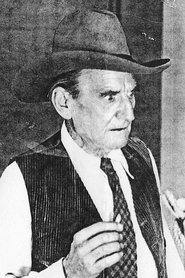 Otto HoffmanGeorge
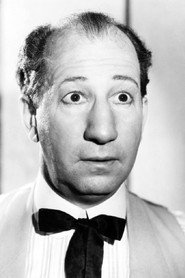 Hank MannHappy
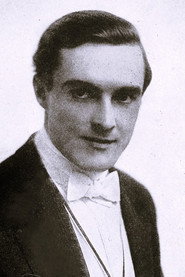 Ray GallagherJoe Delano
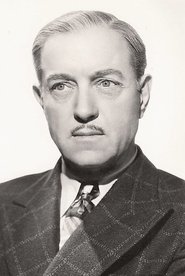 Purnell PrattDetective Sikes
Directing
- John G. AdolfiDirector
Writing
- Harvey F. ThewAdaptation
- George RosenerDialogue
- Marie BaumerWriter