
Film
Angels with Dirty Faces
James Cagney at his most magnetic plays Rocky Sullivan, a small-time crook idolized by the tenement kids who watch him swagger home from prison, while his childhood friend-turned-priest tries to pull them onto a better path. Fast, snappy, morally loaded Warner Bros. crime picture, famous for its ambiguous, gut-punch ending. For anyone who wants old Hollywood swagger with real teeth.
If you liked this
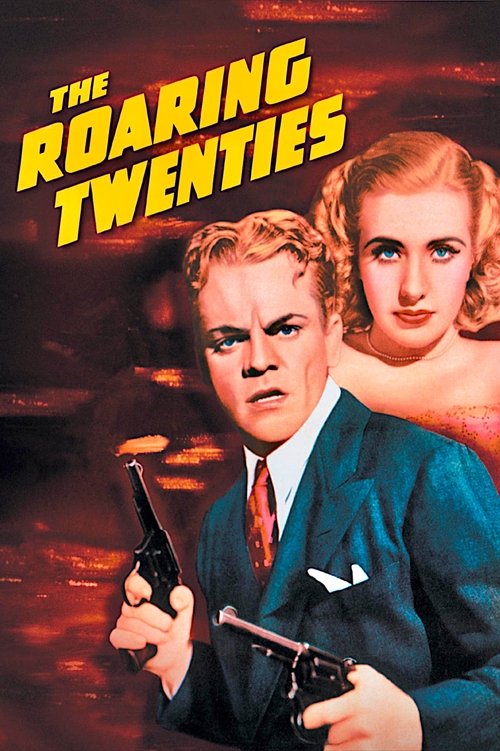
The Roaring Twenties1939
Cagney and Bogart reunite the following year for an even bigger rise-and-fall saga, tracing a WWI vet's slide into bootlegging with the same doomed, magnetic energy.
But It's longer and more sprawling, with a narrated newsreel structure that some find clunky next to this film's tighter plotting.
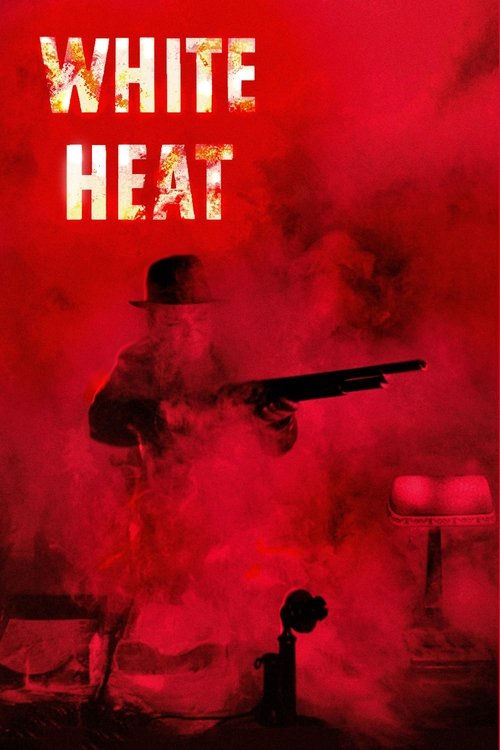
White Heat1949
Cagney's other legendary gangster, Cody Jarrett, is meaner, madder, and more Freudian — the "top of the world" finale is one of cinema's great exits.
But There's no priest, no redemption arc, no ambiguity — just a much darker, more disturbing character study.
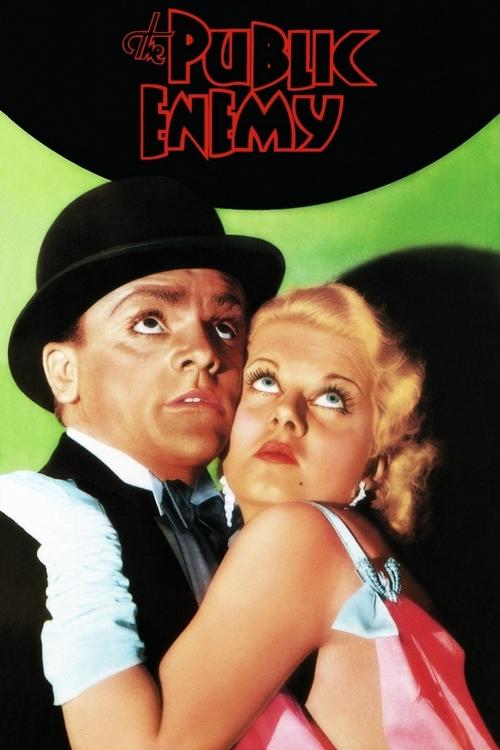
The Public Enemy1931
The film that built the Cagney gangster persona from scratch, brutal and startlingly modern for its age, with the grapefruit scene still shocking decades later.
But Rougher, earlier filmmaking — the pacing and performance styles feel more theatrical than the polished 1938 picture.
The wildcard
Something you would not have found on your own.
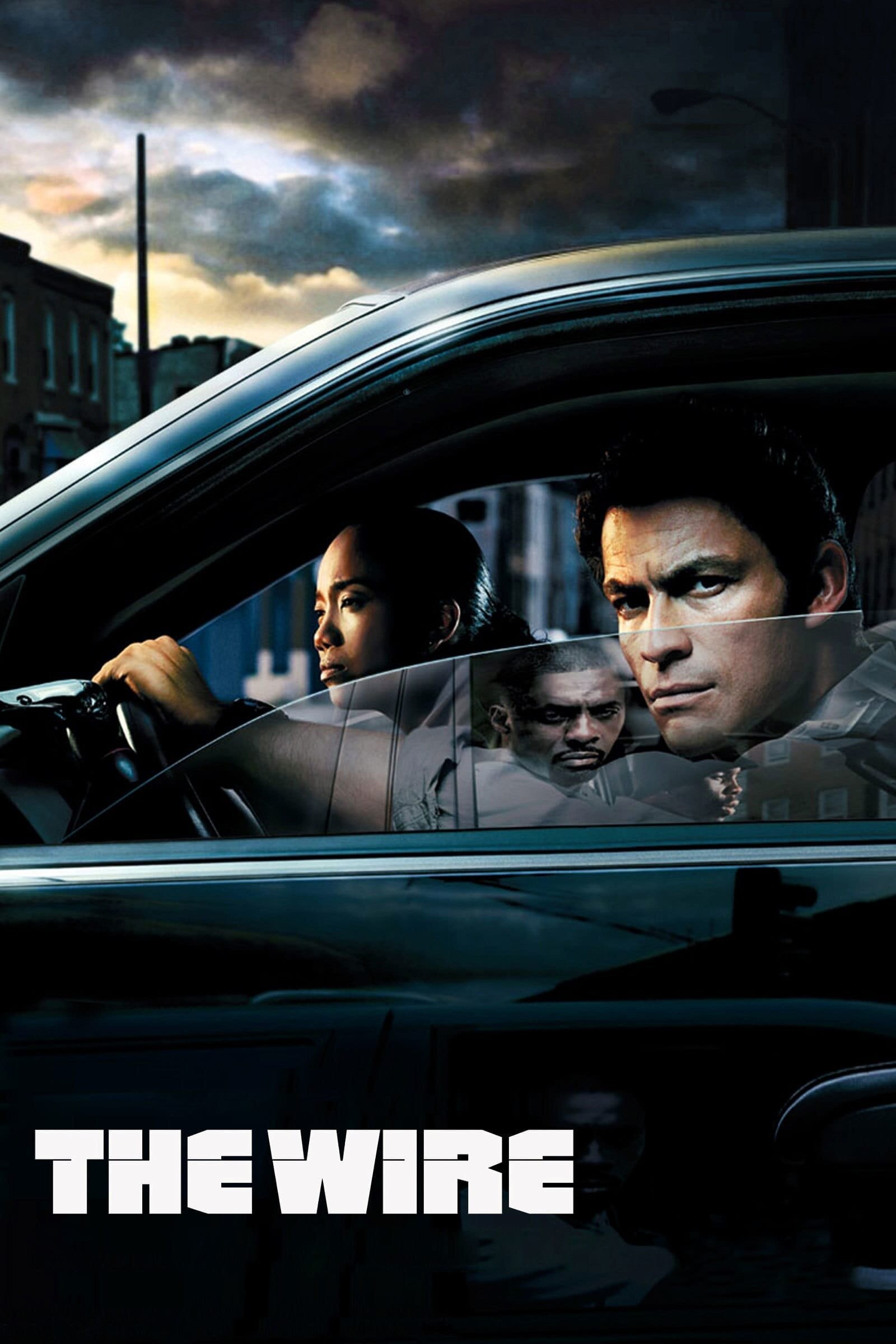
The Wire2002
Both are built around children who model themselves on the local criminal because he's the only adult who looks like he's winning — The Wire just refuses the priest's easy answer.
Watch the exact same tragedy — kids on the corner idolizing the neighborhood's one successful criminal because no one else offers them a future — stretched across five novelistic seasons instead of 97 minutes.
But It's a massive time commitment with a huge cast and no tidy Code-era moral bow at the end.
More like this (8)
Little Caesar1931no page yet
Edward G. Robinson's rise-and-fall gangster classic hits the same beats — small-time hood claws to the top, then loses everything — with equal ferocity and bite.
But Robinson's Rico is colder and less charming than Rocky Sullivan; there's less warmth to hang onto.
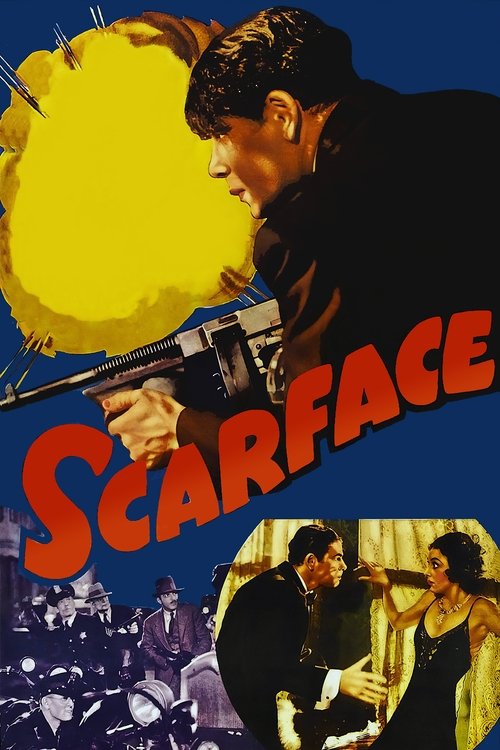
Scarface1932
Howard Hawks' original, with Paul Muni going full operatic in a gangster picture so violent it got censored on release — a direct ancestor of this one.
But Even more melodramatic and less subtle in its morality-play framing than "Angels."
Dead End1937no page yet
Bogart again, plus the actual "Dead End Kids" (including Billy Halop) a year before they turned up here, in a tenement drama about kids choosing between crime and decency.
But It's stagier and more theatrical, adapted closely from a Broadway play, with less momentum than a straight gangster picture.
Boys Town1938no page yet
Spencer Tracy's Father Flanagan tackles the same "can one good man save troubled boys from crime" question, released the same year, with more sentiment and less menace.
But It's much softer and more openly tearjerking, with no gangster glamour or menace — just wholesome uplift throughout.
Manhattan Melodrama1934no page yet
Clark Gable and William Powell play childhood friends who grow into a gangster and a district attorney — the exact same fork-in-the-road structure, with a killer ending.
But Slicker, more romantic-triangle MGM gloss than the grittier Warner Bros. tenement realism you get here.
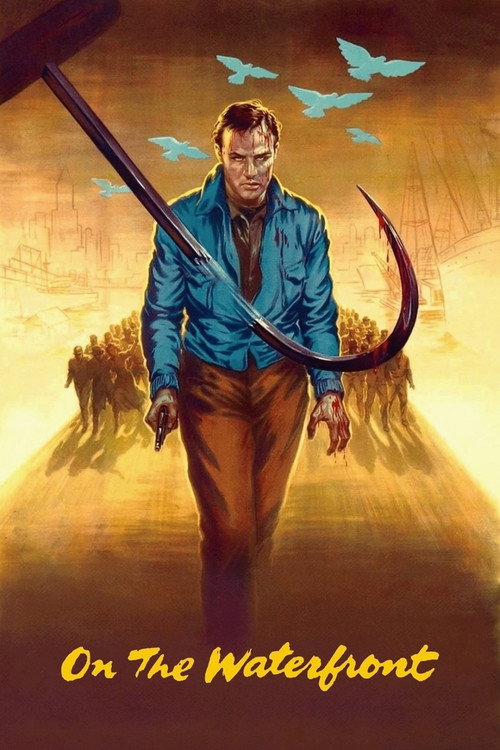
On the Waterfront1954
Brando's conscience-stricken dockworker wrestles with the same Catholic guilt and neighborhood corruption, filmed with grittier, Method-era realism that shows where the genre eventually went.
But Heavier, slower, and more overtly "important" — it's prestige drama, not a fast crime picture.
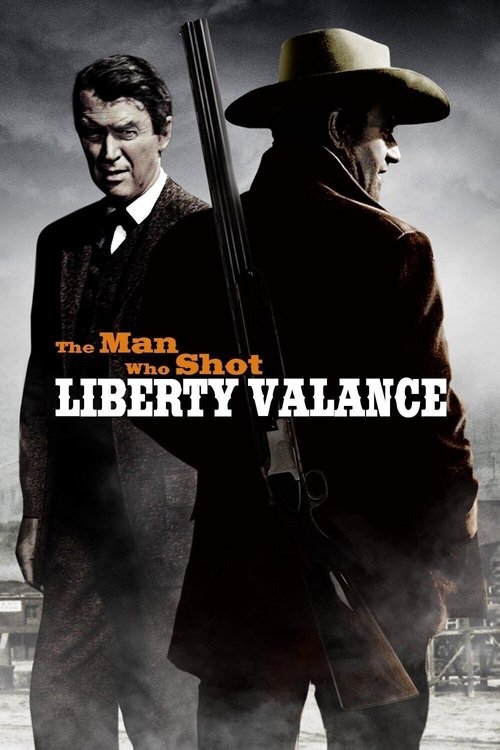
The Man Who Shot Liberty Valance1962
Both films end by deliberately manufacturing a myth for the good of the community, and ask whether that lie is mercy or cowardice.
John Ford's Western asks the same question this film ends on — is it better to tell people a comforting lie than the ugly truth — and delivers one of cinema's great closing lines about it.
But It's a slow, talky Western with none of the tenement grit or gangster energy — a completely different texture and pace.
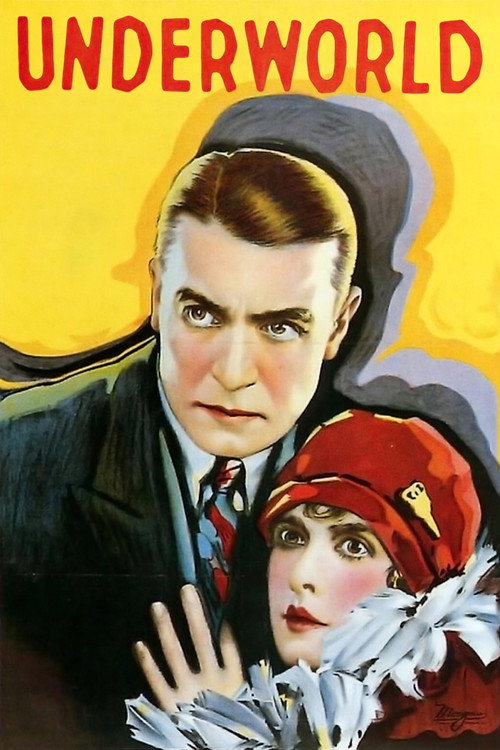
Underworld1927
This is the blueprint Cagney's persona was built from — watch it to see the gangster-as-folk-hero myth being invented in real time, before the Code even existed to punish it.
Josef von Sternberg's silent crime picture essentially invented the whole outfit — the fedora, the code of honor, the gangster as tragic romantic figure — eleven years before Cagney perfected it.
But Silent, slow by modern standards, and its melodrama can feel quaint next to the sound-era snap of "Angels."
People
Cast
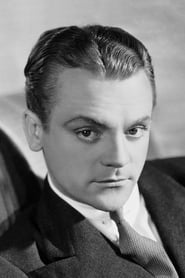 James CagneyRocky Sullivan
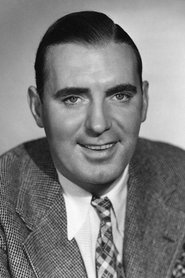 Pat O'BrienJerry Connolly
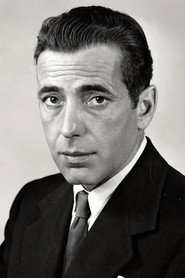 Humphrey BogartJames Frazier
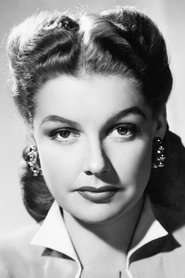 Ann SheridanLaury Ferguson
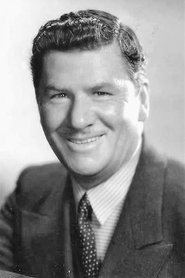 George BancroftMac Keefer
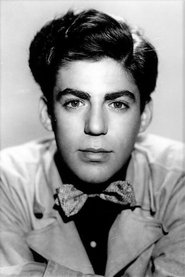 Billy HalopSoapy
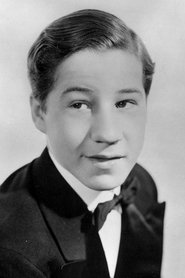 Bobby JordanSwing
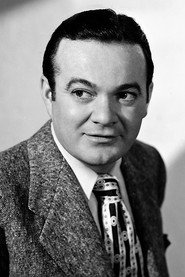 Leo GorceyBim
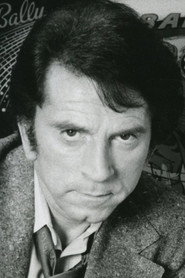 Gabriel DellPasty
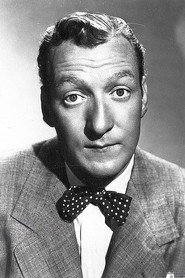 Huntz HallCrab
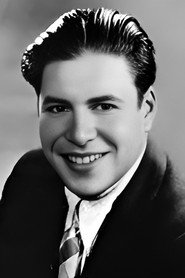 Bernard PunslyHunky
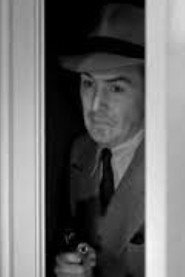 Joe DowningSteve
Directing
- Sherry ShourdsAssistant Director
- Michael CurtizDirector
Writing
- John WexleyScreenplay
- Warren DuffScreenplay
- Rowland BrownStory
- Ben HechtWriter
- Charles MacArthurWriter
Production
- Steve TrillingCasting
- Hal B. WallisExecutive Producer
- Jack L. WarnerExecutive Producer
- Samuel BischoffProducer
- Frank MattisonUnit Manager
Recommended by
The Public Enemy, I Am a Fugitive from a Chain Gang, Going My Way, The Bells of St. Mary's, White Heat, The Roaring Twenties, Underworld