
Film
Women Are Trouble
A 1936 crime drama with Florence Rice as an ambitious young reporter determined to crack a liquor racket. Snappy and lean at 58 minutes, it moves like a newspaper headline—sharp dialogue, fast cuts, and the particular energy of pre-Code Hollywood where women weren't decorative. It's for anyone curious about how crime stories worked before they got heavy, or who loves that specific 1930s rhythm.
Should you watch it?
Watch it if you like lean, fast Depression-era newspaper pictures where a plucky reporter muscles her way into a gang story and the banter does as much work as the plot.
Skip it if you want tight plotting or menace that lingers, because the mystery is slight and the characters are broadly drawn, and this will feel thin.
What it asks of you: At under an hour, it moves briskly from scene to scene, rewarding steady attention to its quick, overlapping dialogue and never lingering on anything.
Not sure? Find tonight's pick in a minute.
If you liked this
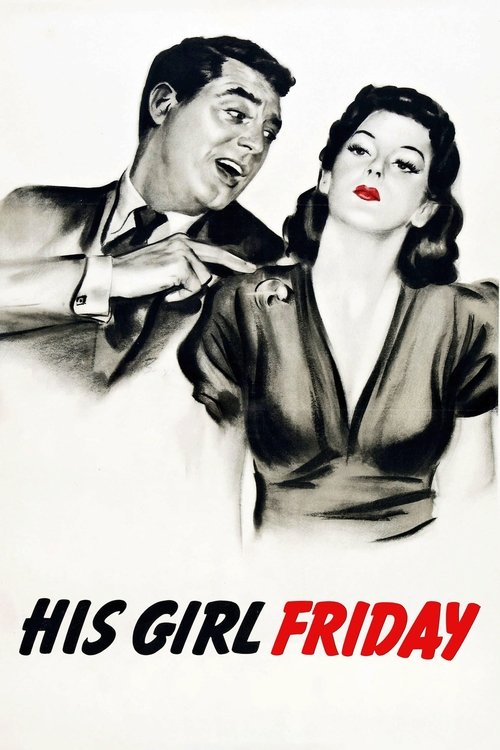
His Girl Friday1940
Rosalind Russell tears through a newspaper office with intelligence and fire. Fast, funny, romantic, and built entirely on the idea that a woman can be smarter and funnier than everyone else in the room. It shares that crackling 1930s-40s energy and a female lead who refuses to be sidelined.
But The screwball pacing can feel manic if you're not in the mood. Some of the gender politics land differently now, even if Russell's character mostly wins her battles.
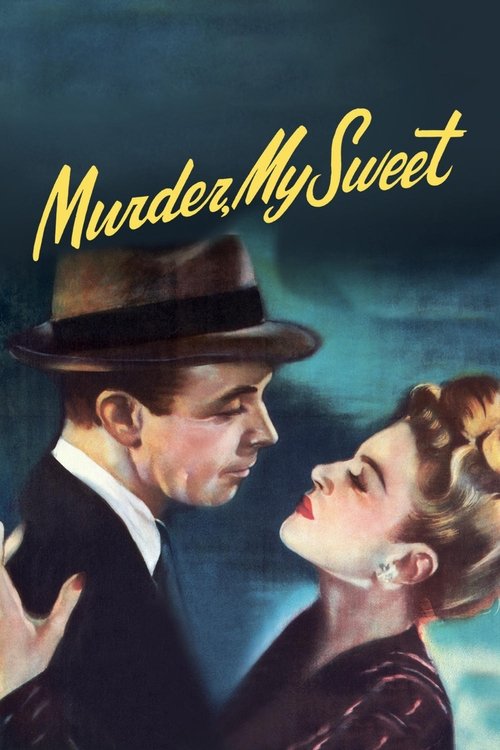
Murder, My Sweet1944
Dick Powell as a man tangled in crime and deception, navigating a world where nothing is what it seems. Tighter plotting, deeper noir shadows, and the same Depression-era underworld setting—but with more psychological weight and visual sophistication than early crime B-movies.
But It's darker and slower-burn. If you want the lean efficiency of 1930s crime thrillers, this one demands patience and mood.
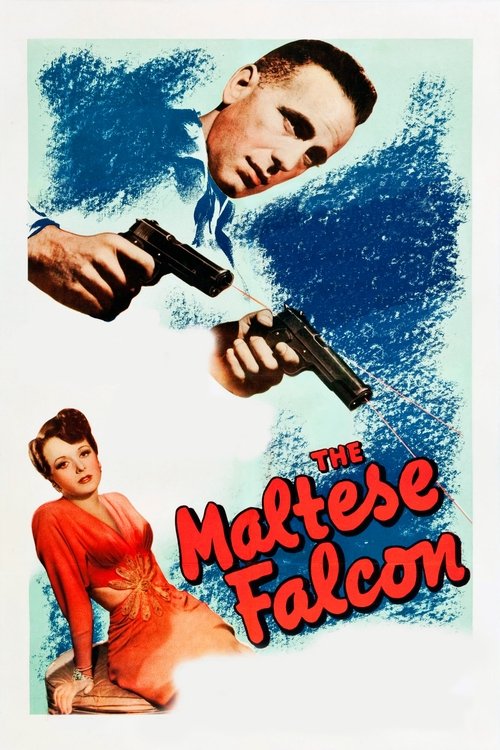
The Maltese Falcon1941
Humphrey Bogart in the template for every crime-and-character story that followed. Sharp dialogue, a plot that moves, and the exact moment Hollywood figured out how to make crime feel both cynical and thrilling. Essential viewing.
But It's been referenced and parodied so much that some of the impact is blunted on first viewing. It can feel more like homework than discovery.
Not sure tonight? Get a pick in a minute, starting from Women Are Trouble
The wildcard
Something you would not have found on your own.
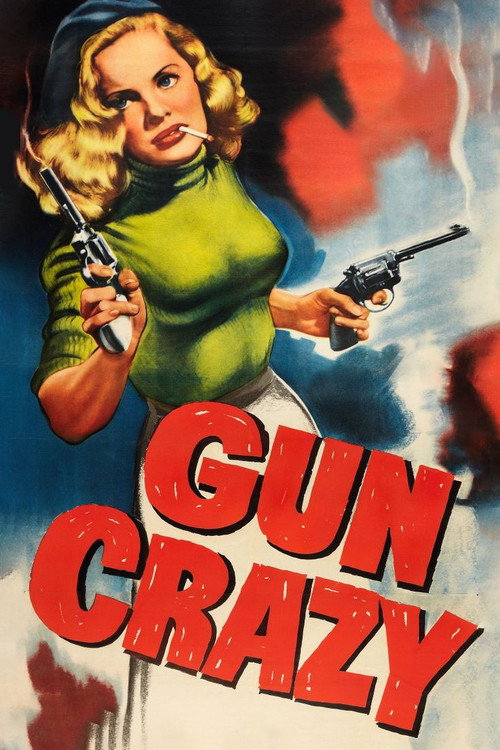
Gun Crazy1950
Both pit young reporters or observers against entrenched crime worlds, but Gun Crazy flips the script—your protagonists are the criminals, which inverts the power dynamic and questions who the 'trouble' actually is.
Two young lovers go on a violent crime spree, and Bart Cormack directs it with real visual flair—hand-held camerawork, documentary-style realism, and a moral ambiguity that was genuinely startling for 1950. It's the film Bonnie and Clyde learned from. Fast, sexual, thrilling.
But The violence is casual and unpunished in ways that might feel nihilistic. If you need your heroes to have clear moral centers, this will disturb rather than entertain you.
More like this (8)
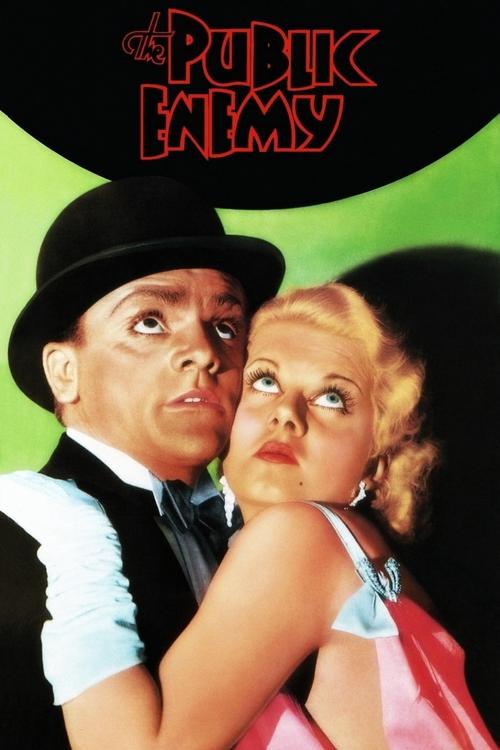
The Public Enemy1931
James Cagney at the moment gangster pictures were still shocking and raw. Direct, brutal, and genuinely unpolished in a way that makes it feel urgent. The moral discomfort is the point, not a bug.
But It's rough and sometimes poorly paced by modern standards. The sound recording is thin, and some scenes feel more like stage blocking than cinema.
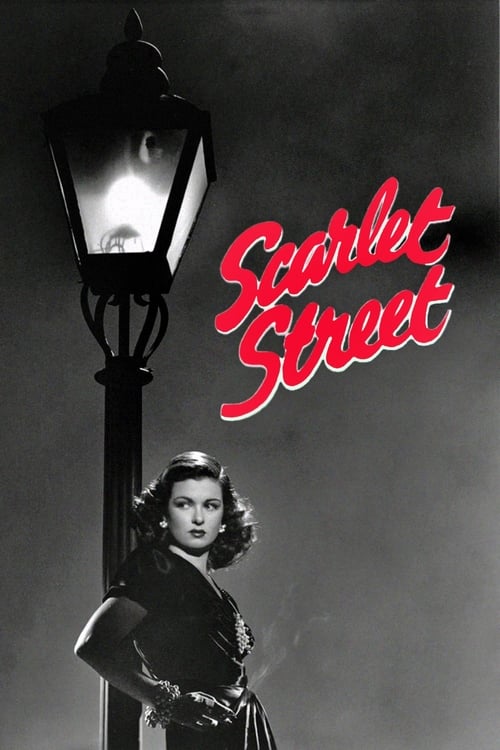
Scarlet Street1945
Fritz Lang directing Edward G. Robinson in a downward spiral of crime and obsession. Visually gorgeous, morally bleak, and it treats female characters with real complexity—they're not rewards or obstacles, they're forces.
But It's pessimistic in a way that can feel suffocating. There's no one to root for, and the ending offers no comfort.
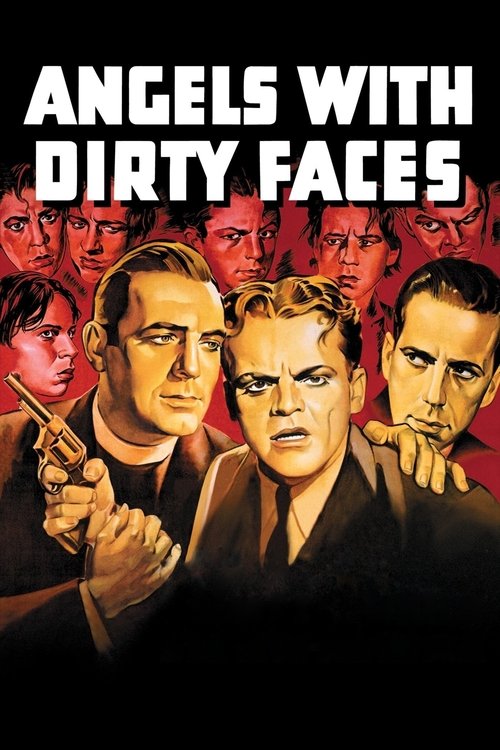
Angels with Dirty Faces1938
James Cagney and Humphrey Bogart as childhood friends on opposite sides of the law. Exciting, sentimental without being soft, and it captures the gangster-picture spirit of the era—crime as a career path, loyalty as currency.
But The religious messaging in the third act will feel heavy-handed. Some scenes strain for pathos and land awkwardly.
The Asphalt Jungle1950
John Huston's heist masterpiece—the blueprint for every crime ensemble film that followed. Methodical, compassionate toward its criminals, and structured so tightly that each character feels essential. A genuine turning point in how movies tell crime stories.
But It's methodical to the point of slow burn. If you want kinetic entertainment, you'll find yourself waiting for the heist that doesn't arrive until the end.

In a Lonely Place1950
Humphrey Bogart as a violent, unstable man accused of murder—a role that interrogates his tough-guy persona. Directed by Ray Rays with real psychological insight. Crime as a backdrop to something much darker: human isolation and rage.
But It's grim and claustrophobic. There's little relief, and the romantic relationship never quite convinces, which undermines the ending.

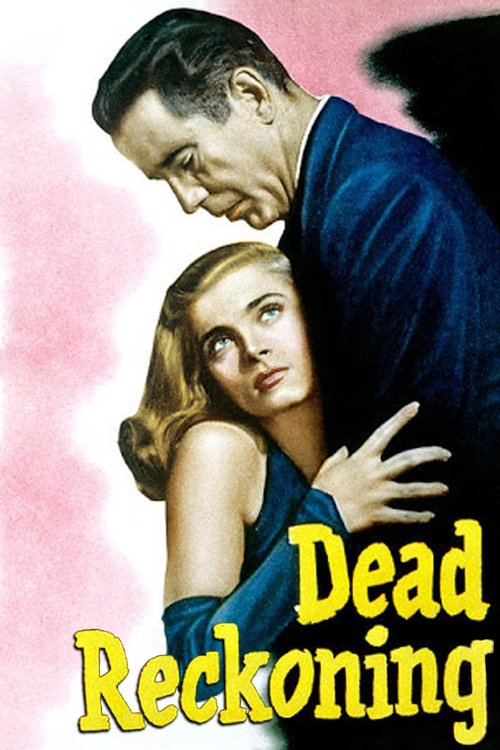
Dead Reckoning1946
Humphrey Bogart and Rita Hayworth in a smart, twisty postwar crime tale. Good-looking, well-acted, and it moves briskly without sacrificing character. A solid middle-ground between A-picture quality and B-movie entertainment value.
But It's polished enough to feel a bit safe. The plot surprises don't land as hard as they should, and it's easy to forget after you've seen it.
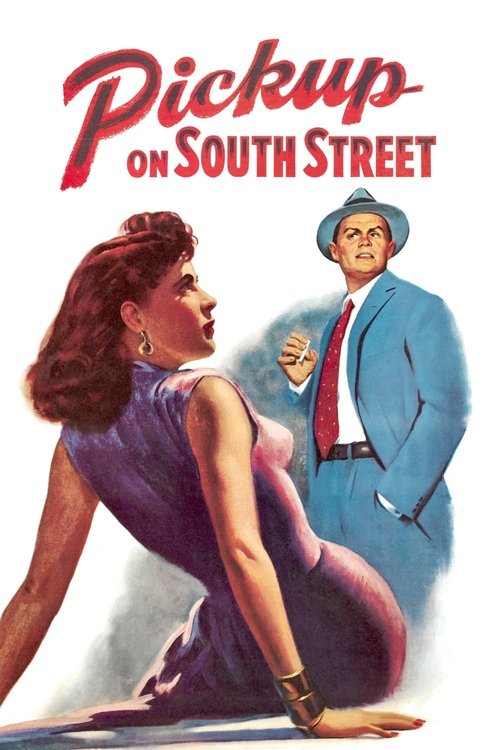
Pickup on South Street1953
Like Women Are Trouble, it's a lean crime picture told from the perspective of someone trying to navigate a system rigged against them, but Fuller's vision is far more visually radical—a blueprint for how to make nothing look like everything.
Samuel Fuller's minor masterpiece about a pickpocket caught between criminals and the FBI. Made on a shoestring but directed with kinetic brilliance—every frame crackles. It's about ordinary people trapped by forces larger than themselves, and it moves like a fever dream.
But It's pulpy and slightly ridiculous at moments. Some plot logic won't withstand scrutiny, and the 1950s Cold War paranoia might feel dated.
In the Mood for Love2000
Both are films about people maneuvering in confined spaces, trying to maintain composure and dignity while the world around them falls apart. Women Are Trouble is urgency; In the Mood for Love is its opposite—time stopped. Both know that restraint can be more powerful than action.
Wong Kar-wai's hypnotic Hong Kong melodrama about two neighbors who discover their spouses are having an affair. It looks like a Technicolor fever dream—every frame is composed like a painting. Grief and desire told through geometry and color rather than plot.
But It's slow, oblique, and its emotional language is primarily visual. If you need clear narrative momentum and dialogue-heavy storytelling, this will feel frustrating and mannered.

People
Cast
 Florence RiceRuth Nolan
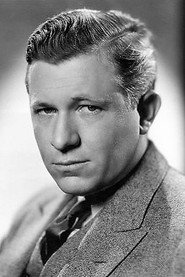 Stuart ErwinMatt Casey
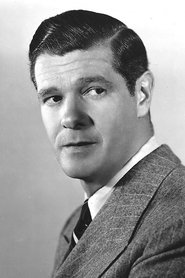 Paul KellyBill Blaine
 Margaret IrvingFrances Blaine
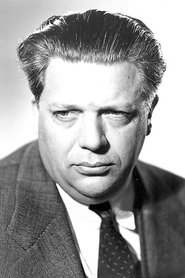 Cy KendallInspector Matson
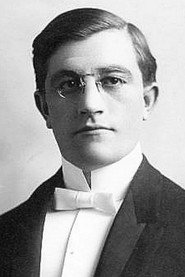 John HarringtonTim Gleason
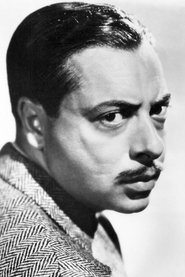 Harold HuberPete the Pusher
 Kitty McHughMrs. Della Murty
 Raymond HattonJoe Murty
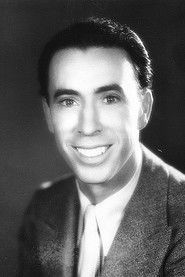 George ChandlerReporter
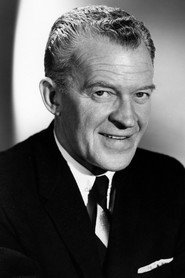 Frank JenksReporter
 Harry BurnsEscarel
Directing
- Errol TaggartDirector
Writing
- Michael FessierScreenplay
- George Harmon CoxeStory
Production
- Lucien HubbardProducer
- Michael FessierProducer