
Film
Dead Reckoning
A 1946 film noir where Humphrey Bogart's war hero investigates his friend's mysterious death, tangling with corruption, femmes fatales, and shadowy conspirators. Sharp dialogue, moody cinematography, and that perfect post-war paranoia. For anyone who loves classic crime thrillers with real moral ambiguity and no neat answers.
If you liked this
The Killers1946
Released the same year, this Burt Lancaster noir opens with murder and spirals backward through betrayal and double-crosses. It has the same relentless momentum and moral darkness, with a protagonist unraveling secrets others wanted buried.
But The plot can feel convoluted on a first watch. You need to sit with the narrative structure rather than have it handed to you.

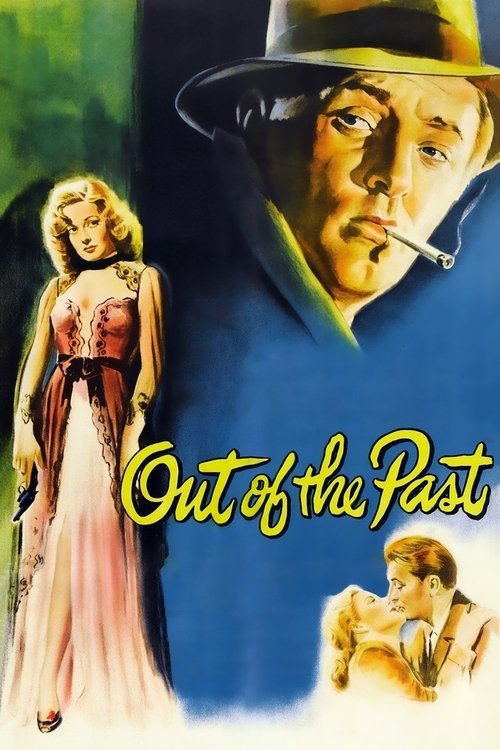
Out of the Past1947
Robert Mitchum and Jane Greer in the definitive noir: a man pulled back into a criminal past by the woman he can't resist. The fatalism, the doomed-from-the-start inevitability, the gorgeous corrupted world—it's all here at its most potent.
But It moves at a 1940s pace. If you need constant plot momentum, the introspective stretches may feel slow.
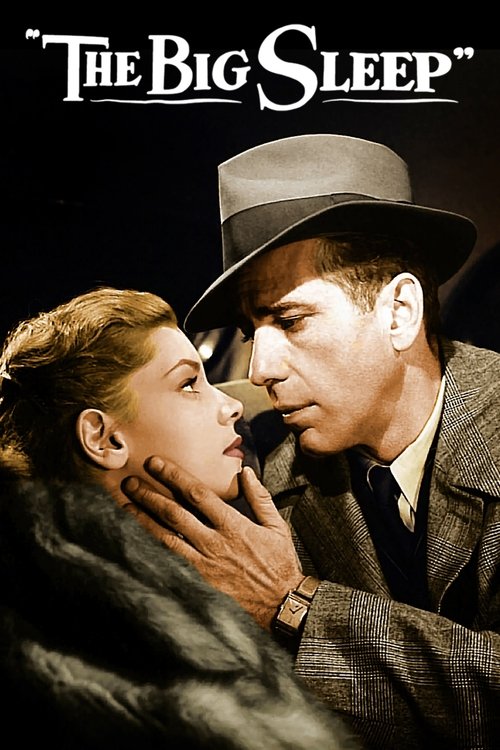
The Big Sleep1946
Bogart and Bacall reteamed, with a murder mystery so intricate it barely holds together—but that's half the fun. Witty, dangerous, sexy, and impossible to fully untangle. Same year, same actor, same intoxicating atmosphere.
But The plot is genuinely confusing. Even the filmmakers couldn't explain who killed the chauffeur. You have to surrender to mood over logic.
Not sure tonight? Get a pick in a minute, starting from Dead Reckoning
The wildcard
Something you would not have found on your own.
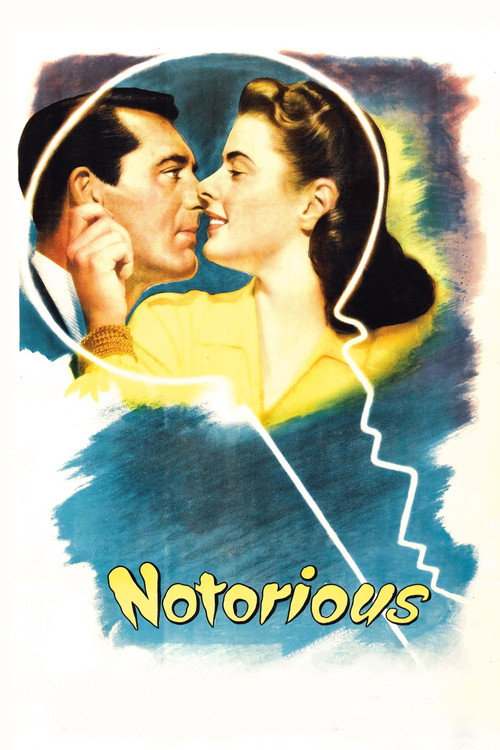
Notorious1946
Both center on a protagonist investigating hidden truths and encountering a woman whose loyalty is unknowable. Both are about information withheld and the cost of discovering it too late.
Hitchcock, not a noir director, made a spy thriller that has noir's moral rot at its core: betrayal, seduction as a weapon, and the question of whether you can trust anyone. Cary Grant and Ingrid Bergman. Same year, same architecture of suspicion.
But It's paced like a thriller, not a mystery. You know who the villain is; the tension is in what happens next, not in revelation.
More like this (8)
In a Lonely Place1950
Humphrey Bogart as a volatile, bitter man accused of murder. It's a noir that interrogates masculinity and paranoia with real psychological depth. Ray's direction is hypnotic and claustrophobic.
But It's darker and more character-focused than action-driven. The protagonist is difficult, isolated, and the film doesn't offer easy catharsis.

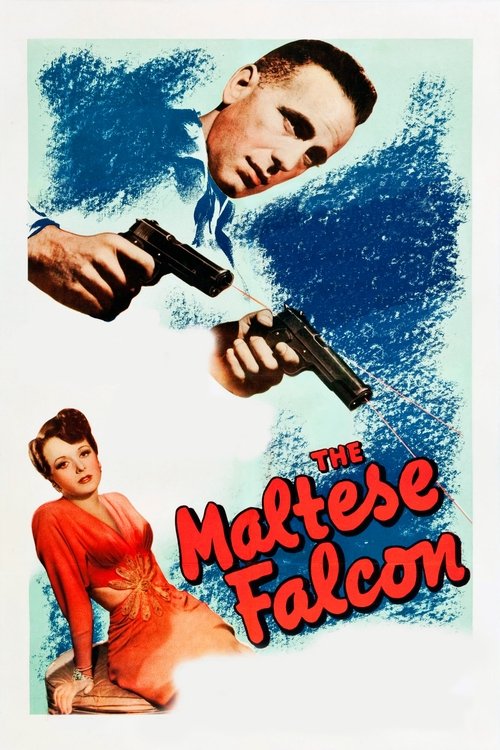
The Maltese Falcon1941
Bogart's definitive detective role: world-weary, principled, surrounded by liars and schemers. Huston's debut is pitch-perfect noir, and every frame feels inevitable.
But It's foundational rather than surprising. You may have already seen it or know the beats. The reputation can overshadow the experience on first viewing.
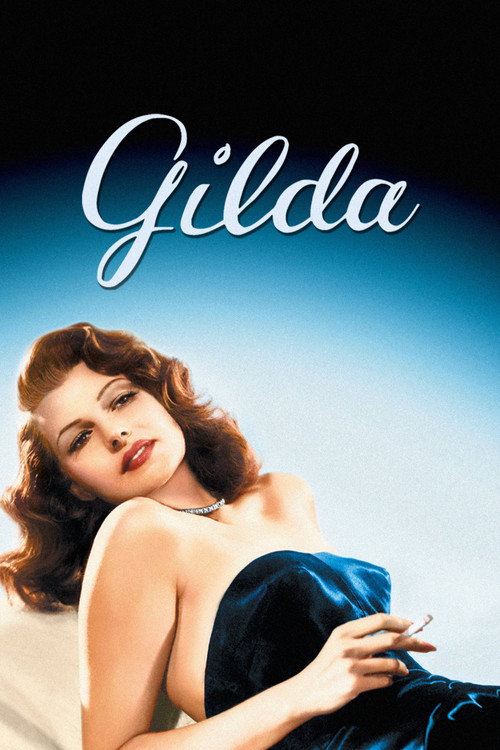
Gilda1946
Rita Hayworth as the ultimate femme fatale, Glenn Ford as the man she destroys. Same year as Dead Reckoning, with the same sexy, dangerous energy and a woman who rewrites every rule of the noir universe.
But It's very much a product of its time regarding how women are depicted. The misogyny is not subtle, even by 1946 standards.
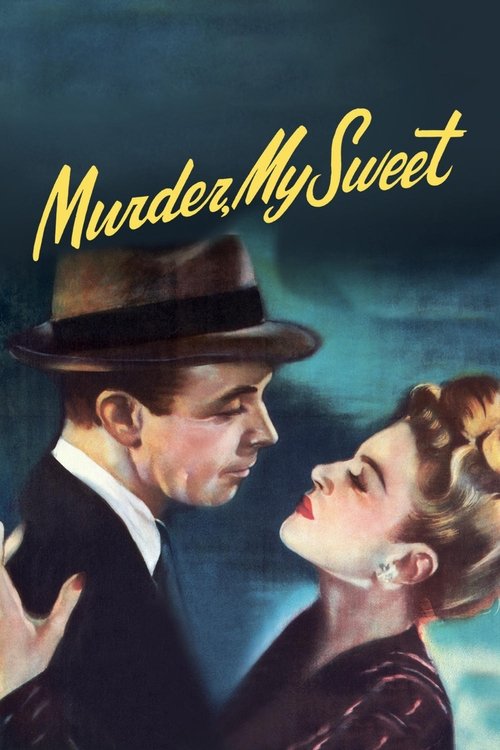
Murder, My Sweet1944
Dick Powell transforms into a noir protagonist: cynical, broke, dragged into a labyrinth of murder and blackmail by a woman with secrets. The femme fatale dynamic is as complex and treacherous as anything in Dead Reckoning.
But The second half turns surreal and dream-logic. If you want a linear investigation, this will frustrate you.
The Asphalt Jungle1950
Huston's heist noir: meticulous, unglamorous, structured like clockwork until it all unwinds. It's about professional criminals with no illusions, living in a world where loyalty means nothing.
But There's no hero to root for. Everyone is compromised, and the film doesn't apologize or explain away the moral emptiness.

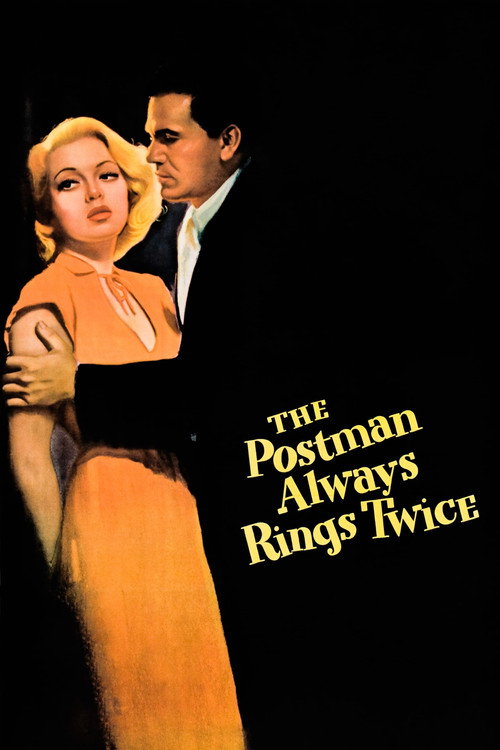
The Postman Always Rings Twice1946
John Garfield and Lana Turner: passion, murder, and the woman you can't leave alone even though she'll destroy you. Same year, same doomed-lovers-and-crime template, with real heat.
But It's melodramatic. The emotions are big and obvious rather than suggested. The Production Code neutered some of the book's punch.
The Third Man1949
Both feature a man investigating a friend's death, discovering that the friendship itself was built on lies, and that knowing the truth doesn't make anything better.
Set in post-war Vienna, it's about a man investigating an old friend's death and learning that betrayal is the only currency that matters. Reed's direction is baroque and paranoid; the zither score is haunting. It has Dead Reckoning's structure and emotional logic but operates at a higher altitude.
But It's more interested in atmosphere and moral ambiguity than plot clarity. The ending is bleak. It demands your full attention and rewards it with beauty.

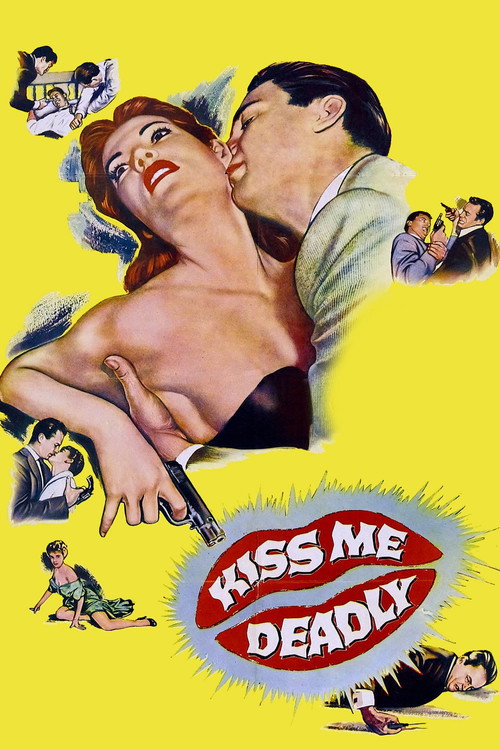
Kiss Me Deadly1955
Both hinge on a mystery that corrupts everyone who touches it, but this one suggests the mystery itself is a kind of curse—that some things are better left undiscovered.
Aldrich's atomic-age noir: Mike Hammer as a brute in a corrupt LA, investigating a murder that leads to a MacGuffin that might end the world. It's hardboiled, violent, and apocalyptic. A brutal, visionary endpoint to the noir cycle that started with Dead Reckoning.
But Hammer is a contemptible protagonist. The violence is shocking. The ending is nihilistic. It's not fun in the way Bogart noirs can be; it's a funeral for the genre itself.
People
Cast
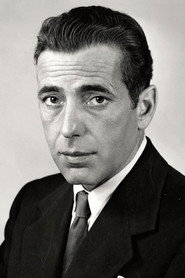 Humphrey BogartCapt. 'Rip' Murdock
 Lizabeth ScottCoral Chandler
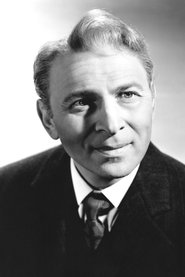 Morris CarnovskyMartinelli
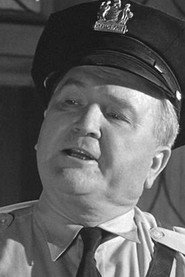 Charles CaneLt. Kincaid
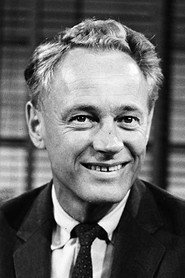 William PrinceSgt. Johnny Drake
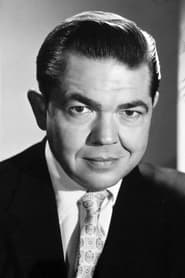 Marvin MillerKrause
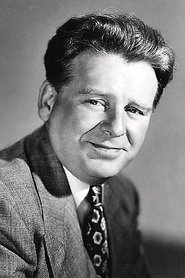 Wallace FordMcGee
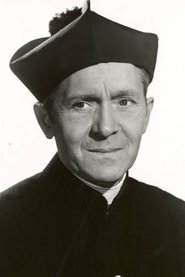 James BellFather Logan
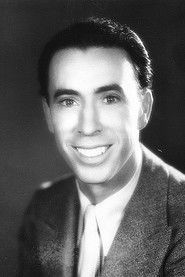 George ChandlerLouis Ord
 Matthew BeardBellboy (uncredited)
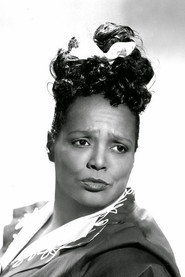 Ruby DandridgeMabel (uncredited)
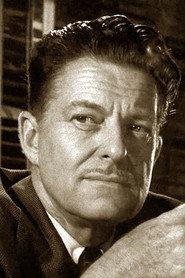 George EldredgePolice Officer Casey (uncredited)
Directing
- Seymour FriedmanAssistant Director
- John CromwellDirector
Writing
- Allen RivkinAdaptation
- Oliver H.P. GarrettScreenplay
- Steve FisherScreenplay
- Gerald Drayson AdamsStory
- Sidney BiddellStory
Production
- Sidney BiddellProducer