
Film
Crime School
A 1938 crime drama where Humphrey Bogart plays a reform-minded deputy commissioner fighting corrupt system insiders at a brutal reformatory. It's earnest and propulsive, shot through with Bogart's quiet intensity before he became a star. For anyone interested in early American crime films or how Hollywood tackled institutional corruption when the Production Code still ruled.
Should you watch it?
Watch it if you like prison-reform melodramas with a hard edge, where a gang of street kids sits at the heart of the story and Bogart plays the earnest outsider trying to change a rotten institution.
Skip it if you want sly, understated social drama, since this one is blunt, sermonizing, and its villains are drawn in broad strokes.
What it asks of you: Brisk and short at around eighty-five minutes, it moves in plain, earnest scenes with little room for mood; give it your attention for the dialogue, not for ambiguity.
Not sure? Find tonight's pick in a minute.
If you liked this
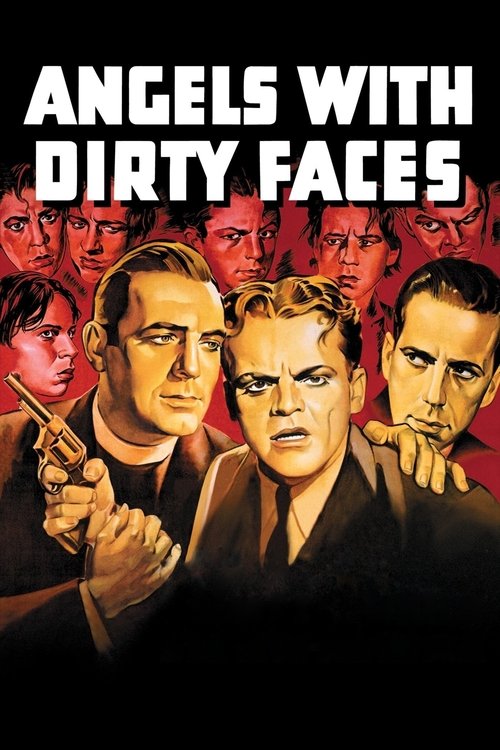
Angels with Dirty Faces1938
Gangsters, reform schools, and moral ambiguity in 1930s New York—released the same year as Crime School but with James Cagney and Humphrey Bogart locked in a battle of wills. Faster-paced and more iconic, with genuine emotional depth.
But It overshadows everything else about that year. If you've already seen it, Crime School offers a different angle on the same era without feeling derivative.
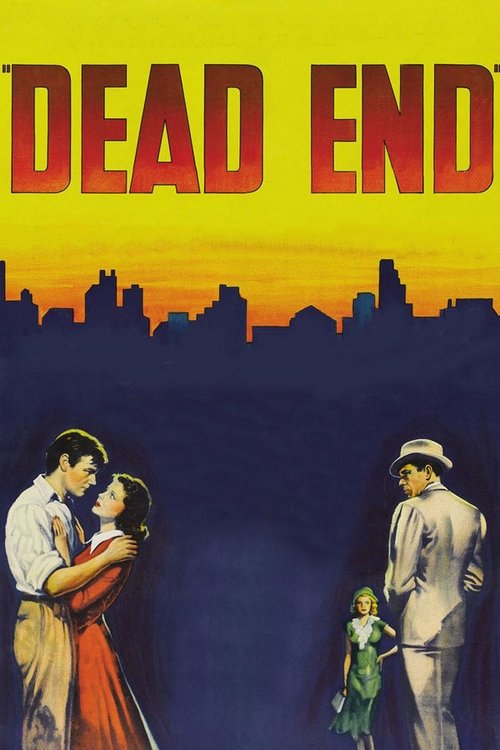
Dead End1937
William Wyler's look at poverty and youth crime in Manhattan, with the same social conscience and many of the same young actors. Bleaker and more visually sophisticated than Crime School, yet oddly gentler about its characters.
But It's more a portrait than a thriller. Long stretches focus on atmosphere and social detail rather than plot momentum, which some find tedious.
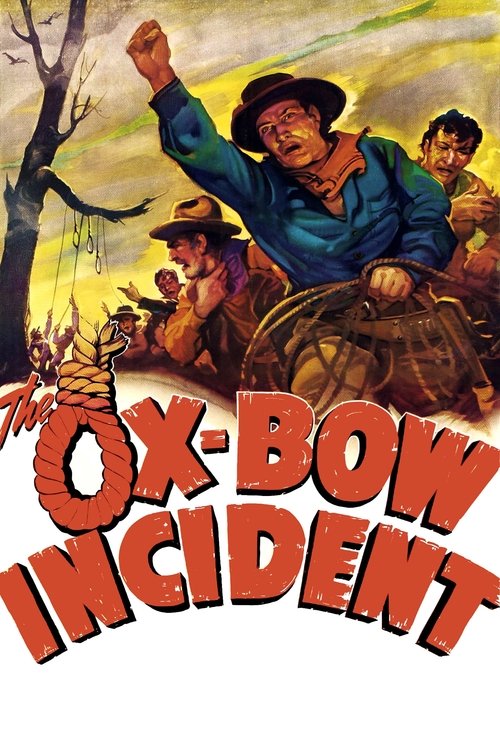
The Ox-Bow Incident1943
William A. Wellman directing a western about mob justice and institutional failure. Same moral engine as Crime School—one good man against a corrupt system—but set in a town instead of a reformatory.
But It's elegiac and fatalistic. If you want to watch someone win, this isn't the film. The tragedy feels inevitable from the start.
Not sure tonight? Get a pick in a minute, starting from Crime School
The wildcard
Something you would not have found on your own.
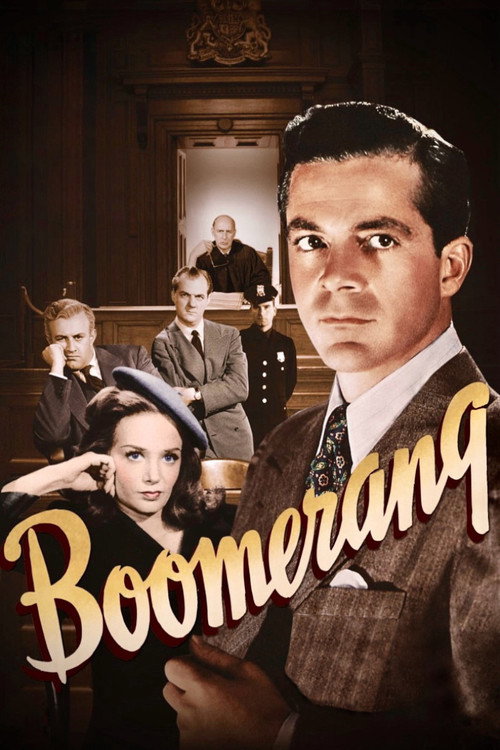
Boomerang!1947
Both are institutional critiques disguised as crime dramas. Both ask whether one good person can fix a rotten system. Crime School says maybe yes; Boomerang! says the system is designed to resist exactly that.
Elia Kazan's documentary-realist drama about a district attorney prosecuting the wrong suspect, filmed partly on location in Connecticut with real officials. Same critique of institutional corruption as Crime School but inverted: here, the system wants to convict the innocent. Shot with newsreel texture that makes the moral rot feel genuinely systemic.
But It's a procedural that takes its time. There's no action, no dramatic arc—just the slow, exhausting machinery of law enforcement being broken. Patience required.
More like this (8)
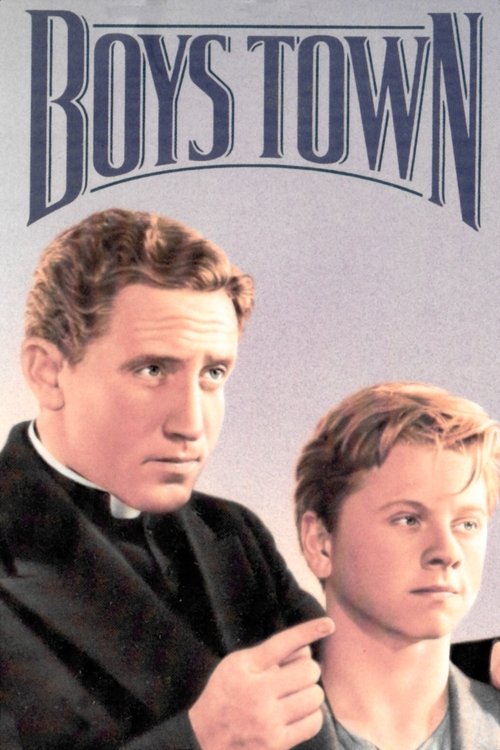
Boys Town1938
Spencer Tracy as a priest running a home for delinquent boys, with Mickey Rooney as his most difficult case. Idealistic and sentimental in ways Crime School refuses to be, but with the same basic premise: can one decent man save broken kids?
But The sentimentality can feel cloying. It's earnest to the point where modern viewers sometimes laugh at it unintentionally.
The Asphalt Jungle1950
John Huston's heist film that launched a thousand imitators. Criminal underworld, tight plotting, moral complexity, and the slow accumulation of consequences. Everything Crime School reaches for but with a generation's additional cynicism.
But It's about career criminals, not reform. If you're looking for hope, this offers precious little of it.

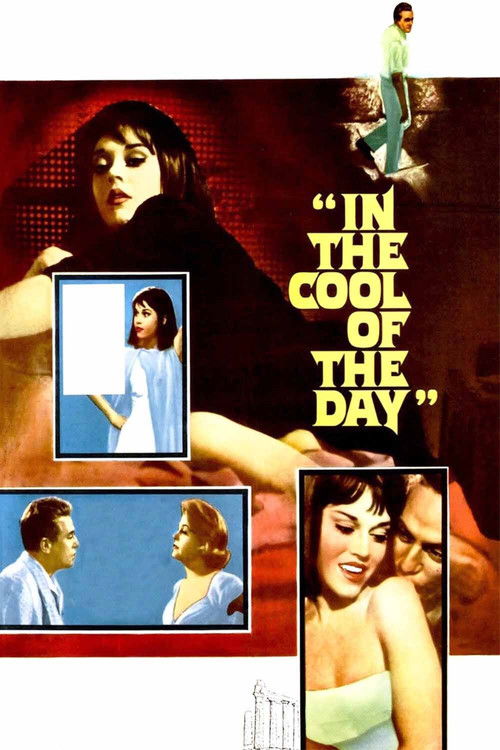
In the Cool of the Day1963
A later Bogart—well, actually Peter Finch—in a reflective character drama about an older man grappling with regret and redemption. Shows what Crime School's themes might become decades later when the hero is forced to account for his life.
But This is a 1963 film, not a 1938 one. The pacing and sensibility are completely different, which some find either liberating or alienating.
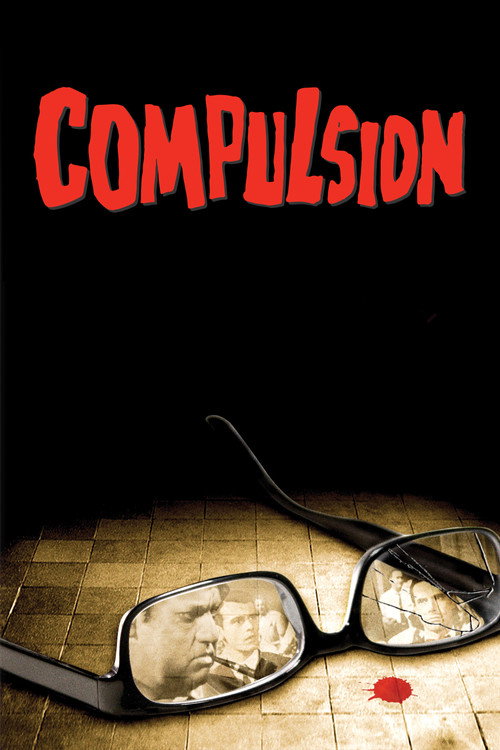
Compulsion1959
Richard Fleischer's courtroom drama about a reform-minded lawyer defending impossible clients. Orson Welles as a crusading prosecutor, moral complexity in every scene. Shows how the crime-and-system-corruption theme evolved in the 1950s.
But It's primarily a courtroom film. If you came for street crime and reform schools, the second half is legal procedure and debate.
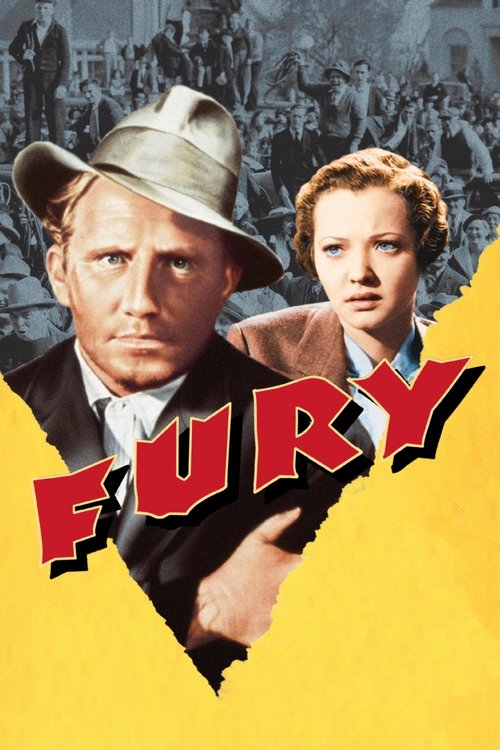
Fury1936
Fritz Lang's American debut: an innocent man nearly lynched by a mob, a town's justice system in collapse. Same anger at institutional failure as Crime School, but trained on lynch mobs rather than reformatories.
But It's visually dark and morally bleak. The rage never quite dissolves into hope, which some find draining rather than cathartic.
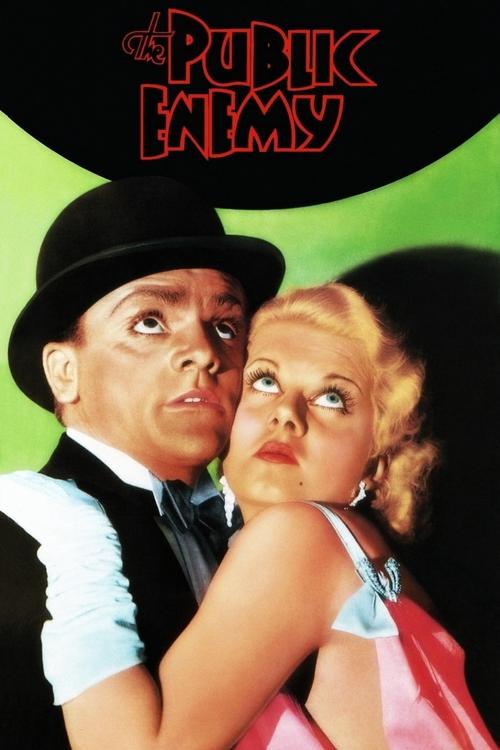
The Public Enemy1931
James Cagney as a gangster's rise and fall, a proto-crime film that shaped everything after. Rawer than Crime School, less interested in reform, more interested in the seduction of criminal life. The ancestor of the whole cycle.
But It's brutal and cynical in ways that feel dated now. The moralizing is heavy-handed, and the pacing is slack by modern standards.
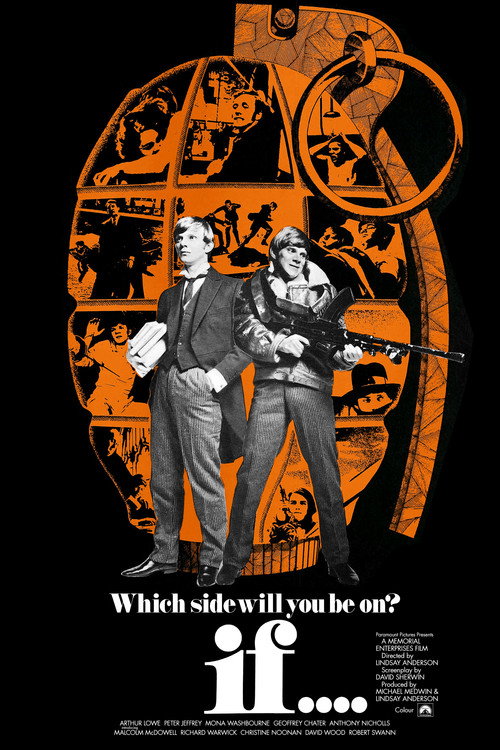
if....1968
Both are about young men trapped in a brutal institution. Crime School believes reform is possible from above; If... argues that the institution itself must be destroyed. One is about a good deputy commissioner, the other is about students with guns.
Lindsay Anderson's violent, surreal film about rebellion in an English public school. Starts as social realism, becomes experimental nightmare, ends in armed revolution. A reformatory story told in radical form—black and white photography that shifts into colour, dialogue that breaks into poetry and silence.
But It's aggressively avant-garde. The jump into surrealism will feel pretentious to some, and the political violence is genuinely shocking. Nothing like the classical narrative of Crime School.
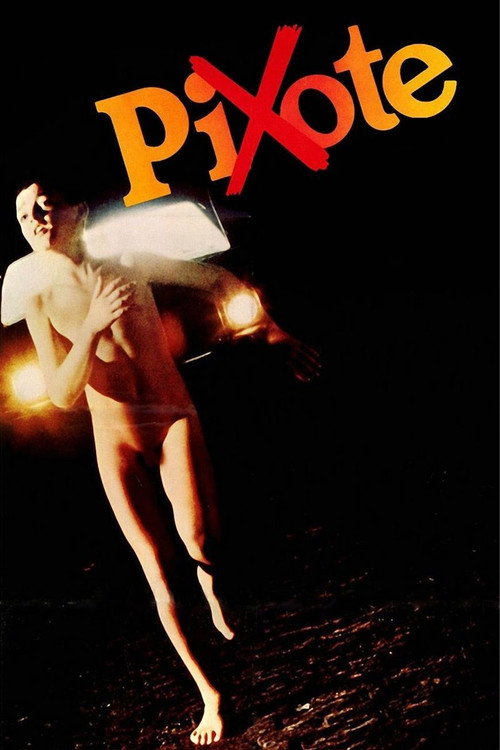
Pixote1980
Both centre on young criminals and reformatory systems, but Pixote answers Crime School's question with a flat no. There is no reform here, no good man arriving to save anyone. It's the inverse reply, from a different continent and a different era, saying the institutions don't break—only the people inside them do.
Hector Babenco's Brazilian street-realism film following a ten-year-old through Brazil's criminal underworld and reformatory system. Shot almost like documentary, brutal and unflinching, with a non-professional child actor. Makes Crime School look like it was made in a different universe: this is what happens when there is no Humphrey Bogart to fix things.
But It's genuinely difficult to watch. The violence, sexual abuse, and despair are presented without sentimentality. Not cathartic; punishing. Requires emotional fortitude.
People
Cast
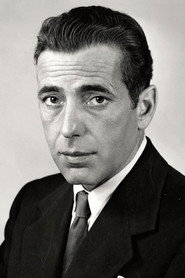 Humphrey BogartMark Braden
 Gale PageSue Warren
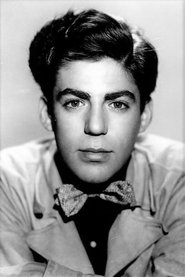 Billy HalopFrank 'Frankie' Warren
 Bobby JordanLester 'Squirt' Smith
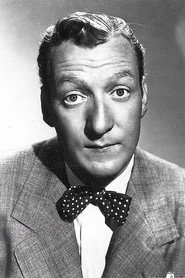 Huntz HallRichard 'Goofy' Slade
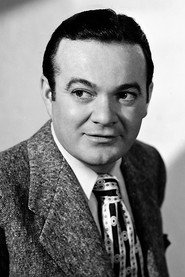 Leo GorceyCharles 'Spike' Hawkins
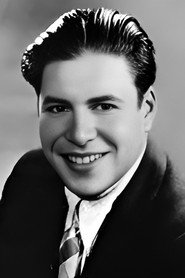 Bernard PunslyGeorge "Fats" Papadopolous
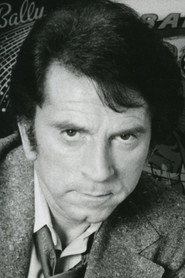 Gabriel DellTimothy "Bugs" Burke
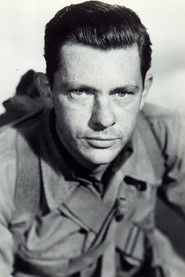
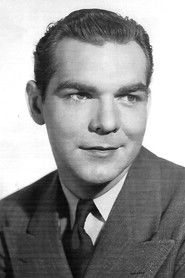 Weldon HeyburnCooper
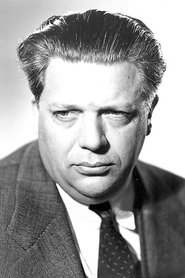 Cy KendallMorgan
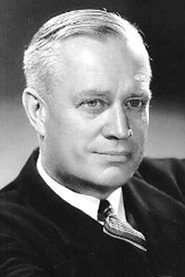 Charles TrowbridgeJudge Robert E. Clinton
Directing
- Fred TylerAssistant Director
- Lewis SeilerDirector
- William ClemensDirector
Writing
- Crane WilburScreenplay
- Vincent ShermanScreenplay
- Crane WilburStory
Production
- Bryan FoyAssociate Producer
- Hal B. WallisExecutive Producer
- Jack L. WarnerExecutive Producer
- Lee HuguninUnit Manager