
Film
Boomerang!
Elia Kazan's stripped-down procedural, based on a real unsolved Connecticut murder, follows a district attorney who starts to doubt the case his own office built against the only suspect. Shot on real streets with a newsreel's flat authority, it trades noir shadows for daylight unease. For anyone who likes their justice systems shown as fallible machinery, not melodrama.
If you liked this
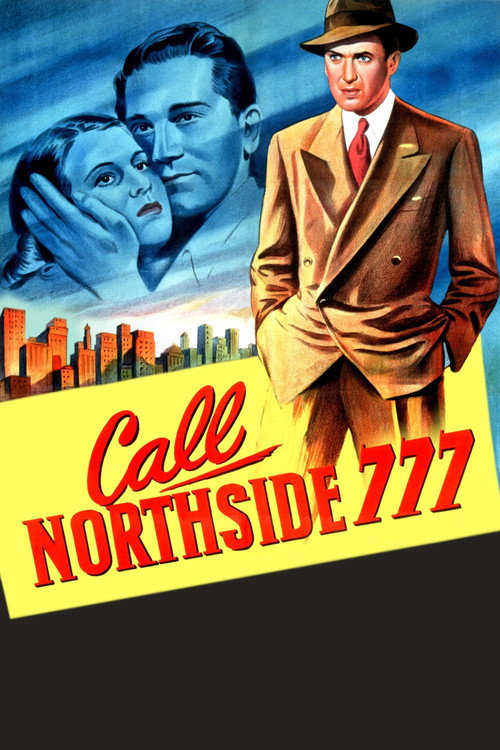
Call Northside 7771948
Same postwar docudrama DNA — James Stewart's reporter digs through a decade-old wrongful conviction using real Chicago locations and a narrator who sounds like he's reading the news. It's practically Boomerang!'s twin, made almost simultaneously.
But The pacing is deliberate and the tone stays clinical throughout; if you want warmth or humor, this isn't it.
The Wrong Man1956
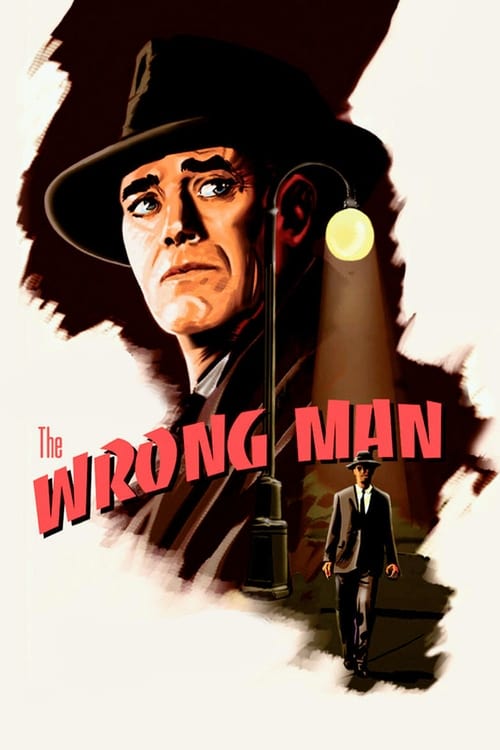
Hitchcock strips away his usual playfulness for a grim, true-story account of mistaken identity, shot with the same documentary sobriety. Henry Fonda's quiet dread is the closest thing to Dana Andrews' unease you'll find.
But It's unusually joyless for Hitchcock — no set pieces, no release valve, just accumulating dread.
12 Angry Men1957
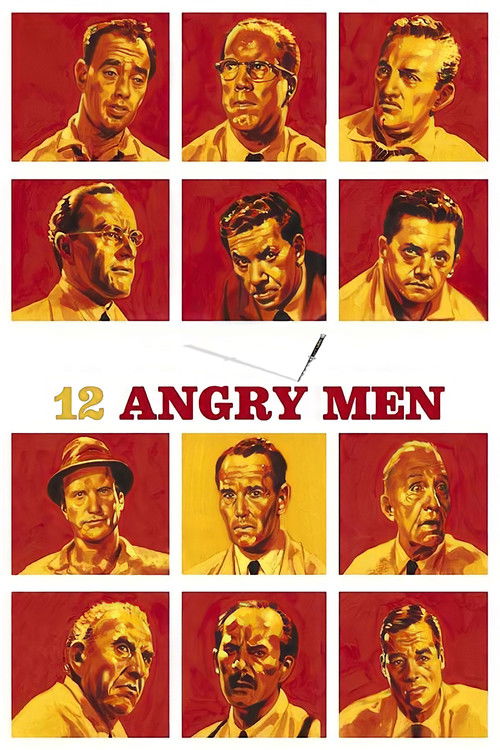
One room, twelve strangers, and the same question Boomerang! asks from the prosecutor's side: how easily does 'obvious' guilt collapse under real scrutiny? Tense, talky, and still the gold standard for courtroom doubt.
But No courtroom, no crime scene, no witnesses on the stand — just argument. Some find it stagey.
The wildcard
Something you would not have found on your own.
Fury1936
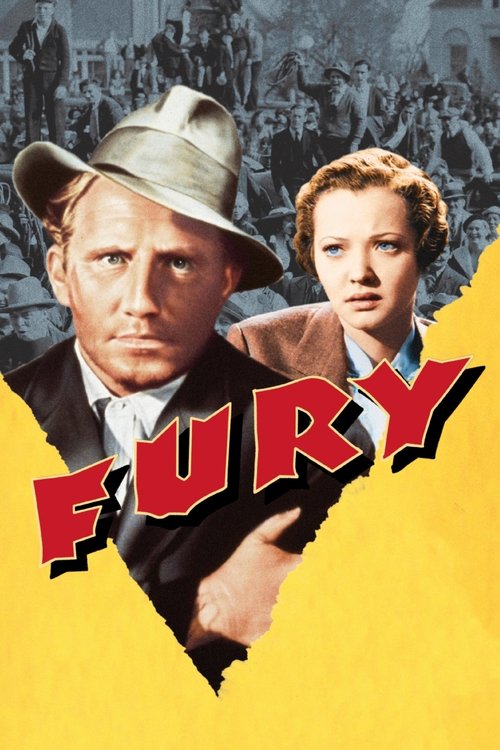
Where Boomerang! shows a system slowly correcting itself, Fury shows what happens when it doesn't — the same fear of a town convicting an innocent man on eyewitness certainty, a decade earlier and far less patient.
Fritz Lang's ferocious early American film about a mob that decides guilt before any trial does, showing exactly what Boomerang!'s heroes are fighting against — public certainty outrunning evidence, with lethal consequences.
But It's angrier and more melodramatic than Boomerang!, with a studio shine that dates it in ways the later film avoids.
More like this (8)
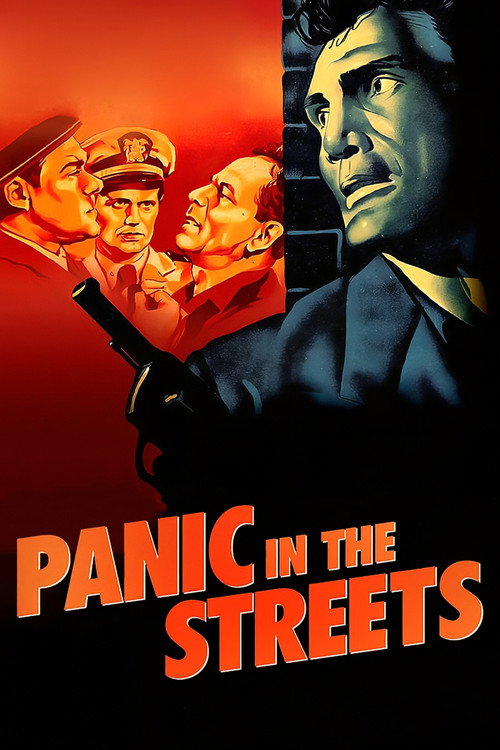
Panic in the Streets1950
Kazan again, on real New Orleans streets, using the same restless, semi-documentary nerves — this time a health officer races to stop a plague before politics gets in the way.
But It's more thriller than moral drama — the tension is medical urgency, not civic conscience.
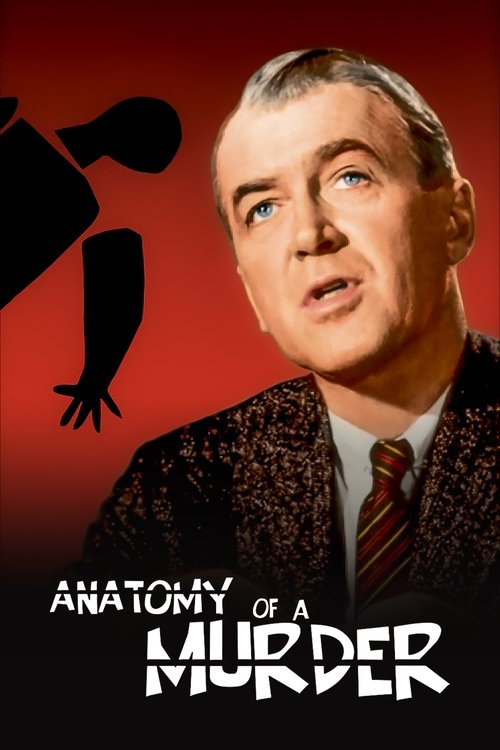
Anatomy of a Murder1959
A defense lawyer picks apart a case with the same procedural patience Boomerang! brings to prosecution, and the film refuses to tell you who's actually innocent. Jimmy Stewart at his most morally slippery.
But It's long, talky, and deliberately withholds catharsis — you leave without a clean verdict.
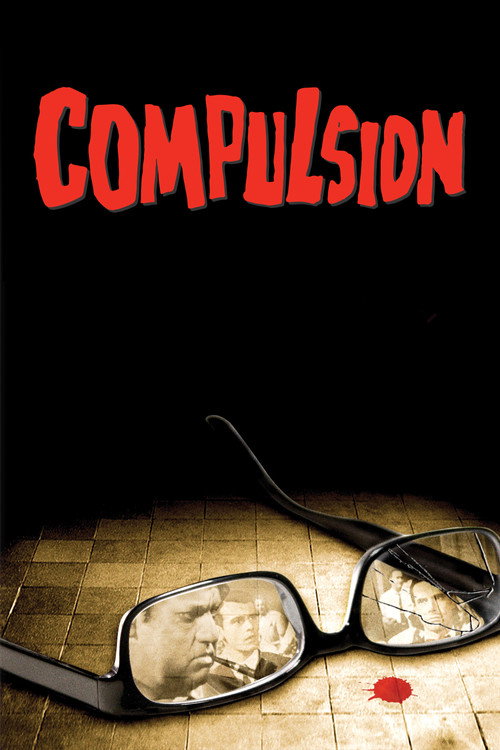
Compulsion1959
A true-crime courtroom drama loosely based on Leopold and Loeb, with Orson Welles delivering a closing argument against capital punishment that argues for doubt itself as a civic virtue.
But The moral argument is front and center — it can feel more like a philosophical debate than a thriller.
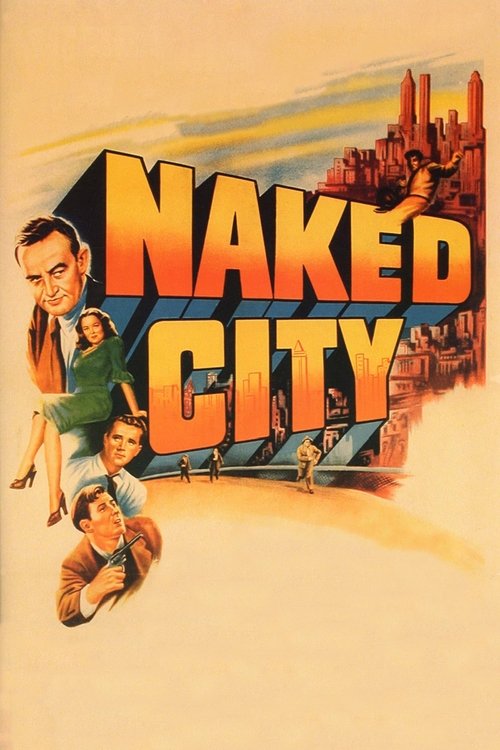
The Naked City1948
Shot the same year on real New York streets with a narrator's flat authority, it helped invent the procedural mode Boomerang! shares — pure genre pleasure, a little less moral weight.
But It's more interested in police routine than injustice — don't expect the same ethical stakes.
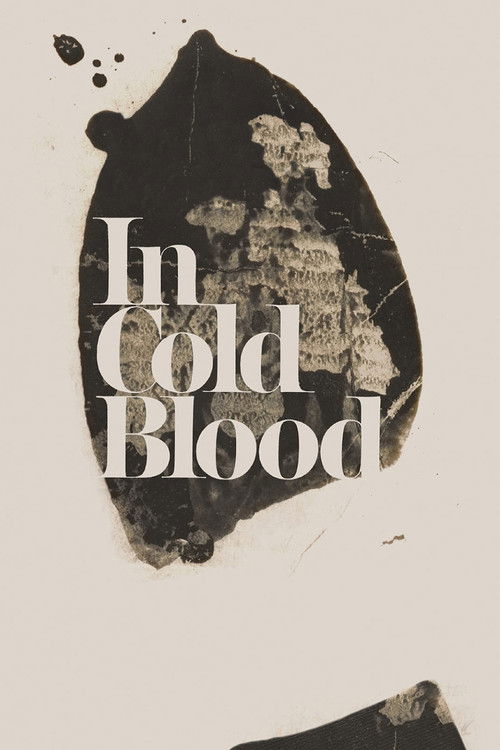
In Cold Blood1967
Stark black-and-white, based on a real murder, and just as interested in how a case gets built and understood by the public as in the crime itself. Cold, precise, unflinching.
But It's bleaker and more violent in implication than Boomerang! — there's no political rescue coming.
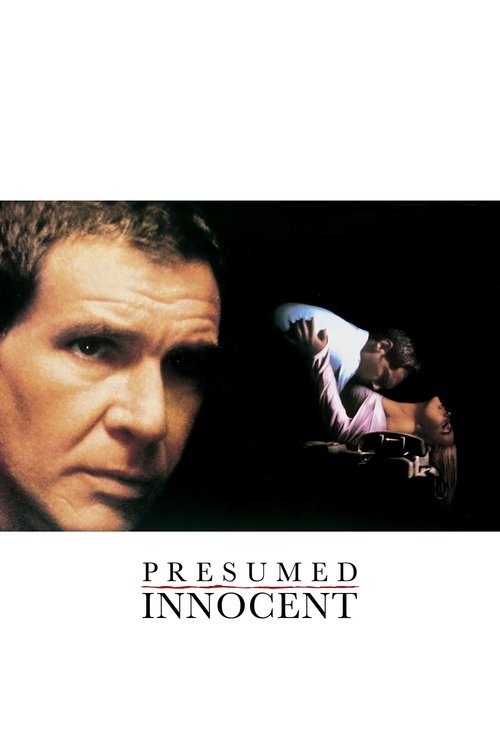
Presumed Innocent1990
A modern courtroom thriller that keeps Boomerang!'s core anxiety — a prosecutor who might be defending the wrong man, or protecting himself — and wraps it in slicker, twistier packaging.
But It trades civic conscience for personal jeopardy and a much more sensational plot; less about justice, more about survival.
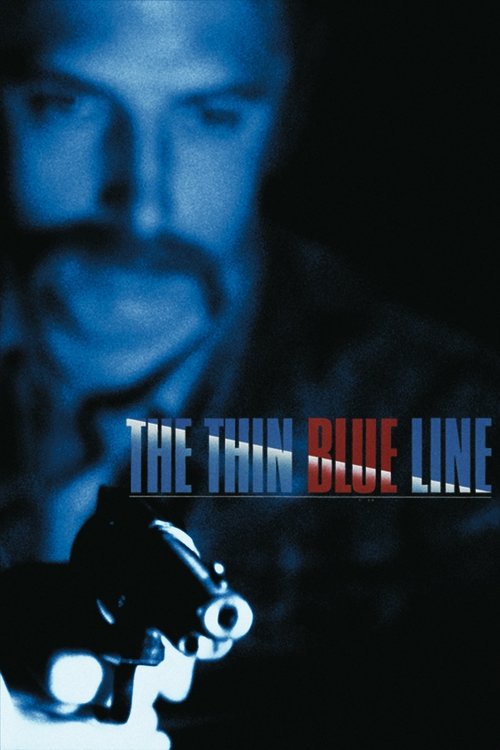
The Thin Blue Line1988
Boomerang! dramatizes how eyewitnesses can be wrong with total sincerity; Thin Blue Line is the nonfiction version of that same problem, using real interviews to show a wrongful conviction built from confident, false memory.
Errol Morris's landmark documentary reinvestigates a real murder conviction by interrogating witness memory itself, using the same eerie, reenacted calm Boomerang! brings to its own testimony scenes.
But It's a documentary with no narrative closure and a formal coldness that can feel more like an essay than a story.
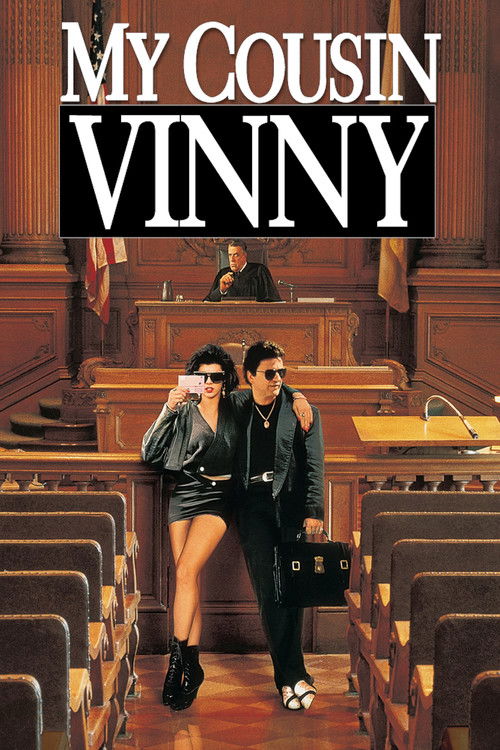
My Cousin Vinny1992
Swap the somber DA for a mismatched lawyer and the murdered priest for a convenience-store clerk, and you get the same structural core — witnesses so sure of what they saw that nobody checks if it's true — played entirely for comedy instead of conscience.
A courtroom comedy that runs on the exact same engine as Boomerang! — shaky eyewitness testimony and a lawyer who has to dismantle it piece by piece — but plays the whole thing for huge laughs.
But It's broad, silly, and openly comic where Boomerang! is grave — no civic dread here, just a very good joke about ballistics.
People
Cast
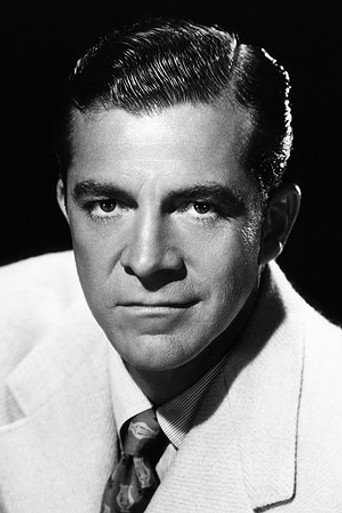 Dana AndrewsState's Attorney Henry L. Harvey
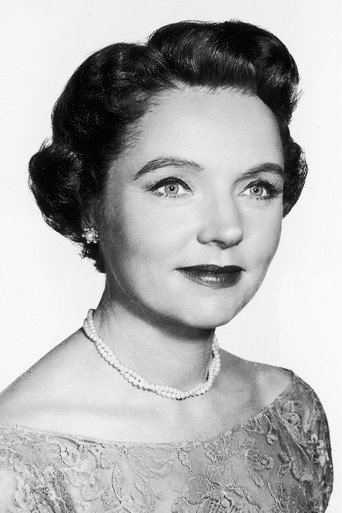 Jane WyattMadge Harvey
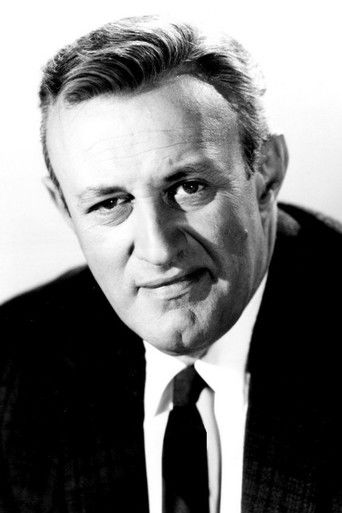 Lee J. CobbChief Harold F. 'Robbie' Robinson
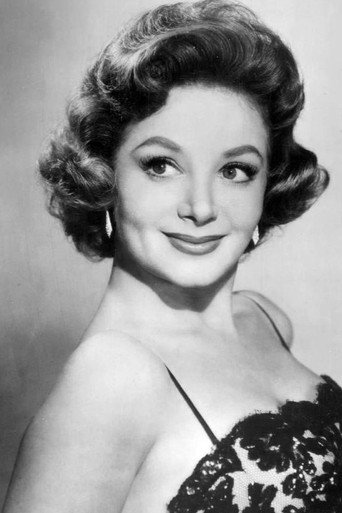 Cara WilliamsIrene Nelson
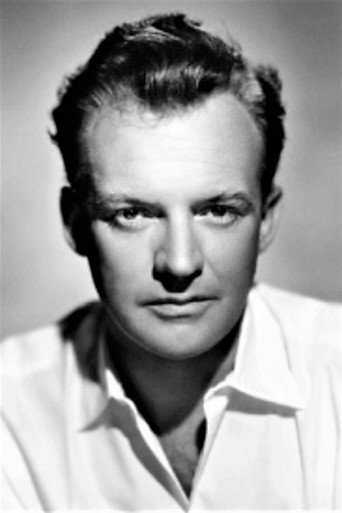 Arthur KennedyJohn Waldron
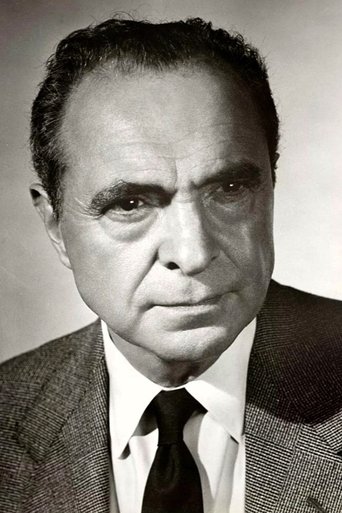 Sam LeveneMorning Record's Reporter Dave Woods
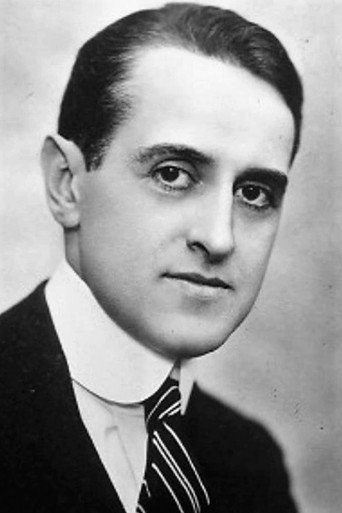 Taylor HolmesT.M. Wade
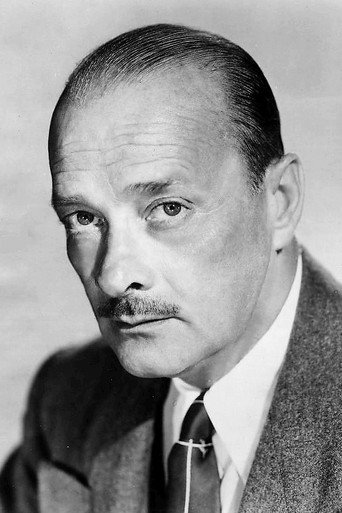 Robert Keith'Mac' McCreery
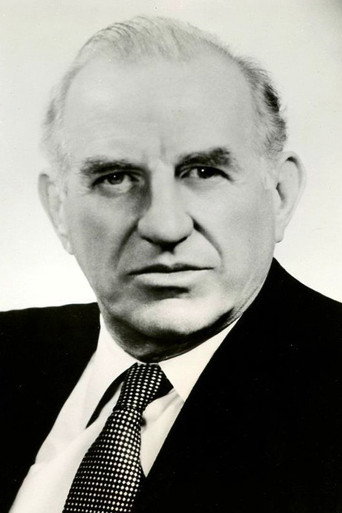 Ed BegleyPaul Harris
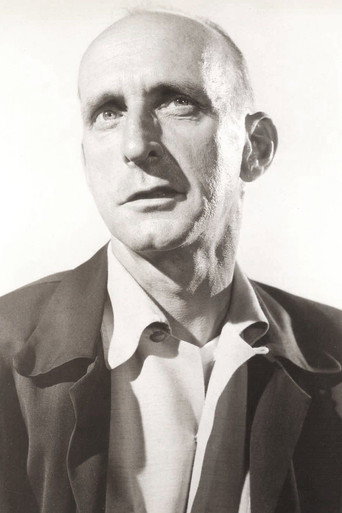 Philip CoolidgeJim Crossman
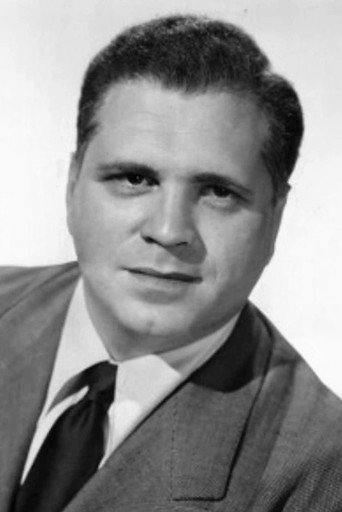 Bert FreedHerron, a Man in Alley Mob
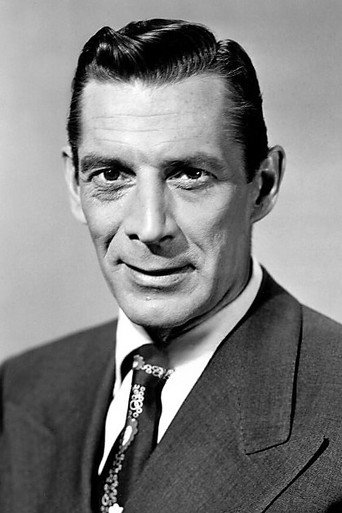 Reed HadleyNarrator (voice) (uncredited)
Directing
- Elia KazanDirector
Writing
- Richard MurphyScreenplay
- Fulton OurslerWriter
Production
- Darryl F. ZanuckExecutive Producer
- Louis De RochemontProducer