
Film
Call Northside 777
A stripped-down, semi-documentary crime drama shot on real Chicago streets, built from an actual wrongful-conviction case. James Stewart plays a skeptical reporter whose digging turns into a slow-burning crusade. It moves like journalism — phone calls, dead ends, small breakthroughs — rather than a thriller, trading suspense for procedural patience and quiet outrage at institutions too proud to admit error.
If you liked this
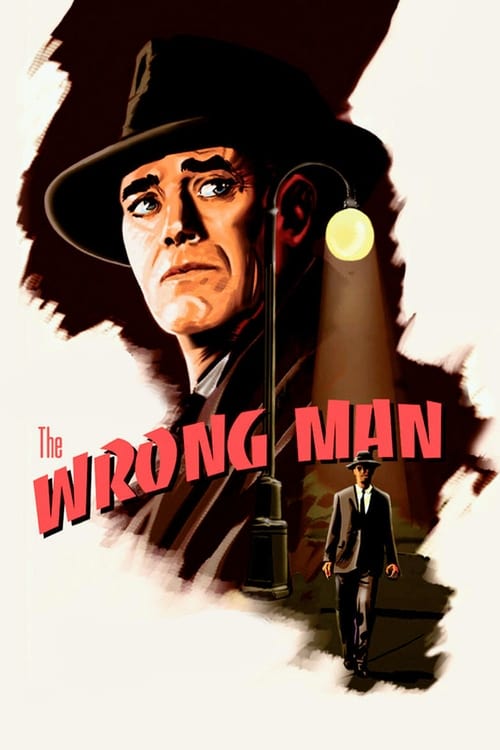
The Wrong Man1956
Hitchcock strips away his usual tricks to tell a true story of mistaken identity with the same flat, dread-soaked realism as McNeal's Chicago, only tighter and more claustrophobic.
But It's Hitchcock in a minor key — no set-pieces, no wit, just a man's life dismantled by bureaucracy.
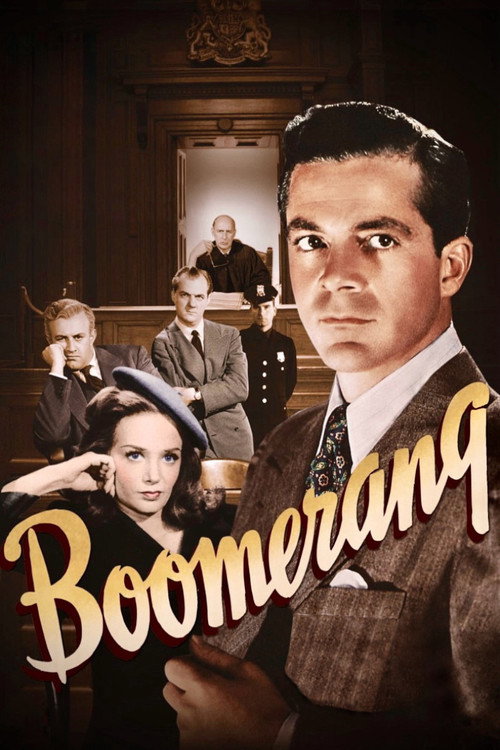
Boomerang!1947
Elia Kazan's other true-crime docudrama from the same year, shot on real streets with non-actors mixed in, follows a prosecutor who starts doubting the case he's supposed to win.
But Less starry than Stewart's vehicle, and its small-town setting lacks Chicago's grit and scale.
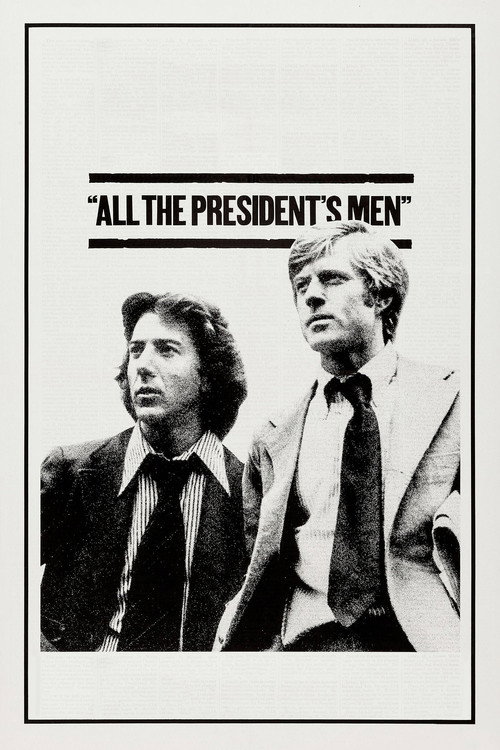
All the President's Men1976
The definitive newsroom procedural — two reporters chasing a story nobody wants told, phone calls and paper trails standing in for gunfights, institutions closing ranks against the truth.
But It's slower and more talky than a thriller, and assumes you already care about the mechanics of journalism.
The wildcard
Something you would not have found on your own.
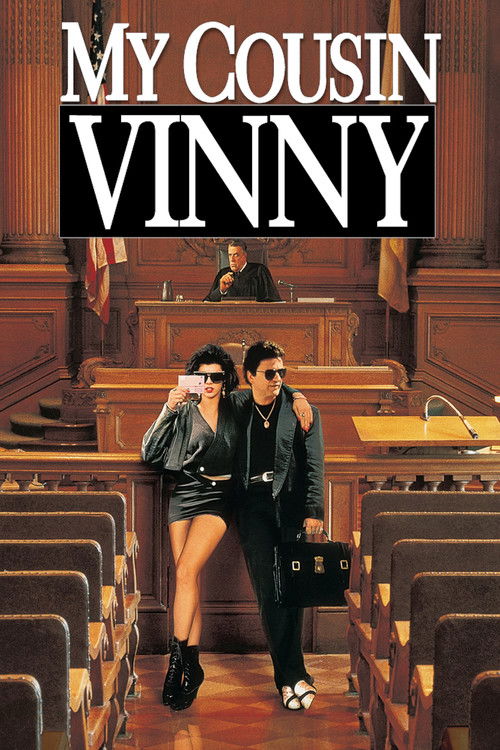
My Cousin Vinny1992
Same engine — a persistent outsider dismantling an official case built on mistaken identification and civic complacency — run through farce instead of noir.
Same shape — an outsider forces a small-town justice system to admit it got the wrong man — but told as a courtroom comedy, with a cross-examination doing what McNeal's legwork does.
But It's broad, loud, and openly a comedy; if you want the dead-serious moral weight of the original this will feel like a joke.
More like this (8)
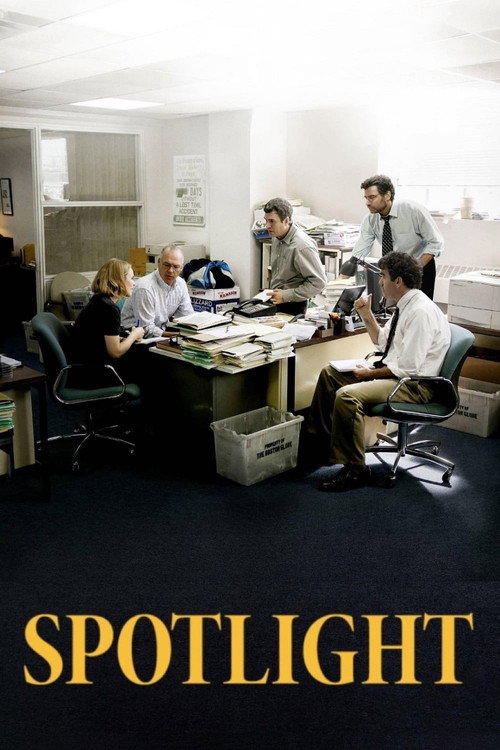
Spotlight2015
Modern heir to the same faith that patient, unglamorous reporting can crack open a wall of institutional denial, with a newsroom ensemble instead of one dogged hero.
But Its restraint can feel procedural rather than propulsive — no single Stewart-style crusader to root for.
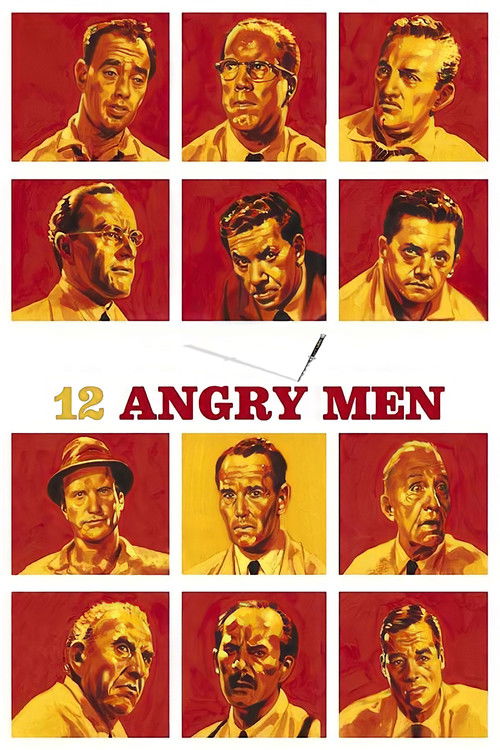
12 Angry Men1957
Lee J. Cobb again, this time inside the jury room, arguing the opposite case — that certainty about guilt is the most dangerous thing in an American courtroom.
But Confined to one room and one conversation; if you want event or momentum this stays still.
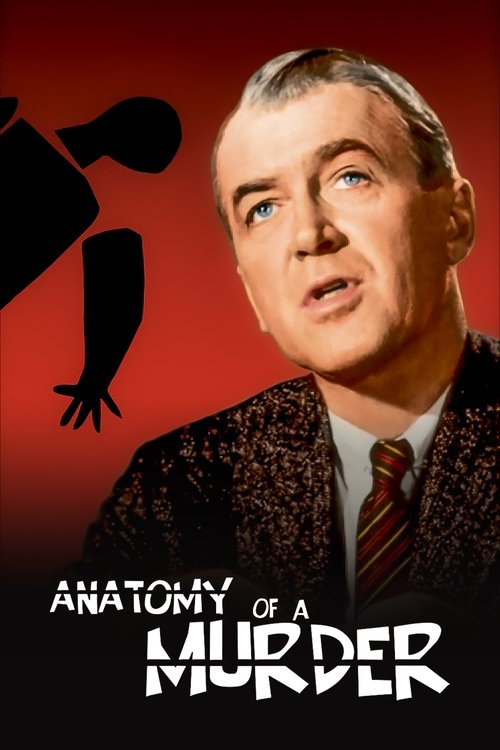
Anatomy of a Murder1959
Stewart back in a courtroom, but as a cagier, more compromised lawyer, in a film far more interested in ambiguity than clean moral resolution.
But Long, talky, and deliberately unsatisfying about who's actually telling the truth.
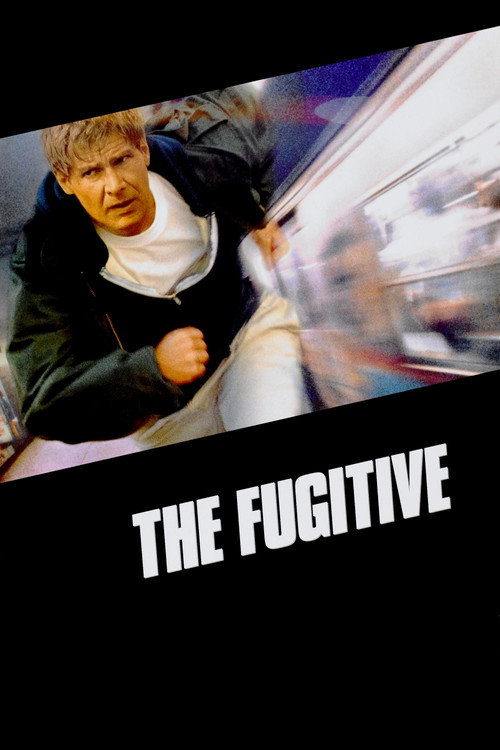
The Fugitive1993
Takes the wrongly-accused-man engine and turns it into a chase thriller, Harrison Ford running instead of McNeal typing, same fury at a system too sure of itself.
But It's pure entertainment machine — thrilling, but with none of the moral weight or the true-story grounding.
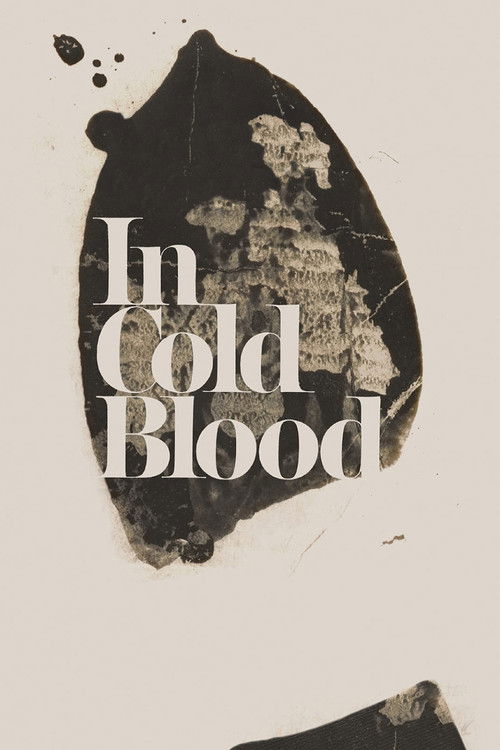
In Cold Blood1967
Same stark black-and-white realism and journalistic remove, though here it studies killers rather than a wrongly convicted man, with equal chill and restraint.
But Bleaker and more clinical — no hero, no correction of injustice, just an unflinching look at a crime.
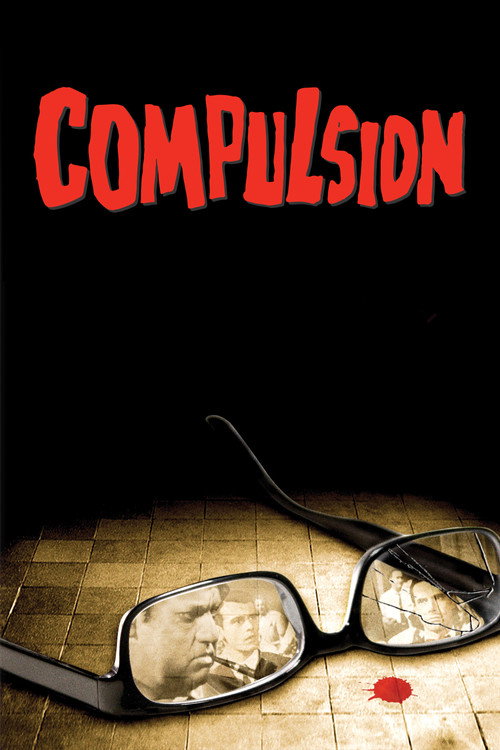
Compulsion1959
Another Chicago crime-and-courtroom drama from the era, loosely based on Leopold and Loeb, with the same interest in how the press and public appetite shape a case.
But More sensational and stagier than McNeal's story, and its true-crime liberties are looser.
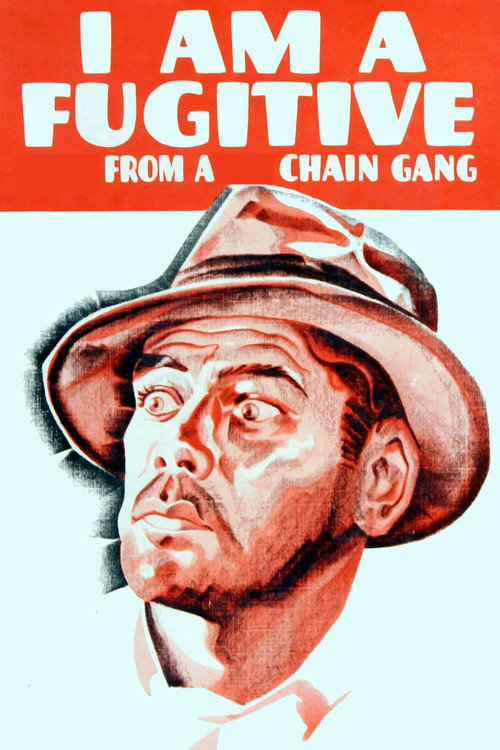
I Am a Fugitive from a Chain Gang1932
The direct ancestor — a contemporary snapshot of the exact decade and outrage the newspaper story is investigating retroactively.
Made the same year as the murder that opens McNeal's case, this Warner Bros social-issue drama is the era's raw nerve about a system that grinds up the wrongly convicted and doesn't care.
But Early-sound melodrama, stagey by modern standards, and angrier and less nuanced than the later film.
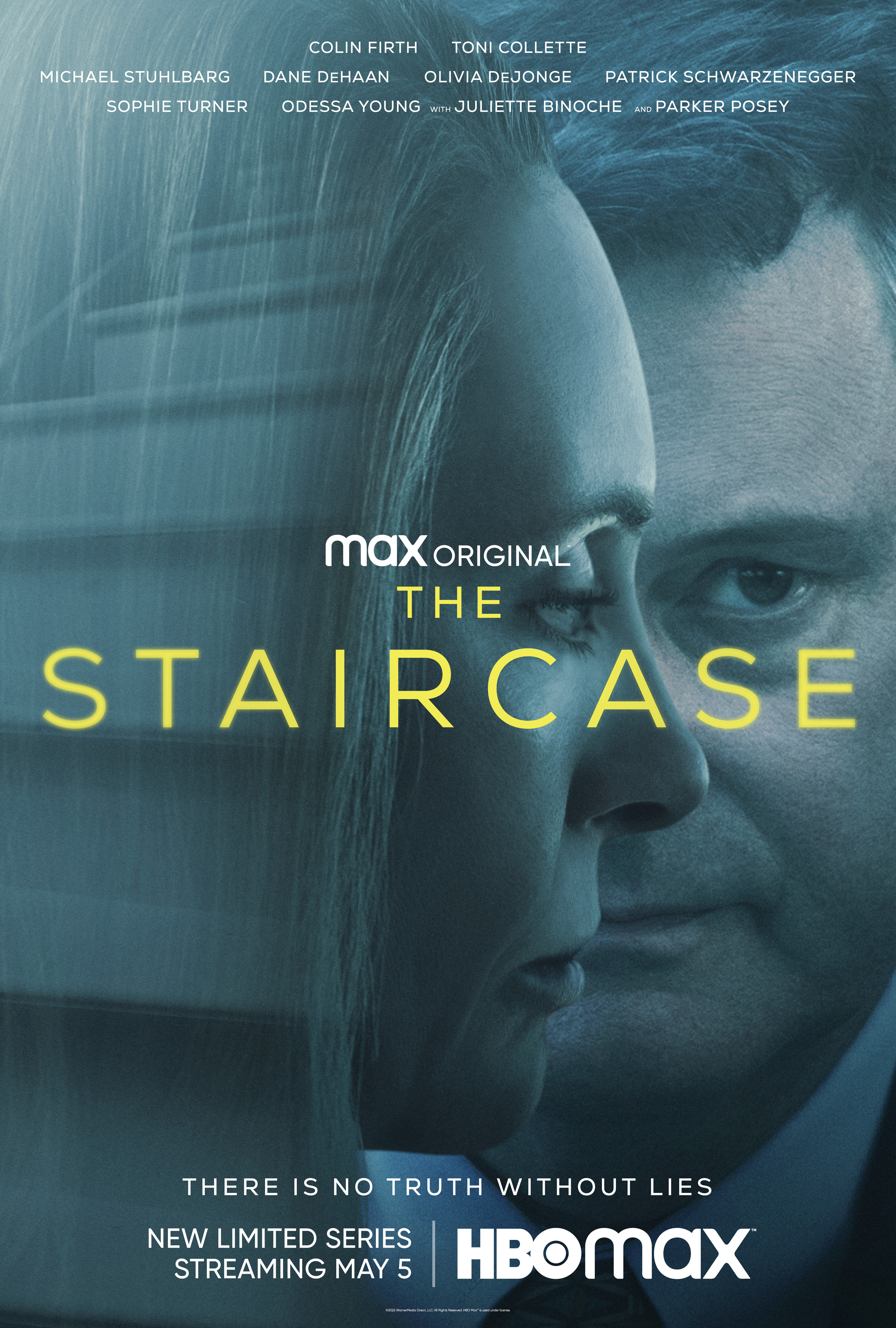
The Staircase2022
Same investigative unraveling of an official story, but nonfiction and serialized — the truth arriving in fragments rather than a single scoop.
Swaps the reporter for a documentary crew and follows a real case in real time, letting you watch a justice system's certainty curdle under scrutiny across hours instead of minutes.
But It's a multi-hour commitment with no tidy resolution, and the ambiguity that makes it fascinating can also frustrate.
People
Cast
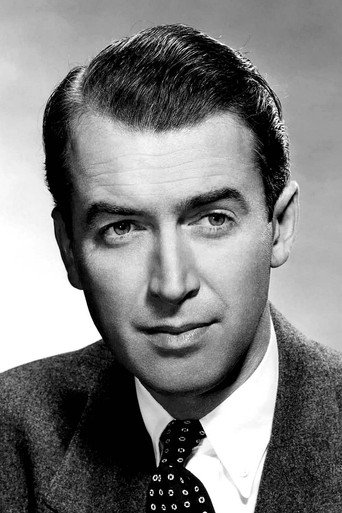 James StewartP.J. 'Jim' McNeal
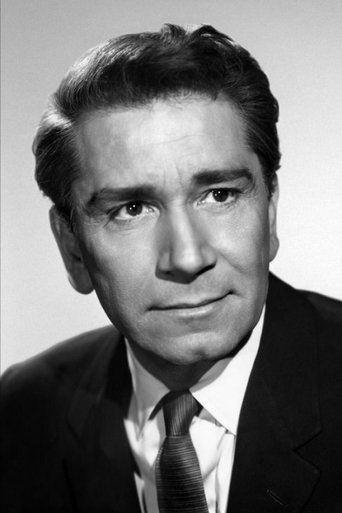 Richard ConteFrank W. Wiecek
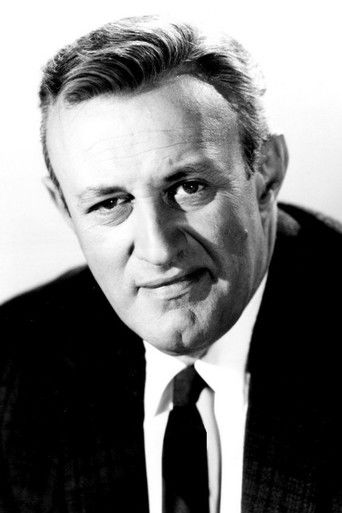 Lee J. CobbBrian Kelly
 Helen WalkerLaura McNeal
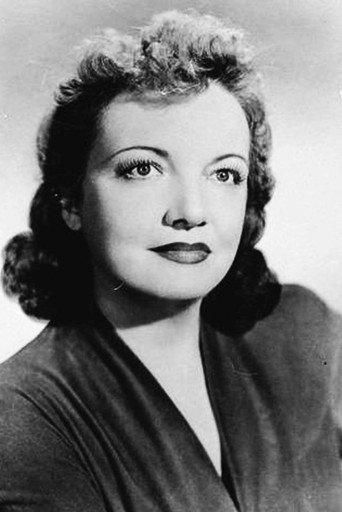 Betty GardeWanda Skutnik
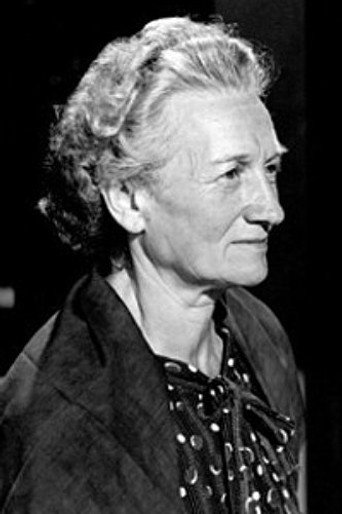 Kasia OrzazewskiTillie Wiecek
 Joanne De BerghHelen Wiecek
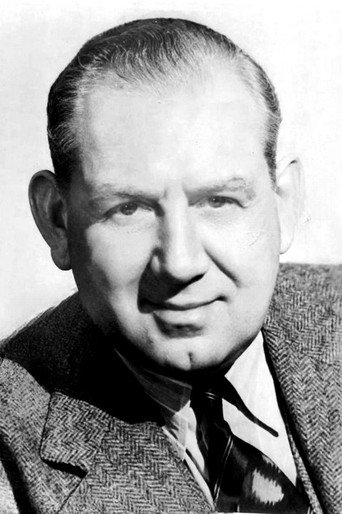 Howard SmithK.L. Palmer
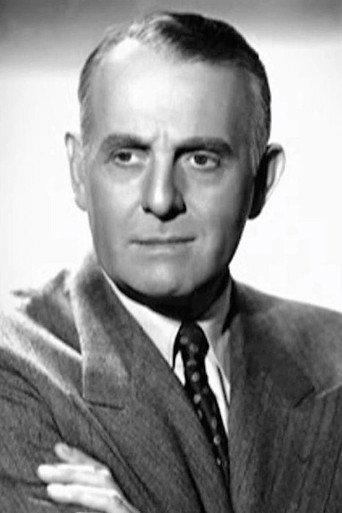 Moroni OlsenParole Board Chairman
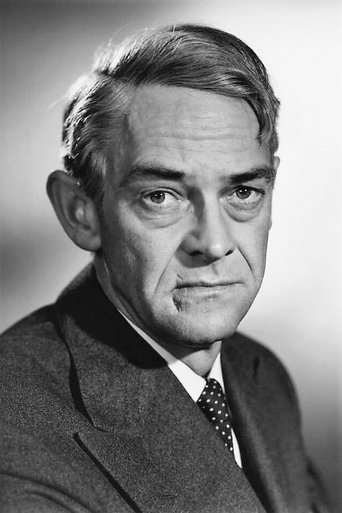 John McIntireSam Faxon
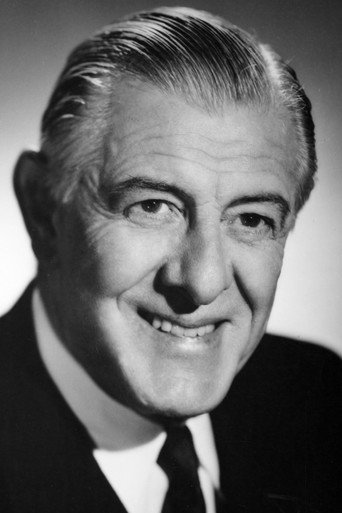 Paul HarveyMartin J. Burns
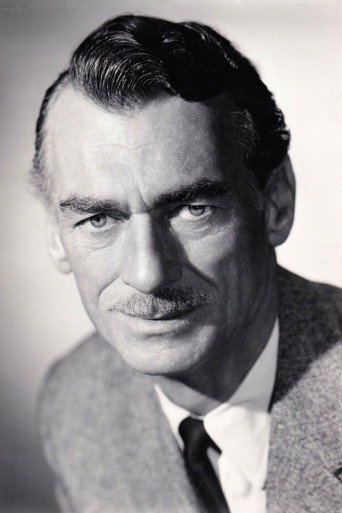 Robert AdlerTaxicab Driver (uncredited)
Directing
- Abe SteinbergAssistant Director
- Joseph E. RickardsAssistant Director
- Henry HathawayDirector
- Stanley K. ScheuerScript Supervisor
Writing
- Leonard HoffmanAdaptation
- Quentin ReynoldsAdaptation
- Jay DratlerScreenplay
- Jerome CadyScreenplay
- Jack McPhaulStory Consultant
Production
- Darryl F. ZanuckExecutive Producer
- Otto LangProducer
- Raymond A. KluneProduction Manager
- Sam WurtzelProduction Manager
Recommended by
All the President's Men, Spotlight, Life, Boomerang!, The Naked City